 Skip to content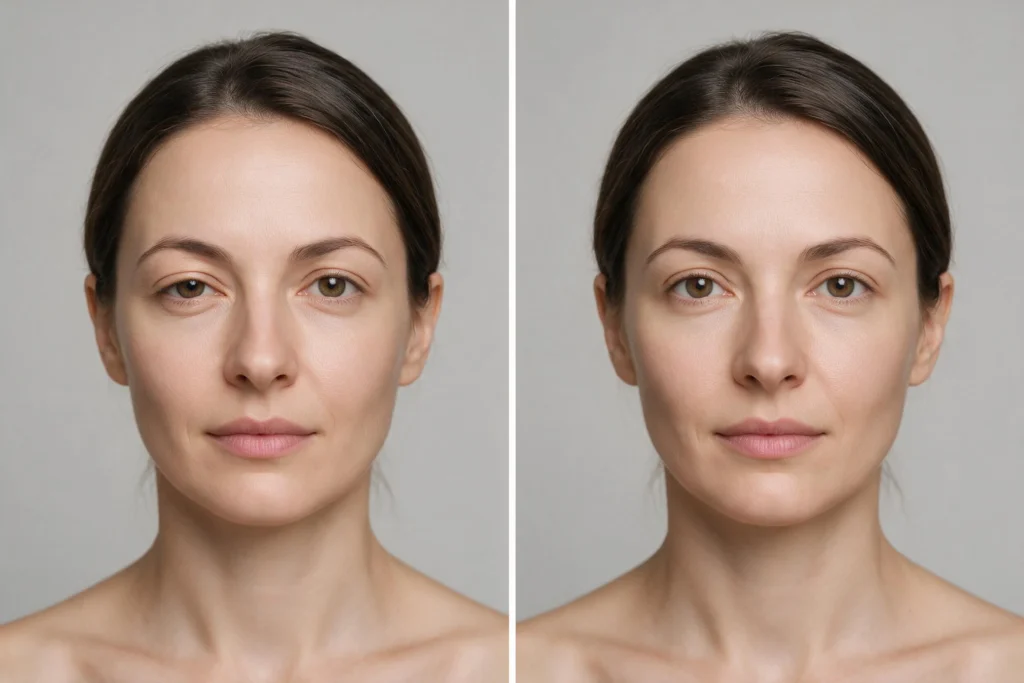
Drooping Eyelid (Ptosis): What It Might Be and When to Be Concerned
Short answer: a drooping eyelid may simply be due to the ageing of the muscle that lifts it, but if it gets worse as the day goes on, it could be a sign



Short answer: a drooping eyelid may simply be due to the ageing of the muscle that lifts it, but if it gets worse as the day goes on, it could be a sign
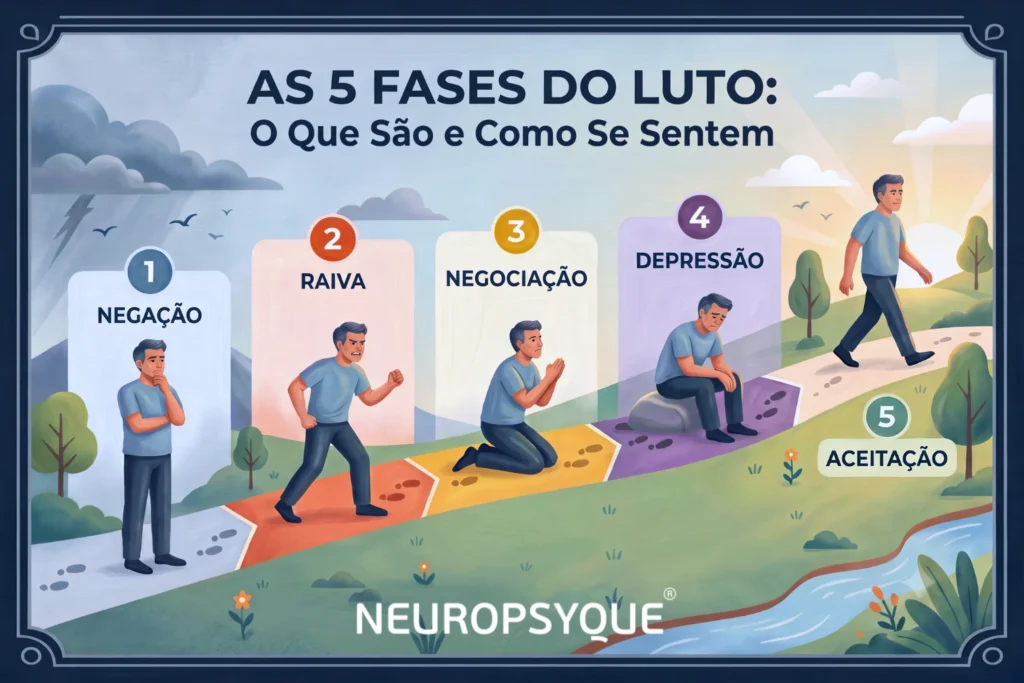
Short answer: Denial, anger, bargaining, depression and acceptance are the five stages described by Kübler-Ross, but most people do not go through all of them. The
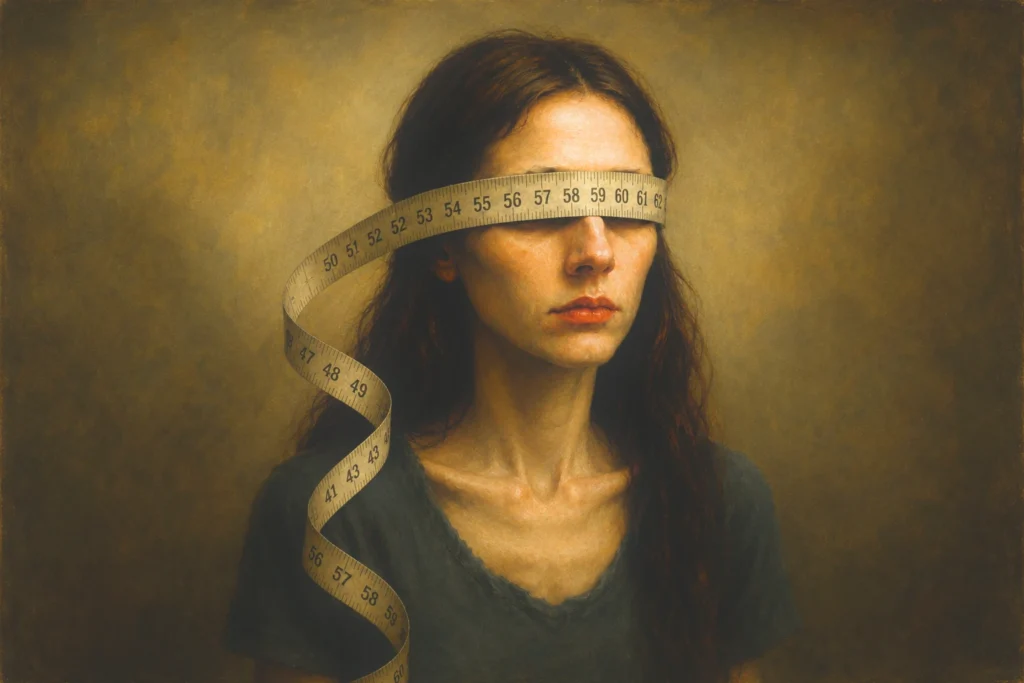
Short answer: for anorexia, the key specialist is a psychiatrist (or a child and adolescent psychiatrist, in the case of children and adolescents) or a neuropsychiatrist, but the treatment

Short answer: Machado-Joseph disease is known as the “Azores disease” because the first cases detected were all found in Azorean families. But it is not

A medico-legal or forensic neuropsychological assessment is distinct from a clinical neuropsychological assessment, and is carried out by different professionals. Find out which professional you should consult to
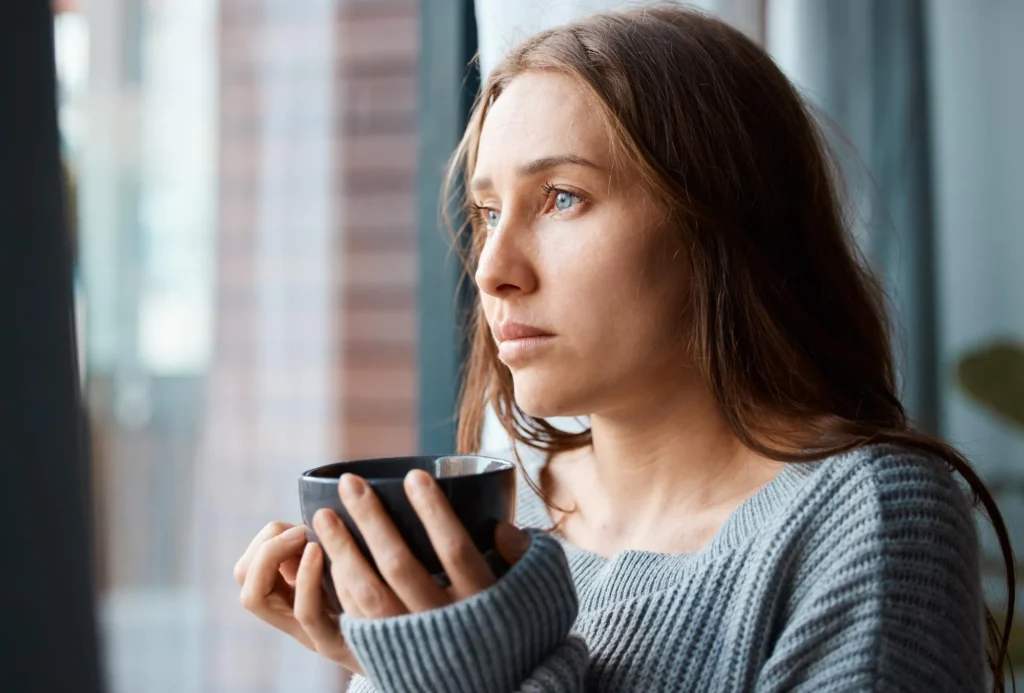
Short answer: in some people, caffeine can cause symptoms similar to those of a panic attack. It stimulates the nervous system, the heart, and
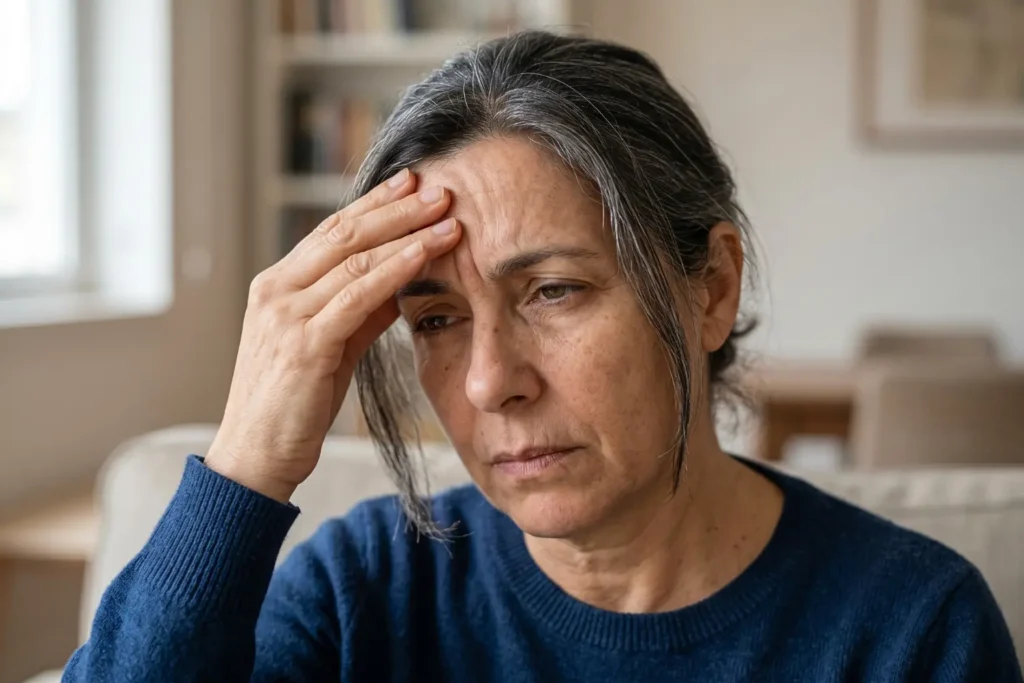
Short answer: a headache in the forehead, or frontal headache, is most commonly caused by tension-type headache, migraine, sinusitis, eye strain or stress. It is
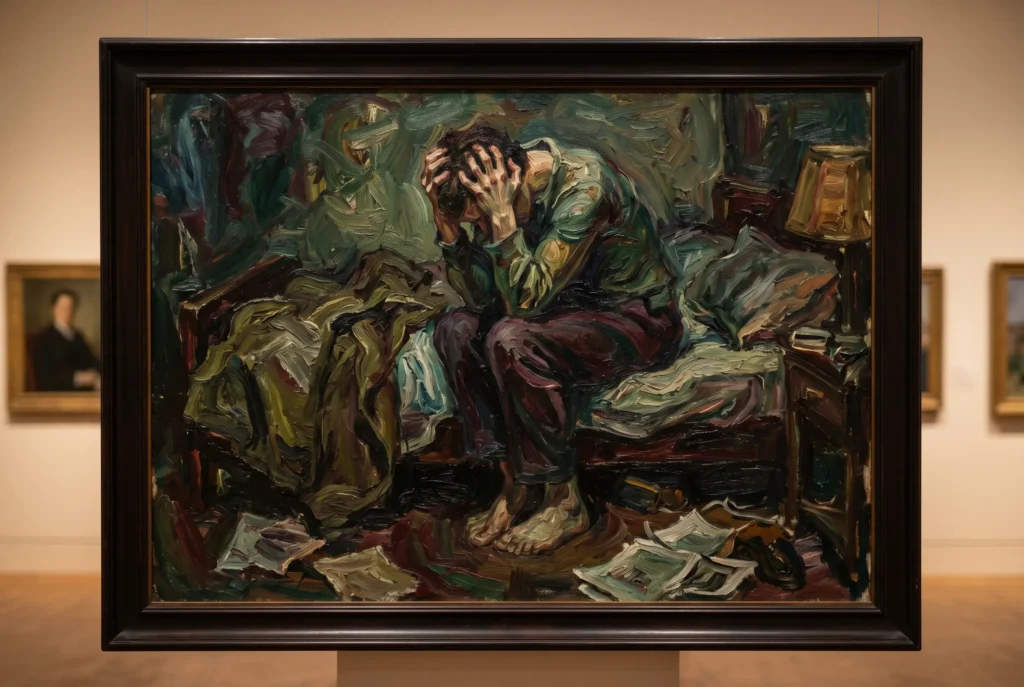
Short answer: the main difference between a panic attack and an anxiety attack lies in the speed and intensity of the symptoms. Anxiety
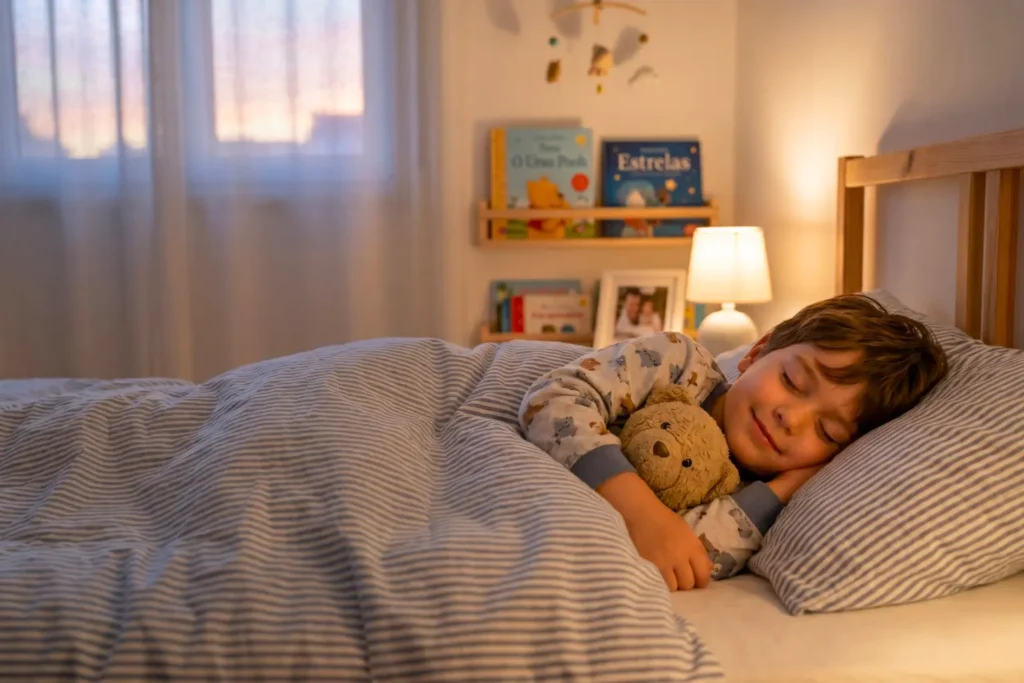
Short answer: the number of hours a child needs to sleep varies with age — ranging from 12 to 16 hours for babies,