Skip to content


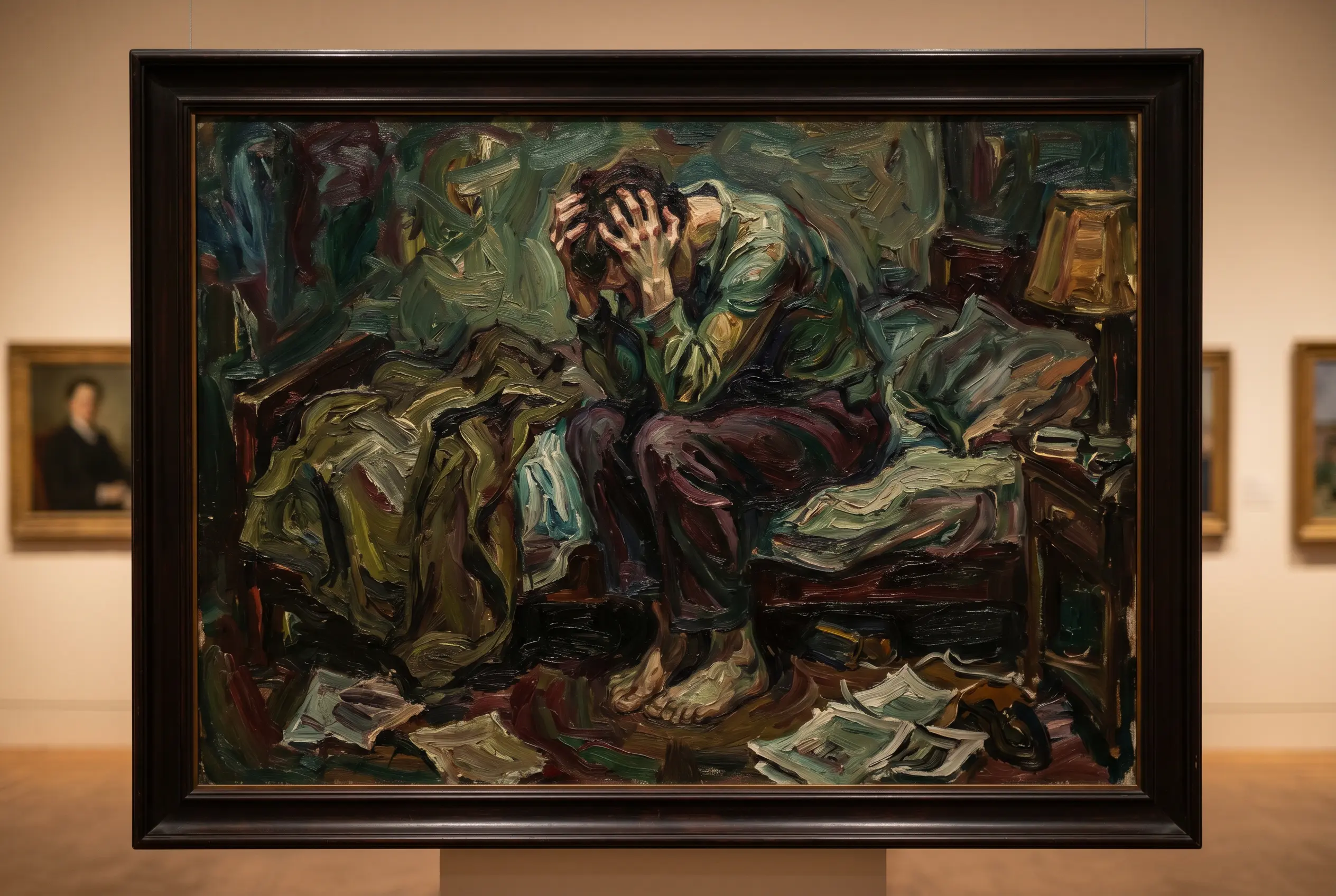
Are Anxiety and Panic the Same Thing?
“I had an anxiety attack.”
“It was a panic attack.”
In everyday language, the two expressions are used as if they were synonyms — but they describe very different experiences.
The confusion is understandable: both involve fear, a rapid heartbeat and a feeling of loss of control.
However, they stand out in the the way they start, at intensity and in the duration.
Realising this difference is what can help to to identify what is really going on with you, so that you can take the right action.

What Is an Anxiety Attack?
A anxiety It’s an answer normal and useful the body’s response to something we perceive as a challenge or a threat.
It is this that keeps us on our toes before an exam, an interview or an important decision.
The problem arises when this state of alertness is no longer proportionate and continues over time.
We’re talking about a anxiety attack when the concern becomes:
- persistent;
- difficult to control;
- interferes with sleep;
- hinders concentration;
- affects well-being.
The symptoms develop in a gradual: muscle tension, irritability, catastrophic thoughts, difficulty relaxing. These symptoms may persist for hours, days or weeks.
It’s a bit of a nuisance, but tolerable (which sometimes means that people do not seek treatment straight away).
When this pattern becomes the norm, it’s time to look for treatment for anxiety.
What Is a Panic Attack in Practice?
One panic attack It’s something far more abrupt. It’s a a sudden wave of intense fear which reaches its peak within a few minutes, often without warning and for no apparent reason.
During the crisis, the the body goes into “fight or flight” — my heart racing, shortness of breath, sweating, tremors, tightness in the chest and a overwhelming sensation that something terrible is going to happen.
Many people actually to feel as though they are about to faint, lose control or even die, even though the body is not, in fact, in danger.
This is it extreme intensity, concentrated within a short period of time, which distinguishes panic from ordinary pathological anxiety.

The 4 Key Differences Between Panic and Anxiety
If you’re unsure about what you’re feeling, there are four criteria that can help you tell the difference.
Start-up Speed: Gradual vs Sudden
Anxiety grows slowly, fuelled by mounting worries. The panic attack explodes in seconds, often without any warning.
Severity of Physical Symptoms
With anxiety, the physical discomfort is real but moderate. With panic, it is extreme: your heart feels as though it’s about to leap out of your chest, and your body reacts as if it were facing a life-threatening situation.
Episode length
An anxiety attack can last for hours or days. A panic attack is short and self-limiting: it peaks in around 10 minutes and tends to subside in less than 30.
Presence or Absence of a Trigger
Anxiety usually has a identifiable reason — a problem, a date, a feeling of uncertainty. Panic attacks often strike out of the blue, even in quiet moments, which makes it particularly frightening.
Quick Comparison Table
| Criterion | Anxiety attack | Panic attack |
|---|---|---|
| Home | Gradual | Sudden |
| Physical intensity | Slight to moderate | Very high |
| Duration | Hours to days | Minutes (peak ~10 min) |
| Trigger | Generally recognisable | Often absent |
| Overwhelming feeling | Ongoing concern | Fear of an impending disaster |
Can They Coexist? Chronic Anxiety and Panic Attacks
Yes — and it happens quite often.
Living in a state of prolonged anxiety keeps the nervous system on constant alert, which lower the threshold which triggers a panic attack.
On the other hand, people who have experienced panic attacks often develop fear of having the next one — a form of anxiety which, in itself, can trigger further attacks. This fear is called “anticipatory anxiety“.
It is a self-perpetuating cycle, but there is a way out: treat underlying anxiety It is key to reducing the frequency of attacks.
When to seek specialised help
Occasional bouts of anxiety are a normal part of life. But when the attacks become very frequent and they start to affect day-to-day life — to avoid situations, places or commitments (agoraphobia) for fear of a new crisis — it’s time to seek support.
The good news is that the treatment works. The psychological therapy has solid results both for anxiety and for recurrent panic attacks, and can be supplemented, where appropriate, through approaches such as neuromodulation.
A specialised assessment enables you to understand what is in the origin to deal with crises and draw up the right plan for your situation.
 Key Points to Retain
 Key Points to Retain
- An anxiety crisis is gradual and prolonged; a panic attack is sudden, very intense and short-lived.
- Four criteria distinguish them: speed of onset, physical intensity, duration and the presence of a trigger.
- A panic attack reaches its peak in about 10 minutes and usually comes on without warning.
- Anxiety usually has an identifiable cause; panic, however, often does not.
- The two conditions can coexist and influence one another, forming a cycle.
- Recurrent or debilitating crises warrant specialist assessment — there are effective treatments available.
FAQs – Frequently Asked Questions
Can an anxiety attack develop into a panic attack?
Yes. When anxiety reaches very high levels, it can “spill over” into a panic attack. A prolonged state of anxiety makes the nervous system more reactive, lowering the threshold at which a panic attack is triggered.
Does constant anxiety cause panic attacks?
Not directly, but it does increase the risk. Living in a constant state of alert keeps the body “prepared for the worst”, which makes it easier for a panic attack to strike suddenly. Treating the underlying anxiety is one of the most effective ways of reducing the frequency of attacks.
How can I tell which of the two I’m having?
Note three points: how it began (gradually or suddenly), how intense it is physically, and how long it lasts. A sudden onset, overwhelming symptoms and a short duration suggest a panic attack; a gradual onset and prolonged discomfort suggest anxiety.