Skip to content



PANIC ATTACKS - Treatment in Lisbon
Specialised assessment and treatment for Panic Attacks in Lisbon
WHAT ARE PANIC ATTACKS?
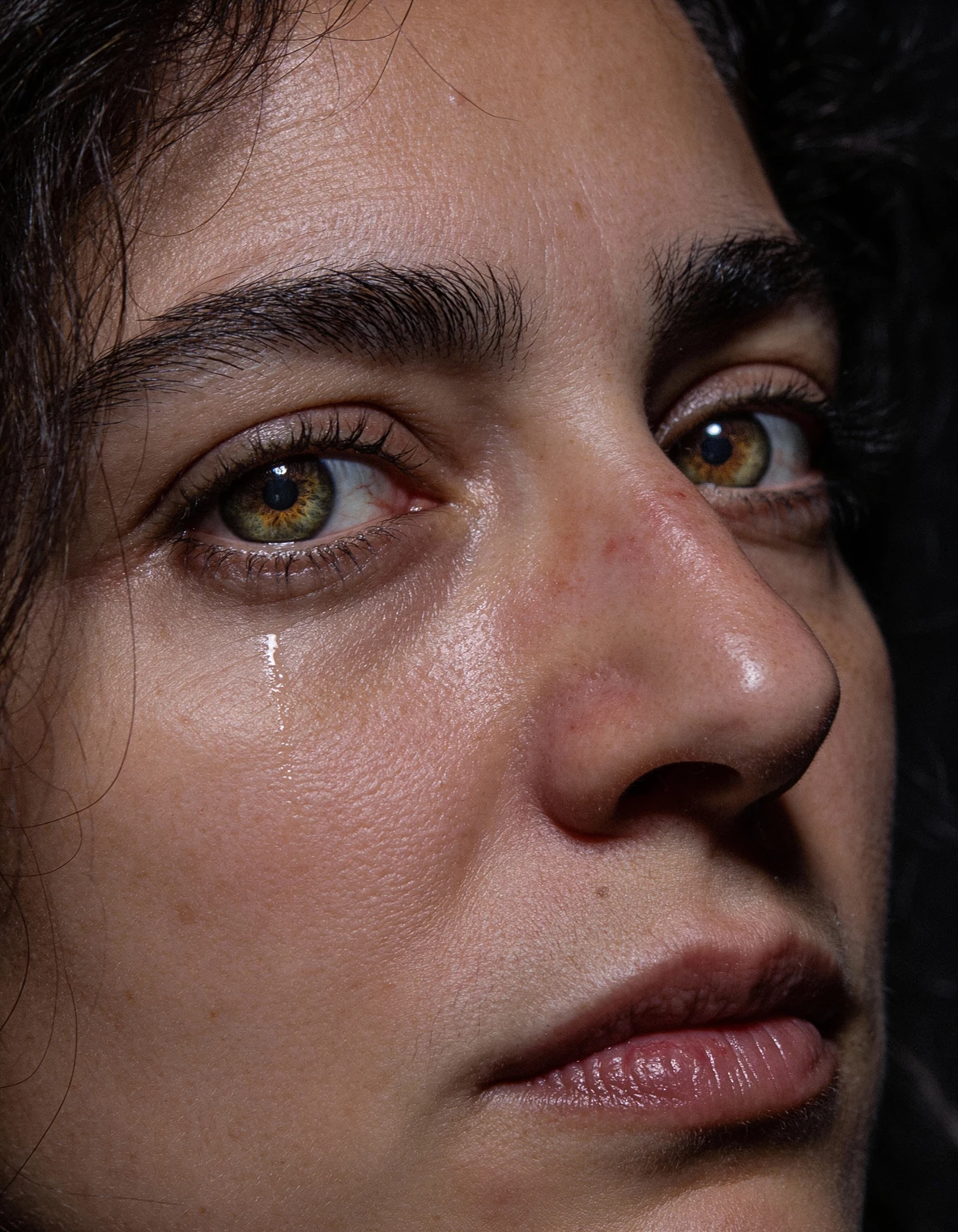
A "false alarm" in the nervous system
A panic attack is a sudden and intense episode of overwhelming fear that triggers severe physical reactions, even when there is no real apparent danger. It occurs when the brain's natural "fight or flight" response triggers erratically. The physical sensation is so intense that the person often believes they are suffering a heart attack or about to die, which aggravates the anxiety spiral.
Most common manifestations
- Cardiovascular SymptomsStrong palpitations, tachycardia (rapid heartbeat) and chest pains.
- Respiratory symptomsFeeling of deep breathlessness, suffocation or hyperventilation.
- Intense Physical ReactionsUncontrollable trembling, profuse sweating, dizziness, nausea and a feeling of imminent fainting.
- Cognitive and Dissociative SymptomsIntense fear of dying or going mad, depersonalisation (feeling outside oneself) or derealisation (feeling that the environment is unreal).
CAUSES AND TRIGGERS
Biological factors
Hyperactivity of the amygdala (the fear centre in the brain), genetic predisposition and dysregulation of neurotransmitters such as serotonin (the "feel-good" hormone).
NeurobiologyStress and Psychological Factors
The accumulation of prolonged stress, burnout, chronic (prolonged) bereavement or major life transitions prepare the ground for a panic attack.
EmotionalThe Agoraphobia Cycle
The fear of suffering another attack leads them to avoid public places (crowds, transport, shopping centres), often giving rise to secondary agoraphobia.
AvoidancePhysical Triggers
Excessive consumption of caffeine or stimulants, acute sleep deprivation and rapid hormonal fluctuations can trigger sudden episodes.
Triggers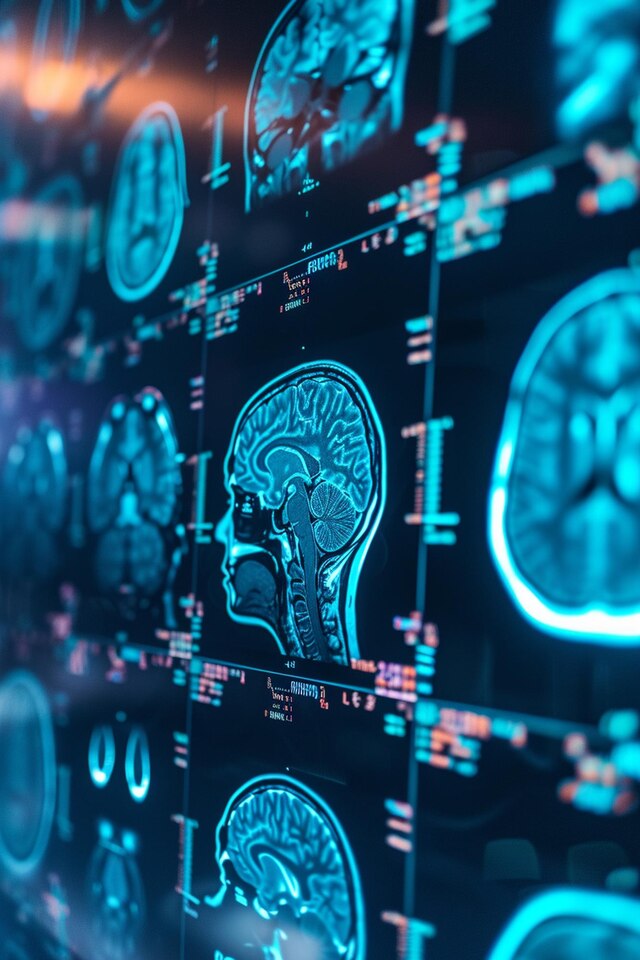
When panic attacks become frequent and generate constant worry about the next one occurring, they evolve into what is known as Panic Disorder.
EFFECTIVENESS IN TREATMENT
PANIC ATTACKS
Outstanding clinical results proving that the cycle of fear can be successfully stopped
* Data based on the effectiveness of international mental health clinical guidelines. Individual results may vary depending on adherence.
Sources: clinical data, Craske MG & Barlow DH - Panic Control Treatment (PCT): 70-80% remission (APA Division 12, evidence-based treatments); Haby MM et al. (2006), Psychol Med - meta-analysis of CBT in panic disorder; APA Clinical Practice Guidelines for Panic Disorder; PubMed.

THE IMPORTANCE OF STOPPING THE CYCLE OF FEAR
Having a panic attack is a terrifying experience, and the lack of timely help generates the phenomenon of "fear of being afraid", where the person lives on constant alert, progressively restricting their life and isolating themselves socially. This generates a constant lack of energy and eventually leads to burnout. An initial specialised assessment also serves to rule out organic pathologies (such as heart or thyroid problems), bringing immediate relief and certainty of diagnosis.
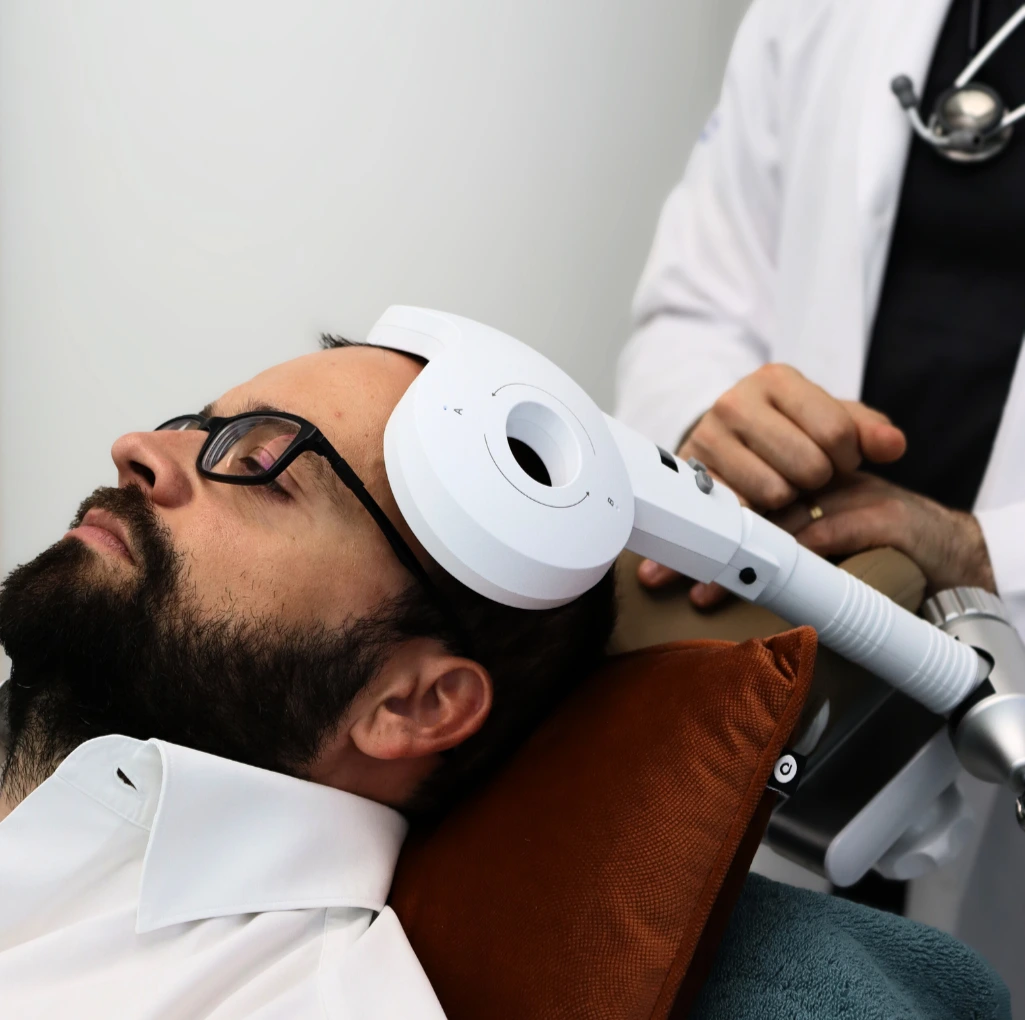
At NeuroPsyque, we believe that panic attacks should not "freeze" life. It is important to initially stabilise the physical symptoms, combined with psychotherapy (which acts on the root of the fear) and modern interventions such as Transcranial Magnetic Stimulation (TMS) to modulate the anxiety circuits in the brain.
FAQ's on Panic Attacks
How do I know if I'm having a panic attack or a heart attack?
Is it possible to die from a panic attack?
How long does an attack last?
What should I do during a crisis?
How can Cognitive Behavioural Therapy help?
Will I have to take medication every day forever?
Does neuromodulation (neurotherapy) treat Panic Disorder?