Skip to content



ANXIETY - Treatment in Lisbon
Specialised assessment and multidisciplinary treatment for Anxiety in Lisbon
WHAT IS ANXIETY?

A natural response that becomes pathological
Anxiety is a normal reaction to stress and a survival mechanism. However, when it becomes chronic, excessive and disproportionate to everyday situations, it becomes an anxiety disorder. This hyperactive state of the central nervous system profoundly affects functional capacity, physical well-being and overall quality of life.
Most common manifestations
- Cognitive symptomsConstant worry, intrusive thoughts, difficulty concentrating and a sense of impending doom.
- Physical symptomsPalpitations, shortness of breath, marked muscle tension, tremors and sweating.
- Social Avoidance and PhobiasRemoval from social situations, places or activities that trigger acute discomfort.
- Sleep disturbanceDifficulty falling asleep or staying asleep due to nocturnal mental hyperactivity.
MAIN TYPES OF ANXIETY
Generalised Anxiety Disorder (GAD)
Excessive and chronic worry about various aspects of daily life, accompanied by fatigue, muscle tension and irritability. Frequent breathing and heartbeat changes.
GeneralisedPanic attacks
Acute and sudden episodes of intense and incapacitating fear, often accompanied by a feeling of loss of control or heart attack. A feeling of deep despair.
AcuteSocial Anxiety and Phobias
Persistent fear and aversion to social situations, to negative evaluation by others, or to specific elements/situations.
SituationalBiological and Environmental Factors
Anxiety can stem from neurotransmitter imbalances in the brain, genetics, past traumas and exposure to prolonged chronic stress.
Causes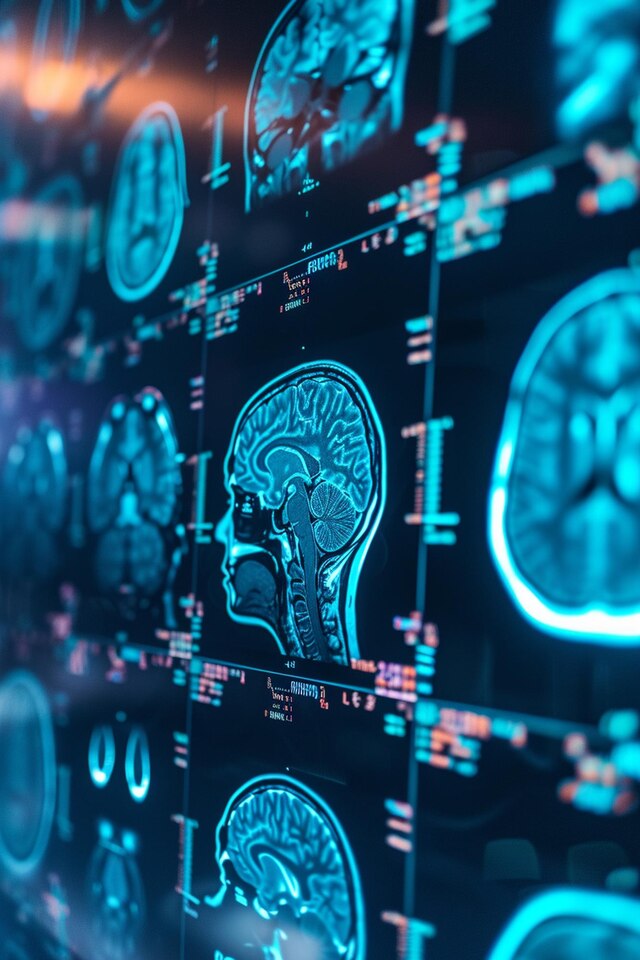
The anxiety spectrum also includes Obsessive-Compulsive Disorder (OCD) and Post-Traumatic Stress Disorder (PTSD). A well-considered diagnosis is important to enable successful treatment, as there are many symptoms in common with other conditions.
EFFECTIVENESS IN TREATMENT
ANXIETY
Solid clinical results with modern, personalised therapeutic approaches
* Data based on clinical studies of the effectiveness of neuromodulation and integrated approaches. Individual results may vary.
Sources: clinical data, Walkup JT et al. (2008), NEJM - CAMS trial: 80.7% response with CBT + sertraline in anxiety disorders; Bandelow B et al. (2015), Eur Arch Psychiatry Clin Neurosci - meta-analysis of effectiveness of treatments for anxiety disorders; APA, PubMed.


IMPORTANCE OF SPECIALISED CONSULTATION
Clinical anxiety is not just a passing "nervousness" and is difficult to overcome with willpower alone. A specialised psychological assessment is the first indispensable step: it makes it possible to detect organic causes, establish a precise diagnosis and design a therapeutic plan that combines emotional support with physiological modulation of the nervous system.
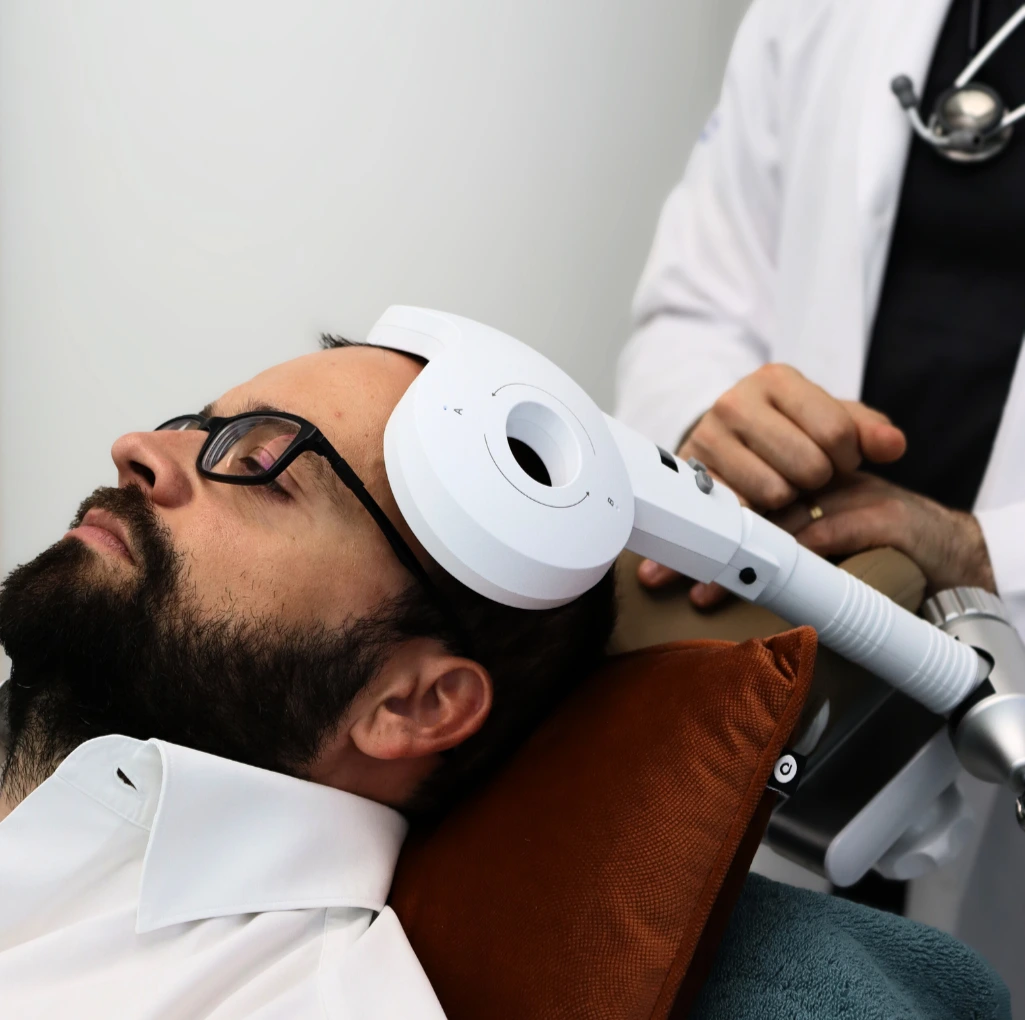
At NeuroPsyque, the consultation integrates a multidisciplinary approach, combining excellent psychotherapy, medication planning and, further down the line, weaning off medication. We also have access to reference interventions such as Transcranial Magnetic Stimulation (TMS), which are very effective in treating anxiety symptoms. Our aim is to restore peace of mind to your life - with clinical rigour and a deeply human approach.
FAQ's on Anxiety
What should I expect at the first assessment appointment?
Can anxiety be cured?
When should I seek professional help?
How can you tell a Panic Attack from ordinary anxiety?
Does neuromodulation (EMT / tDCS) help treat anxiety?
Will I have to take psychiatric medication forever?
How does psychotherapy work with anxiety?
Do I need a doctor's referral to book an appointment?