Skip to content


Anxiety Attack and Fainting: What Happens in the Body
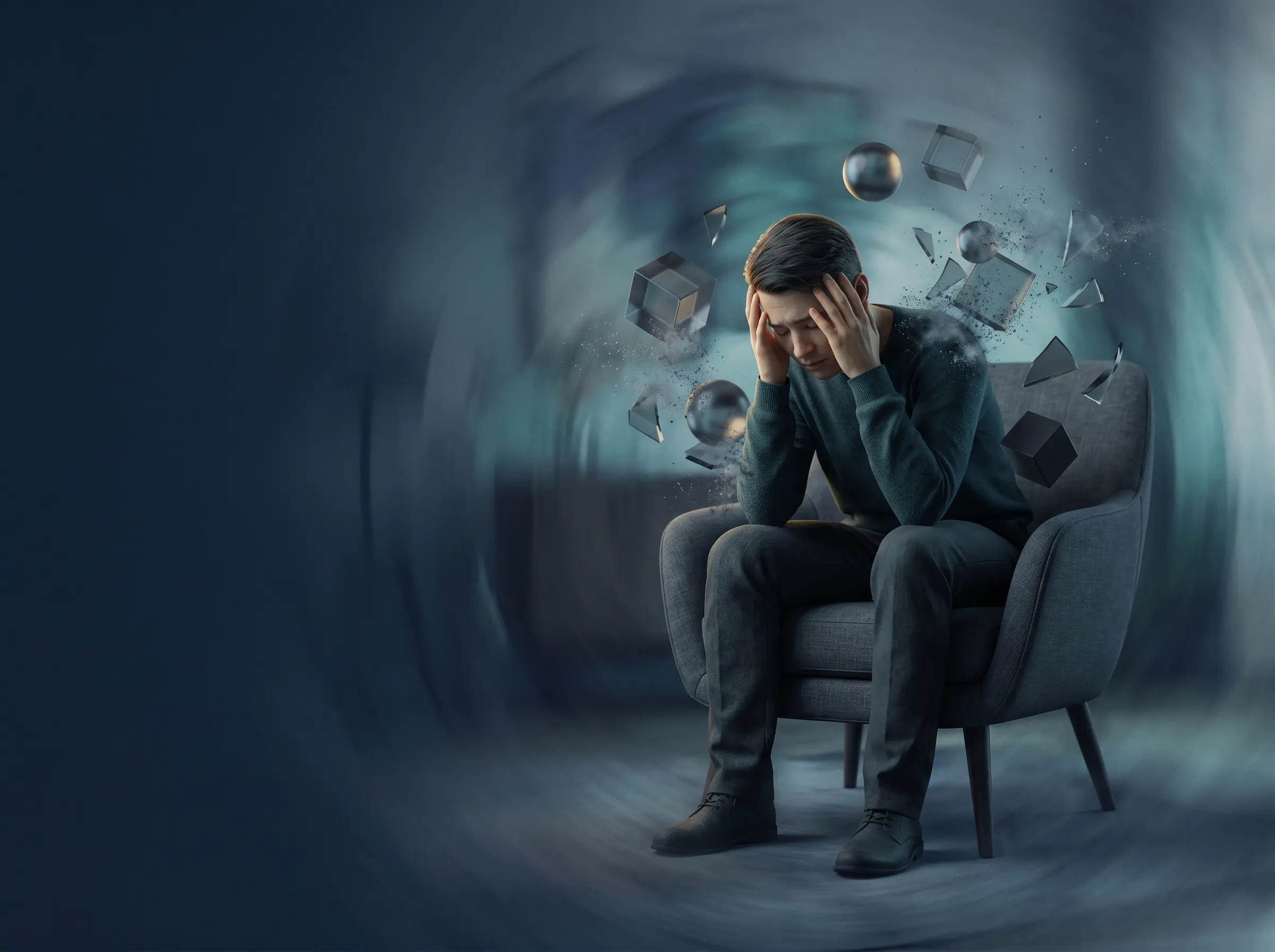
During a anxiety attack or panic, the brain interprets the moment as a threat and activates the “fight or flight”. The sympathetic nervous system triggers adrenaline which increases heart rate and blood pressure - exactly the opposite of what causes a faint.
Fainting (technically called syncope) happens when the brain receives momentarily less blood, usually due to a drop in blood pressure. As in a panic attack, the pressure tends to climb, The body is actually protecting itself against losing consciousness. That's why millions of people have panic attacks without fainting, even though they feel like they're going to fall over.
Why do I feel like I'm going to faint?
The sensation of imminent fainting is one of the most frequent and disturbing symptoms of panic, and it has a clear physiological explanation: the hyperventilation.
When breathing becomes rapid and shallow, you exhale too much carbon dioxide. This drop in CO₂ causes cerebral vasoconstriction - the vessels in the brain contract (tighten) slightly, temporarily reducing blood flow. The result is symptoms that imitate pre-fainting: dizziness, blurred vision, tingling in the hands and face, and weakness in the legs.
A adrenaline also contributes to this sensation: it diverts blood to the muscles, creating a feeling of unreality. The brain interprets all this as a sign of imminent collapse, when in fact it is ready for action.
Feeling like you're going to faint is not the same that he was about to faint. During a panic attack, o heart beats faster and blood pressure rises - two conditions that make fainting unlikely. If you've never fainted during an anxiety attack in the past, it's very unlikely to happen this time.
When Fainting Can Actually Happen: Vasovagal Syncope
There is, however, a important exception.
Some people have a reflex called vasovagal syncope - an inadequate response from the nervous system parasympathetic in which the vagus nerve (which connects the brain to the body's main organs and is responsible for controlling “rest”) is over-activated. Blood pressure falls sharply, The heart rate slows down and the brain runs out of blood for a few seconds.
This response can be triggered by intense emotional triggers - seeing blood, hearing shocking news, feeling extreme fear - or, in some people, during a panic attack. Around one in three adults has at least one vasovagal episode in their lifetime.
Other factors can precipitate fainting in the context of anxiety:
- Hypoglycaemia (low blood sugar) - anxiety reduces appetite, and going several hours without eating lowers blood glucose levels
- Dehydration - especially in hot environments or after intense exercise.
- Standing too long - blood accumulates in the lower limbs, away from the brain and vital organs.
- Excessive heat or enclosed, poorly ventilated spaces.
What to do in times of crisis
If you feel like you're going to faint during an anxiety attack, there are simple gestures that can break the cycle.
- Sit or lie down. If possible, lie down with your legs slightly elevated - this favours the return of blood to the brain and reduces the fear of falling.
- Control your breathing. The technique 4-7-8 is effective: inhale through your nose for 4 seconds, hold your breath for 7 seconds, and exhale slowly through your mouth for 8 seconds. This sequence activates the parasympathetic nervous system and increases CO₂ levels, reversing the effects of hyperventilation.
- Anchor yourself in the present. Identify five objects around you, three sounds you hear, two sensations in your body. This grounding takes the brain out of alarm mode.
If you often feel dizzy in anxious situations, try eat something small and drink water before stress-inducing situations (appointments, trips, exams). A piece of fruit or a glass of water can prevent the combined effect of hypoglycaemia, dehydration and anxiety.
When to seek specialised help
Occasional episodes of anxiety are part of life, but when panic attacks become frequent, unpredictable, or start to affect our daily lives - avoiding transport, leaving the house or certain places - it's time to seek support. In Portugal, around 10% of the adult population has severe anxiety symptoms, including panic attacks, according to recent INE data.
The good news is that the treatment works. A Cognitive Behavioural Therapy (CBT) is the first line, with solid long-term results. When anxiety is associated with dysregulation of brain activity, o Neurofeedback trains the brain to produce patterns more balanced, reducing reactivity to stress. A Transcranial Magnetic Stimulation (TMS) is effective in resistant cases or those associated with depression.
🧠 Key Points to Retain
- Fainting during an anxiety attack is possible, but rare - in 2024, 10% of Portuguese people had severe anxiety symptoms, but the majority never lose consciousness (faint) at any point.
- During panic, blood pressure and heart rate rise. rise, which protects against fainting.
- The feeling of imminent fainting comes mainly from hyperventilation, which reduces CO₂ and constricts the cerebral vessels.
- Vasovagal syncope is the only form in which anxiety can cause actual fainting - it affects around 1 in 3 people at least once in their lifetime.
- Breathing 4-7-8, lie down with legs elevated and grounding sensory help to interrupt the crisis.
- Recurrent panic attacks have effective treatment: CBT, Neurofeedback and EMT are all effective treatment options.
FAQs - Frequently Asked Questions
Can I die during a panic attack?
No. Despite the overwhelming feeling of imminent death, a panic attack is not physically dangerous for a healthy person. The body is prepared for action, not collapse.
Why do my hands and face tingle during the crisis?
This is a classic sign of hyperventilation. The drop in CO₂ alters the chemical balance of the blood. Breathing slowly or applying the 4-7-8 technique resolves this quickly.
If I've already fainted once with anxiety, will it happen again?
Not necessarily. If it was an isolated vasovagal episode, knowing the triggers (heat, fasting, prolonged standing) will help prevent further episodes. Medical assessment is recommended to rule out other causes.
Does taking anxiolytic medication solve the problem?
Anxiolytics can help occasionally, but they don't treat the cause. Combined with psychotherapy or neurotherapies (Neurofeedback, EMT), the long-term results are much better.
When should I go to the emergency room?
If there is persistent chest pain and difficulty breathing, you should seek medical assessment to rule out cardiac or neurological causes.