Skip to content


Is it normal to wake up short of breath?
Waking up several times in the middle of the night with a suffocating sensation. Not being able to take a deep breath. Getting out of bed at three in the morning because your chest is tight. If you've experienced any of these moments, you know how frightening they can be.
Shortness of breath during sleep is more common than it seems, and can indicate very different conditions, but certainly it's not normal. The two most common are sleep apnoea and nocturnal dyspnoea - different situations, with different origins, but which share the same effect: rob your body of the rest it needs.
Sleep Apnoea: Causes and Symptoms
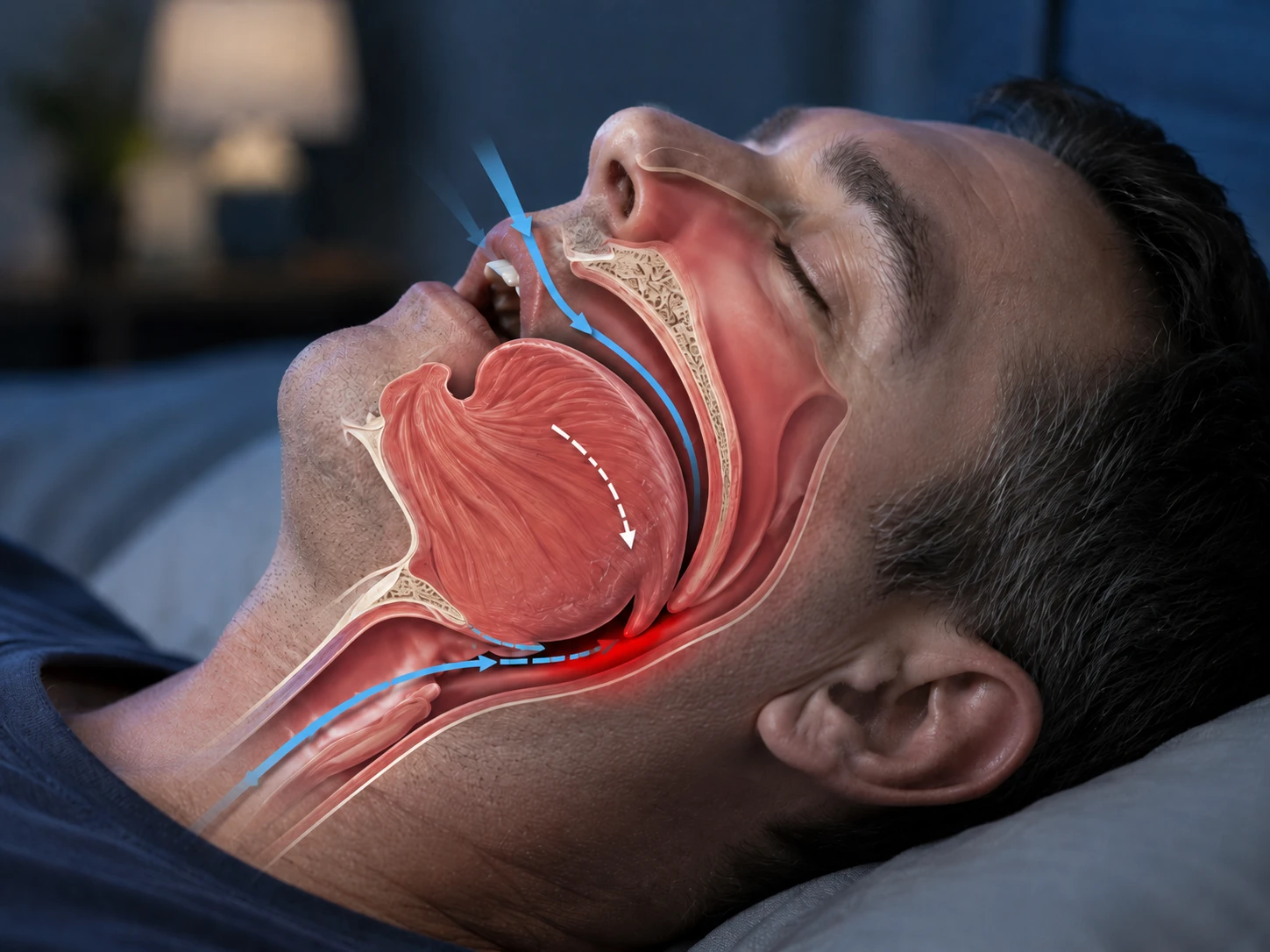
A sleep apnoea is a disorder characterised by repeated pauses in breathing during sleep. These interruptions can last from a few seconds to one (1) or even two (2) minutes and repeat dozens of times a night. In most cases, the person doesn't realise what's happening. It's the person sleeping next to them who realises.
There are two main types. The most common is obstructive sleep apnoea, This occurs when the muscles in the throat relax excessively and block the passage of air. The second is central apnoea, This is a less common problem, where the problem is not in the airway, but in the brain - which fails to send signals to the respiratory muscles.
The most common symptoms include:
- heavy snoring
- feeling tired even after a full night's sleep
- morning headaches
- irritability
- difficulty concentrating
- in some cases, waking up with a choking sensation
Nocturnal Dyspnoea: Shortness of Breath that Wakes You Up Suddenly
A paroxysmal nocturnal dyspnoea is a sudden and intense sensation of breathlessness that wakes you up in the middle of your sleep, often forcing you to sit up or stand up in order to breathe. Unlike apnoea, here the person is fully awake during the episode and feels clearly difficulty breathing.
This form of breathlessness is often associated with heart problems - in particular with heart failure. When lying down, the redistribution of fluids throughout the body increases the strain on the heart and lungs, which can trigger episodes. Nocturnal asthma, chronic obstructive pulmonary disease, and severe anxiety are other possible causes.
Origins and Risk Factors
In obstructive apnoea, the main risk factors include:
- overweight
- anatomical changes in the airways (such as enlarged tonsils or deviated nasal septum)
- ageing
- alcohol consumption before bed
Other causes of breathlessness when sleeping include nocturnal panic attacks, gastro-oesophageal reflux severe and, more rarely, neurological problems which affect the respiratory control centres in the brain.
A underdiagnosis rate of sleep apnoea in Portugal is around 80%The majority of people suffering from this condition have never been assessed - often because the symptoms are mistaken for other conditions. tiredness or stress.
The Diagnosis: Polysomnography and Specialised Assessment
O reference examination for sleep apnoea is the polysomnography - a sleep study that monitors activity cerebral, heart e respiratory during the night. It can be carried out in a specialised laboratory or, in some cases, with portable devices at home.
In the event of suspected nocturnal dyspnoea of cardiac origin, the doctor may indicate electrocardiogram, echocardiogram e blood tests. The correct diagnosis is indispensable: inadequate approaches not only don't solve the problem, but can delay the solution, making it more difficult over time.
Treatments: From CPAP to Neuroscientific Therapies
For moderate to severe obstructive apnoea, the most established treatment is the CPAP (Continuous Positive Airway Pressure) - a device that keeps the airways open during sleep through a constant flow of air. In milder cases, lifestyle changes - losing weight, avoiding alcohol at night, sleeping on your side - or the use of specific dental appliances may suffice.
No field of neuroscience, o Neurofeedback has been explored as a complement in the treatment of sleep disorders - training the brain to regulate the brain rhythms associated with sleep phases, without medication. For nocturnal dyspnoea of cardiac origin, treatment involves controlling the underlying condition and may include specific medication and, in some cases, oxygen therapy.
🧠 Key Points to Retain
- Shortness of breath when sleeping can have many different causes - obstructive apnoea, heart problems, severe anxiety or neurological causes.
- In apnoea, breathing pauses occur without the person realising it; the effects appear during the day in the form of fatigue, irritability and cognitive difficulties.
- Nocturnal dyspnoea wakes you up with an intense feeling of suffocation and is often linked to heart failure.
- The diagnosis of choice for apnoea is polysomnography - a sleep study carried out in a specialised laboratory.
- Treatment varies depending on the cause: CPAP, lifestyle changes, neurofeedback or control of the underlying heart condition.
- Any recurrent episode of shortness of breath during sleep deserves specialised medical assessment - the sooner, the better.
FAQs - Frequently Asked Questions
Is snoring always a sign of sleep apnoea?
Not necessarily. Snoring is common, but it doesn't always mean apnoea. It is estimated that 80% of people who snore have sleep apnoea. What distinguishes apnoea from simple snoring are the pauses in breathing and their effects on everyday life - persistent sleepiness, lack of concentration and irritability.
Can sleep apnoea be confused with anxiety?
Yes, waking up in the middle of the night agitated and feeling suffocated can happen both in panic episodes as in apnoea. Polysomnography and a careful clinical assessment help to differentiate the causes.
Is nocturnal dyspnoea an emergency?
Sudden, intense episodes of breathlessness during sleep, especially if accompanied by chest pain or cold sweats, should be assessed urgently. If they occur for the first time or with unusual intensity, seek medical attention immediately.
Is it possible to have apnoea without snoring?
Yes. Some people - particularly women - have apnoea without obvious snoring. Symptoms such as persistent fatigue, morning headaches and difficulty concentrating should not be ignored even in the absence of snoring.