Skip to content



STRESS AND MENTAL FATIGUE - Treatment in Lisbon
Neuropsychological assessment and regulation of the nervous system in Lisbon
WHAT IS MENTAL FATIGUE?

Continuous brain and mind overload
Chronic stress and mental fatigue occur when the brain is subjected to a continuous demand of stimuli and worries, without adequate recovery time. This prolonged state of alert ("fight or flight") maintains high levels of cortisol, depleting neurochemical reserves. The result is profound cognitive exhaustion, which affects all areas of the individual's life.
Most common manifestations
- Brain FogFeeling "heavy headed", difficulty concentrating, slow thinking and frequent short-term memory failures.
- Physical and Psychosomatic TensionTension headaches, jaw clenching (bruxism), constant shoulder/neck tension and digestive changes.
- Emotional hypersensitivityFeeling "short-tempered", easily irritable, demotivated or wanting to cry when faced with small daily obstacles.
- Insomnia and difficulty switching off"Even when exhausted, the brain continues to accelerate at night, resulting in superficial, fragmented and non-restorative sleep.
TRIGGER FACTORS AND NEUROBIOLOGY
Cognitive Overload
Too many simultaneous tasks, alerts, notifications and digital hyperconnectivity quickly deplete the energy of the prefrontal cortex (responsible for decision-making).
BehaviouralChronic Worry (Rumination)
The constant anticipation of future problems keeps the amygdala (the fear centre in the brain) in a constant state of hyperactivity.
PsychologicalCortisol dysregulation
The continuous and high release of "stress hormones" alters the functioning of brain networks, induces neuroinflammation and depresses the immune system.
NeurobiologicalLack of Active Recovery
The absence of genuine moments of disconnection and real rest leads to a silent and dangerous accumulation of nervous system exhaustion.
Lifestyle
Unmanaged mental fatigue is often the gateway to more serious pathologies such as severe anxiety disorders and depression.
EFFECTIVENESS IN THE TREATMENT OF STRESS AND FATIGUE
Consistent clinical results with neuromodulation and neurocognitive intervention
* Recovery requires interventions that actively teach the brain to transition from a state of chronic alarm (burnout) to a mode of rest and regeneration.
Sources: clinical data, Neurofeedback trials for chronic fatigue and stress (CMP); Trauer et al. (2015) - CBT-I meta-analysis; neurocare group - Combined effectiveness of EMT + psychotherapy; EMT success rates in relieving refractory symptoms.






THE IMPORTANCE OF STOPPING AND RECALIBRATING
Rest is more important than it seems. What we call "stress", which basically means overload, Stress, unfortunately, is increasingly present these days. At some point in our lives, we've all had moments of extreme stress in which there's practically no rest. This is normal.
The problem is chronicity - the prolongation of the source of stress, combined with the body's inability to "repair" itself through rest. It's important to know that mental fatigue is a neurobiological condition with implications in all spheres of life, including brain structure. Prolonged stress and fatigue cause systemic inflammation (throughout the body), reduce the volume of vital brain areas (such as the hippocampus, linked to memory) and have a huge impact on longevity. Stress, especially intense and prolonged stress, is associated with all the drivers of ageing and decline in biological functions.
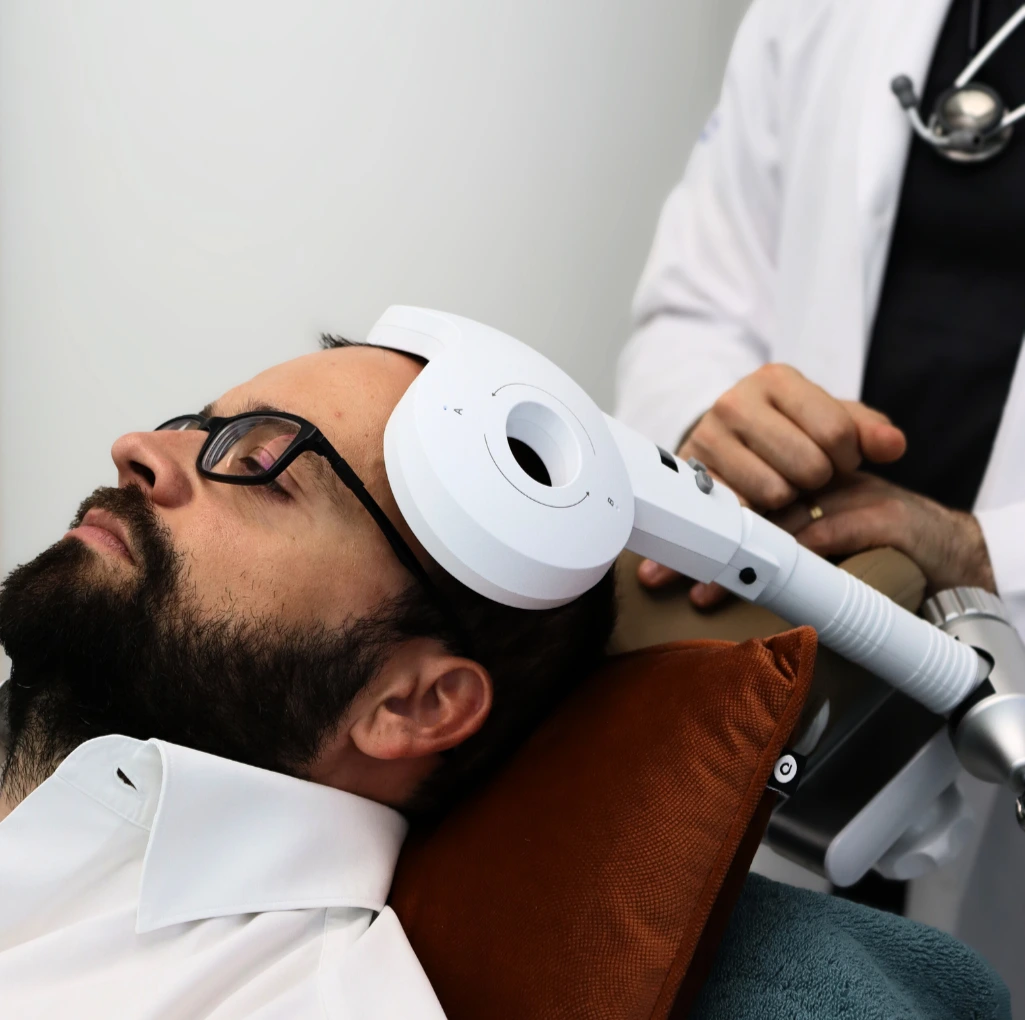
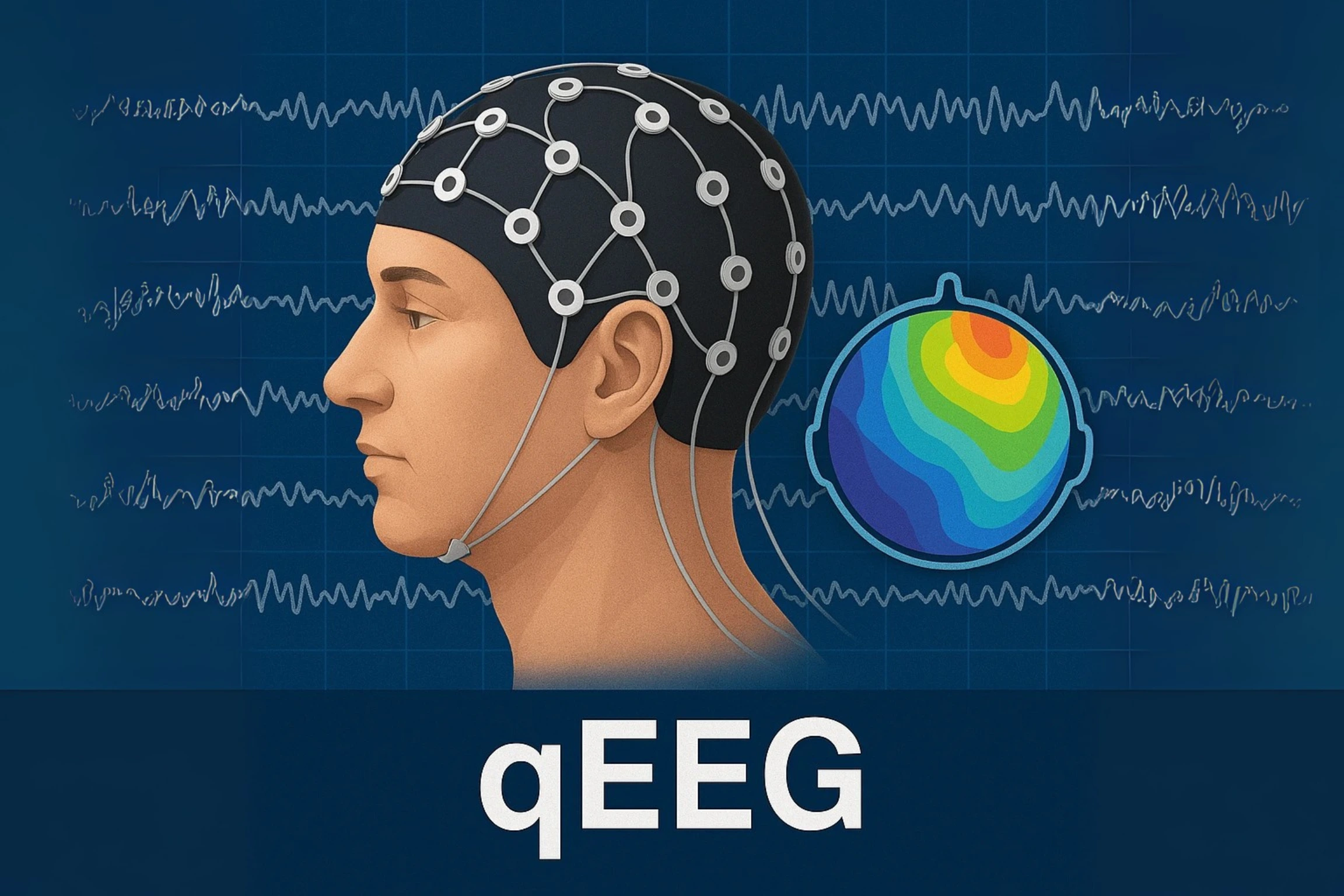
At NeuroPsyque, we approach stress and mental fatigue as symptoms. The focus is on treating the cause of the problem. We combine neuropsychological assessment with Cognitive Behavioural Therapy (CBT) approaches and non-invasive neuromodulation (such as Transcranial Magnetic Stimulation). The aim is to stabilise your nervous system and recover your intellectual capacity, but above all, to recover your energy and well-being in everyday life, in a lasting way.
FAQ's on Stress and Mental Fatigue
What's the difference between mental fatigue and burnout?
How do you know if it's just normal tiredness or something that requires consultation?
Can prolonged stress affect my memory?
Does treatment always require the use of medication?
Do Neuromodulation therapies help treat mental fatigue?
Is it possible to regain the ability to concentrate that you had before?
Can mental fatigue develop into a more serious disorder?