Skip to content


A Profession that Cares Where Others Don't
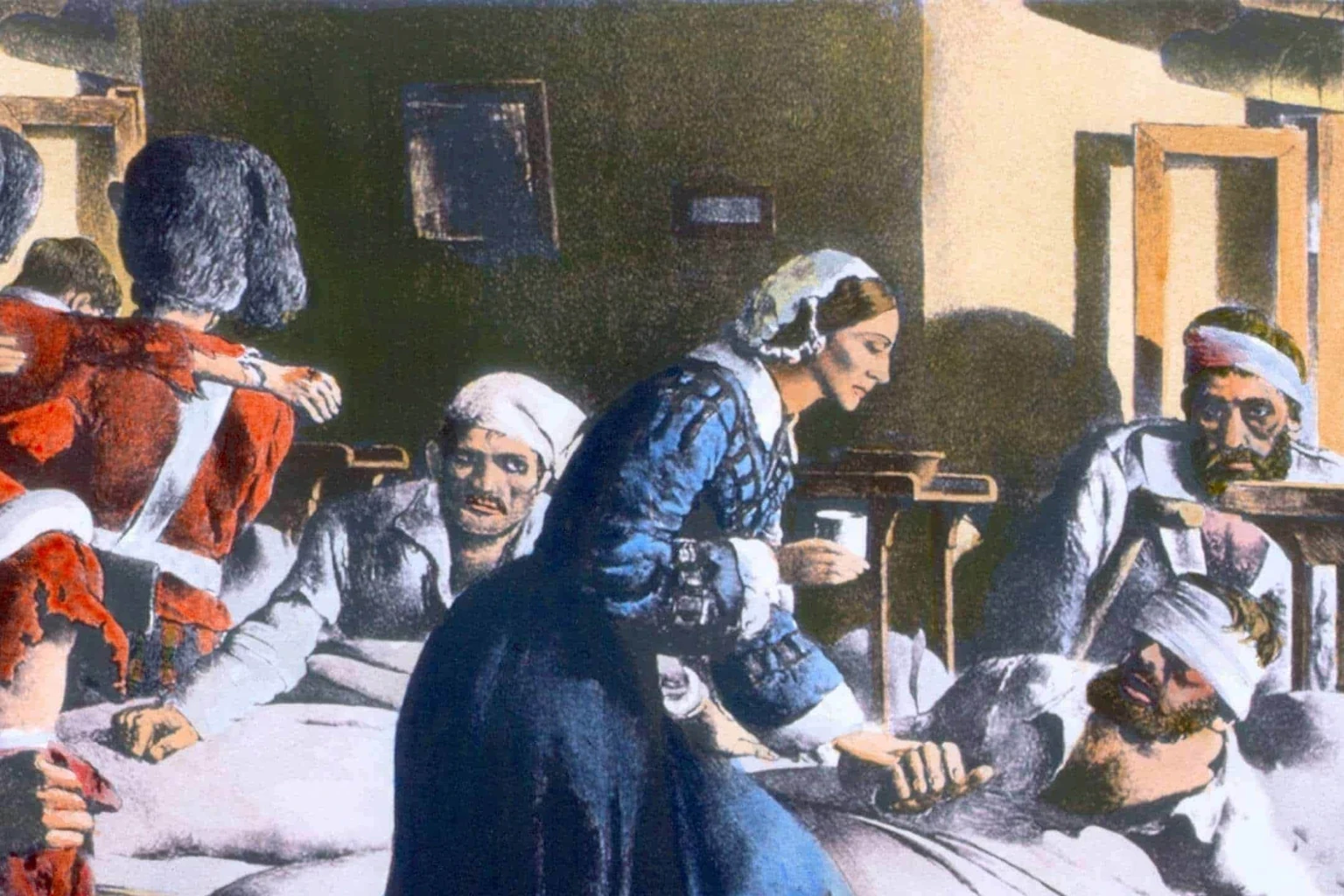
12 May is not just any date in the health calendar. It's the anniversary of Florence Nightingale - the pioneer who, in the 19th century, transformed nursing into a profession based on rigour, observation and compassion. Today we celebrate International Nurses Daya chance to recognise those who are on the front line of human care every day.
But recognising is not enough. You have to understand what this profession demands: its costs and sacrifices.
What Science Says About Caring for Others
Caring is one of the most neurobiologically demanding human activities. Nurses operate in an environment of high emotional load, quick decisions and constant exposure to the suffering of others - conditions that persistently activate the stress axis in the brain.
Neuroscience research shows that prolonged exposure to situations of intense pressure can alter the regulation of limbic system - the brain region involved in emotions - and increase the risk of burnout, anxiety e sleep disorders.
O burnout in health professionals is not just an individual problem: it's a systemic problem, This affects workplaces and the healthcare system as a whole. This has direct consequences for the quality of care provided to patients. Recognising the signs of burnout is the first step to taking action.
Empathy Has a Cost
Have you ever heard of a phenomenon called compassion fatigue? This phenomenon describes the emotional exhaustion that results from repeatedly caring for people in pain. This fatigue, and the “Hardening” of emotions, It's not indifference.
It's a natural protection mechanism. It's often an inevitable cost of constant exposure to pain and negative emotions.
Nurses know better than anyone what it's like to be being there in the most difficult times of another person's life: a serious diagnosis, a surgery, a farewell. This presence has an immense value that is impossible to quantify.
On the other hand, there is this burden of memories and emotions that many professionals carry, which gets heavier over time. This burden is easily forgotten by outsiders.
Conclusion
If you are a healthcare professional, or have people close to you who are, and you recognise signs of burnout (difficulty switching off, sleep disturbances, irritability or feeling empty) seek specialised support. Taking care of yourself isn't selfish: it's a prerequisite for continuing to take care of others and those close to you.
Congratulations, and thanks to all the nurses and carers!