 Skip to content


Stimulation of theVagus Nerve
Non-surgical neuromodulationLisbonVagus Nerve Stimulation (taVNS) is a medical technology used to regulate the autonomic nervous system. It is used to treat neuropsychological conditions, such as anxiety and pathological chronic stress, as well as symptoms such as chronic pain. It acts directly on the body’s main nerve: the vagus nerve.
 Tecnologia taVNS




What is vagus nerve stimulation?
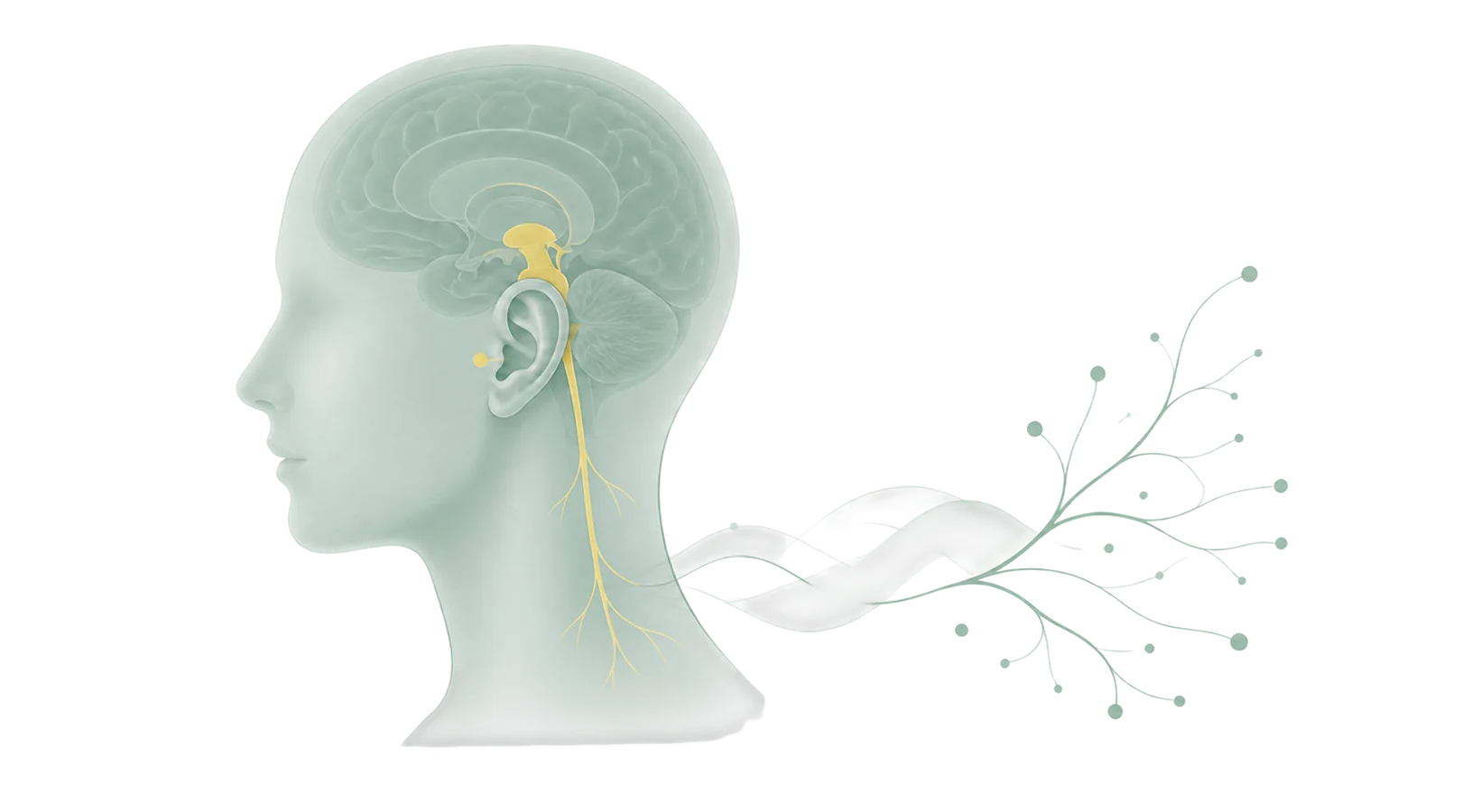
The nerve that connects the brain to the bodyThe vagus nerve is the longest nerve in the human body and acts as a link between the brain and various vital organs. It plays a central role in the functioning of the autonomic nervous system — the system that regulates functions such as heart rate, digestion and the stress response.
 Stimulation of the ear
Brainstem
Vagus nerve
The body’s responsealert ↔ recovery
Stimulation of the ear
Brainstem
Vagus nerve
The body’s responsealert ↔ recoveryStimulation of the ear with effects throughout the body.
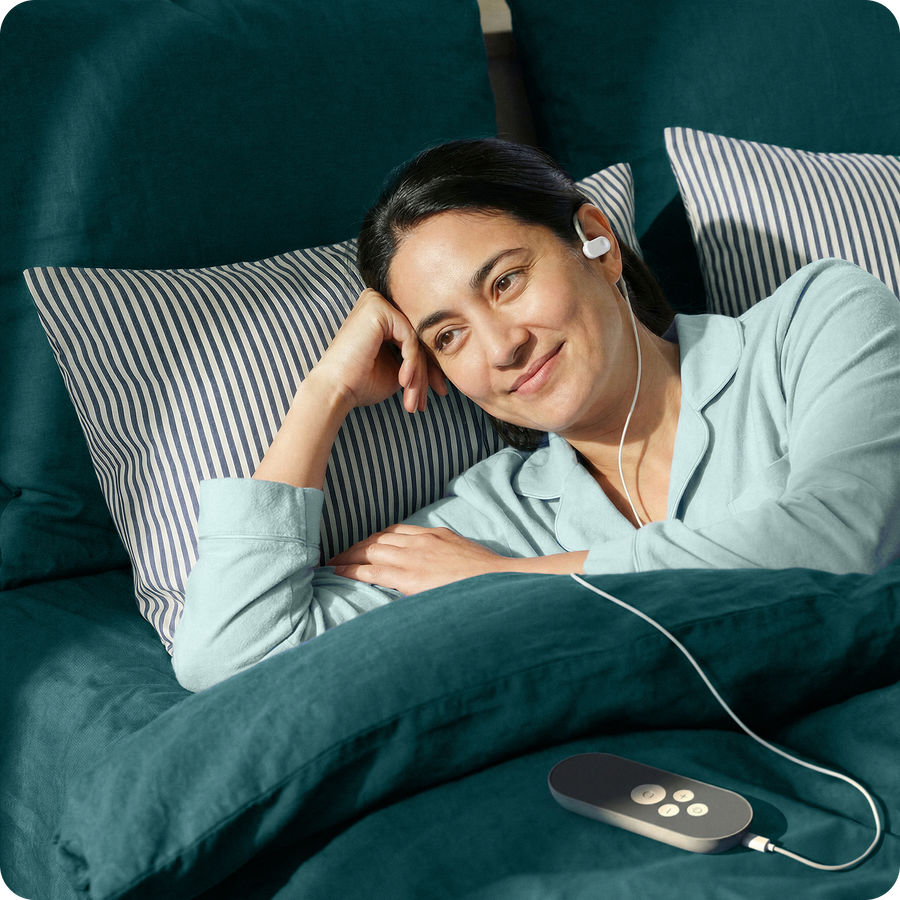
In taVNS, an electrode is placed on the tragus — the small protrusion at the entrance to the ear — and gentle pulses are applied which travel to the vagus nerve. The signal then travels internally along this nerve pathway to the brainstem.
From there, the signal travels along the vagus nerve to the main organs — the heart, lungs and digestive system — helping to regulate the body’s automatic response. The aim is to support a balance between the responses friendly (alert) and parasympathetic (rest and recovery) — do not suppress or “switch off” emotions.
This stimulation is transcutaneous: it is carried out through the skin, without an implant and without surgery.
For those who are constantly on edge, have trouble sleeping or feel they no longer recover as well as they used to
It may be worth considering treatment with tDCS when certain symptoms recur, interfere with daily life, and call for a broader clinical approach than medication alone...
The body does not slow down or take time to realise that the "danger" has passed
Tension, restlessness or a state of alertness that takes a long time to subside, even when there is no longer any immediate demand.
Sleep does not restore energy: it is not very restorative
Difficulty falling asleep, waking up during the night, or mornings that begin with tiredness and little chance to recover.
The stress begins to take over the day and builds up over time
Prolonged stress, fatigue or a reduced ability to adapt begin to affect one’s concentration, daily routine or relationships.
Symptoms persist that call for a holistic view of the body and mind
Pain or other persistent symptoms warrant an assessment of the causes and whether treatment is required that addresses the actual root cause of the problems, rather than just the symptoms.
These signs do not confirm a diagnosis. The response varies from person to person, and this approach is not a substitute for a diagnosis or clinically indicated treatments.
Conditions that may benefit from taVNS
The effects of vagus nerve stimulation on autonomic regulation, the stress response and inflammatory pathways have been tested and successfully applied in the following conditions and clinical scenarios:
- Anxiety and chronic stress
- Depression and persistent mood swings
- Insomnia and sleep disorders
- Chronic fatigue syndrome (ME/CFS)
- Post-viral fatigue and Long COVID
- Dysautonomia and POTS
- Fibromyalgia and chronic pain
- Irritable bowel syndrome and functional dyspepsia
- Inflammatory and autoimmune conditions
- Persistent difficulties with attention and executive control
- Intolerance to exertion and slow physical recovery
- Cardiovascular changes with an autonomic component
The strength of the evidence and the response to treatment vary between conditions and between individuals. taVNS is used as a complementary treatment, on an individualised basis and within a clinical setting. If in doubt, book an assessment appointment.
The most common reasons why people seek neuromodulation
The vast majority of people do not turn to neuromodulation out of curiosity. Most seek these solutions after years of side effects, incomplete responses to their condition, and dissatisfaction with numerous attempts that have failed to bring about the expected recovery. When you do everything that is recommended, you are supposed to see improvements. Here are the reasons we hear most frequently in the clinic:
- The side effects prevented me from continuingThe medication might have made sense in theory and provided some relief, but my body couldn’t tolerate it. The discomfort and the impact on my daily life made it impossible to continue with the treatment.
- The medication didn’t work — or had stopped workingThere was little response from the outset, or the benefits gradually diminished over time, leaving the feeling of always coming back to square one.
- Do you want to avoid starting with medication?Before starting any medication, try to find out whether there are any lower-risk alternatives, so as to avoid any potential side effects and the risk of dependence associated with certain medicines.
- There is already an addiction and a real cost to healthMedication has gone from being a source of support to a cause for concern: there are signs and a fear of not being able to function without it, and consequences that are already being felt in the body, the mind and, consequently, in daily life.
- Psychotherapy, on its own, is not enoughUnderstanding thoughts and patterns of behaviour is important, but it is not always enough to regulate a physiological (physical) alarm response that remains active and even hinders therapeutic progress.
- Chronic illness has already led to far too many attemptsConsultations, tests and treatments have piled up without any sustained improvement. The person is looking for a complementary approach that takes a holistic view of the body’s regulation (in an integrated way).
- The aim of functioning better, even without a medical conditionAthletes, professionals experiencing high levels of mental strain (including healthcare workers), students, and parents are looking for ways to support their recovery, performance and ability to be mentally present in different areas of their lives.
These reasons warrant a consultation with a clinician — they do not confirm a referral. Neuromodulation does not automatically replace medication, psychotherapy or other treatments. Never alter or stop taking your medication without guidance from the professional managing your case.
How is stimulation carried out in practice?
O dispositivo aplica o estímulo at the single point on the entire surface of the human body where the vagus nerve can be accessed and stimulated without the need for surgery.
The external electrode is placed next to the ear. The part that remains in the ear it shouldn't hurt.
The intensity is gradually increased until a noticeable but comfortable sensation is felt. The procedure should be carried out whilst at rest (but never whilst asleep).
The treatment can help you relax and reduce inflammation, but much of the lasting change comes from neuroplasticity — the brain’s ability to reorganise itself, a process that takes time. You don’t have to feel the effects straight away: many people notice results eight weeks after starting.
response to the challenge
recovery
A long-lasting solution that adapts as your needs change
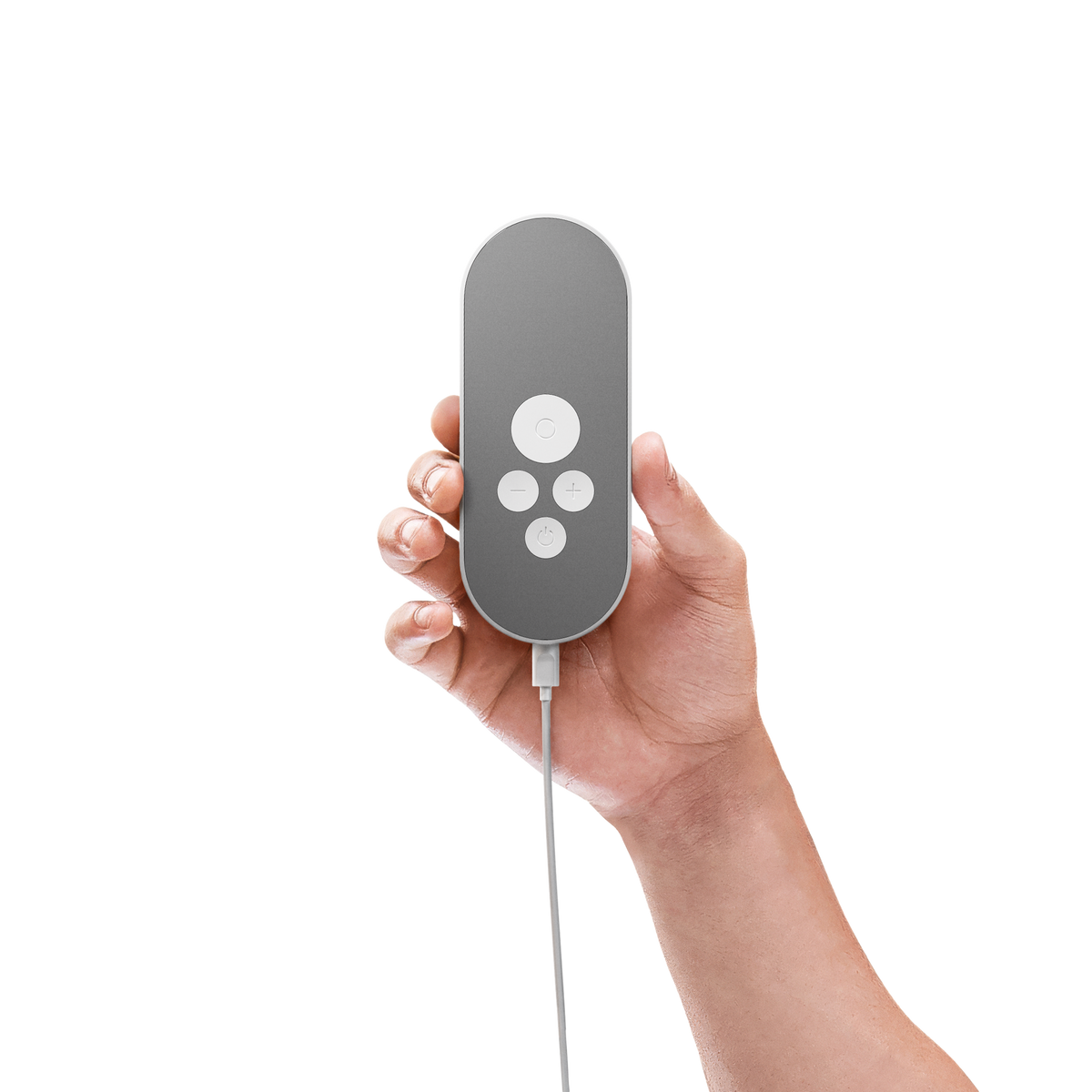
At NeuroPsyque, the device is integrated as a complement to a clinical plan — during a consultation, whilst undergoing other treatments, or at home, where applicable.
- Assess suitability and safetyThe first step is the assessment consultation. During this consultation, we review your medical history, taking a comprehensive look at various aspects of your health.
- Set out the planParameters (intensity), frequency (number of sessions per day/week) and sessions generally lasting between 15 and 60 minutes.
- At the clinic and at homeThe protocol can be used alongside psychotherapy, neurofeedback and other forms of therapy (where prescribed), and can also be carried out at home.
- Re-evaluate and adjustClose monitoring of progress, with periodic adjustments to the protocol in order to maximise results.
What the figures from more than 60 international studies reveal
Results compiled by Nurosym®The following observations were made during the ongoing investigation:
How to interpret: These figures are taken from different studies, each with their own specific populations, durations, methods and objectives. They do not constitute a promise of individual benefit or a guarantee of effectiveness, but are merely indicators of therapeutic potential. You can have all your questions answered during a consultation.
Not everyone is a candidate
Even though this is an effective treatment with a very low incidence of side effects, you should not start treatment without medical supervision and guidance.
Technology is no substitute for clinical judgement.
A clinical assessment enables us to determine whether it is safe and appropriate for your case. First, we understand the case. Only then do we decide whether the technology could be the solution.
Possible sensations during or after the sessions
- A tingling sensation or discomfort at the application site
- Redness or irritation of the skin inside the ear
- Occasionally, nausea, headache, feeling unwell or weakness
At your appointment, you should tell the doctor about...
- Pregnancy or a history of cervical vagotomy
- Severe bradycardia
- Pacemaker, cochlear implant or other implanted active device
- Severe coronary heart disease or a recent heart attack
- Paediatric use, which requires appropriate clinical guidance
Important information: This is a summary list and is not exhaustive. Always inform the team of any medical conditions, pregnancy, medication, previous operations, implants and medical devices. The good tolerability observed in studies does not rule out adverse effects, contraindications or variability in individual responses.
The technology that sparked curiosity in “Immortal”
Estimulação do Nervo Vago vista na Netflix“I place a small electrode in the ear, which stimulates the autonomic nervous system and aims to make the body more parasympathetic, more relaxed.”Watch on Netflix ↗
This feature shows Bryan Johnson’s personal use of the product. It does not constitute a recommendation by Netflix or an endorsement by NeuroPsyque.


How do assessment and treatment work at NeuroPsyque?
From clinical referral to follow-upAt NeuroPsyque, we start from a simple principle: treating a person requires understanding them as a whole, and not just their symptoms.
Incorporating different specialisms into our care enables us to view the body, the mind and the clinical history as parts of the same reality.
Because, however convenient and helpful it may be to treat them as separate, they are one and the same reality.
Our professionals are committed to finding solutions every day that tackle the root causes of problems and deliver lasting results, rather than simply alleviating discomfort (suffering, pain) in the short term.
Today’s medical technology opens up new possibilities, but it is the personal touch during consultations that gives them meaning and reassurance.

That is why our consultations last around 45 minutes: taking the time to listen allows us to uncover and pay attention to details that are so often overlooked in a rushed medical setting.
And these details often prove to be indispensable.
It is from this time, this listening and this rigour that a well-considered diagnosis and a treatment plan truly tailored to each individual emerge.
Se ainda não tem um diagnóstico conclusivo que reflete com precisão o que o(a) incomoda, ou já tem um diagnóstico mas não está satisfeito(a) com os resultados dos tratamentos que já realizou, saiba que quanto mais precoce é o diagnóstico acertado, e mais atempado é o tratamento das causas reais dos seus problemas, melhores são as suas perspetivas de recuperar a sua energia e o seu bem-estar como um todo.
Because, as well as relieving “pain”, that is our aim: for you to enjoy physical and mental wellbeing.
At NeuroPsyque, the initial assessment is always carried out by a specialist in neuropsychiatry — in the vast majority of cases, as this is the specialism that offers the most comprehensive understanding of the body and mind as a whole — or by a psychologist, depending on the specific circumstances (such as the existence of a previous diagnosis, amongst other factors).
The consultation is the ideal time to clarify any questions you may have about the technique, expected results and how you might feel during the sessions, ensuring that you feel completely at ease and confident when you start the treatment.
Get in touch with us and we’ll answer any questions you may have.

A single technology, integrated across a range of clinical settings
The method and timing of use depend on the specific therapeutic aim in your case. The team will discuss with you the context in which stimulation is likely to yield the best results, and how to fit it into your routine and responsibilities. taVNS can be combined with various therapeutic methods:
Psychiatry, Psychology and Clinical Neuropsychology
Greater availability for therapeutic workIt may help to reduce the physiological hyperarousal that hinders clinical work.
Neurofeedback and other forms of neurotherapy (EMT, tDCS)
A more stable state for brain trainingIt can be used before or during a workout to support self-regulation.
Integrative Medicine, and Stress and Cognitive Load Management
Supports recovery and bodily homeostasis (balance)It can be incorporated into treatment plans for stress, fatigue, pain and autonomic dysregulation.
Nurosym®: why users trust it (and us at NeuroPsyque) in this technology
Selected technology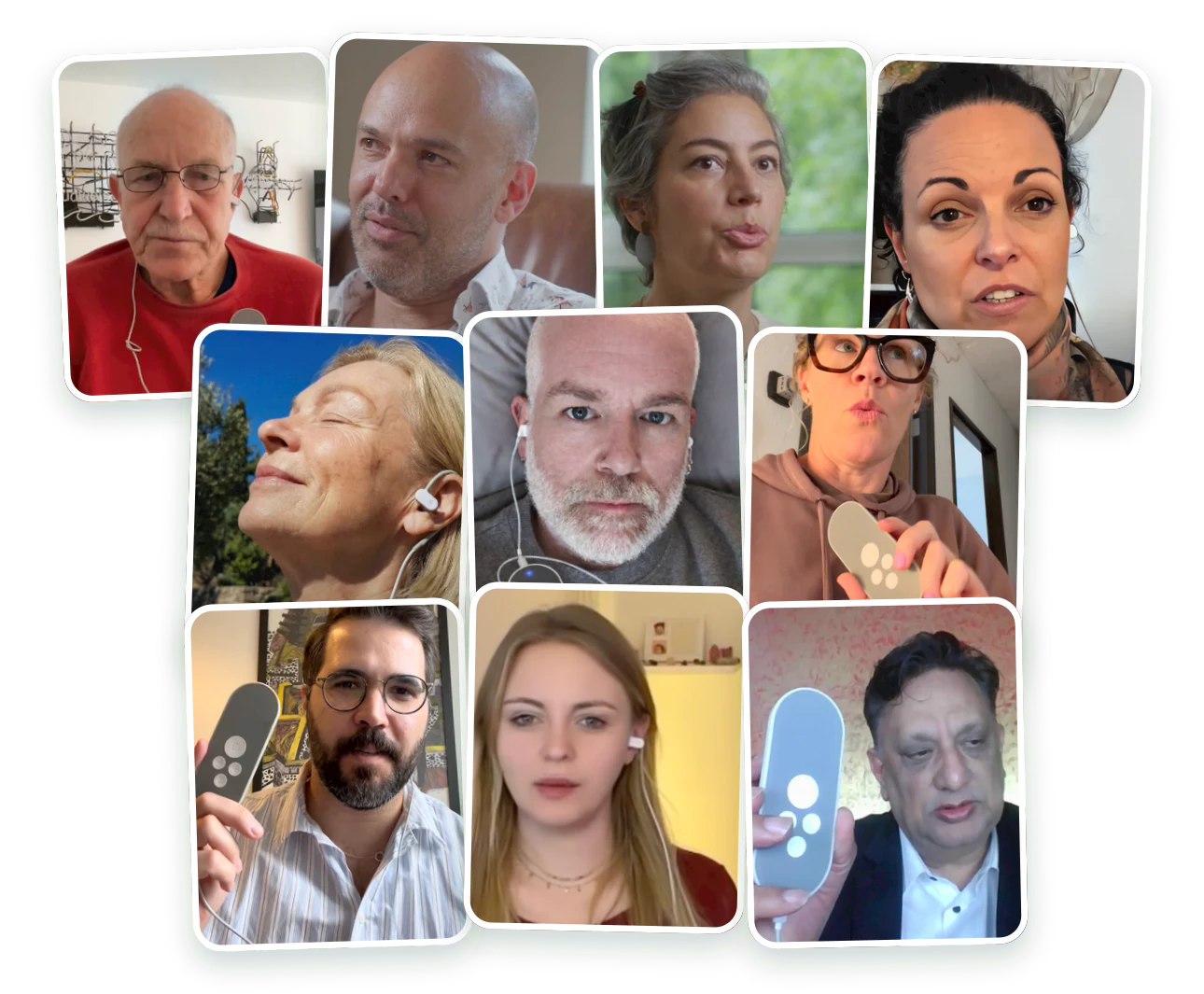
The following testimonials were provided by users of vagus nerve stimulation technology. The video testimonials can be found on the Nurosym® website, and the written testimonials were taken from the Trustpilot® public reviews site:
“After nine months, I feel at least 80% better. The fatigue and brain fog have almost disappeared, and I’m back to leading a normal life.”
“My anxious thoughts, high stress levels and seasonal low mood have gone; I’m able to manage them much better. I sleep better and feel better.”
“At first I was sceptical, but I’d reached the point where I was willing to try anything. I was pleasantly surprised by the difference that taVNS made to me. I’d encourage anyone who’s tried everything else to give it a go.”
“The device is really easy and practical to use and fits into any routine. It was helpful to receive guidance on how often to use it during the first ten days; given that the issues one is seeking to address are unique to each individual, some trial and error is required. I was recently diagnosed with a complex, long-term health condition, and my aim was to improve my gut health, immune system, sleep and heart rate variability (HRV). Even after just two weeks of use, my HRV and sleep have improved noticeably according to the metrics from my wearable device. I plan to use taVNS in the long term and hope to maximise my quality of life and keep my health issues under control.”
A free translation of testimonials in English published by Nurosym® and on the Trustpilot® website. These are individual experiences and do not represent guaranteed results.
Vagus nerve stimulation: frequently asked questions
Safety, contraindications, treatment sessions and clinical follow-up in Lisbon.
A estimulação do nervo vago dói?
No. The sensation is usually described as a gentle, constant tingling. The intensity should remain comfortable. Pain, a burning sensation or persistent discomfort are reasons to stop the session and contact the team, or to let them know if you are having the session at the clinic.
Posso fazer estimulação do nervo vago se tiver pacemaker ou outro implante médico?
Não deve fazer estimulação do nervo vago com um dispositivo ativo implantado, como pacemaker, implante coclear, shunt cerebral ou estimulador invasivo (implantado) do nervo vago sem indicação médica expressa. Informe sempre a equipa sobre qualquer implante.
Can I have taVNS if I’m taking antidepressants, anti-anxiety medication or other medication?
In many cases, taVNS can be incorporated as a complement to medication or other treatments. Compatibility depends on the clinical presentation. Please inform the team of all medicines and supplements you are taking, and never reduce or stop taking any medication without the advice of the healthcare professional managing your case.
Quem não deve usar Nurosym® especificamente? Quais são as contraindicações?
According to the the manufacturer’s safety guidelines and the underlying medical principles, there are contraindications such as a previous cervical vagotomy, severe bradycardia, pregnancy and permanent metallic or electronic devices or components near the tragus. People with active implanted devices, severe coronary heart disease, a recent heart attack or other relevant conditions require specific assessment and approval before the use of this product can be considered.
Posso fazer estimulação do nervo vago em casa?
Sim, quando essa utilização faz parte do plano e recebeu instruções sobre colocação, intensidade e sinais de alerta. Deve ser usado num ambiente controlado, enquanto acordado e atento às sensações; não deve ser realizada durante o sono ou exercício.
What is the difference between invasive and non-invasive vagus nerve stimulation?
A estimulação invasiva utiliza um gerador implantado em cirurgia. A taVNS é aplicada externamente através da orelha, sem implante e sem cirurgia. O Nurosym®, dispositivo utilizado na NeuroPsyque, pertence à modalidade transcutânea auricular não invasiva.
What is vagus nerve stimulation used for?
taVNS is used in contexts relating to autonomic regulation (of the autonomic nervous system), anxiety and stress, sleep, pain and fatigue, amongst others. You can explore and learn more about NeuroPsyque’s approach to stress and mental fatigue, to the sleep problems and insomnia and to the treatment of chronic pain here on the website, or by contacting us to book an appointment.
What are the possible side effects of taVNS?
The most commonly reported side effects are generally mild and temporary: a tingling sensation, discomfort or redness in the ear and, less frequently, a headache. A systematic review on the safety of taVNS This document summarises the adverse events reported in clinical trials. If an unexpected, severe or persistent effect occurs, you should stop using the product and seek clinical advice.
Does vagus nerve stimulation replace medication or psychotherapy?
It is not an automatic substitute. Where clinically appropriate, it can complement the Psychology and Neuropsychology, o Neurofeedback, a Physiotherapy or the Health and Wellness Consultation, amongst other methods. Any change to the current plan must be based on a careful clinical reassessment.
How long does a session last, and how often does it take place?
Sessions usually last between 15 and 60 minutes. The duration, frequency, intensity and time of day depend on the objective, the individual’s tolerance and the protocol established for each person.
How long does it take for vagus nerve stimulation to take effect?
There is no one-size-fits-all timeframe. Some people notice changes sooner; others need to use the product consistently and make adjustments over several weeks before they feel the first significant results. It is also possible that there may be no response at all, so progress should be monitored closely.
Do taVNS or Nurosym® guarantee results?
No. No form of treatment can guarantee results. Research is still evolving, and the evidence is not equally robust for all indications (conditions). An individual’s response cannot be predicted or guaranteed. The Nurosym® scientific evidence library It allows you to consult studies and their respective populations, but the published results are no substitute for an individual assessment.
Where can I have vagus nerve stimulation in Lisbon?
NeuroPsyque carries out assessments and follow-up for vagus nerve stimulation in Lisbon, at Rua Dr. Bastos Gonçalves, 5B, ground floor. Please see the contact details, location and how to book an appointment. The consultation is intended to confirm safety, the overall context and the next steps.
Do I need a doctor's referral to book an appointment?
No. You can book an initial assessment appointment directly, without a referral from a doctor. During this appointment, the team will review your case, assess safety and determine whether the treatment is suitable for you.
Consider whether this approach might make a difference to you
Book an assessment at NeuroPsyque. We’ll listen to your story, answer any questions you may have and thoroughly assess the safety and suitability of vagus nerve stimulation as part of your treatment.
in Lisbon Book an appointment