Skip to content



The Most Common Physical Symptoms of Grief
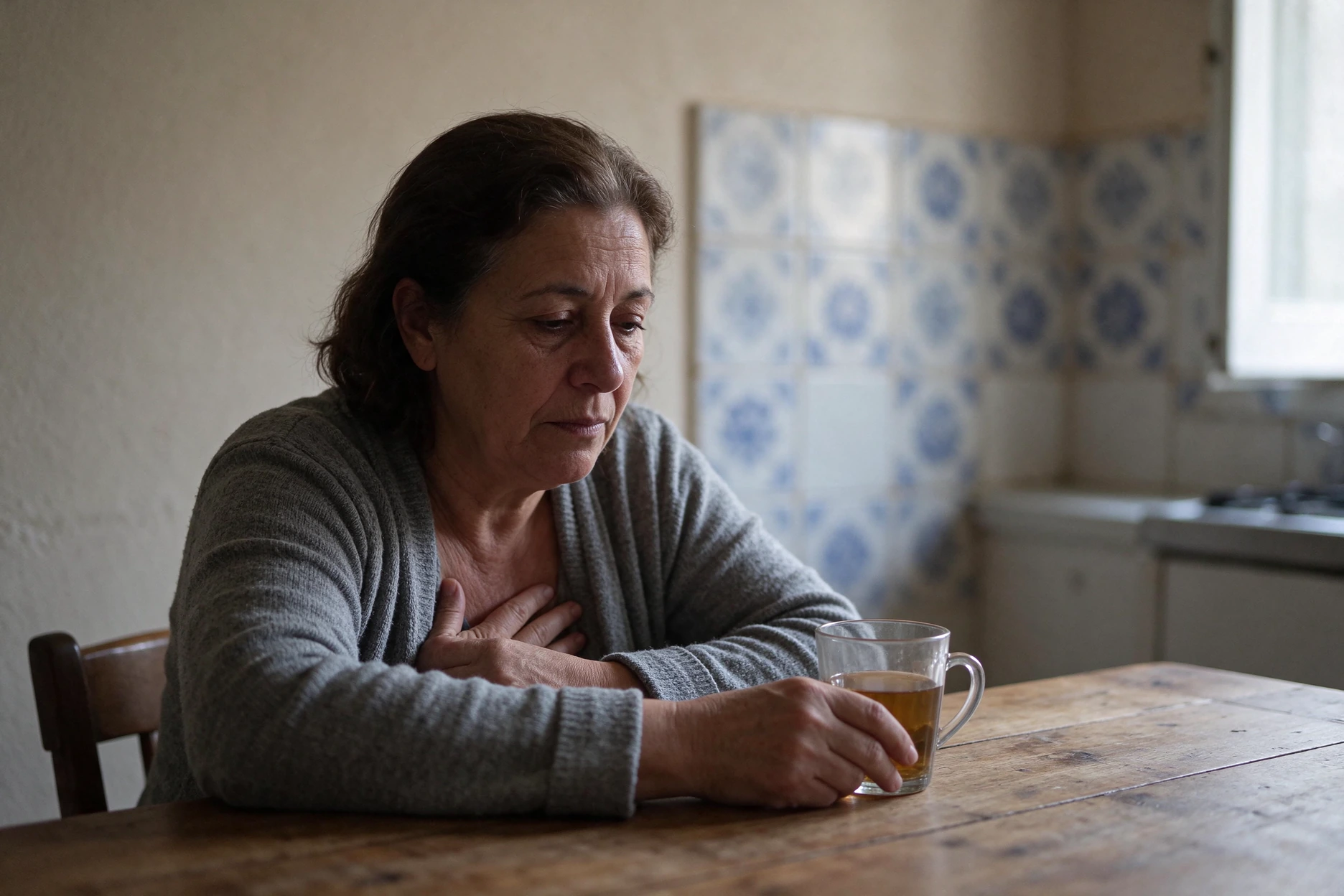
After a bereavement, the body gives off signals that seem to have no explanation. They are neither a figment of the imagination nor a sign of weakness: these are expected reactions to one of life’s greatest sources of stress.
| Symptom | How do you feel? | Why does it happen? |
|---|---|---|
| Severe tiredness | Fatigue that doesn’t go away with sleep; simple tasks feel like a huge effort | The body is under constant mental strain and sleep is not very restorative |
| A tightness in my chest and a lump in my throat | Pressure, heaviness, difficulty swallowing, frequent sighs | Muscle tension and activation of the stress response |
| Changes in sleep patterns | Difficulty falling asleep, waking up in the early hours or sleeping too much | The mind is on high alert and routines fall apart |
| Changes in appetite | A lack of appetite or, conversely, eating more in search of comfort | Stress affects digestion and hunger signals |
| Body aches | Headaches, neck pain, back pain and muscle pain | Muscle tension built up over days and nights of poor sleep |
| Digestive complaints | Nausea, an “upset” stomach, changes in bowel movements | The gut is very sensitive to stress |
| Defences down | Colds and the most common infections | Prolonged stress and poor sleep weaken the immune system |
| Heart palpitations, shortness of breath, dizziness | A racing heart, a feeling of not being able to take a deep breath | The body’s alarm system is activated |
Many people also feel difficulty concentrating and forgetfulness. It is known as the mental fog, which is part of the emotional and psychological reactions to bereavement.
Heart palpitations and shortness of breath can sometimes be a anxiety attack. It helps to understand the the difference between a panic attack and an anxiety attack.
Why Grief Affects the Body
Losing someone important puts the body in alarm mode. Stress hormones, such as cortisol and adrenaline, they go up and can remain high for weeks. The heart rate increases, the muscles tense up, sleep becomes lighter and digestion slows down. This is generally a bodily response designed to short-term emergencies, not for months.
Added to this are the practical implications: in mourning, You sleep less well, eat irregularly and often stop exercising or being active.
They also often forget about appointments or their regular medication. All of this amplifies what the body is already feeling.
How Long Do the Physical Symptoms Last?
In most people, the physical symptoms follow the course of mourning: they are most intense in the first few weeks and gradually ease off over the months, as sleep, appetite and routines get back on track.
Just like emotional pain, they come back in waves: dates such as a birthday, Christmas or the date of death may “rekindle” the symptoms. See also how long does the mourning period usually last?.
The most critical period for the heart is the beginning.
In a a study which analysed nearly 2,000 people who had suffered a heart attack, the risk was 21 times greater the day after the death of a loved one and about six times as big in the first week, gradually decreasing over the course of the first month.
Also the death of a partner doubled the risk of a heart attack or stroke in the following 30 days among people aged over 60.
Broken Heart Syndrome
There is a heart condition that explains this popular expression: the Takotsubo cardiomyopathy, known as broken heart syndrome.
One sudden and intense emotional stress, such as the news of a death, weakens acute and temporary damage to the heart muscle.
The symptoms are those of a heart attack: chest pain, shortness of breath, severe discomfort.
It mainly affects women after the menopause and, in most cases, the heart recovers within weeks. But in the acute phase it’s not a light-hearted film: the the largest international database on the disease experienced serious complications in hospital with a frequency similar to that of a heart attack.
What Helps the Body During the Grieving Process
There is no way to rush the grieving process, but there are ways to to protect the body whilst it lasts:
- Continue taking your medication and attending your regular appointments, particularly in conditions such as high blood pressure, diabetes or heart disease.
- Eat at regular times, even if it’s just a little: Small, simple meals are better than skipping meals.
- Get some exercise every day: A short walk relieves tension and helps you sleep.
- Protecting your sleep: regular bedtimes and less screen time in the evening. If evenings are difficult, there is Simple strategies for when you can’t sleep.
- Avoiding alcohol and tranquillisers on your own: They provide temporary relief, but they disrupt sleep and can be addictive.
When to See a Doctor
Grief explains many symptoms, but should not be used for postpone healthcare. Speak to your doctor, or call the SNS 24 (808 24 24 24)if:
- insomnia persists night after night for weeks;
- is losing weight rapidly;
- you have new, severe pain or pain that does not ease;
- a chronic condition is no longer under control;
- turns to alcohol or tranquillisers to get through the day.
Please also pay particular attention to another standard: when the body and mind, rather than bringing relief, remain imprisoned many months after the loss. It may be a sign that the grieving process is complicated, within the context of pathological bereavement. An assessment in Psychiatry helps to manage sleep and how the body feels, and to psychotherapy helps to set the mourning process in motion once again.
🧠 Key Points to Retain
- The physical symptoms of grief are real and common: tiredness, a tightness in the chest, changes in sleep and appetite, and aches and pains.
- The loss puts the body into a state of alarm for weeks.
- The symptoms tend to ease over the course of several months, but may return in waves around important dates.
- The risk of heart problems is highest in the first few days and weeks following the bereavement.
- Severe chest pain, sudden shortness of breath or fainting are reasons to call 112.
- Sticking to your medication, eating, keeping active and ensuring you get enough sleep help the body cope with grief.
FAQs – Frequently Asked Questions
Can grief make me ill?
It can indeed increase vulnerability. Prolonged stress and poor sleep temporarily weaken the body’s defences, which leads to more infections and, at times, a worsening of chronic conditions. Taking care of the basics (sleeping, eating, sticking to your medication) is not a luxury when you’re grieving: it’s a form of protection.
Is it normal to have aches and pains with no apparent cause?
It is common. Headaches, muscle aches and back pain are often caused by prolonged tension and a lack of sleep. However, any new, severe or persistent pain, or pain accompanied by a fever or weight loss, should be assessed by a doctor.
Can grief cause shortness of breath or dizziness?
Yes, it can. The activation of the body’s alarm system causes shortness of breath, gasping, palpitations and dizziness, often at times of great distress. If the shortness of breath is sudden, severe or accompanied by chest pain, call 112.
Can you die of a broken heart?
It is rare, but grief can trigger genuine heart problems, such as a heart attack or broken heart syndrome, particularly in the first few days following a loss and in people who already have heart disease. Therefore, at this stage, it is particularly important to pay close attention to any signs relating to the heart.
Can physical symptoms appear months after the loss?
Yes, they can. Some people get through the first few weeks “on autopilot” and only feel the exhaustion once the formalities are over and the house is empty. It is also common for the body to react around significant dates. If the symptoms appear late and do not ease, it is worth speaking to your doctor.