Skip to content


When the holidays arrive, but your mind is still on work
My suitcase is packed, the automatic email reply has been set up, and the next few days finally look like they’ll be free.
Even so, all it takes is for the mobile to vibrate for my attention to return to work.
One message leads to another, a decision needs to be made, and the break begins to feel like a change of scenery. What do we expect from our holidays when we remain available for everything we’ve left behind?
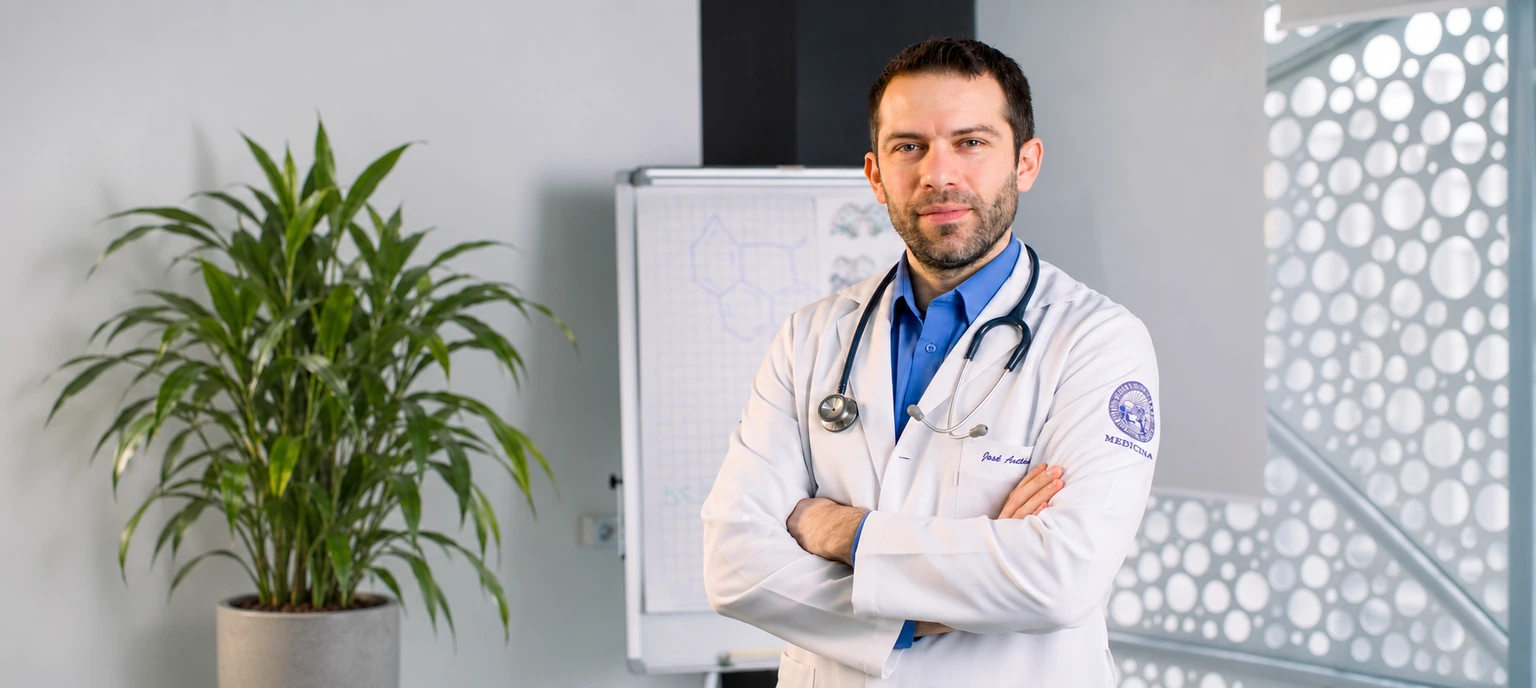
In an interview with Valor Magazine, the neurologist and neuropsychiatrist Dr José Padrão Mendes It explores the difficulty of resting in a culture of constant availability. The conversation invites us to look at holidays through the lens of a question that also applies to the rest of the year: are we making space to recharge?
A break that’s still busy
There is a difference between having days off on the calendar and actually being able to rest. We may be away from work, yet still organise our day around requests, meetings or problems we anticipate. In that case, even a pleasant moment is spent waiting for the next interruption. Rest takes up whatever time is left over.
According to José Padrão Mendes, remaining mentally engaged with work, even when not physically present, hinders the recovery we need to remain capable, in body and mind.
This perspective changes the way we plan a break: as well as choosing a destination, it is important to agree on responsibilities and limits on contact with the team. What tasks are being handed over? Who can make decisions? Which matters really need to be brought to our attention?
These questions shed light on a side of the holiday that rarely features in photographs.
Switching off involves decisions made before setting off.
Relaxing without having to make the most of everything
Often, the request also comes after arriving at the destination.
The diary fills up with visits, trips and activities, as if every hour had to justify the holiday time. Even sitting still can feel like a wasted opportunity. But who decided that a break is only worthwhile when it produces lots of stories to tell?
In the interview, the doctor suggests taking things at a more leisurely pace, having moments free from notifications, and engaging in light activities that bring pleasure. He sums up this idea in a single sentence: “Recovery requires simplicity, not intensity.” It is an invitation to leave some space unfilled, without turning rest into yet another task to be carried out properly.
It can start with a small choice: not squeezing in yet another programme just because there’s still time in the afternoon, or accepting that people in the same family have different rhythms.
The return also deserves attention
And when the holidays are over?
José Padrão Mendes distinguishes between tiredness that improves with rest and persistent fatigue, accompanied by difficulty sleeping, irritability or a loss of motivation: the so-called Burnout or Exhaustion.
In his view, It’s worth carrying on like this after the break specialist assessment (specialising in psychiatry), rather than just waiting for the next holiday.
His return could, therefore, spark a conversation about the whole year.
What level of availability do we want to maintain? Which responsibilities need to be shared? How much time is left for life outside work? These questions are less obvious than choosing a destination, but they help us to understand the place we give to rest in our list of priorities.
The interview leaves this issue unresolved: how to establish a routine in which you take a break before the next holiday arrives?
This article presents only part of the conversation. To read the full interview with Dr José Padrão Mendes, please visit Valor Magazine, Read the full interview here.