Skip to content


Time, presence and care: a different perspective on mental health
To mark World Brain Day, and following international initiatives on various continents and the launch of an innovative project in Portugal – the NeuroPsyque Clinic – the neurologist and neuropsychiatrist Dr José Padrão Mendes spoke to the Business Portugal Magazine on a healthcare model that seeks to bring science and care closer together.
The interview is brief, but it leaves one thought lingering: Listening is not just a step prior to treatment — it must be a constant feature of any monitoring programme that aims to be effective.
When a story is worth more than a list of symptoms
As he reflected on his journey, José Padrão Mendes It does not begin by highlighting equipment, technology, figures or diagnoses. It begins with what it considers most important:
“NeuroPsyque was born out of the convergence of science and care. It has grown because it listened to stories, not symptoms. Because it saw people, not diagnoses.”
This passage suggests a difference simple, yet decisive. A symptom can be recorded quickly; A story requires context, trust and willingness.
It is in this space that certain details, however seemingly insignificant or scattered they may be, can be the key elements of an accurate diagnosis.
Presence, not just duration
To have time, not feeling as though you’re in a “rush”, makes all the difference, especially in areas relating to the brain and the mind.
Conditions must be created to ensure that fear, doubt and even silence can be heard:
“Time is where healing breathes. When someone feels truly seen, without any rush, something inside them calms down and makes room for trust. Time allows silence to speak and fear to find a name.”
How much of an impact could this attendance in the doctor-patient relationship, in adherence to treatment and in the effectiveness of the interventions?
The full answer can be found in the interview, where the doctor sums up his position in a single sentence: “At NeuroPsyque, time is not duration: it is presence. And presence transforms.”.
Science that enriches human relationships
This advocacy of simply listening does not reject innovation.
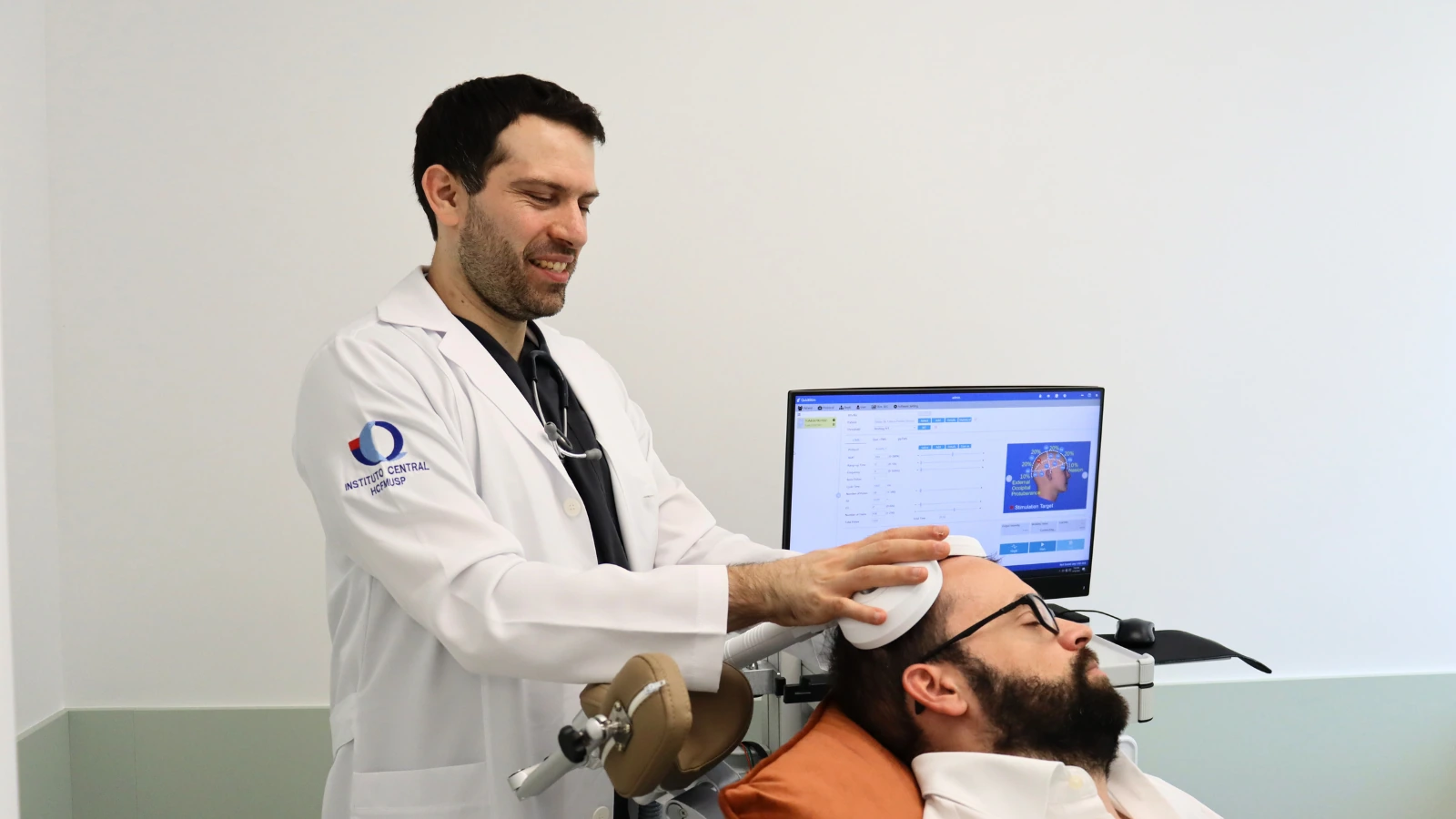
On the contrary, the growing demand for solutions non-pharmacological e non-invasive — such as the Transcranial Magnetic Stimulation — takes up a significant part of the conversation.
Technology can make care more precise and personalised, provided it does not attempt to replace human interaction: “Technology does not replace relationships: it enhances them.”
The interview ends with an invitation to prevention and to the integrated care.
This text includes only a few excerpts from the conversation. To read the full interview with Dr José Padrão Mendes in Business Portugal Magazine, Read the full interview here.