Skip to content


Childhood Trauma: What It Is and How It Differs from a Painful Experience
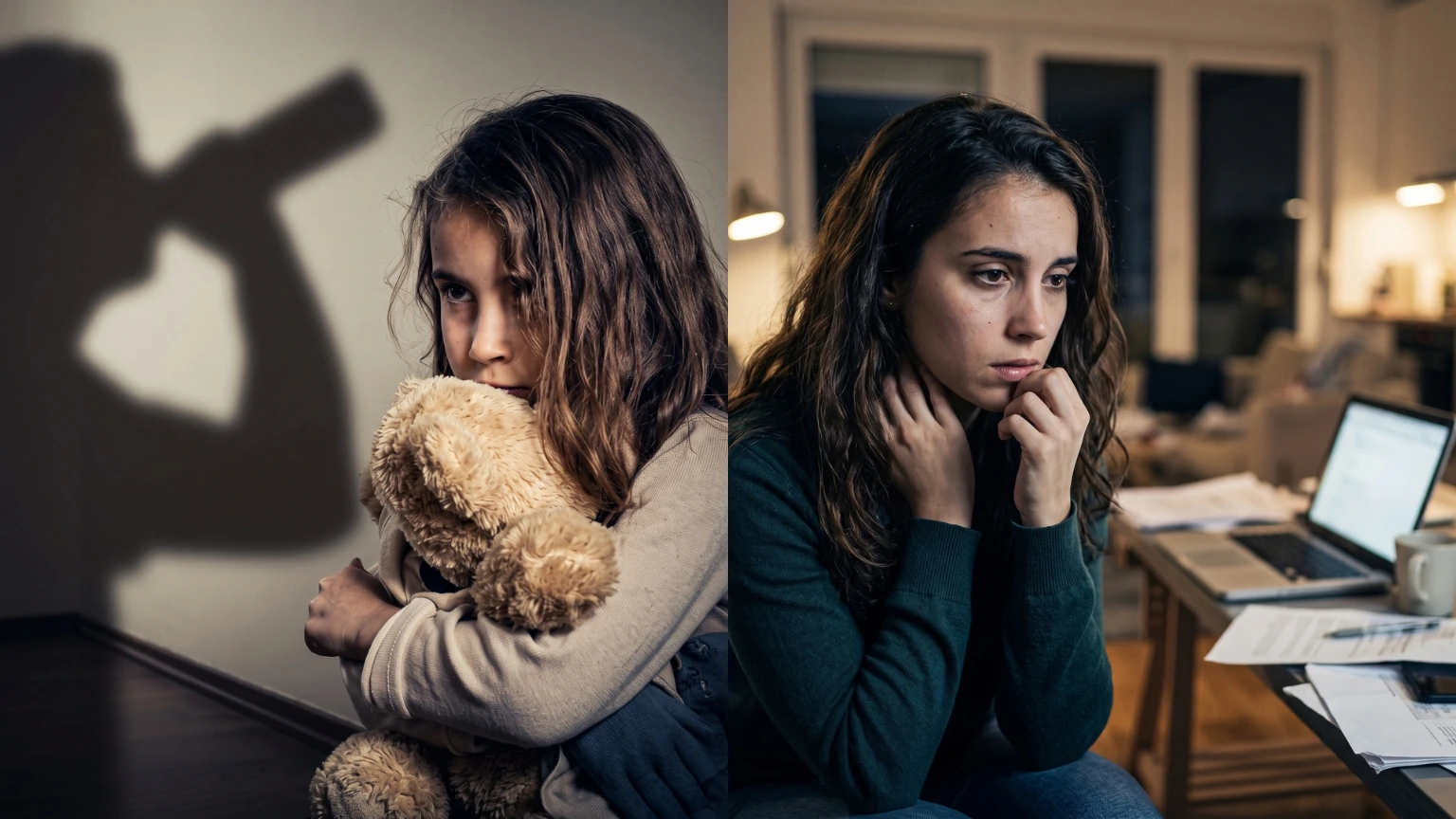
You can have a stable life, a career, a family, and yet still react to a simple criticism as if it were a threat, or feel that “There’s something wrong” without being able to explain why.
As psychology now recognises, the explanation lies in childhood. More precisely, in what we never actually came to come to terms with.
One childhood trauma — one of the most common direct causes of emotional trauma in adulthood — is an experience that is far too overwhelming for a child to make sense of and come to terms with on their own, especially when the people they associate with safety and protection — their parents — are unable to protect them and help them make sense of what has happened.
Not everything that hurts a child is trauma: with an adult nearby to guide and support them through the challenges that life throws at them, children recover from falls, scares and losses, with varying degrees of ease.
What makes an experience traumatic is the a mismatch between what happened and the resources the child had.
Therefore, the same event may have a lasting effect on one child, but not on another.
A one-off event (an accident, a sudden loss) is quite different from cases where the suffering occurs on a continuum.
Growing up in a violent home or emotionally dysfunctional has different implications and is generally more difficult to overcome than isolated traumatic events.
Types of Adverse Childhood Experiences
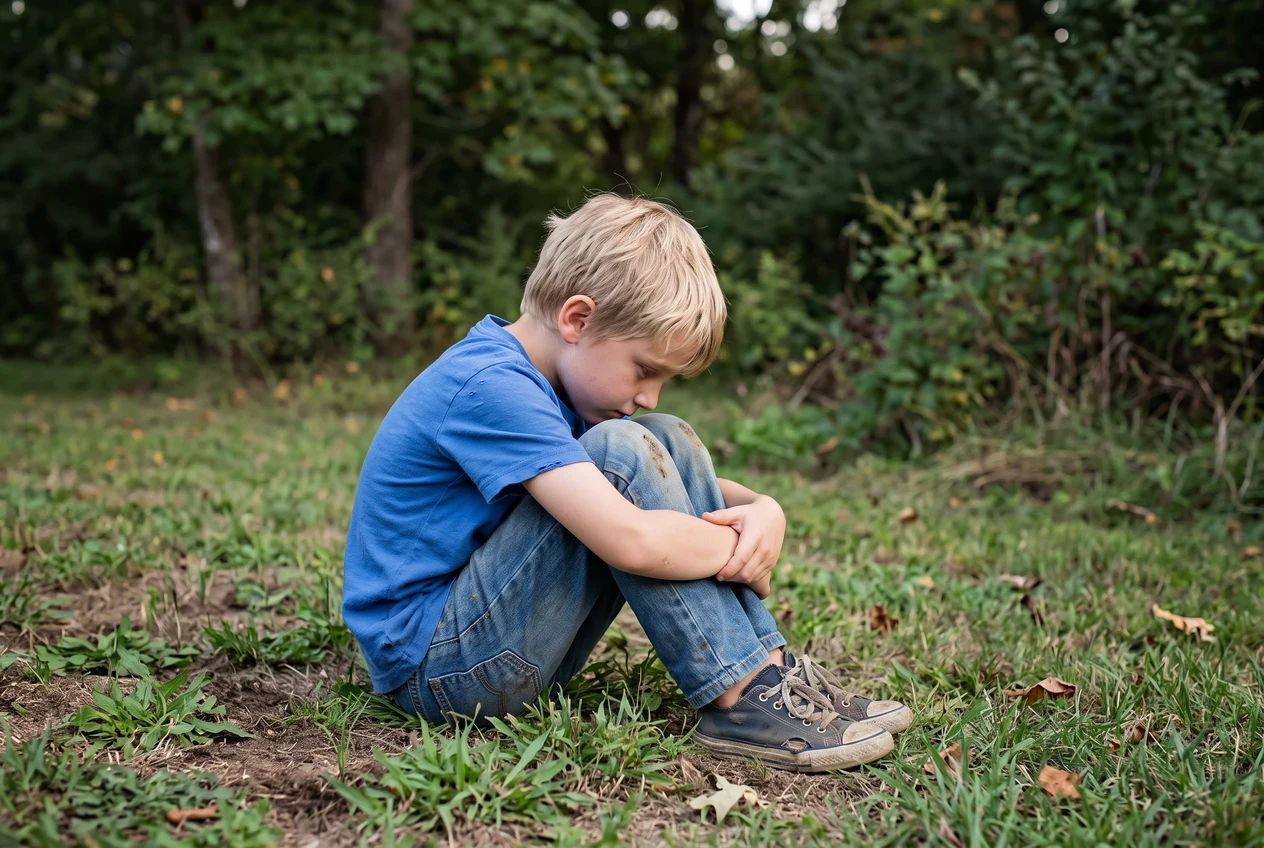
Researchers call it “adverse childhood experiences” (in English, adverse childhood experiences) to early-life experiences that cause psychological harm to a child, and sometimes physical harm as well.
The most common examples, such as the abuse, a negligence or a unstable family environment, are the ones we shall look at next.
One baseline study, with 9,508 adults in the US, asked people what kinds of adversity they had experienced before the age of 18 and cross-referenced their answers with their health as adults. More than half had experienced at least one type.
The most striking result was the cumulative effect: the more types of adversity a person had experienced, the greater the risk of problems in adulthood. Those who had experienced four or more, compared with those who had experienced none, were between 4 and 10 times more likely (depending on the problem) to suffer from depression and problematic alcohol or drug use.
Let’s look at the three categories of causes of trauma
Abuse and violence
Physical, sexual or psychological abuse is the most widely recognised form, although the latter is not always obvious. Catastrophic events, such as accidents or experiences of extreme violence, are also known causes.
Repeated humiliation, threats, constant shouting or witnessing violence between one’s parents are things that leave their mark, even if they are not visible. The The WHO estimates that, worldwide, 6 out of 10 children under the age of 5 are regularly subjected to physical punishment and/or psychological abuse.
Neglect and emotional abandonment
Much of the trauma stems from what was missing: affection, attention to emotions, someone to turn to. Because it consists of absences rather than events, it often goes unnoticed — even by the person themselves.
An unstable family environment
A child needs predictability to feel safe. Addiction, untreated mental illness, constant conflict or sudden separations keep them on constant alert: the trauma lies in the “atmosphere”, not in a single event.
How Childhood Trauma Shapes the Brain and the Stress Response
A child’s brain is under construction. Experiences in early childhood lay the foundations for emotional regulation, stress response and the ability to trust others.
Under repeated threat, the internal alarm system — the part of the brain that detects danger and prepares the body to react — learns to be constantly on alert. In a hostile environment, this was a clever adaptation; when the danger has passed and the alarm continues to go off, it turns into anxiety, reactivity/impulsivity, difficulty concentrating or an inability to relax.
And what is it that ensures these adaptations persist into adulthood?
Here’s why: these patterns form before there were words for them. The child does not think, “I’m afraid of being abandoned”; they simply learn that it is safer not to need anyone. As an adult, this comes across as “character”; it is part of their personality, and is rarely linked to their childhood.
Signs of Childhood Trauma in Adulthood
These are the signs most deeply rooted in childhood, as they typically appear in everyday life:
- Relentless self-criticism: A small mistake can make one feel inferior and lead to negative thoughts.
- Hyper-independence: Asking for help seems dangerous, so “getting by” on your own – even when you’re exhausted – always seems like the best option.
- Trying to please everyone: She avoids conflict and almost always says yes, because disagreeing has already jeopardised the relationship.
- Fear of abandonment or of intimacy: Either he clings on too tightly, or he pushes away anyone who approaches him.
- Difficulty understanding how they feel: Many feelings are naturally “whitewashed” or ignored; often, we know that something is wrong, but we do not try to understand why.
- Constant alert: difficulty in getting restful sleep for the brain and body; they startle easily, get irritated quickly or are unable to relax.
If you’ve recognised yourself in several of these, please know that it’s not a character flaw: it’s a pattern learnt through adaptation. And what you’ve learnt can be revised.
How to Treat Childhood Trauma in Adults: What Really Helps
It is possible. The brain retains throughout life the neuroplasticity — the ability to form new bonds and to learn anew, including the ability to feel safe and to trust.
To heal it’s not about erasing the past: it is to prevent him from continuing to control the present.
In practice, the process usually consists of three elements:
- Putting a name to what happened and to realise that today’s reactions were, originally, ways of surviving.
- Experience new levels of security: a relationship in which you can make mistakes, ask for help or disagree without any consequences. That is why the relationship with the therapist is so important: it offers the reliable presence that was missing.
- Addressing trauma using appropriate techniques. The trauma-focused psychological treatments show significant benefits for adults who were abused as children and have developed post-traumatic symptoms.
In NeuroPsyque Clinic, the support process begins with an individual assessment, during longer consultations (lasting 45 minutes to 1 hour on average).
The plan may include psychology and neuropsychology and, in selected cases, neurotherapy (transcranial magnetic stimulation, tDCS and neurofeedback).
When to seek professional help
Seek specialist support when:
- the standards affect work, sleep or relationships;
- a anxiety or sadness won’t go away;
- appear intrusive memories or nightmares.
If you feel you can’t carry on, or are thinking about harming yourself, don’t wait for an appointment: call 112 or SNS 24 (808 24 24 24).
🧠 Key Points to Retain
- Childhood trauma is an overwhelming early experience that the child was unable to process on their own; it is the impact that matters, not the type of event.
- Abuse, neglect and unstable environments are the main adversities — and the more of these there are, the greater the risk in adulthood.
- Early trauma shapes our response to stress and the way we trust, often in ways we cannot see.
- Self-criticism, excessive independence, trying to please everyone, fear of abandonment and constant vigilance are common signs, not a diagnosis.
- Recovery is possible in adulthood: finding one’s identity, experiencing a new sense of security and working through the trauma with professional support.
FAQs – Frequently Asked Questions
How do I know if my childhood experience was traumatic?
There is no single test. You might ask yourself: were there situations in your childhood involving fear, humiliation or violence, or a lack of affection and of someone to turn to? And do you react today, with disproportionate intensity, to similar situations? What matters is the impact, not the label of a “bad childhood”. If you’re still unsure, a thorough clinical assessment can help you distinguish between the two.
I remember very little about my childhood — could this be a sign of trauma?
It is possible, but it is not the norm. Almost everyone has few memories of their early years, and there are many reasons for these gaps. Missing memories do not prove that anything serious happened, and there is no need to reconstruct them: the work focuses on how you feel and function today.
Are childhood trauma and post-traumatic stress the same thing?
No. Childhood trauma is a origin; the post-traumatic stress It is a possible clinical presentation, characterised by intrusive memories, flashbacks, avoidance and hypervigilance. Not everyone who has experienced trauma develops this condition or continues to experience its symptoms in the long term, and many people show signs of trauma without meeting the diagnostic criteria.
Do all the problems of adult life stem from childhood?
No. Childhood has a significant influence, but it does not explain everything: adult experiences are no less important. Genetics, context, losses and choices also play a part. Recognising the origin of a pattern is useful because it opens up the possibility of changing it, but that pattern was not always developed during childhood.
Do I need to relive everything that happened in order to heal?
Not necessarily. Treatment begins with ensuring your safety and stabilising your condition, and the pace is agreed with you. The aim is not to revisit everything to the very limit, but to ensure that the memories no longer have the power to destabilise you.