Perturbações da Memória: o que são e tratamento em Lisboa

MEMORY DISORDERS - Treatment in Lisbon

Specialised assessment and multidisciplinary treatment for Memory Disorders in Lisbon

WHAT ARE MEMORY DISORDERS?

Avaliação neuropsiquiátrica das perturbações da memória — NeuroPsyque Lisboa

Memory as a mirror of brain health

Memory disorders encompass a set of neurological and neuropsychiatric conditions that compromise the ability to acquire, retain and retrieve information. Although occasional forgetfulness is normal, when memory lapses are frequent, progressive and interfere with daily functioning, it is essential to seek specialised assessment. These disorders can be a symptom of treatable conditions or neurodegenerative diseases that benefit from early intervention.

The most common warning signs

  • Recent Memory Failures
    Frequent forgetting of recent events, appointments, names of people close to them or conversations that have taken place recently.
  • Temporo-spatial disorientation
    Difficulty locating themselves in time (day, month, year) or space, even getting lost in familiar places.
  • Learning Difficulties
    Inability to retain new information, requiring constant repetition to assimilate simple everyday information.
  • Behavioural changes
    Irritability, apathy, anxiety or depression often associated with cognitive decline and awareness of failures.

MAIN TYPES AND CAUSES

Mild Cognitive Decline (MCD)

Intermediate stage between normal ageing and dementia, with memory failures greater than expected for age, without significant impairment of functional autonomy.

Degenerative

Alzheimer's disease

The most frequent cause of dementia, characterised by progressive loss of episodic memory, disorientation and decline in executive functions and language.

Dementia

Vascular and Reversible Causes

Stroke, cerebral ischaemia, hypothyroidism, vitamin deficiencies (B12, folate) and medication effects can cause treatable and potentially reversible memory impairments.

Reversible

Psychiatric and Functional Causes

Depression, chronic anxiety, post-traumatic stress and sleep disorders are frequent and underdiagnosed causes of memory failure, with an excellent response to treatment.

Functional
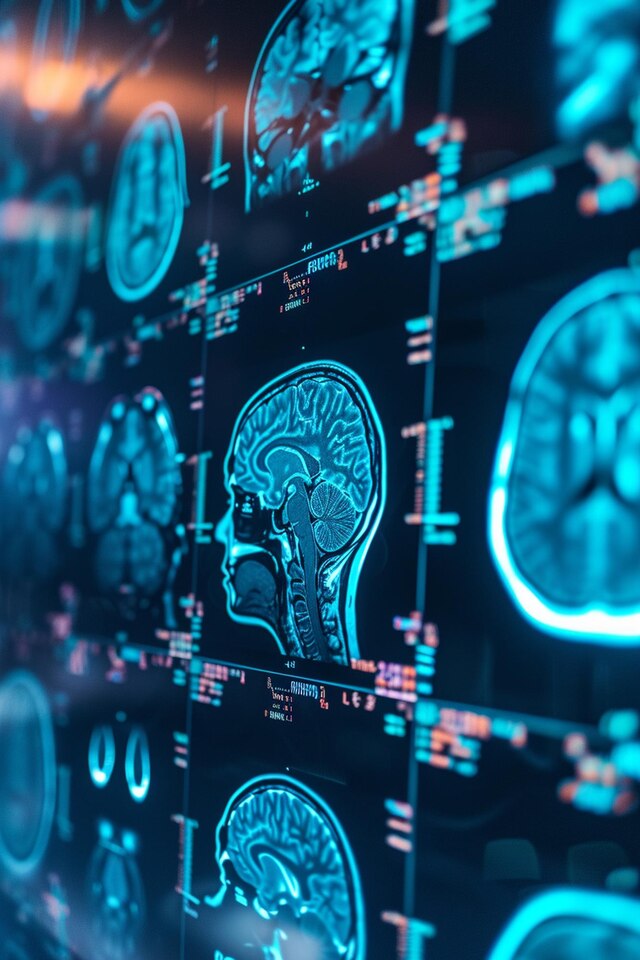
Estudo do sistema nervoso e perturbações da memória — NeuroPsyque

Memory disorders also include dissociative amnesia, frontotemporal dementia and dementia with Lewy bodies.

EFFECTIVENESS IN TREATMENT
MEMORY DISORDERS

Solid clinical results with early diagnosis and innovative, personalised therapeutic approaches

9-12%
of memory problems have treatable and reversible causes - if detected in time, they can be corrected with appropriate treatment
60%
reducing the rate of cognitive deterioration with an integrated approach - diet, physical exercise, mental training and control of cardiovascular risk factors
≈75%
of cases show clinically significant improvement with cognitive rehabilitation combined with neuromodulation (EMT/tDCS) - high effect (d=0.72)
56-60%
of people with mild cognitive impairment remain stable over 4 years - and 1 in 3 recover to normal cognitive functioning

* Data based on clinical studies of cognitive rehabilitation, neuromodulation and pharmacological intervention. Individual results may vary. Sources: clinical data, Clarfield (2003) meta-analysis JAMA Internal Medicine, Ngandu et al. (2015) FINGER Study The Lancet 385(9984):2255-2263, Chen et al. (2024) Alzheimer's Research & Therapy, Mitchell & Shiri-Feshki (2009) meta-analysis Acta Psychiatrica Scandinavica, Roberts et al. (2010) Archives of Neurology
TECHNOLOGY AND THE THERAPEUTIC ENVIRONMENT

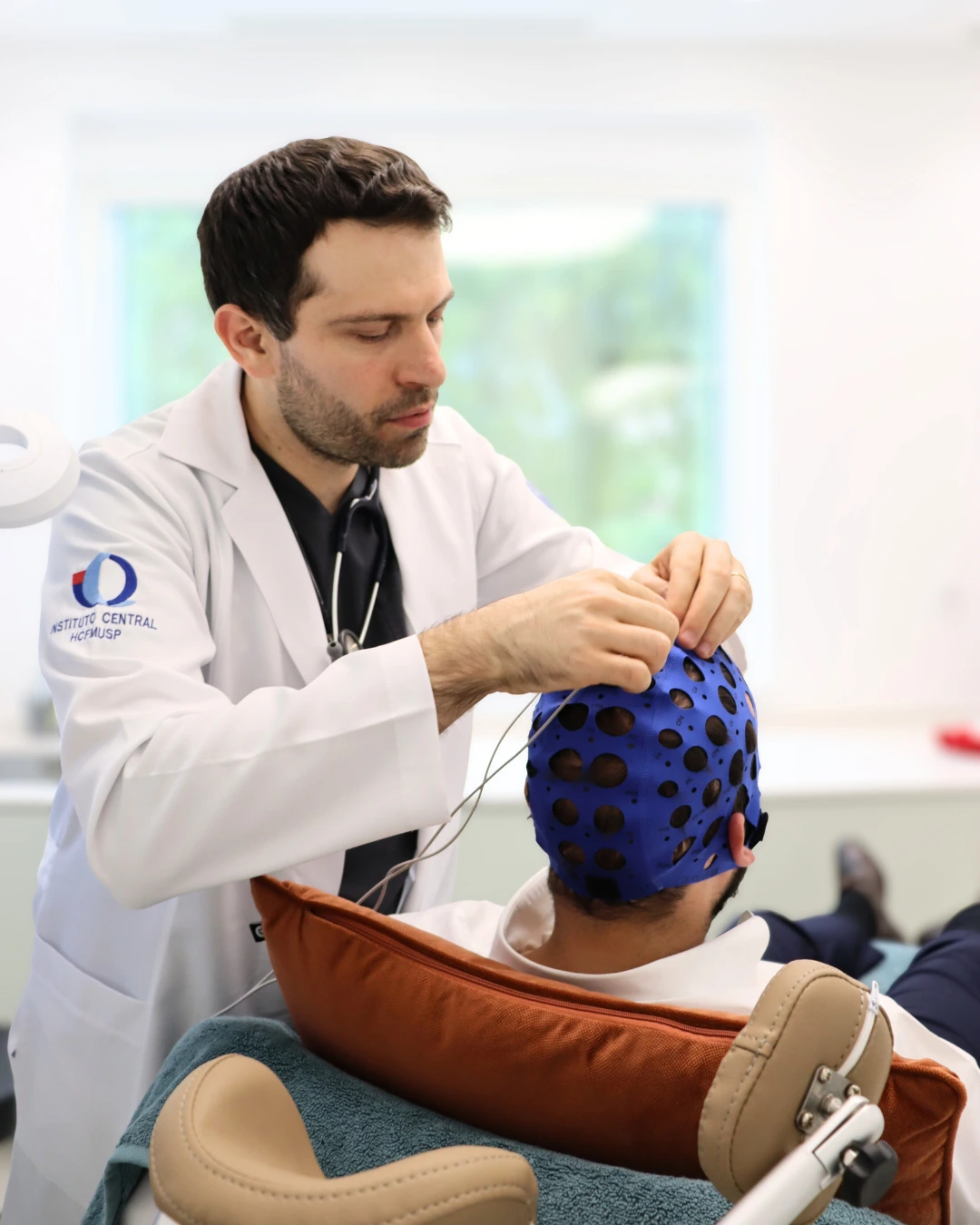
Neuroimagem e avaliação das perturbações da memória
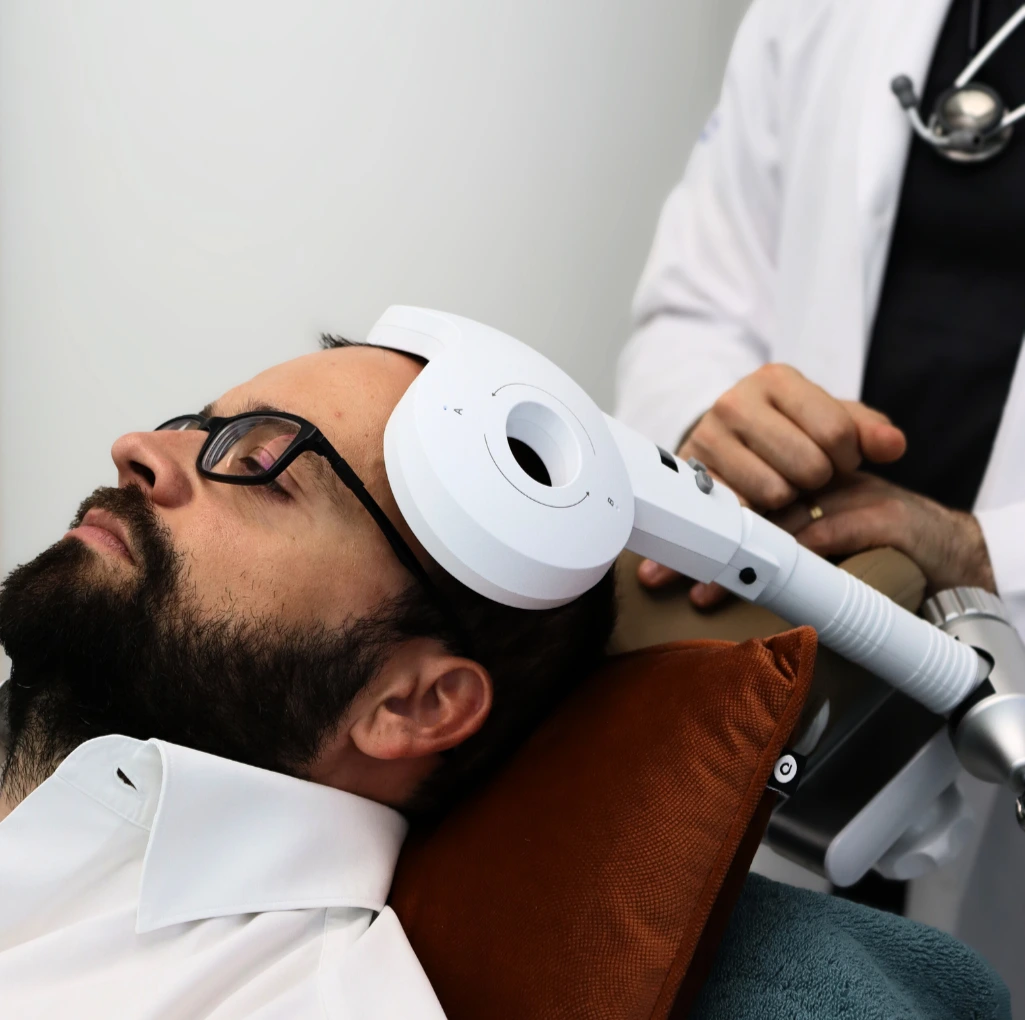
Estimulação Magnética Transcraniana
tDCS no tratamento cognitivo
Reabilitação Cognitiva
tDCS - Estimulação Eléctrica Transcraniana
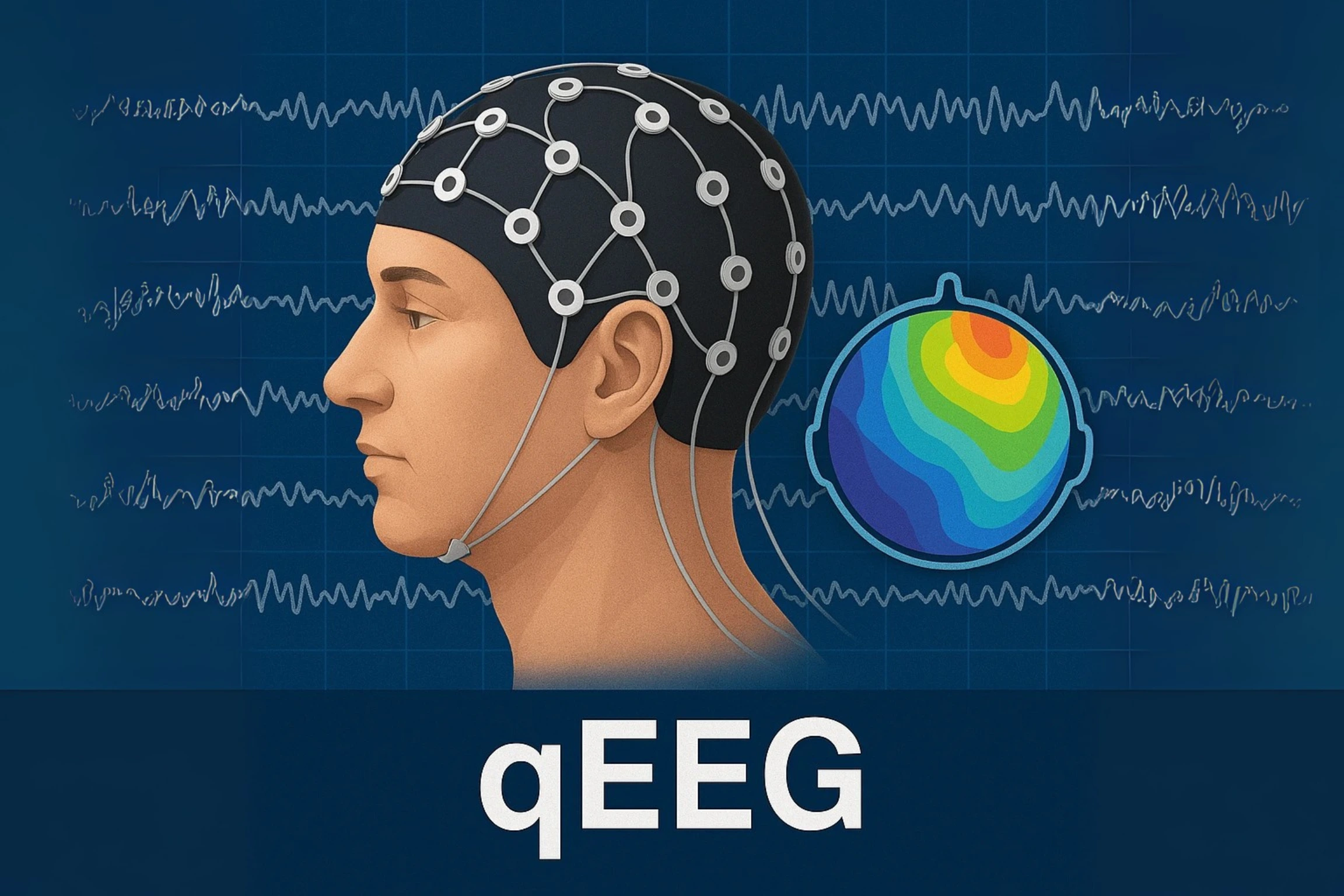
qEEG Mapeamento Cerebral
Clínica Lisboa
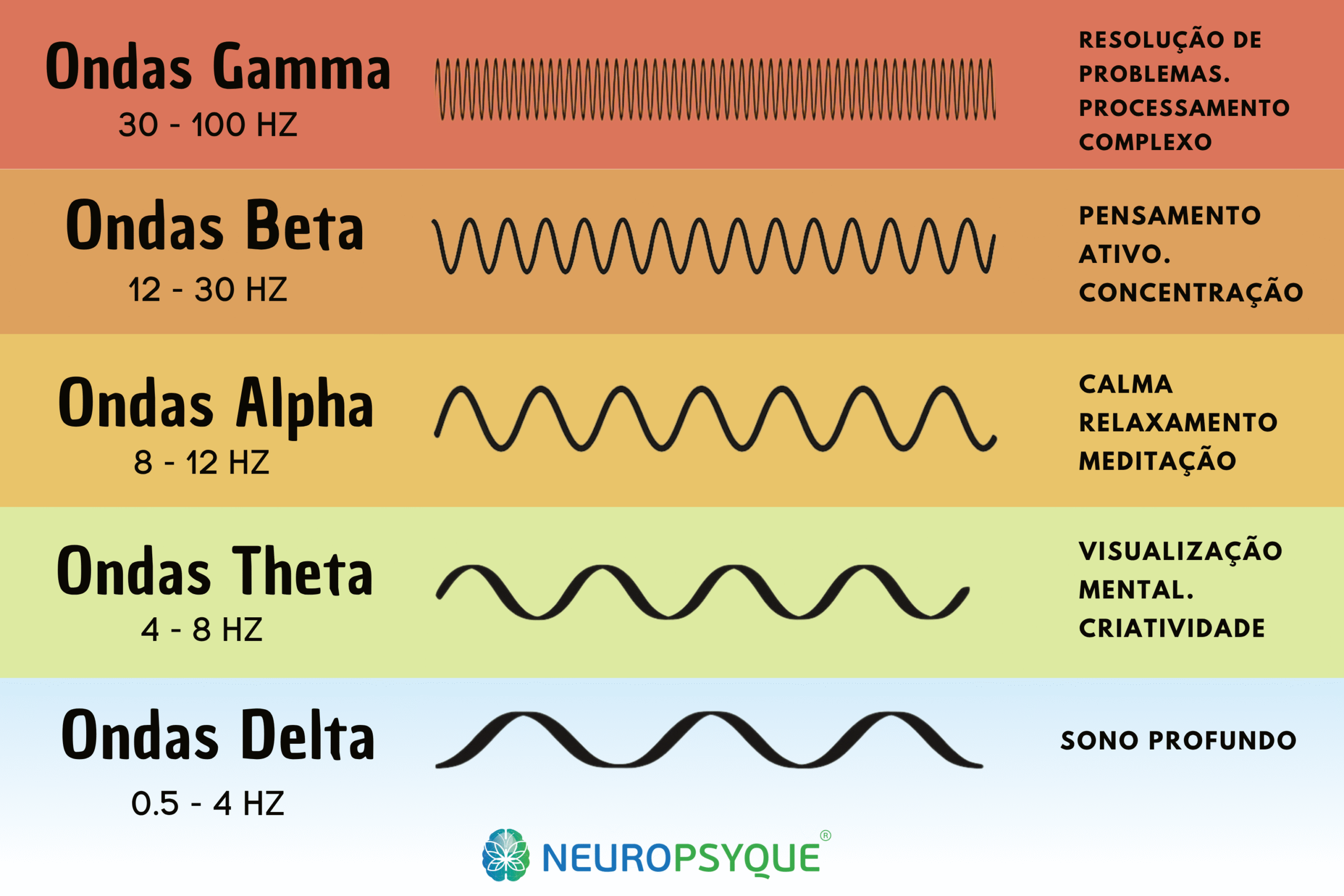
Ondas Cerebrais
Fisiologia
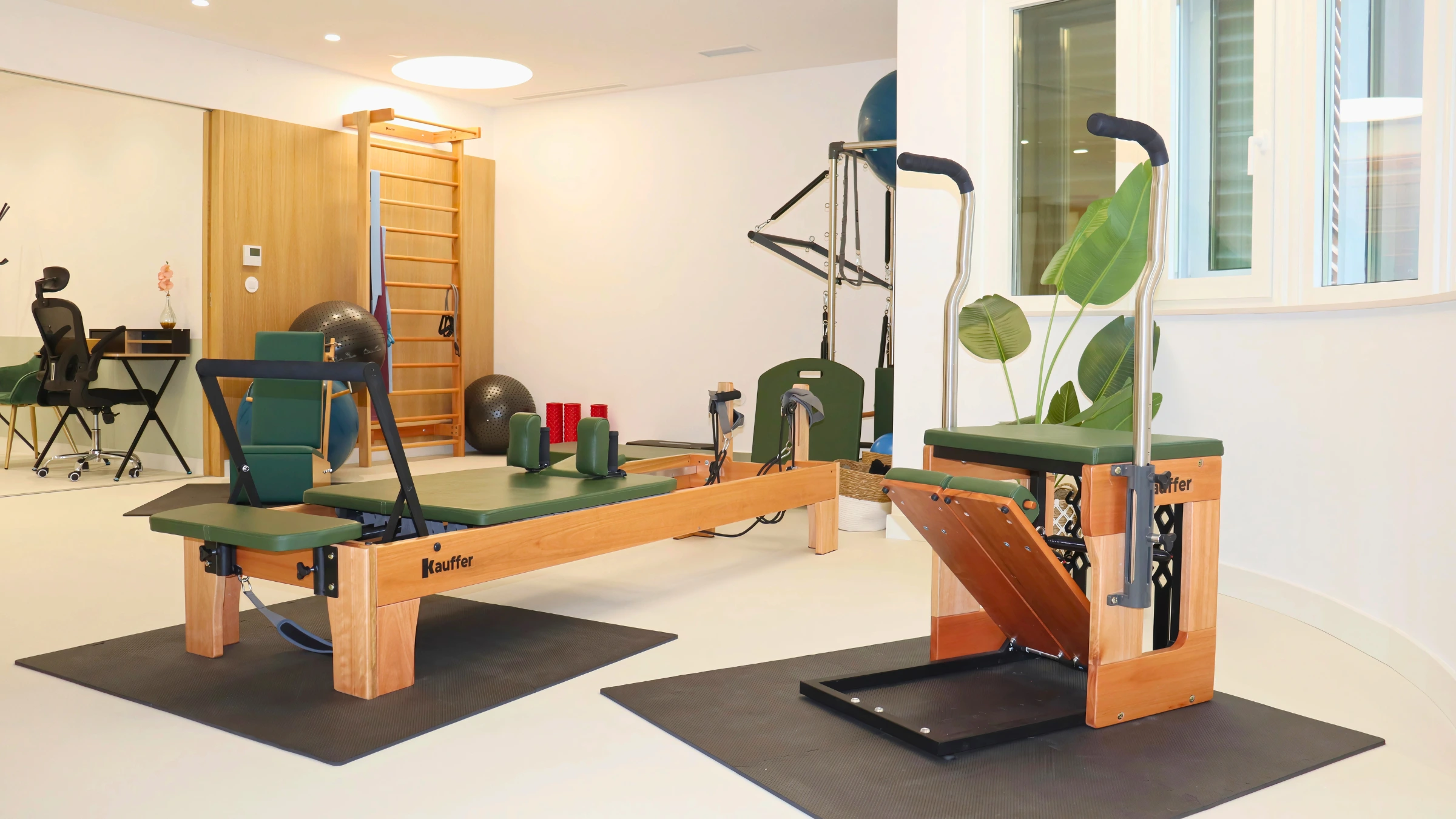
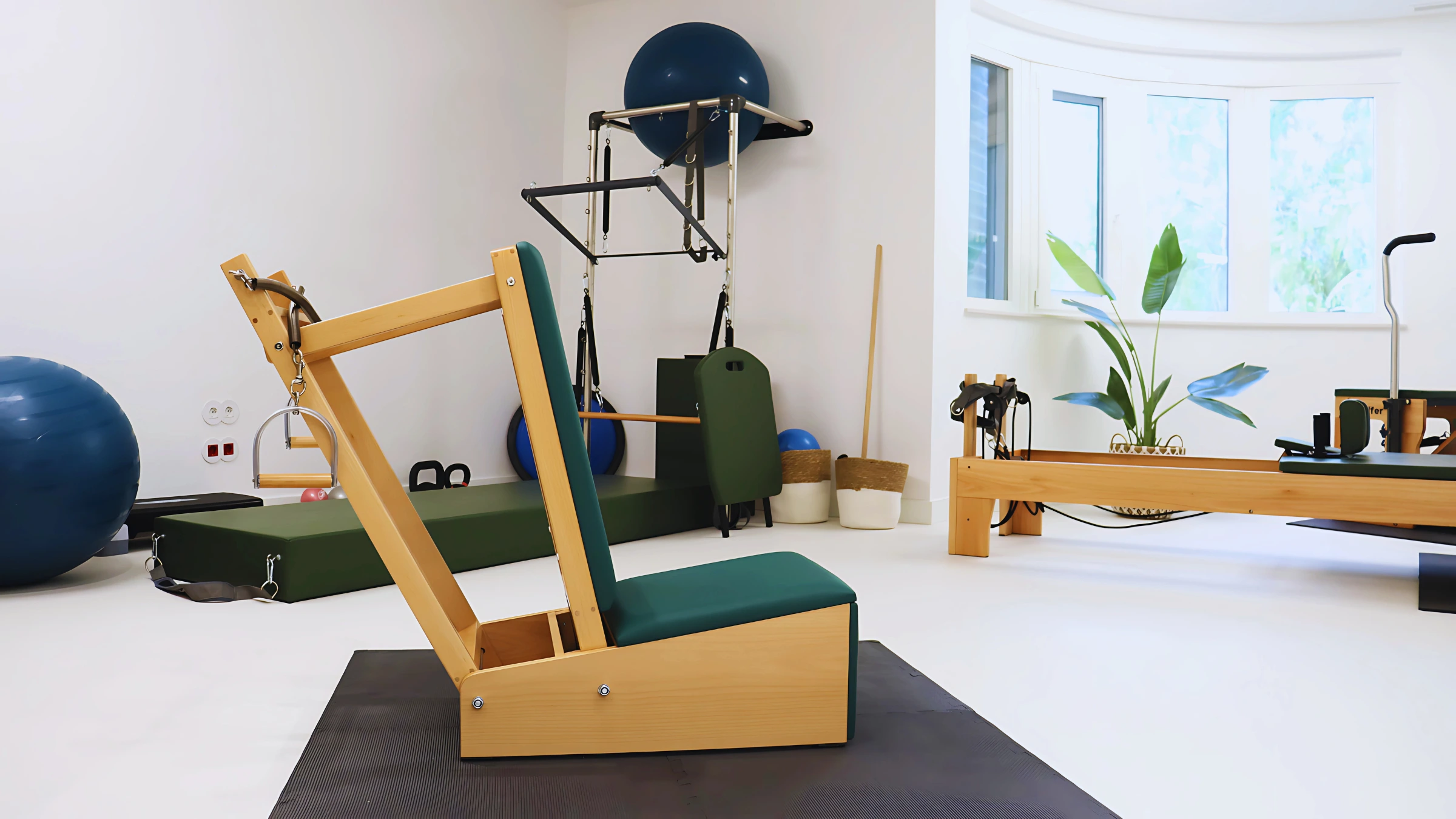
Sala de Tratamento
Espaço Bem-Estar

IMPORTANCE OF SPECIALISED CONSULTATION

Memory disorders are not an inevitable consequence of ageing and, in many cases, have identifiable and treatable causes. A specialised neuropsychiatric and neuropsychological assessment is the first indispensable step: it makes it possible to distinguish normal ageing from pathological conditions, to detect reversible causes, and to establish a precise diagnosis that guides an effective therapeutic plan tailored to the specific case.

💡 Early diagnosis of memory disorders is crucial: it can halt the progression of cognitive decline, preserve autonomy and significantly improve the quality of life of the patient and their family.

At NeuroPsyque, the consultation includes a complete assessment, combining detailed neuropsychological evaluation, pharmacological optimisation and access to innovative interventions such as Transcranial Magnetic Stimulation (TMS) and Cognitive Rehabilitation. Our aim is to preserve the memory and identity of those who come to us - using all the means at our disposal, with scientific rigour and a deeply human approach.

Frequently Asked Questions

FAQ's about Memory Disorders

What should I expect at the first memory assessment appointment?
The first consultation includes a detailed assessment of the clinical history and cognitive profile, analysing the type, frequency and progression of memory failures. A screening for organic and reversible causes is carried out, along with a neuropsychological assessment and, when necessary, a request for complementary tests (analyses and/or neuroimaging). The initial objective is an accurate diagnosis and a good therapeutic plan that responds to the needs identified.
Are forgetfulness always a sign of Alzheimer's?
No. The vast majority of forgetfulness is not related to Alzheimer's disease. Causes such as stress, sleep deprivation, depression, anxiety, Vitamin deficiencies or the adverse effects of taking medication are much more common and, in most cases, completely reversible with appropriate treatment. Specialised assessment is essential to distinguish between these situations.
When should I seek professional help for memory failures?
You should seek help when forgetfulness becomes frequent and progressive, when it interferes with your daily or professional activities, when it involves forgetting recent information repeatedly, or when it is accompanied by disorientation, mood swings or language difficulties. The sooner the cause is found, the better the prognosis for resolving the problem.
What is Mild Cognitive Decline (MCD)? Is it serious?
Mild Cognitive Decline (MCD) is an intermediate stage between normal cognitive ageing and dementia. The person has memory failures that are greater than expected for their age, but maintains autonomy in day-to-day activities. Not all cases of DCL develop into dementia - with appropriate intervention, many patients stabilise or even improve. Specialised support is essential.
Does neuromodulation (EMT / tDCS) help with memory disorders?
Yes, definitely. A Transcranial Magnetic Stimulation (EMT) and Transcranial Direct Current Stimulation (tDCS) have growing evidence of stimulating brain networks involved in memory and learning. These interventions are non-invasive, well tolerated and particularly valuable as a complement to functional cognitive rehabilitation and pharmacological therapy.
What is cognitive rehabilitation and how does it work?
A cognitive rehabilitation is a set of structured techniques and exercises designed to train, compensate and optimise affected cognitive functions, including memory, attention and executive functions. It is personalised based on each patient's neuropsychological profile and can be combined with neuromodulation to enhance results. It has robust evidence of functional improvement and quality of life.
Do memory disorders have an effective pharmacological treatment?
It depends on the underlying cause. For disorders originating in depression, anxiety or sleep disorders, appropriate pharmacological treatment can fully restore mnestic function. In the case of dementias, there are specific drugs that slow down progression and improve quality of life. The choice of therapy must always be individualised and monitored by a specialist doctor.
Do I need a doctor's referral to book an appointment?

No, it's not necessary. You can book your assessment appointment directly (Neurology) at NeuroPsyque. If you have health insurance, we only recommend that you check the conditions of your policy for reimbursement. Contact us.