 Skip to content



AUTISM SPECTRUM DISORDER - Support in Lisbon
Specialised diagnostic assessment and follow-up for children, adolescents and adults with ASD in Lisbon - differential diagnosis, intervention and neuromodulation
WHAT IS AUTISM SPECTRUM DISORDER?

A condition in the form of a spectrum
Autism Spectrum Disorder (ASD) is a complex neurodevelopmental condition characterised by persistent differences in communication and social interaction and by restricted and repetitive patterns of behaviour. Autism it's not a defined set of symptoms - it's a spectrum of variations, It is often grouped by type. With a neurobiological basis, it is the result of differences in the connectivity and functional organisation of brain networks involved in social, sensory and executive processing, and has a strong genetic component, with heritability estimated at between 64 and 91%. ASD it's not a disease to be cured, But a different form of brain functioning which, with the right support, allows for autonomy, functionality and quality of life.
Areas of difference characteristic of PEA
- Communication and social interactionDifficulties in socio-emotional reciprocity, in non-verbal language (eye contact, facial expression, gestures) and in developing and maintaining relationships - with great variability between individuals and throughout development.
- Restricted and repetitive behaviour patternsRepetitive movements or speech (stereotypes), rigid adherence to routines, intensely focused and highly specific interests.
- Atypical sensory processingIncreased or decreased sensory reactivity - sounds, textures, lights, smells or temperature.
- Executive functions and emotional regulationPossible difficulties in cognitive flexibility, planning, response inhibition and emotional regulation - often accompanied by high anxiety, which is the most prevalent comorbidity in ASD at all ages.
CLINICAL PROFILES, PRESENTATIONS AND COMORBIDITIES
High Functioning ASD - Late Diagnosis in Adolescents and Adults
Many individuals with ASD arrive for assessment as adults - after years of unexplained difficulties in relationships, employment or mental health. "Masking" (actively camouflaging autistic differences in order to adapt to the environment) is especially common in women and significantly delays diagnosis.
Late DiagnosisPEA in Women - An Underdiagnosed Phenotype
Girls and women with ASD often have a distinct clinical profile - a greater capacity for social camouflage, more socially accepted interests and internalised symptoms such as anxiety and depression rather than externalised behaviours. This explains the historical ratio of 4:1 (male:female) which current studies show to be significantly lower, closer to 3:1 or even 2:1.
Female PhenotypeASD and ADHD - Similarities
Around 50 to 70% of individuals with ASD fulfil ADHD criteria, and vice versa. The two conditions share neurobiological and genetic bases and often coexist, requiring careful differential assessment. Recognising this comorbidity is crucial to the intervention plan - as pharmacological treatment for ADHD can significantly benefit overall functioning in ASD.
Frequent ComorbidityAnxiety, Depression and Mental Health in ASD
Anxiety affects 40 to 60% of individuals with ASD and is often the main cause of seeking medical help - often without the basic diagnosis of ASD being established. Depression, autistic burnout (exhaustion resulting from years of masking) and the risk of suicidal ideation are clinical realities that require full attention and close specialised monitoring.
Mental Health
ASD is present in around 1 in 36 children - and it is estimated that more than half of adults with ASD have never received a formal diagnosis, living without understanding the origin of certain difficulties.
PEA: PREVALENCE, DIAGNOSIS
AND IMPACT OF THE INTERVENTION
A condition more prevalent than previously thought - and with a profound impact on each person's life when not adequately supported
* Data based on published epidemiological studies and clinical trials. Individual results may vary.
Sources: clinical data, CDC Autism and Developmental Disabilities Monitoring Network (2023), van 't Hof et al. (2021) - Autism Journal - age at diagnosis, Meta-analysis on anxiety in ASD, Early intervention effectiveness studies - MDPI




IMPORTANCE OF SPECIALISED ASSESSMENT
The diagnosis of ASD in adulthood - or even in adolescence - is often a turning point in a person's life. After years of feeling "different" without knowing why, of difficult relationships, of exhaustion from trying to fit into a world not designed for your neurological profile, realising that you have ASD brings relief, and above all the possibility of accessing appropriate strategies and support. A diagnosis doesn't change who you are - it gives you a map to navigate better. It's very important not to try to eliminate unique, positive personality traits by trying to eliminate specific negative effects of the condition.
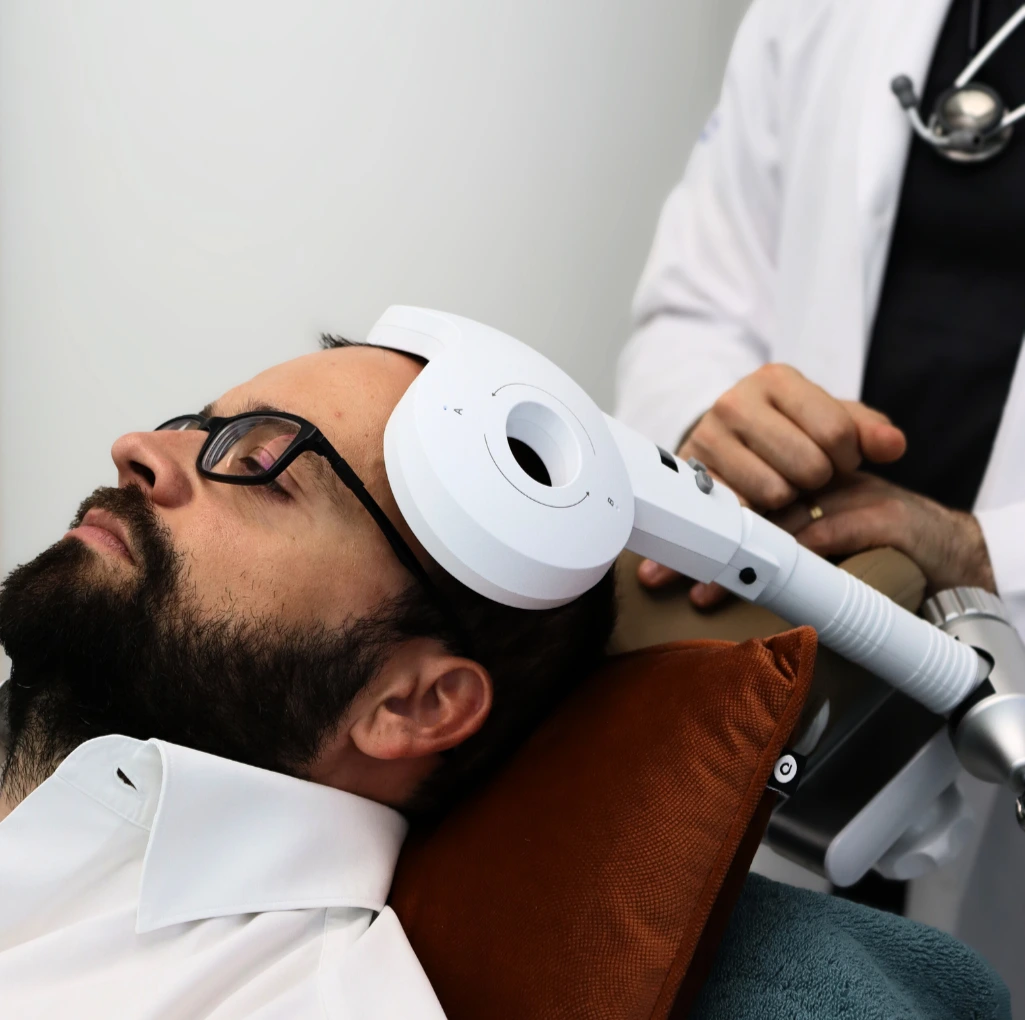
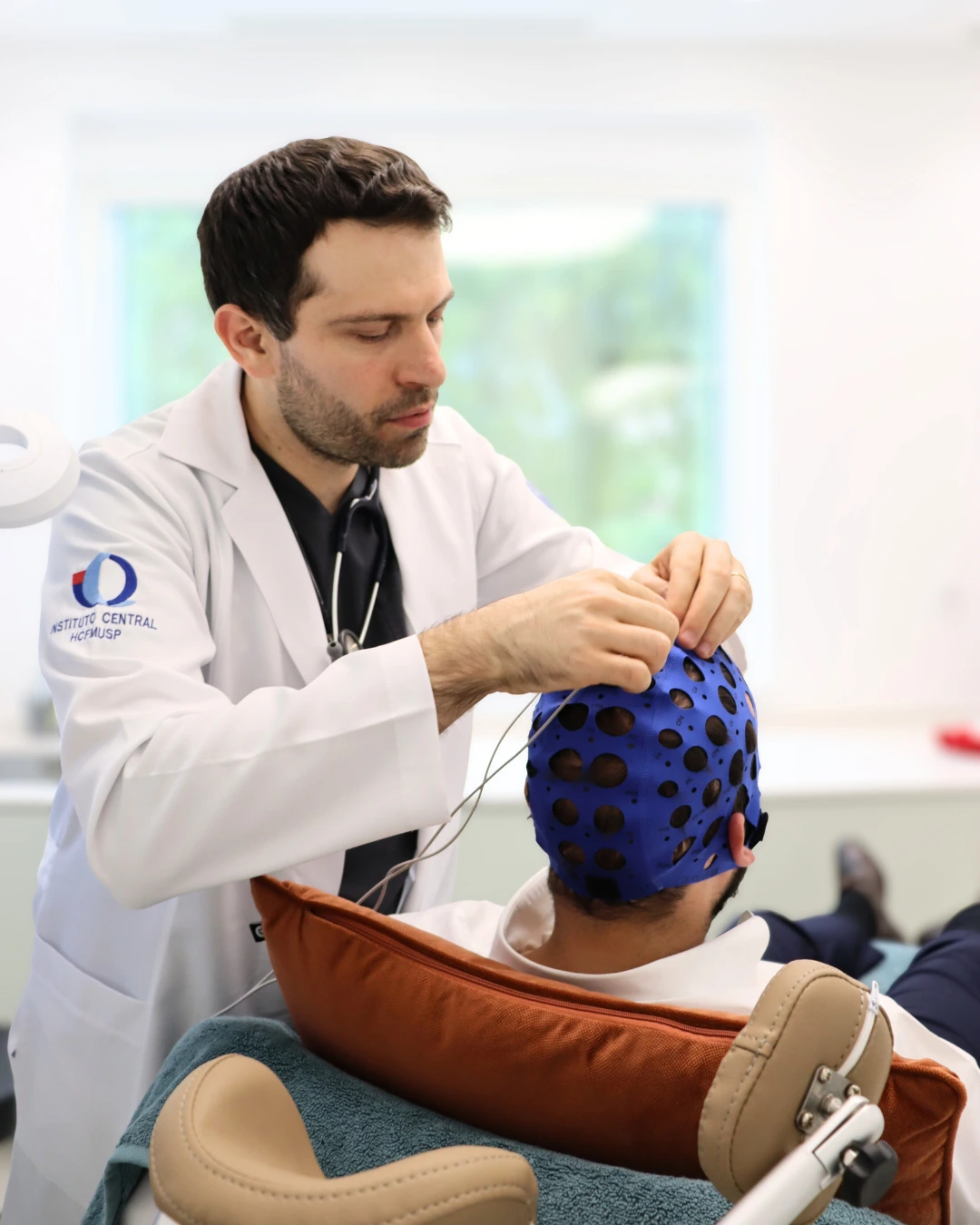
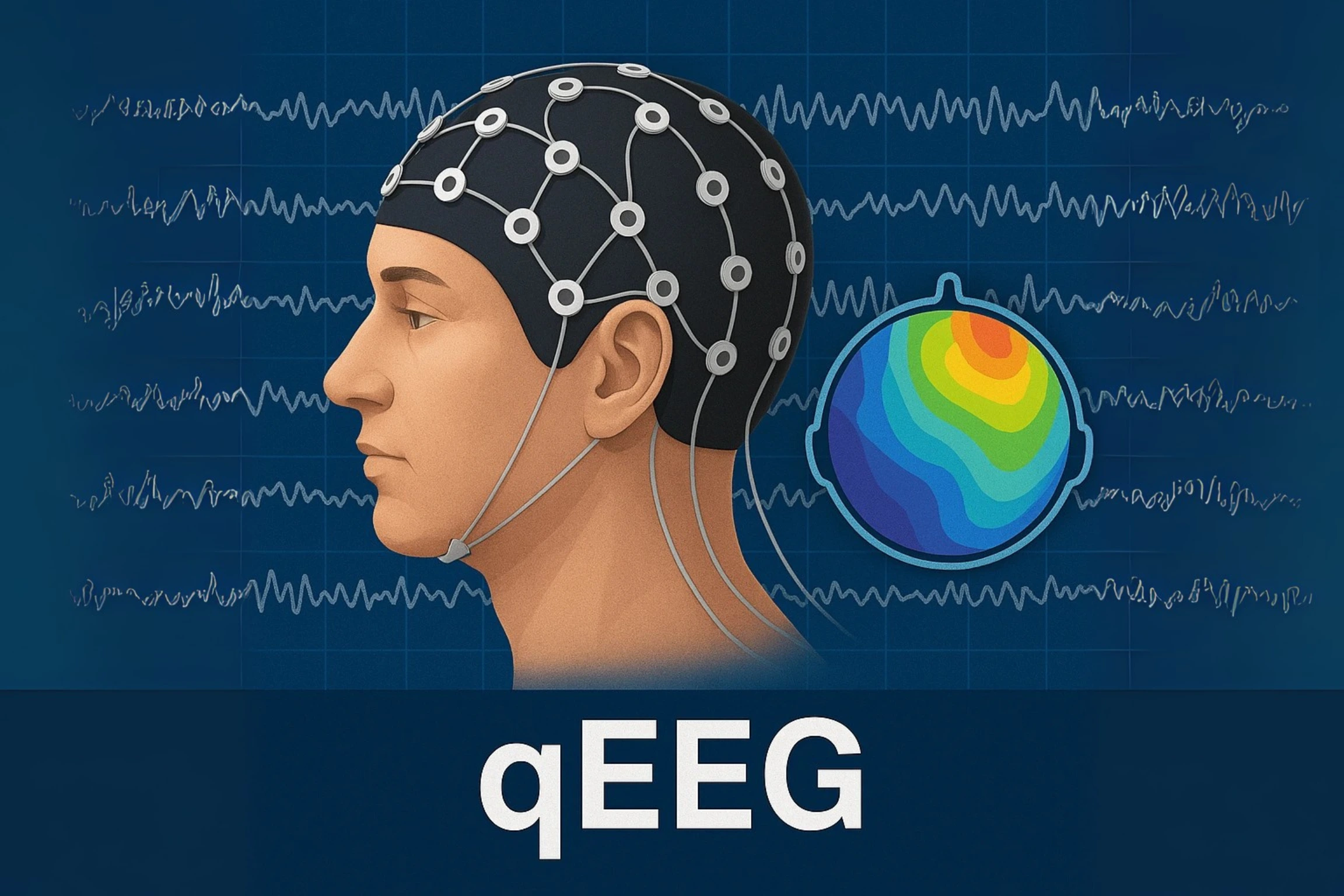
At NeuroPsyque, the assessment of ASD includes an in-depth clinical anamnesis with an analysis of development and life history, validated assessment tools (ADOS-2, ADI-R, SRS-2, among others), neuropsychological assessment of executive functions, memory and cognitive profile, screening for psychiatric and neurological comorbidities, and - when indicated - assessment with qEEG and implementation of neurofeedback and neuromodulation protocols to manage anxiety, sensory regulation and executive functions. The intervention plan is always co-constructed with the patient and/or their family.