Skip to content



ATTENTION DEFICIT AND HYPERACTIVITY - Treatment in Lisbon
Specialised neuropsychiatric assessment and intervention focused on ADHD in Lisbon
WHAT IS PHDA?

A neurodevelopmental disorder
Attention deficit hyperactivity disorder (ADHD) is a neurobiological condition characterised by persistent patterns of inattention, impulsivity and/or hyperactivity. Although it begins in childhood, it often manifests and persists into adulthood, compromising executive functions, time management, organisation and emotional regulation.
Most common manifestations
- Inattention (Attention Deficit Disorder)Difficulty maintaining focus on long tasks, errors due to distraction, daydreaming and frequent forgetfulness.
- HyperactivityMotor restlessness, difficulty relaxing or the constant mental sensation of having an "internal motor" that never switches off.
- ImpulsivenessThey act without thinking about the consequences, interrupt conversations frequently and have a low tolerance for frustration.
- Executive DeregulationChronic procrastination, difficulty in starting tasks, managing schedules and organising day-to-day life.
TYPES OF PHDA AND FUNCTIONAL IMPACT
Attention Disorder
What used to be called ADD. The symptoms boil down to easy distraction, disorganisation and severe difficulty maintaining focus on non-stimulating tasks.
Attention / CognitiveHyperactivity and Impulsivity
Constant restlessness, difficulty staying still or resting, excessive talking, interrupting others and making hasty and impulsive decisions.
BehaviouralCombined ADHD
The most common clinical type, which encompasses significant and evident symptoms of both inattention and hyperactivity and impulsivity.
MixedImpact on Adulthood
It often translates into severe procrastination, professional instability, relationship difficulties, burnout and chronic mental overload.
Functionality
ADHD has a strong genetic and neurobiological component and is often associated with other conditions such as anxiety, depression and sleep disorders.
EFFECTIVENESS IN TREATMENT
ADHD IN ADULTS
Clinical results of integrated approaches: medication, psychological intervention and non-invasive neuromodulation
Sources: clinical data, Ostinelli et al, Lancet Psychiatry 2025, Li et al, J Atten Disord 2024, Westwood et al, JAMA Psychiatry 2025, Yang et al, Frontiers Psychiatry 2025. The evidence points to the differential benefit of the multimodal approach, although long-term studies combining pharmacotherapy with neuromodulation in adults are still scarce.



THE IMPORTANCE OF SPECIALISED ASSESSMENT
ADHD is not a disease. It is a condition that is often misunderstood, and in adults, vastly underdiagnosed. Many patients spend years being treated only for anxiety or depression without improvement, unaware that the basis of their suffering is a lack of tools to turn their unique characteristics into something positive. A thorough neuropsychological assessment is indispensable to confirm the diagnosis, identify the affected areas, rule out other pathologies, and work to enhance the benefits of the condition and avoid its risks.
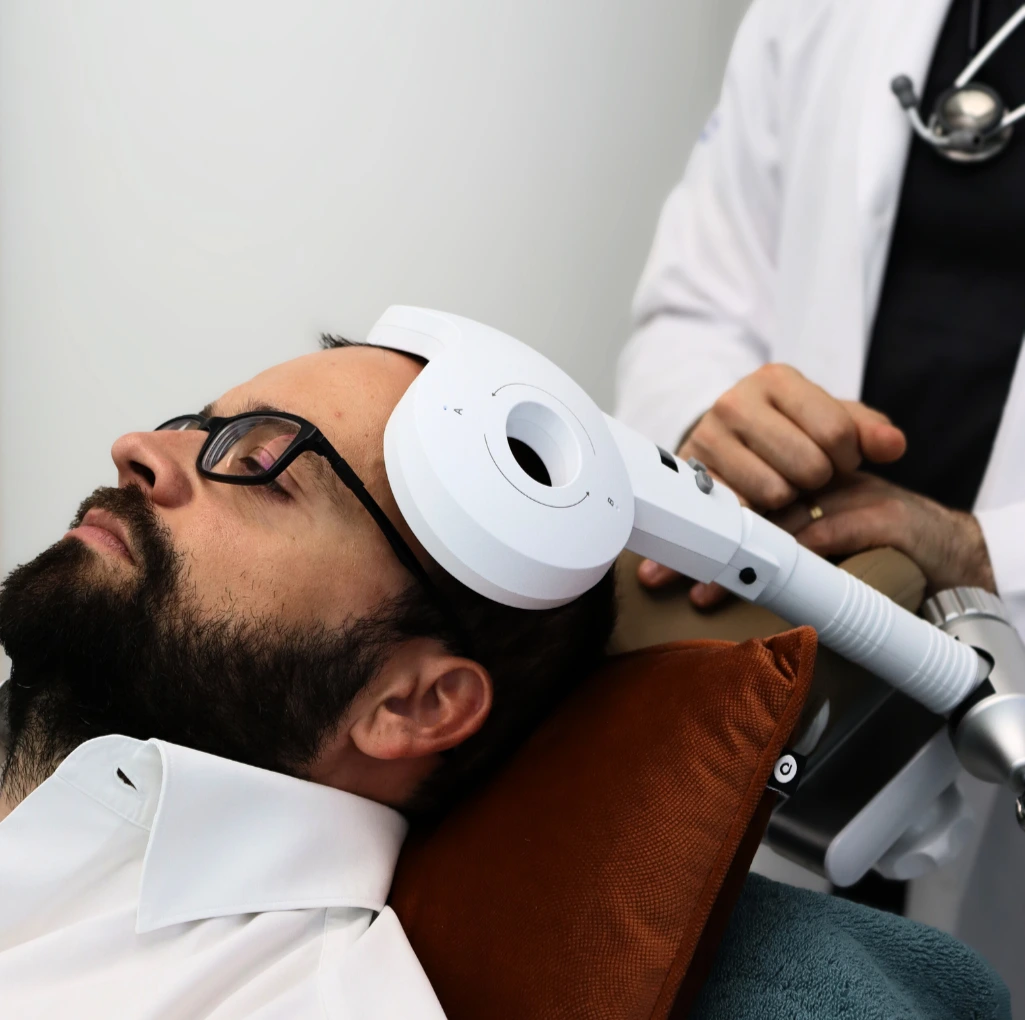
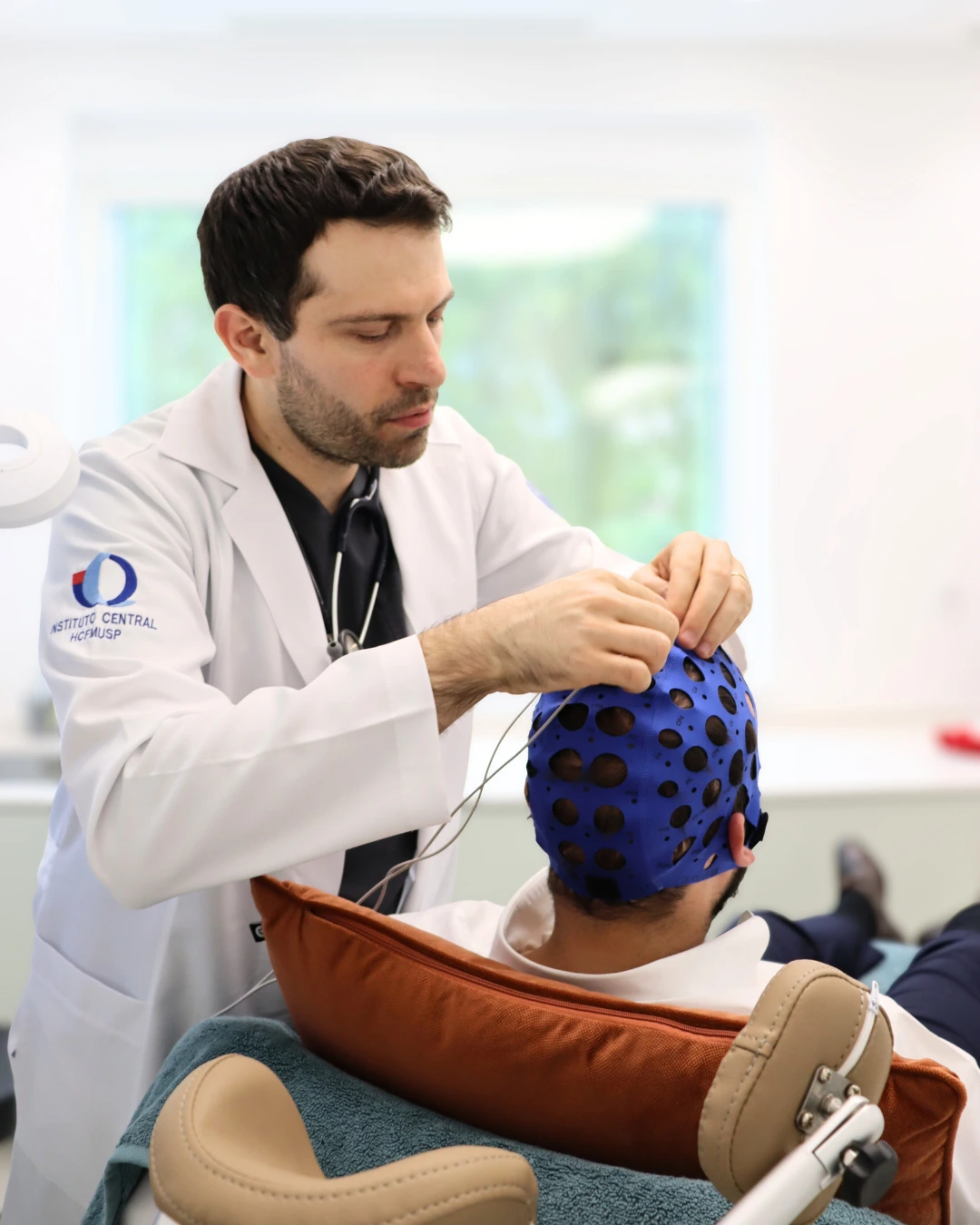
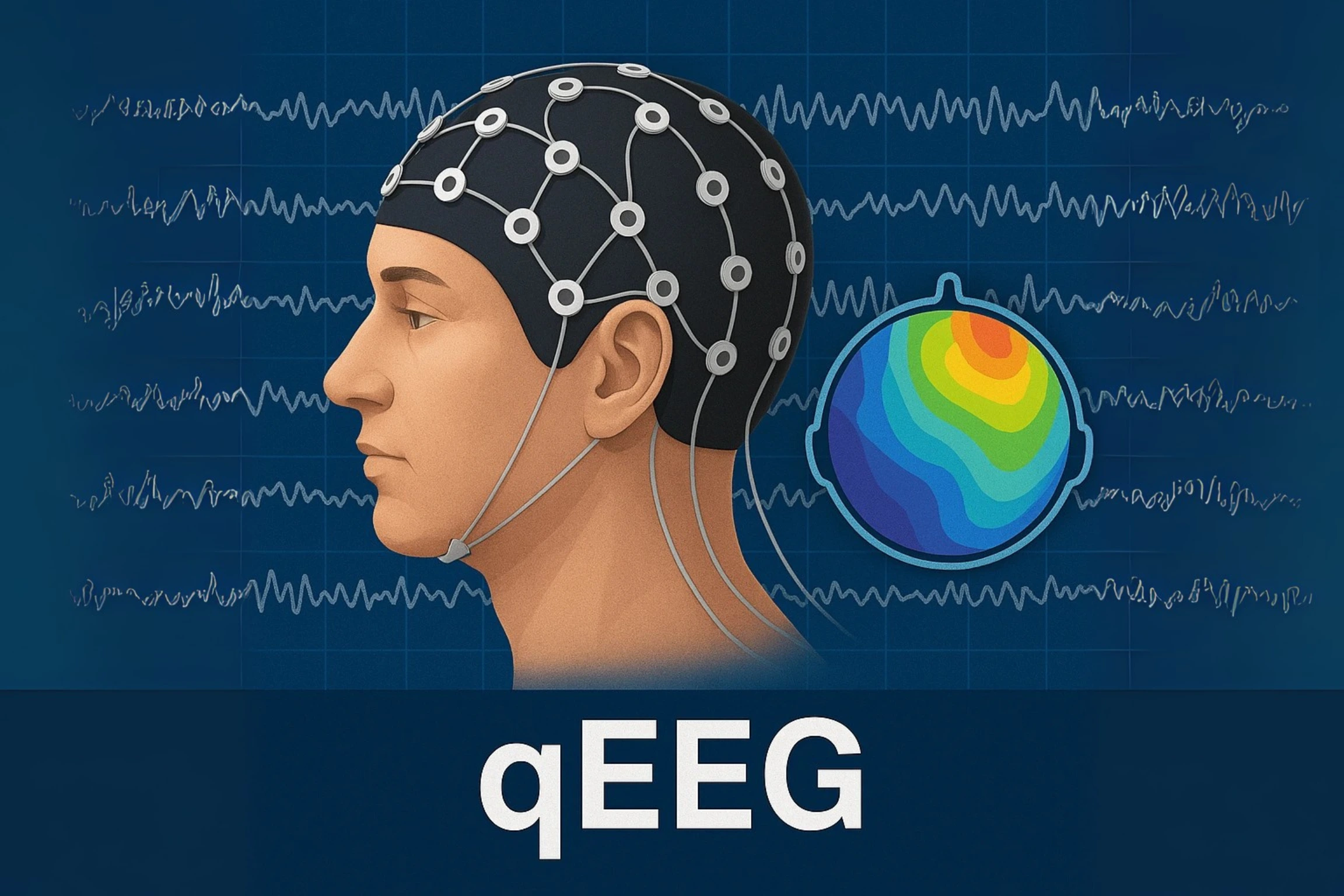
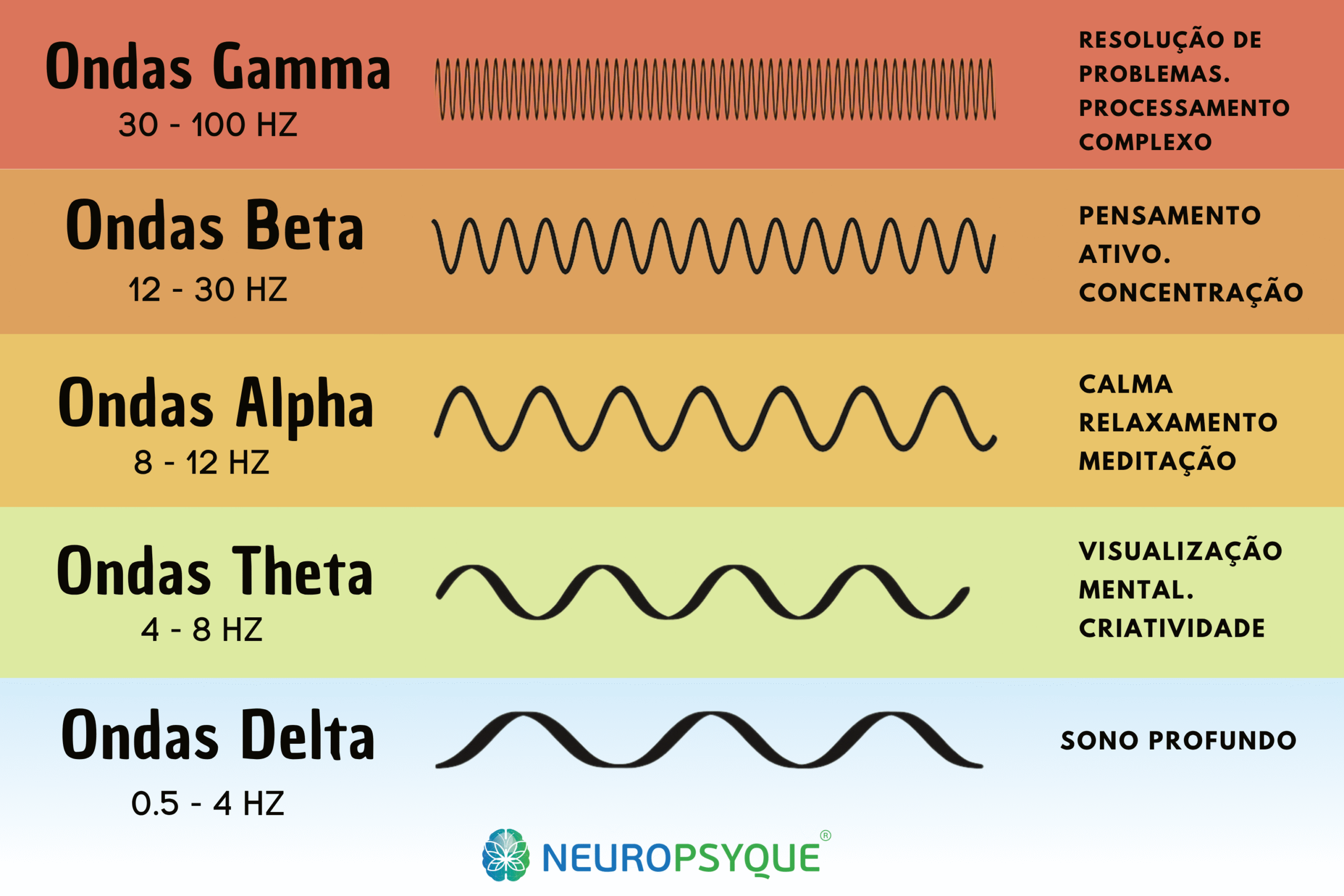
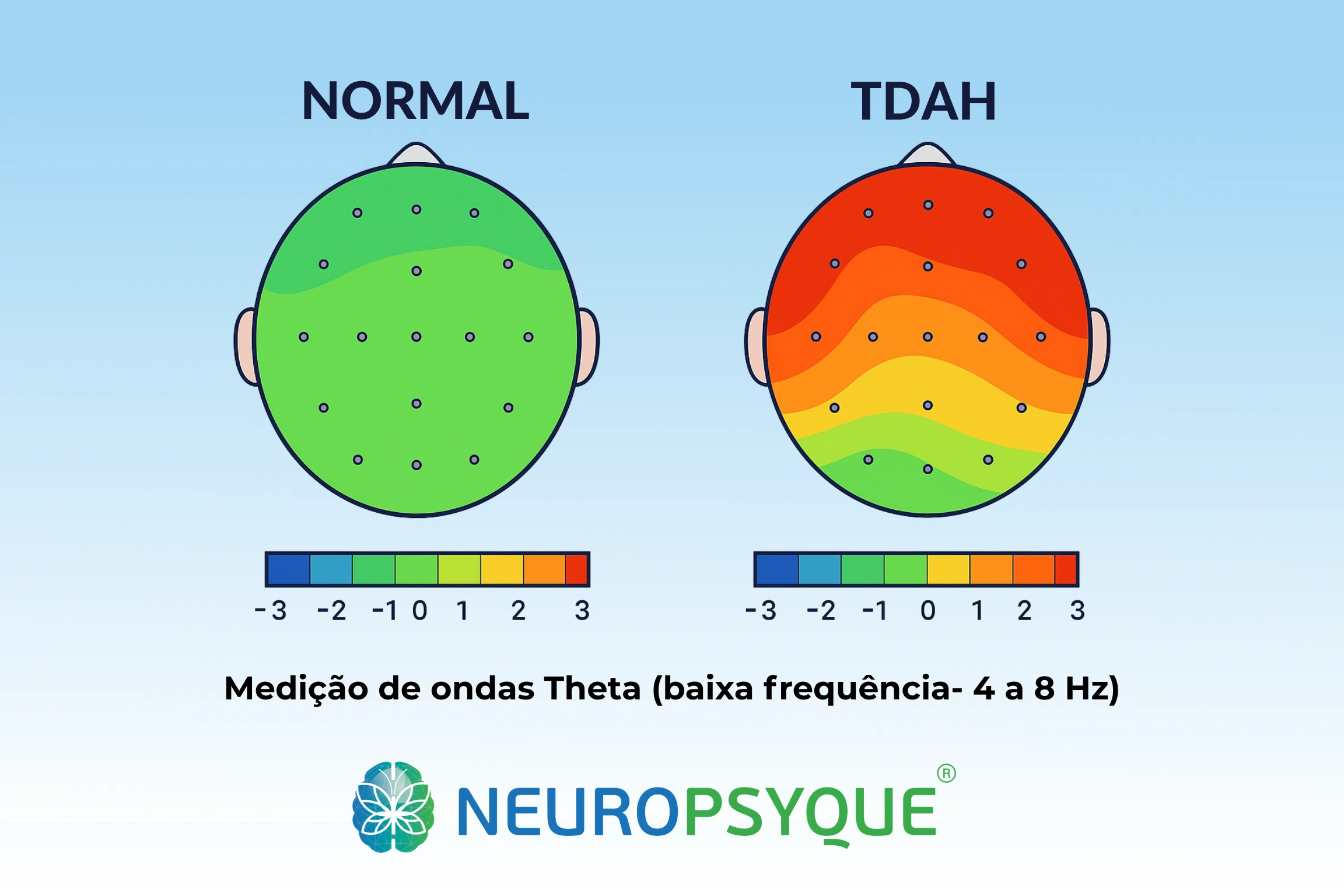
At Clínica NeuroPsyque, we offer an integrated approach, looking at overall health and well-being, not just symptoms. We combine precision pharmacological therapies with innovative strategies such as neuromodulation (Neurofeedback, EMT and tDCS) and brain mapping (qEEG). Our main aim is to help you regain control, increase your ability to focus and achieve a more balanced and productive day-to-day life.
FAQ's about ADHD
Does ADHD only affect children?
How is the diagnosis made in adulthood?
Does treatment always involve medication?
How can neurotherapy (neurofeedback) help with ADHD?
Can ADHD be cured?
Do I need a doctor's referral to book an appointment?