Espetro do Autismo: avaliação e acompanhamento em Lisboa

AUTISM SPECTRUM DISORDER - Support in Lisbon

Specialised diagnostic assessment and follow-up for children, adolescents and adults with ASD in Lisbon - differential diagnosis, intervention and neuromodulation

WHAT IS AUTISM SPECTRUM DISORDER?

Avaliação neuropsiquiátrica da Perturbação do Espetro do Autismo — NeuroPsyque Lisboa

A condition in the form of a spectrum

Autism Spectrum Disorder (ASD) is a complex neurodevelopmental condition characterised by persistent differences in communication and social interaction and by restricted and repetitive patterns of behaviour. Autism it's not a defined set of symptoms - it's a spectrum of variations, It is often grouped by type. With a neurobiological basis, it is the result of differences in the connectivity and functional organisation of brain networks involved in social, sensory and executive processing, and has a strong genetic component, with heritability estimated at between 64 and 91%. ASD it's not a disease to be cured, But a different form of brain functioning which, with the right support, allows for autonomy, functionality and quality of life.

Areas of difference characteristic of PEA

  • Communication and social interaction
    Difficulties in socio-emotional reciprocity, in non-verbal language (eye contact, facial expression, gestures) and in developing and maintaining relationships - with great variability between individuals and throughout development.
  • Restricted and repetitive behaviour patterns
    Repetitive movements or speech (stereotypes), rigid adherence to routines, intensely focused and highly specific interests.
  • Atypical sensory processing
    Increased or decreased sensory reactivity - sounds, textures, lights, smells or temperature.
  • Executive functions and emotional regulation
    Possible difficulties in cognitive flexibility, planning, response inhibition and emotional regulation - often accompanied by high anxiety, which is the most prevalent comorbidity in ASD at all ages.

CLINICAL PROFILES, PRESENTATIONS AND COMORBIDITIES

High Functioning ASD - Late Diagnosis in Adolescents and Adults

Many individuals with ASD arrive for assessment as adults - after years of unexplained difficulties in relationships, employment or mental health. "Masking" (actively camouflaging autistic differences in order to adapt to the environment) is especially common in women and significantly delays diagnosis.

Late Diagnosis

PEA in Women - An Underdiagnosed Phenotype

Girls and women with ASD often have a distinct clinical profile - a greater capacity for social camouflage, more socially accepted interests and internalised symptoms such as anxiety and depression rather than externalised behaviours. This explains the historical ratio of 4:1 (male:female) which current studies show to be significantly lower, closer to 3:1 or even 2:1.

Female Phenotype

ASD and ADHD - Similarities

Around 50 to 70% of individuals with ASD fulfil ADHD criteria, and vice versa. The two conditions share neurobiological and genetic bases and often coexist, requiring careful differential assessment. Recognising this comorbidity is crucial to the intervention plan - as pharmacological treatment for ADHD can significantly benefit overall functioning in ASD.

Frequent Comorbidity

Anxiety, Depression and Mental Health in ASD

Anxiety affects 40 to 60% of individuals with ASD and is often the main cause of seeking medical help - often without the basic diagnosis of ASD being established. Depression, autistic burnout (exhaustion resulting from years of masking) and the risk of suicidal ideation are clinical realities that require full attention and close specialised monitoring.

Mental Health
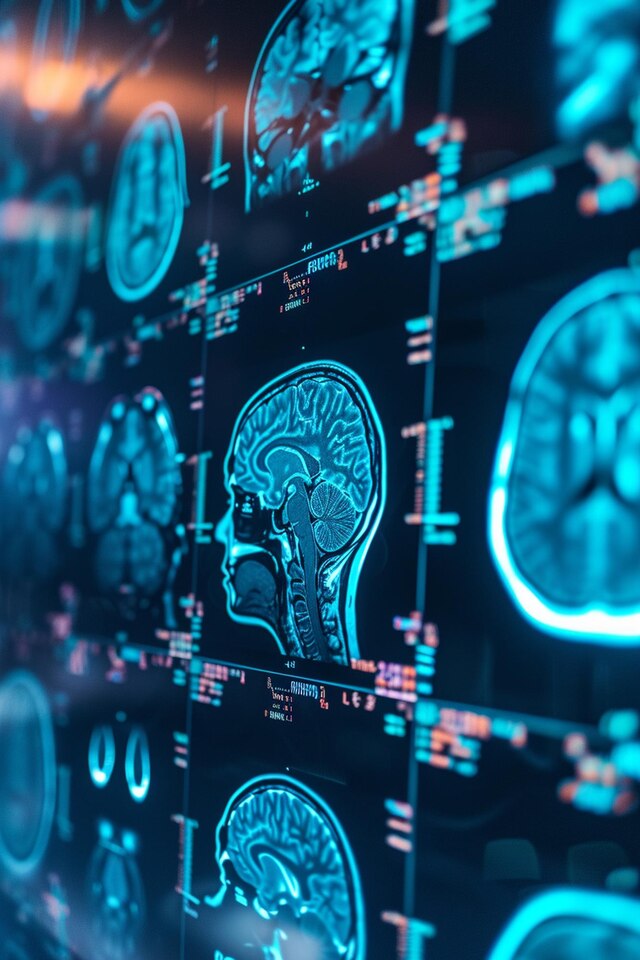
Perturbação do Espetro do Autismo — avaliação neuropsiquiátrica e neurodesenvolvimento

ASD is present in around 1 in 36 children - and it is estimated that more than half of adults with ASD have never received a formal diagnosis, living without understanding the origin of certain difficulties.

PEA: PREVALENCE, DIAGNOSIS
AND IMPACT OF THE INTERVENTION

A condition more prevalent than previously thought - and with a profound impact on each person's life when not adequately supported

1in 36
children diagnosed with ASD in the US according to the CDC (2023) - a significant increase on previous estimates, reflecting greater clinical recognition
5years
is the average age of diagnosis - but many adults come to the assessment decades later, often through a diagnosis in a child
40%
60% of individuals with ASD have significant clinical anxiety - often the main cause of seeking specialised help
80%
improvement in adaptive functioning and quality of life with early and individualised evidence-based intervention

* Data based on published epidemiological studies and clinical trials. Individual results may vary.

Sources: clinical data, CDC Autism and Developmental Disabilities Monitoring Network (2023), van 't Hof et al. (2021) - Autism Journal - age at diagnosis, Meta-analysis on anxiety in ASD, Early intervention effectiveness studies - MDPI
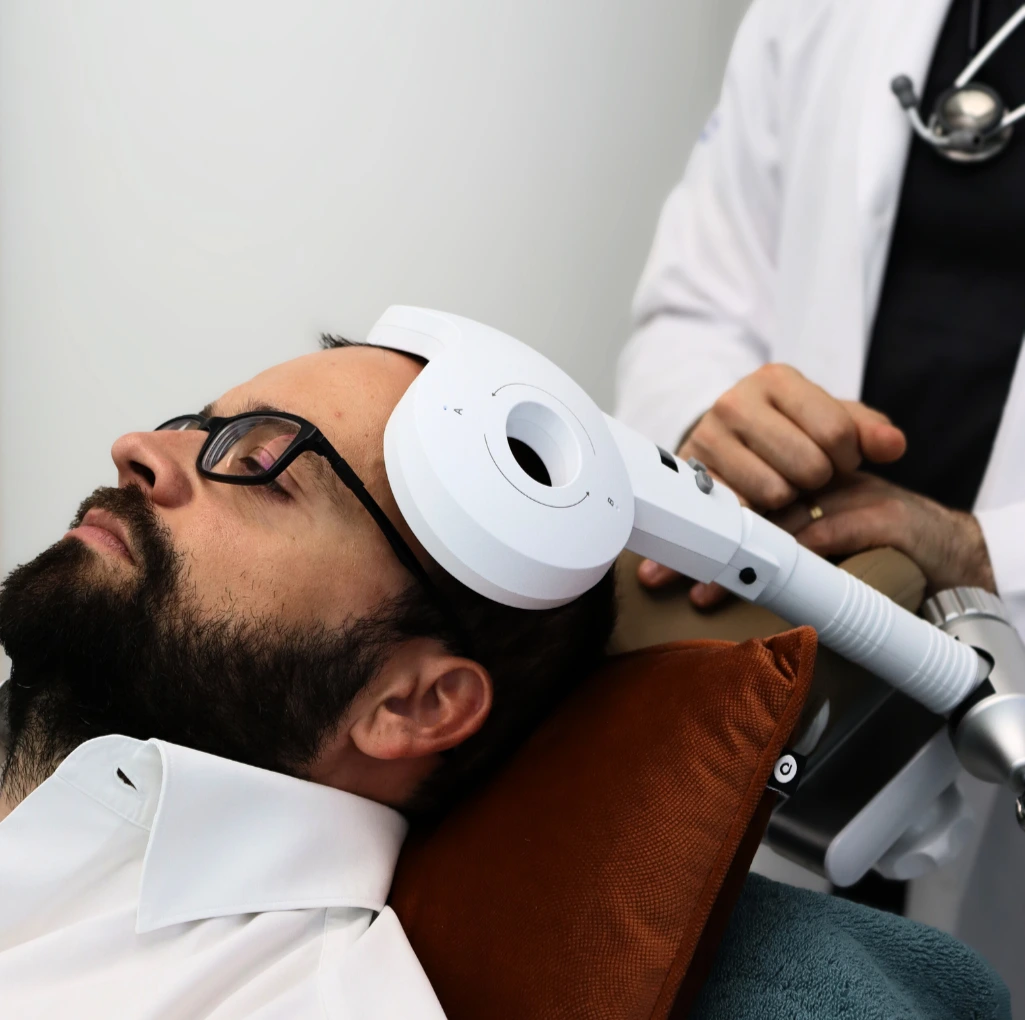
TECHNOLOGY AND THE THERAPEUTIC ENVIRONMENT

Neuroimagem
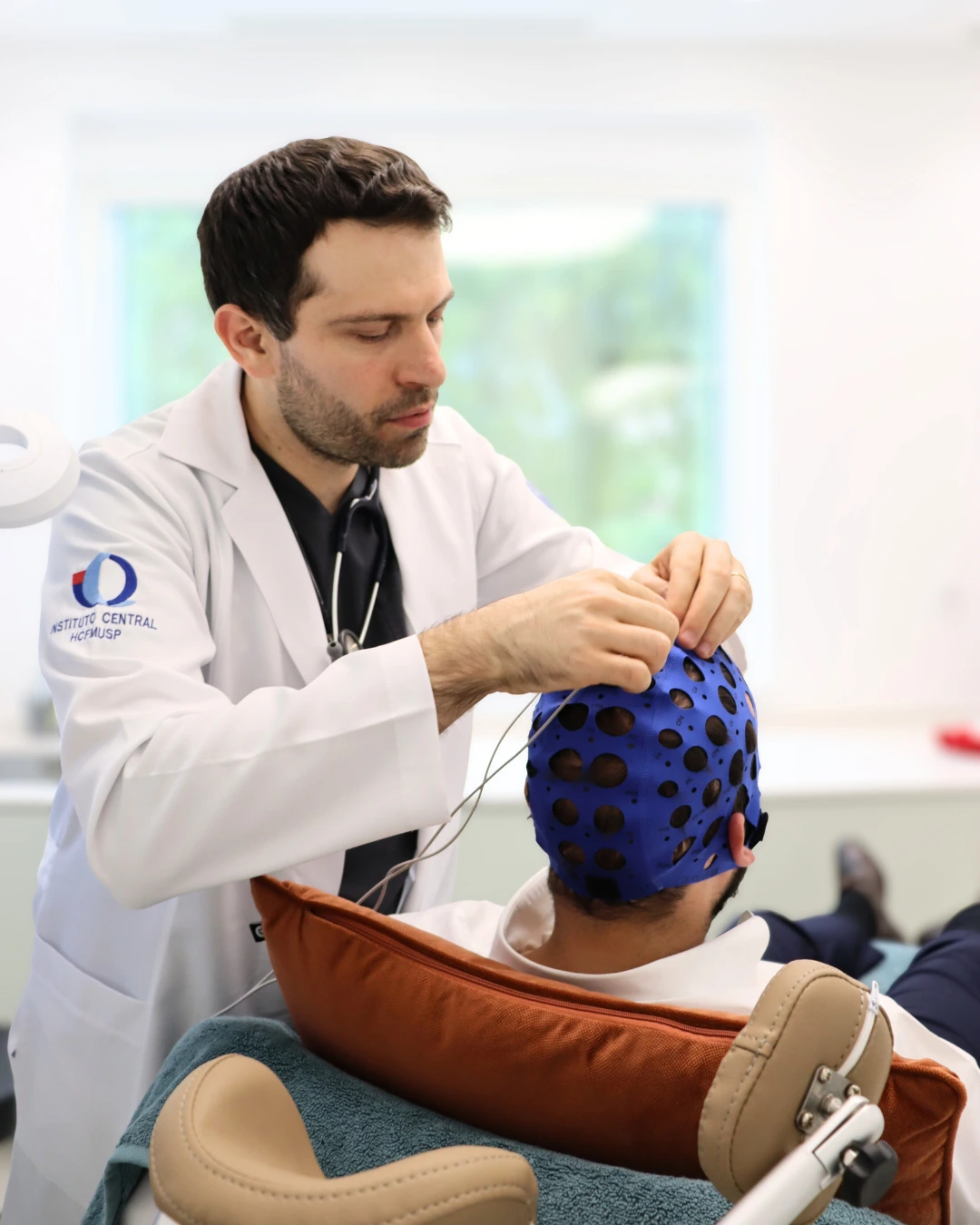
Estimulação Magnética Transcraniana
tDCS
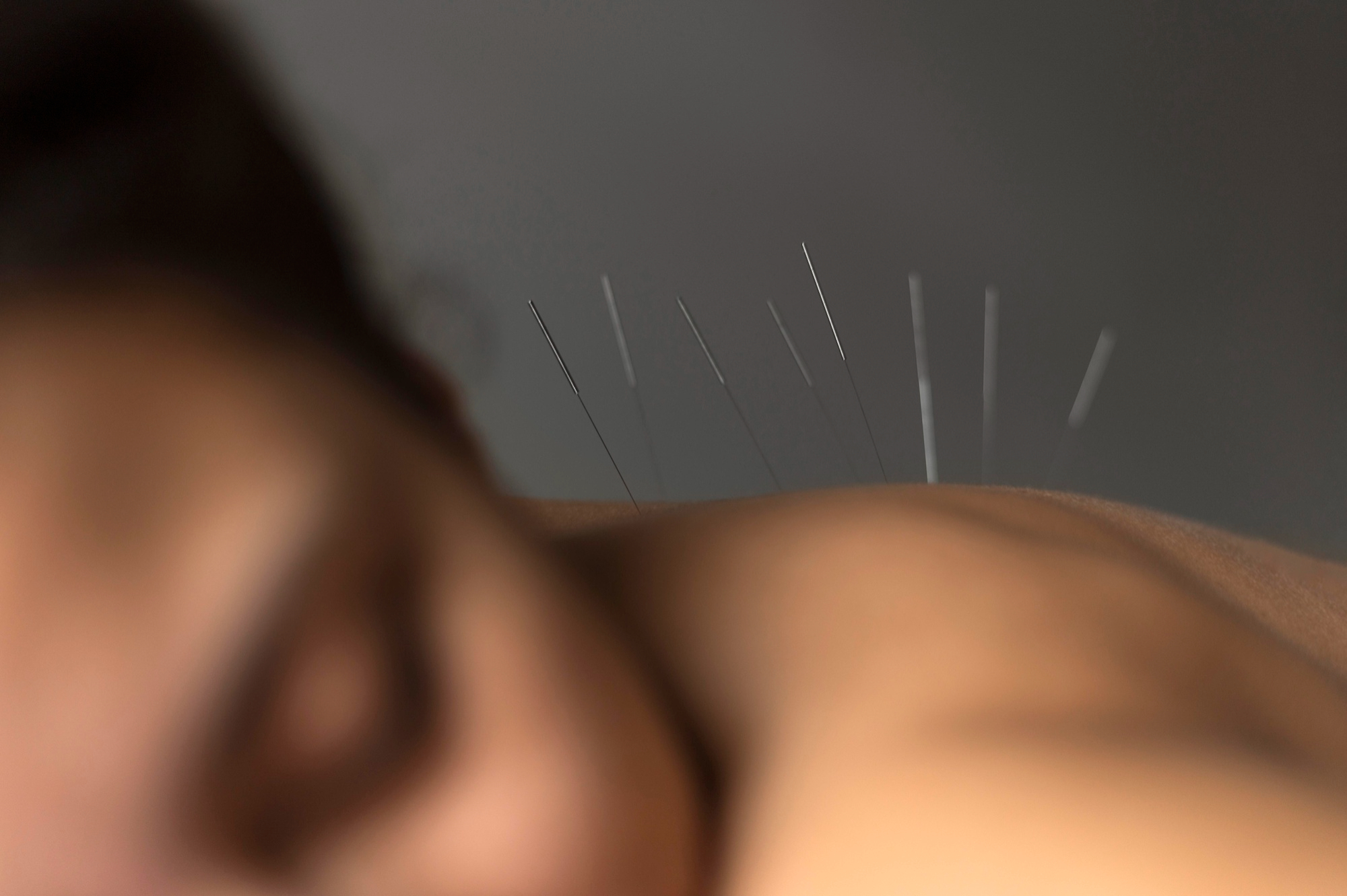
Acupuntura
tDCS - Estimulação Eléctrica Transcraniana
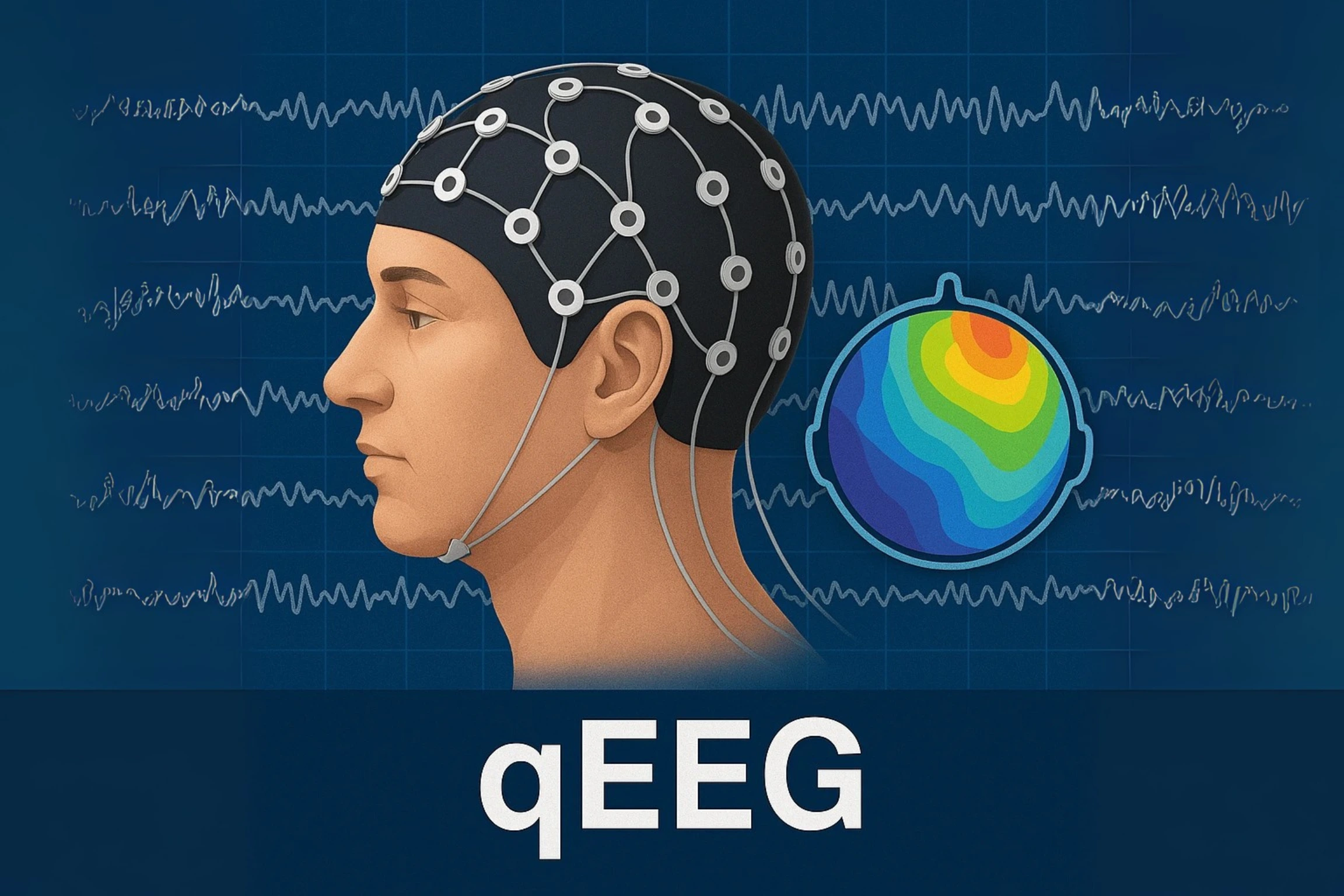
qEEG
Clínica Lisboa
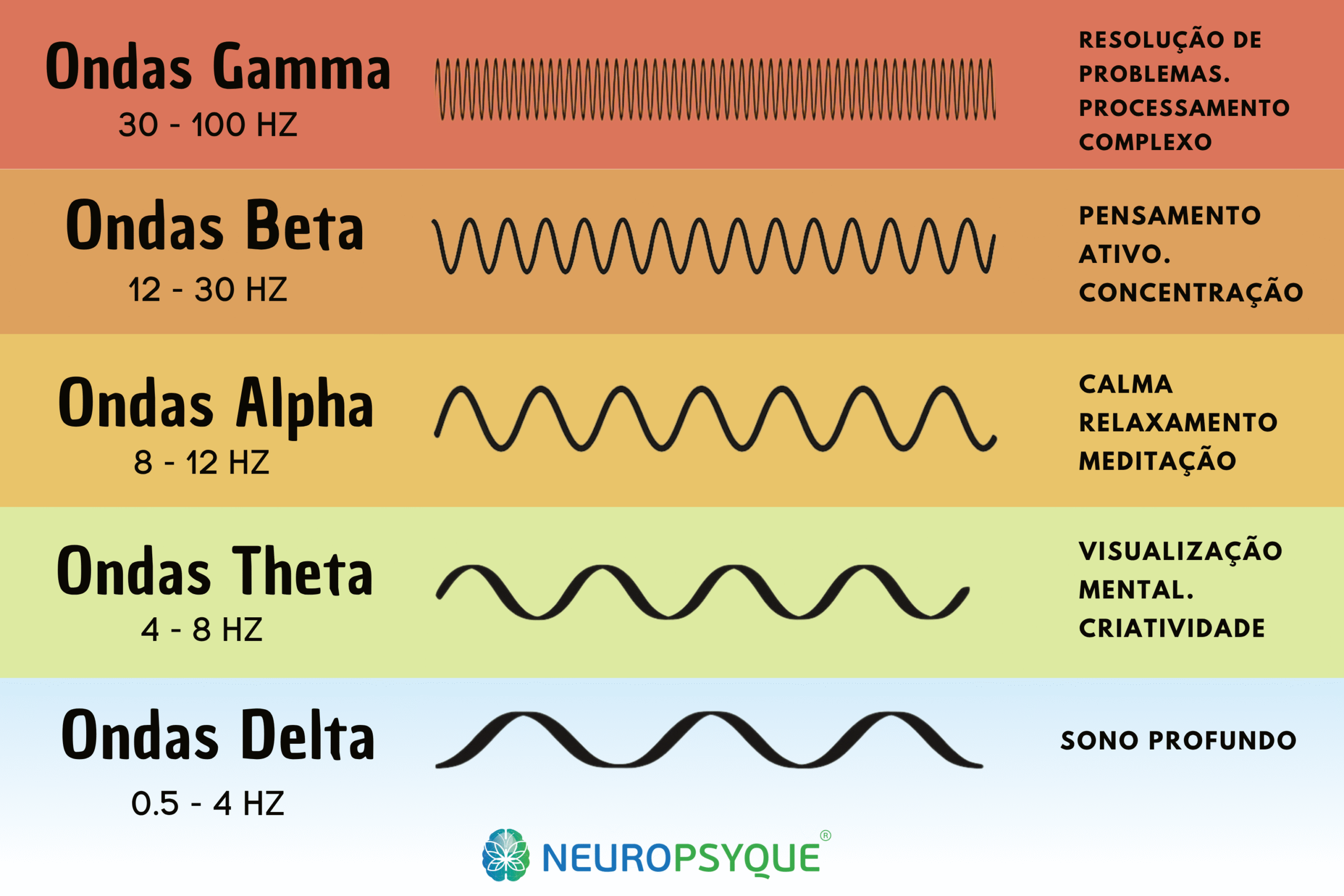
Ondas Cerebrais
Fisiologia
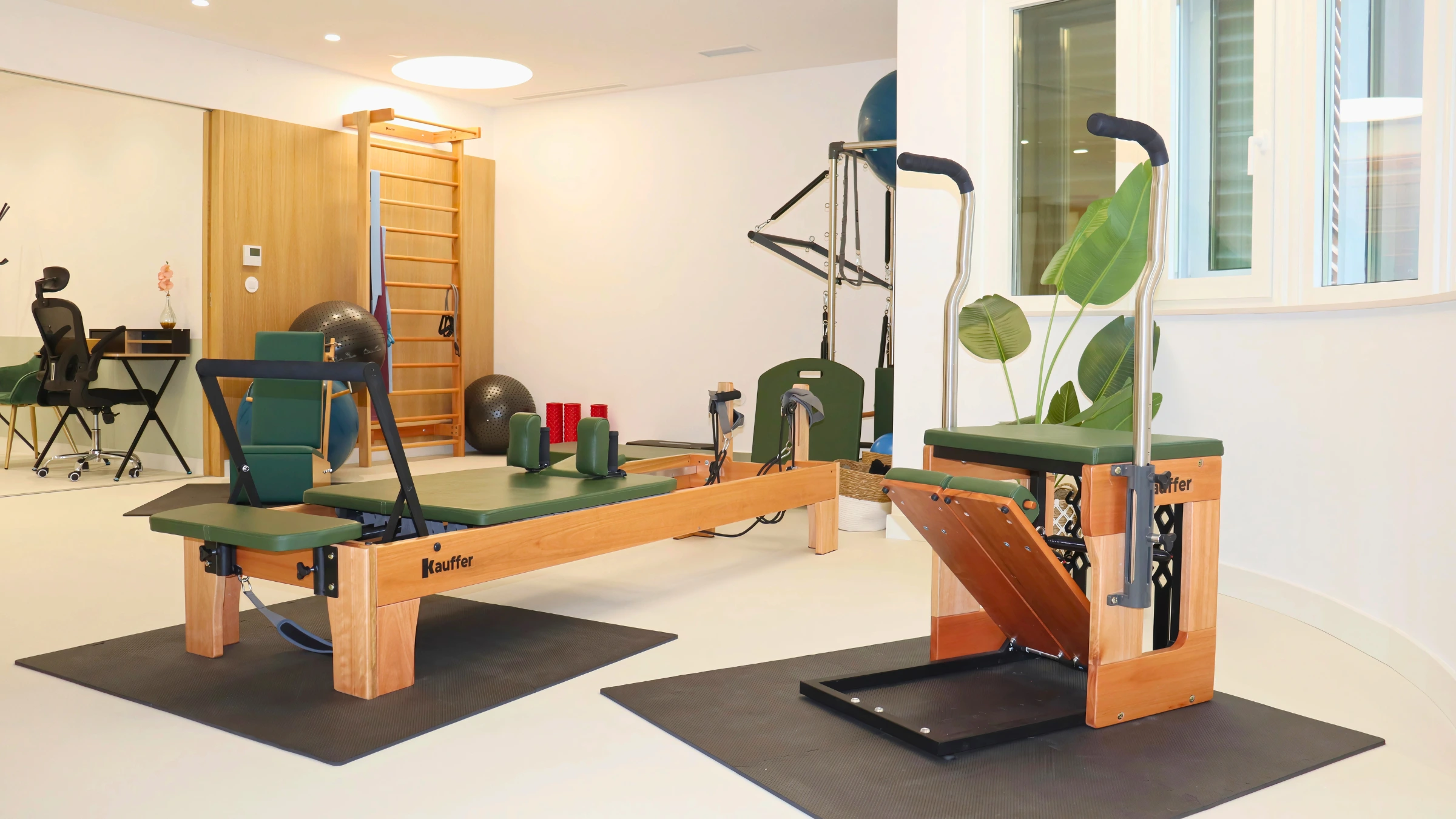
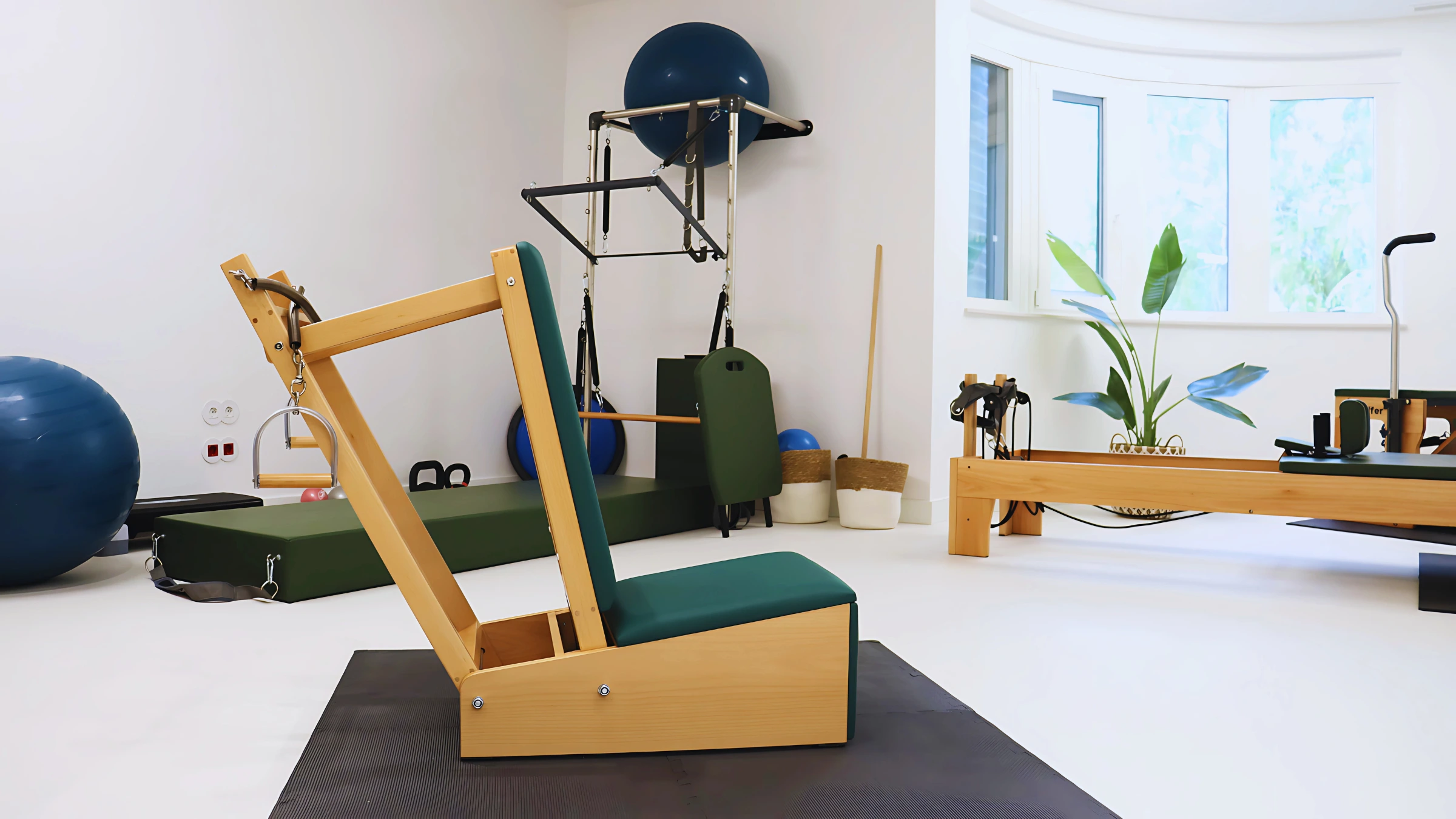
Sala Fisioterapia
Espaço Movimento e Saúde

IMPORTANCE OF SPECIALISED ASSESSMENT

The diagnosis of ASD in adulthood - or even in adolescence - is often a turning point in a person's life. After years of feeling "different" without knowing why, of difficult relationships, of exhaustion from trying to fit into a world not designed for your neurological profile, realising that you have ASD brings relief, and above all the possibility of accessing appropriate strategies and support. A diagnosis doesn't change who you are - it gives you a map to navigate better. It's very important not to try to eliminate unique, positive personality traits by trying to eliminate specific negative effects of the condition.

💡 A diagnosis of ASD in an adult is not a limiting label - it's a tool for self-understanding and access to support. Specialised intervention significantly improves quality of life, mental health and autonomy at all ages.

At NeuroPsyque, the assessment of ASD includes an in-depth clinical anamnesis with an analysis of development and life history, validated assessment tools (ADOS-2, ADI-R, SRS-2, among others), neuropsychological assessment of executive functions, memory and cognitive profile, screening for psychiatric and neurological comorbidities, and - when indicated - assessment with qEEG and implementation of neurofeedback and neuromodulation protocols to manage anxiety, sensory regulation and executive functions. The intervention plan is always co-constructed with the patient and/or their family.

Frequently Asked Questions

FAQ's about Autism Spectrum Disorder

Is it possible to receive a diagnosis of ASD as an adult?
Yes - and it's more common than you might think. Many adults come to assessment after decades of misunderstood difficulties, often motivated by a diagnosis in a child, a mental health crisis, or recognising in themselves characteristics described in articles or online communities. Adult diagnosis is valid, clinically relevant, and can be transformative - regardless of age.
How is the diagnostic assessment of ASD carried out at NeuroPsyque?
The assessment is multi-modal and includes: (1) an in-depth clinical interview about developmental history, school or employment, relationships and mental health; (2) internationally validated assessment instruments - ADOS-2 (direct observation of social and communicative behaviour) and ADI-R (structured interview with the caregiver, in the case of assessments in children and young people), SRS-2 and AQ for screening; (3) neuropsychological assessment of executive functions, working memory and cognitive profile; (4) screening for comorbidities - ADHD, anxiety, depression, sensory disorders, among others. The process can take one or more sessions depending on the case.
What is autistic masking and why does it delay diagnosis?
Masking is the process by which many individuals with ASD learn, consciously or unconsciously, to imitate (mirror) neurotypical behaviours in order to integrate socially: forcing eye contact, memorising conversation scripts, suppressing stereotypes (deep interests) in public, etc. Although it allows for short-term adaptation, masking is cognitively exhausting, and often leads to so-called "autistic burnout", severe anxiety, and possibly depression. It can also mask the autistic profile to the inattentive assessor, which delays or prevents clinical recognition. It is especially prevalent in girls and women, partly explaining the late diagnosis in this group.
Can ASD and ADHD coexist in the same person?
Yes - and they often coexist. It is estimated that 50 to 70% of individuals with ASD also fulfil criteria for ADHD. The two conditions share neurobiological and genetic characteristics, and their overlap is clinically complex - some characteristics of ADHD (impulsivity, inattention, difficulty regulating emotions) overlap with symptoms of ASD and vice versa. A careful differential assessment is essential, as the intervention plan - including the decision to medicate the focus component - depends on this distinction.
What is the role of neurofeedback and neuromodulation in ASD?
O Neurofeedback, Neurofeedback, a neuromodulation therapy using real-time neuroimaging, makes it possible to identify patterns of brain activity associated with hyperactivation (anxiety and sensory overload) or underactivation (difficulties focusing) and to train the brain to regulate these patterns without jeopardising the positive points characteristic of the condition. In ASD, neurofeedback protocols have been shown to reduce anxiety and improve emotional regulation and executive functions. tDCS (Transcranial Direct Current Stimulation) and EMT/rTMS (Transcranial Magnetic Stimulation) also appear as promising adjuvants for regulating cortical excitability in frontal circuits involved in executive functions and social processing.
Does a diagnosis of ASD give you access to support and resources in Portugal?
Yes. In the school context, a diagnosis of ASD supports eligibility for measures to support learning and inclusion under Decree-Law 54/2018, including curricular adjustments, specialised support and an individual health plan. In adults, the diagnosis can support requests for reasonable adjustments in the workplace and access to social support. In terms of health, it supports referrals for specialised therapeutic intervention - speech therapy, occupational therapy, psychology - and for speciality consultations on the NHS or by agreement.
What is autistic burnout and how does it differ from depression?
Autistic burnout is a state of profound exhaustion - cognitive, emotional and physical - resulting from months or years of sustained masking and adaptation to an environment not designed for the autistic profile. It is manifested by regression in previous skills, loss of masking ability, irritability, social withdrawal and extreme exhaustion. It is distinguished from depression by its direct relationship with adaptation overload and improvement with a reduction in environmental demands - although the two conditions can coexist and require a differentiated therapeutic approach.
How to support a child with a recent diagnosis of ASD?
A recent diagnosis is a time of reorganisation - especially for the family. The immediate priorities are: (1) starting the process of understanding your child and their peculiarities - ASD has very diverse expressions and the diagnosis is the beginning, not the destination; (2) organising early and individualised therapeutic intervention, according to need - speech therapy, occupational therapy with sensory integration, psychology, evidence-based behavioural intervention, etc.; (3) liaising with the school to implement support measures if necessary; (4) looking after the well-being of the family itself, in order to guarantee emotional stability for everyone.
Does NeuroPsyque support people with ASD at all ages?
Yes. We carry out diagnostic assessments (Psychiatry/Neuropsychiatry consultation) and follow-up for children from 3-4 years old, adolescents and adults - including people who arrive with an established diagnosis and are seeking a second opinion, reassessment or support for comorbidities (parallel conditions). Follow-up can include neuropsychiatric follow-up, pharmacological management of comorbidities (anxiety, ADHD, Sleep disturbances, etc.), and the introduction of therapies such as Neurofeedback or EMT. Contact us to understand the best entry point for your specific situation.