Skip to content



ESSENTIAL TREMORS - Treatment in Lisbon
Specialised assessment and neurological follow-up for Essential Tremors in Lisbon
WHAT ARE ESSENTIAL TREMORS?

A frequent and often underappreciated movement disorder
Essential Tremors are a neurological movement disorder characterised by involuntary trembling, usually more evident during action or when maintaining certain postures than at rest. They most often affect the hands and arms, but can also involve the head, voice or other regions of the body. Although they are not usually a symptom of a serious degenerative disease, they can significantly interfere with normal everyday tasks such as writing, eating, drinking or working, warranting neurological assessment and an individualised therapeutic plan.
Most common manifestations
- Hand tremor during actionThe tremor appears above all when holding objects, writing, using cutlery, drinking from a glass or making fine movements.
- Worse in situations of stress or fatigueAnxiety, tiredness, sleep deprivation and emotional pressure can increase the intensity of the tremor.
- Head or voice involvementIn some people, rhythmic head movements or vocal tremor can appear, with a major social and functional impact.
- Interference with autonomy and quality of lifeEven when the tremor is not serious from a neurological point of view, it can cause psychological embarrassment, functional limitations and insecurity in everyday activities.
MAIN CHARACTERISTICS OF ESSENTIAL TREMORS
Action and postural tremor
The tremor tends to appear when the person is using their hands or maintaining a posture, rather than only at rest.
ActionPossible family component
There is often a family history of tremor, suggesting a hereditary predisposition in many cases.
FamilyCan affect hands, head and voice
Although the hands are the most common location, tremor can also involve the head or voice, with functional and social repercussions.
DistributionVariable severity between people
In some situations the tremor is mild; in others, it becomes intense enough to warrant pharmacological treatment or other specialised approaches.
Variable
Despite often being seen as “benign”, Essential Tremors can have a real impact on functionality, self-esteem and social life and should be properly assessed.
EFFECTIVE CONTROL OF ESSENTIAL TREMORS
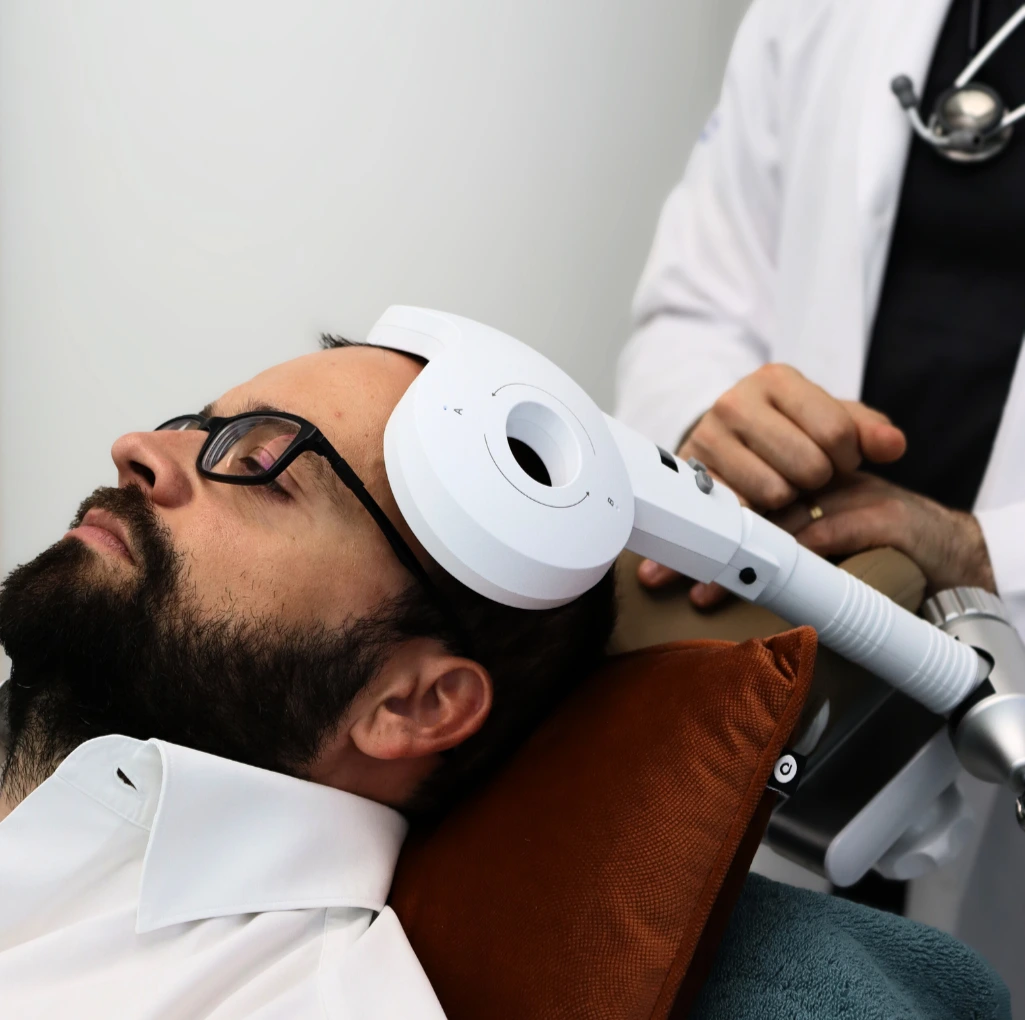
Results based on randomised clinical trials and meta-analyses on pharmacotherapy and neuromodulation in Essential Tremors
* Results vary according to the intensity of the tremor and the individual response. Combining different approaches optimises symptom control over time.
Sources: clinical data, Alharbi et al. (2024) - pharmacological treatment in essential tremor, Zesiewicz et al. (2011) - American Academy of Neurology guidelines, Girónell et al. (2018) - combined therapeutic approaches, Philip NS et al. (2019) - non-invasive neuromodulation.

IMPORTANCE OF SPECIALISED CONSULTATION
Essential tremor should be assessed in a neurological consultation to confirm the diagnosis, exclude other causes of tremor and understand the extent to which the symptoms are affecting daily life. Not all tremor is essential tremor, so specialised clinical observation is essential to distinguish this condition from other movement disorders or secondary causes.
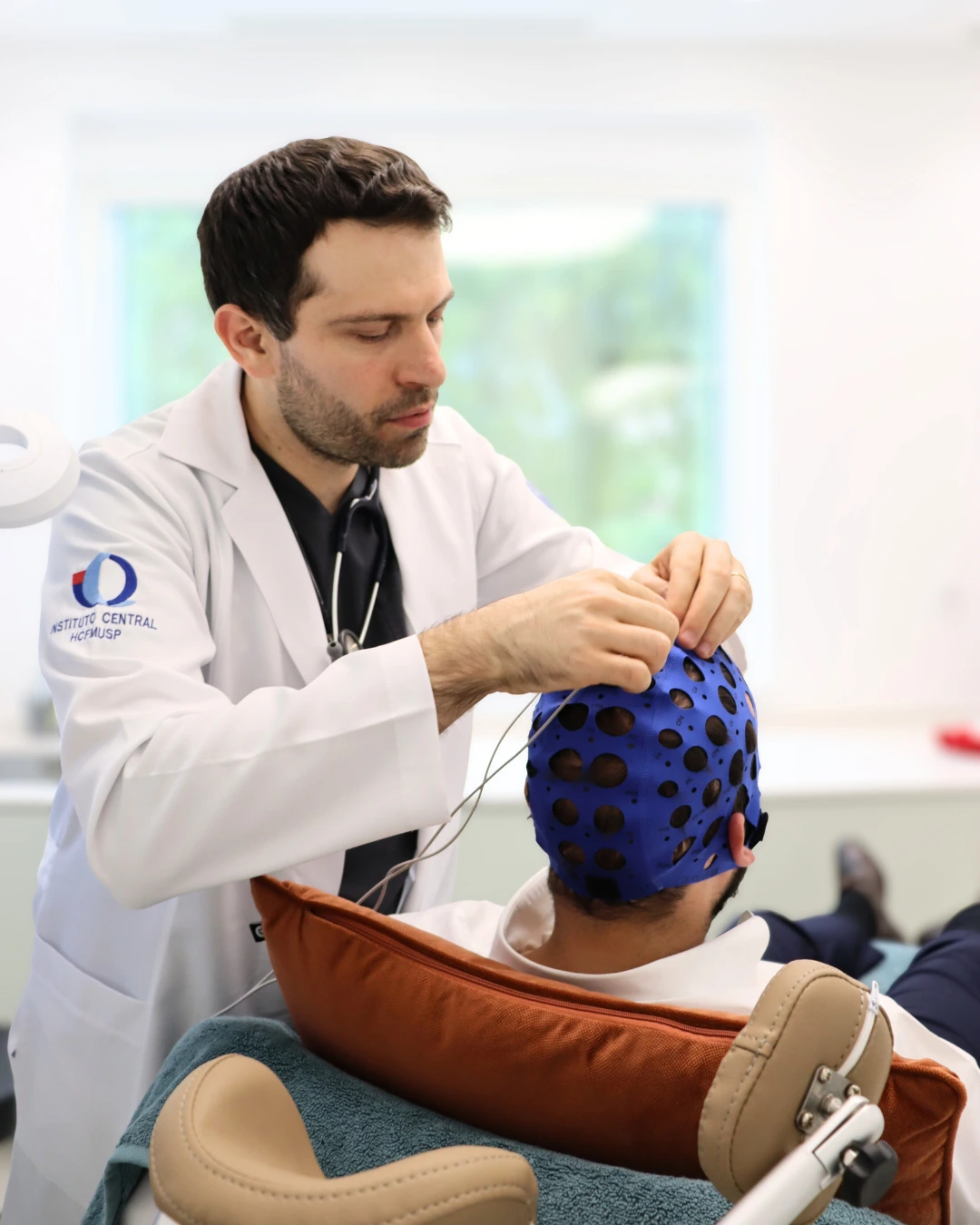
At NeuroPsyque, the consultation is geared towards a rigorous assessment of the tremor pattern, its clinical context and the concrete impact on daily life. From there, it is possible to structure an adjusted therapeutic plan, which can include pharmacological strategies, practical guidelines and specialised follow-up, always with a humane approach and centred on the person's real functionality.
FAQ's on Essential Tremors
What should I expect at the first assessment appointment?
Do Essential Tremors only affect the hands?
Can stress make tremor worse?
How does it differ from other causes of tremor, such as Parkinson's Disease?
Can Essential Tremors be cured?
When should I seek medical help?
Does having family members with tremor make me more likely to have it too?
Do I need a doctor's referral to book an appointment?