Skip to content



PARKINSON'S DISEASE - Treatment in Lisbon
Specialised assessment, treatment and multidisciplinary follow-up for Parkinson's Disease in Lisbon
WHAT IS PARKINSON'S DISEASE?

A neurodegenerative disease that affects movement control
Parkinson's Disease is a progressive neurological disorder associated mainly with the loss of dopamine-producing neurons in specific areas of the brain. This impairs movement regulation, but can also affect sleep, mood, cognition and various autonomic (involuntary) functions. The impact varies from case to case, making rigorous clinical assessment and close monitoring essential.
Most common manifestations
- Resting tremorInvoluntary tremor, often starting in one hand, more evident at rest, and which can subside during action.
- Motor slownessSlower movements, difficulty initiating actions and a progressive reduction in motor spontaneity.
- Stiffness and gait changesA feeling of muscle stiffness, decreased arm swing, short steps and postural instability.
- Non-motor symptomsAs the disease progresses, sleep disturbances, constipation, a reduced sense of smell, anxiety, depression and cognitive changes can occur.
MAIN FORMS AND CHARACTERISTICS OF PARKINSONISM
Tremor predominance
In some patients, tremor is the most obvious symptom in the early stages, with slower progression in certain cases.
TremorPredominance of rigidity and slowness
In other cases, the disease manifests itself mainly through bradykinesia (slowness), rigidity, and progressive changes in posture and gait.
EngineRelevant non-motor symptoms
Parkinson's is not limited to movement: sleep, mood, pain, constipation, fatigue and cognitive changes can have a major impact on clinical and general well-being.
No engineMultifactorial origin
Parkinson's disease results from the interaction between ageing, neurodegenerative mechanisms, individual susceptibility and, in some cases, genetic factors.
Etiology
The clinical presentation of Parkinson's varies greatly, so the diagnosis and therapeutic plan must always be individualised.
TREATMENT EFFECTIVENESS AT PARKINSON
Parkinson's Disease has therapeutic options that, when properly applied, provide significant and sustained functional improvement
* The evolution of Parkinson's varies. Specialised monitoring and regular therapeutic adjustments are essential to optimise clinical and functional results over time.
Sources: clinical data, NIH/PubMed - meta-analysis of levodopa treatment (mean improvement of 40.3% ± 15.2% in motor symptoms; 18 clinical trials, 2208 patients); NIH/PubMed - meta-analysis of DBS in advanced Parkinson's (UPDRS motor improvement, 35 studies included); Cochrane Library - continuous dopaminergic therapy and reduction of OFF time in Parkinson's.




IMPORTANCE OF SPECIALISED CONSULTATION
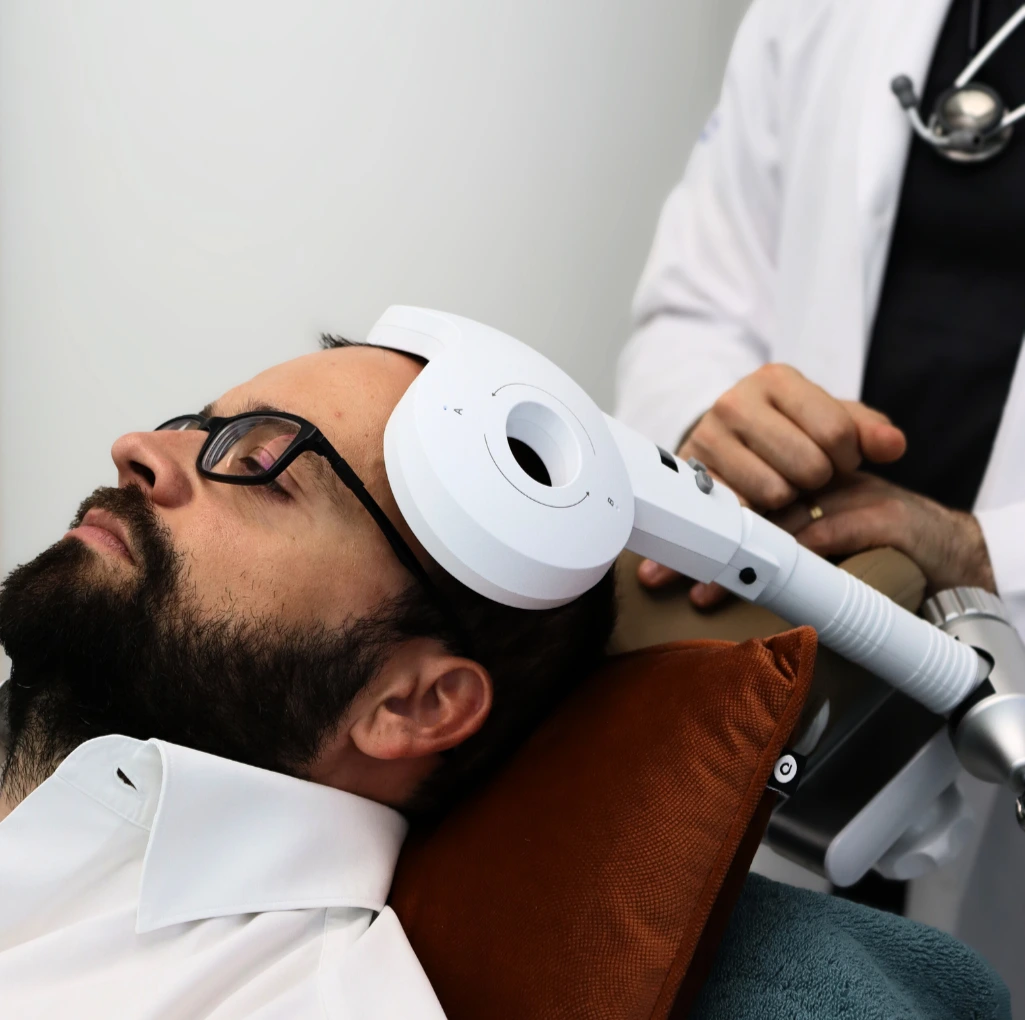
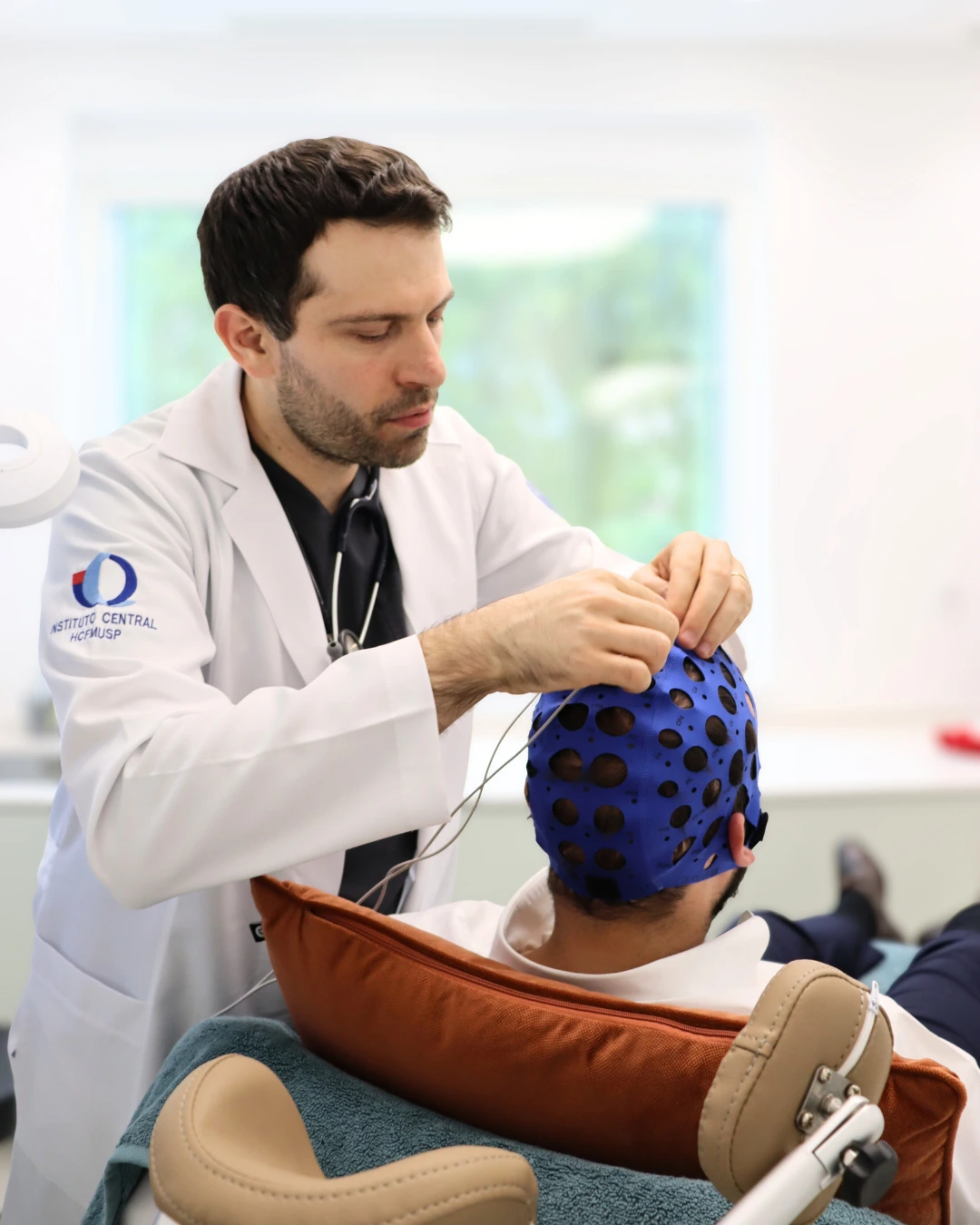
Parkinson's disease requires a differential neurological assessment in order to confirm the diagnosis by distinguishing other causes of tremor or parkinsonism. Consultation is essential to identify the clinical pattern, assess motor and non-motor symptoms and define a therapeutic strategy tailored to the stage of the disease and the specific needs of each person.
At NeuroPsyque, follow-up is based on a multidisciplinary approach, integrating rigorous neurological assessment, monitoring of therapeutic response, symptomatic control and articulation with strategies for rehabilitation, sleep, cognition and emotional well-being. The aim is to provide a close and deeply humanised follow-up throughout the course of the illness.
FAQ's about Parkinson's Disease
What should I expect at the first assessment appointment?
Is tremor always the first symptom?
How is Parkinson's Disease diagnosed?
Can Parkinson's Disease be cured?
Are non-motor symptoms important?
Do physiotherapy and rehabilitation make a difference?
When should I seek specialised help?
Do I need a doctor's referral to book an appointment?