Skip to content



MULTIPLE SCLEROSIS - Treatment in Lisbon
Specialised assessment and multidisciplinary follow-up for Multiple Sclerosis in Lisbon
WHAT IS MULTIPLE SCLEROSIS?
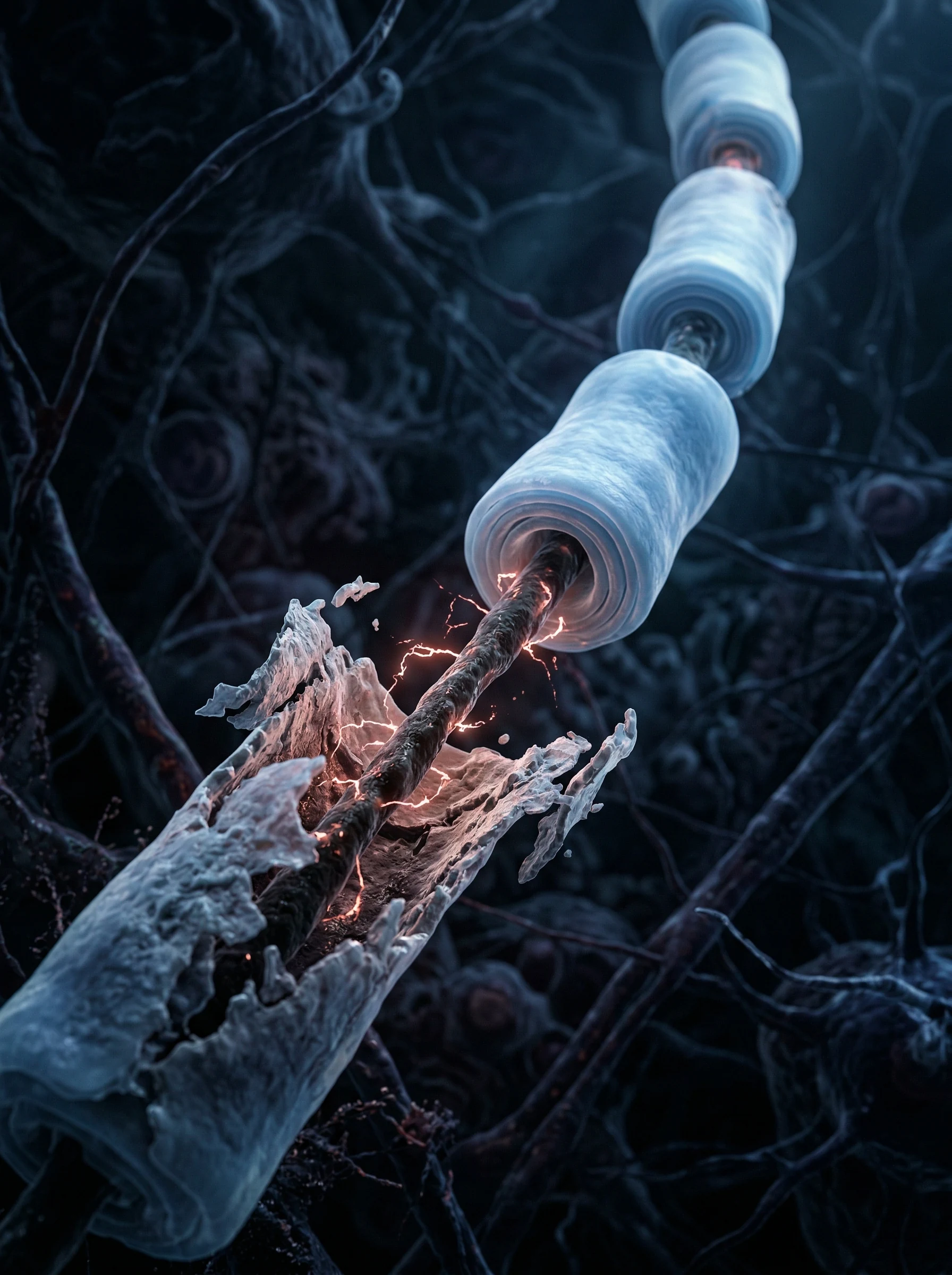
An inflammatory and demyelinating disease of the central nervous system
Multiple sclerosis is a chronic neurological disease in which the immune system attacks structures in the central nervous system. This alteration compromises the transmission of nerve impulses and can cause a wide range of symptoms, with an impact on mobility, vision, sensitivity, cognition and quality of life in general.
Most common manifestations
- Sensory changesNumbness, tingling, a sensation of electric shock or decreased sensitivity in different areas of the body.
- Fatigue and weaknessIntense tiredness, disproportionate to the effort, sometimes associated with reduced strength and intolerance to activity.
- Motor and balance disordersDifficulty walking, imbalance, stiffness, spasticity (involuntary contractions) and coordination changes.
- Visual and cognitive symptomsBlurred vision, eye pain, diplopia (double vision), difficulties with attention, memory and mental processing.
MAIN FORMS AND CHARACTERISTICS OF MULTIPLE SCLEROSIS
Outbreak-Remission Form
It is characterised by acute neurological outbreaks followed by periods of partial or total recovery. It is the most frequent form at the beginning of the disease.
More commonSecondary Progressive Form
After an initial phase with outbreaks, there may be a gradual progression of disability, with or without obvious inflammatory activity.
ProgressivePrimarily Progressive Form
From the outset there is a slow and continuous worsening of symptoms, often with a greater impact on walking and mobility.
ContinuousAutoimmune and multifactorial basis
Multiple Sclerosis results from the interaction between genetic predisposition, immune mechanisms and environmental factors that are still under investigation.
Etiology
The clinical presentation (type) varies greatly from person to person, so an individualised assessment is essential for a rigorous diagnosis and therapeutic plan.
EFFECTIVENESS OF TREATMENT
IN MULTIPLE SCLEROSIS
Current therapies enable significant control of inflammatory activity and long-term functional preservation
* Individual response to therapies varies. Regular neurological monitoring and the choice of treatment adjusted to the disease activity profile are key to prognosis.
Sources: clinical data, NIH/PubMed - Tramacere I. et al., network meta-analysis of 23 DMTs in relapsing remitting MS (ARR and flare rate); NIH/PubMed - Heine M. et al. (2015), systematic review of physiotherapy in MS (85.2% improvement in at least 1 functional outcome); EMA/FDA - natalizumab (Tysabri) and ocrelizumab (Ocrevus) factsheets; ECTRIMS/EFNS - Early treatment guidelines in MS.






IMPORTANCE OF SPECIALISED CONSULTATION
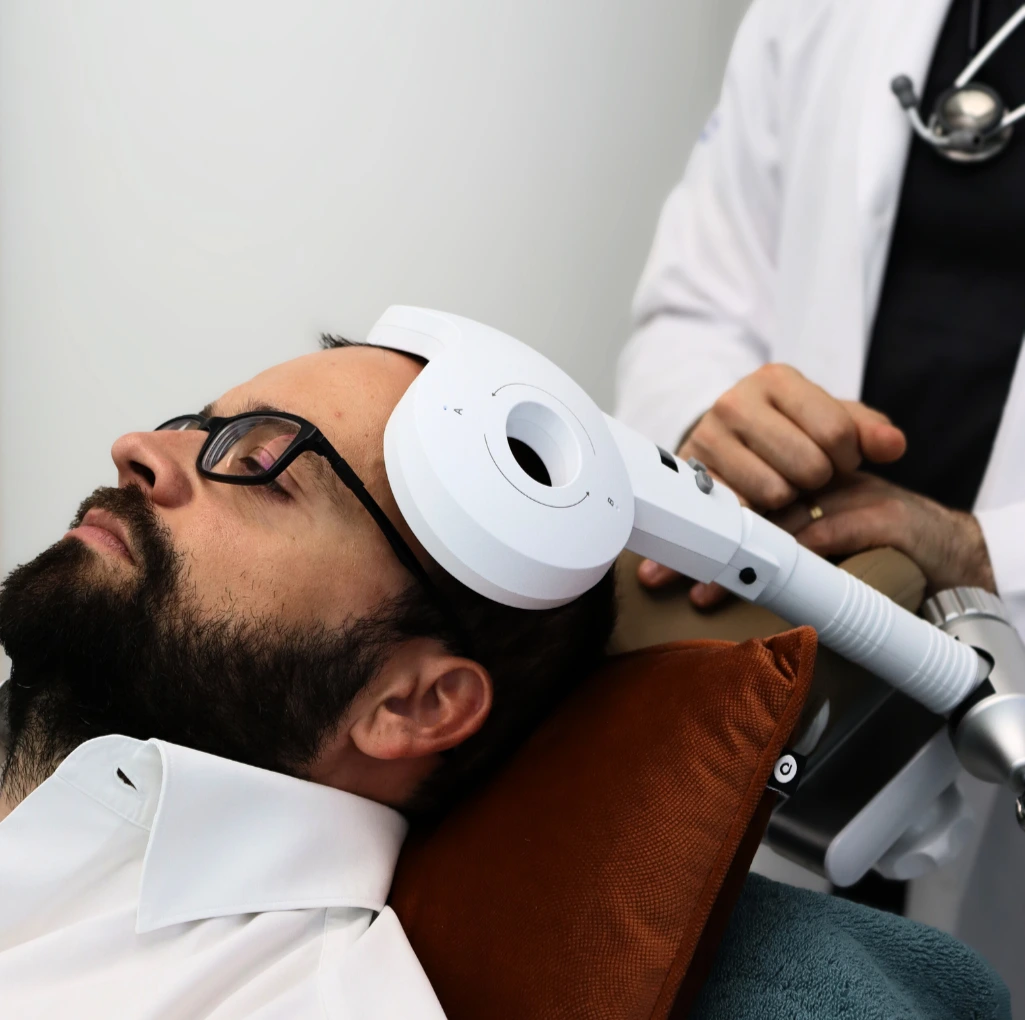
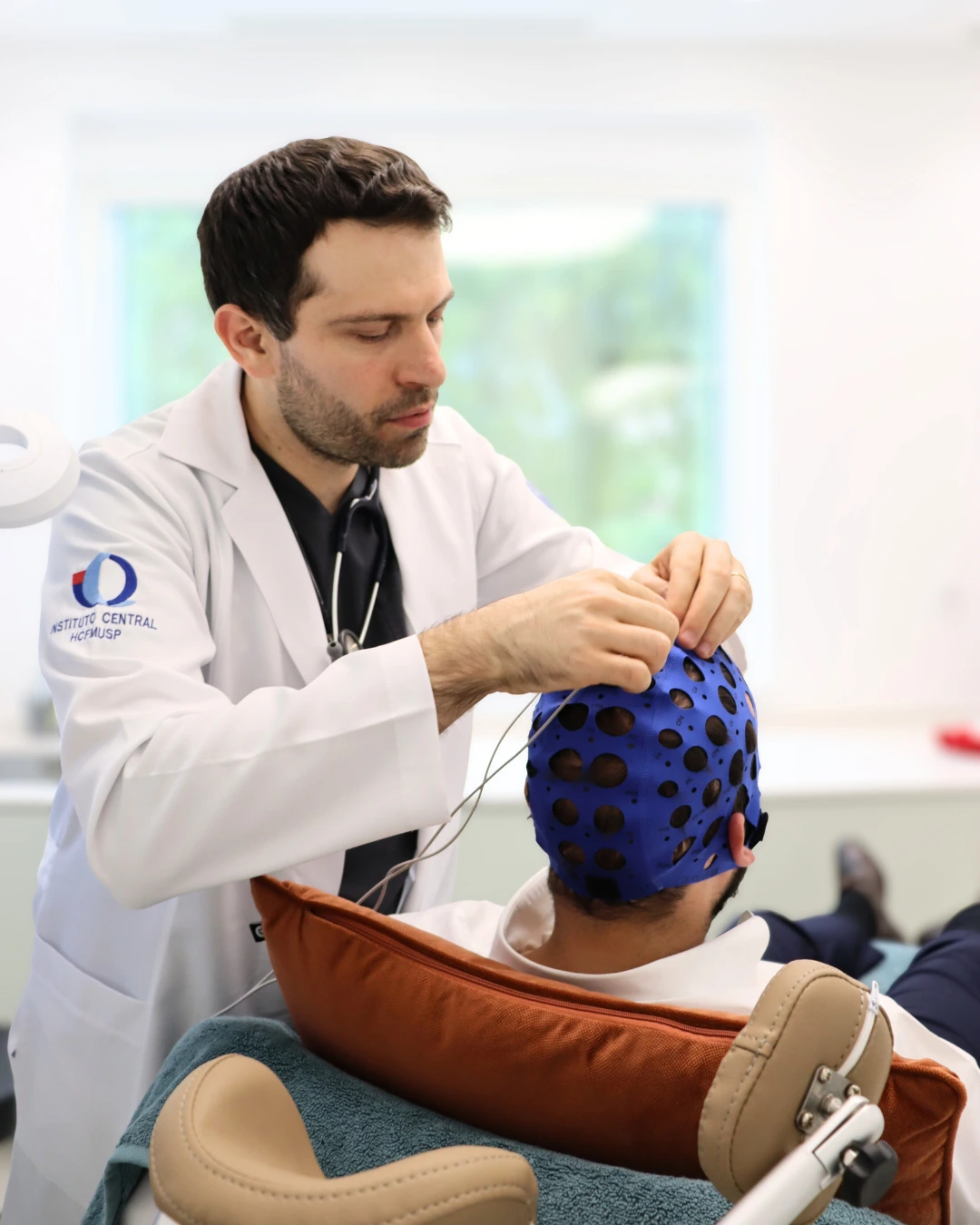
Multiple sclerosis requires a specialised and close clinical approach, both in the diagnostic phase and in follow-up over time. Consultation is essential for interpreting symptoms, integrating complementary tests, defining the subtype of the disease and establishing a therapeutic strategy aimed at controlling inflammatory activity, preserving function and preventing disability.
At NeuroPsyque, follow-up is based on a multidisciplinary approach, integrating rigorous neurological assessment, clinical monitoring, motor rehabilitation, support for symptomatic control and strategies to promote overall well-being. The aim is to offer close, personalised and humanised care at every stage of the disease.
FAQ's about Multiple Sclerosis
What should I expect at the first assessment appointment?
Can Multiple Sclerosis be cured?
What are the most common first signs?
How is the diagnosis made?
Do all people with Multiple Sclerosis become disabled?
Is fatigue part of the disease?
Are rehabilitation and psychological support important?
Do I need a doctor's referral to book an appointment?