Skip to content



MUSCLE DISTROPHIES - Treatment in Lisbon
Specialised neurological assessment and monitoring of Muscular Dystrophies in Lisbon
WHAT ARE MUSCULAR DYSTROPHIES?
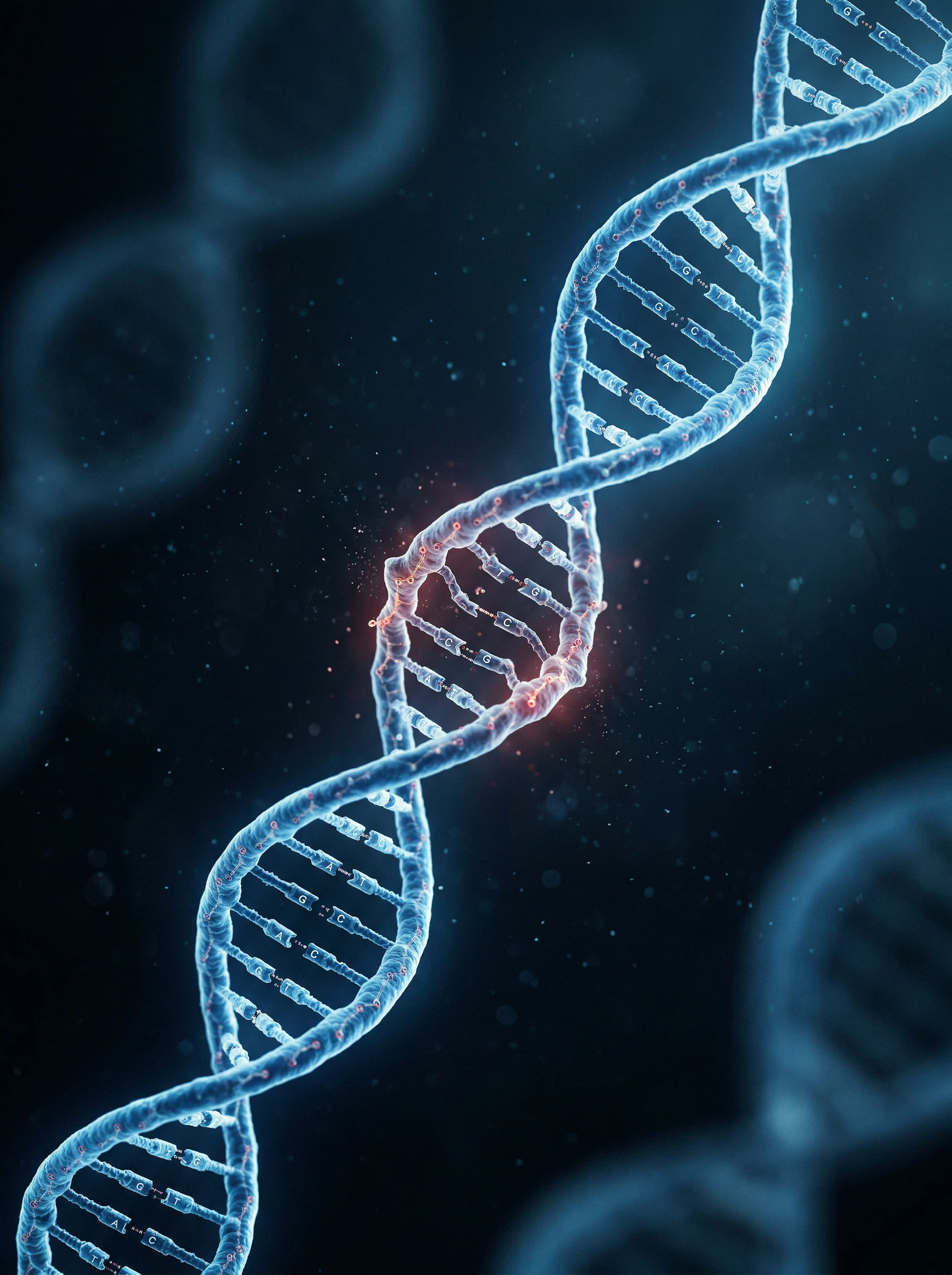
A genetic fault in the structure of the muscle
Muscular Dystrophies are a group of genetic and hereditary diseases characterised by progressive weakness and loss of muscle mass. They result from mutations that interfere with the production of vital proteins (such as dystrophin) needed to build and maintain healthy muscles. Although many forms manifest in childhood, some only appear in adulthood, requiring strict and continuous neurological monitoring.
Most common manifestations
- Progressive muscle weaknessIncreasing difficulty in running, jumping, climbing stairs, lifting objects or holding their arms up.
- Changes in gait and postureFrequent falls, altered gait (anserine gait) or difficulty getting up from the floor (Gowers sign).
- Contractures and stiffnessShortening of the muscles or tendons around the joints, severely limiting mobility.
- Systemic complicationsIn advanced stages, the weakness can affect the heart muscle (cardiomyopathy) and the respiratory muscles.
MAIN TYPES OF MUSCULAR DYSTROPHY
Duchenne Muscular Dystrophy
The most common form in childhood (almost exclusively affecting boys). Rapid progression with proximal weakness (muscles responsible for large movements) and hypertrophy of the twins.
Childhood / DuchenneBecker Muscular Dystrophy
Similar to Duchenne, but with a slower, less severe course and onset usually in adolescence or early adulthood.
BeckerMyotonic Dystrophy (Steinert's Disease)
It is characterised by "myotonia" (inability to relax the muscle after contraction), with involvement of the heart, eyes and endocrine system.
Adults / MyotonicFacio-scapulo-humeral dystrophy (FSHD)
It mainly affects the muscles of the face (difficulty smiling, whistling or closing the eyes), progressing to the shoulders and arms.
FSHD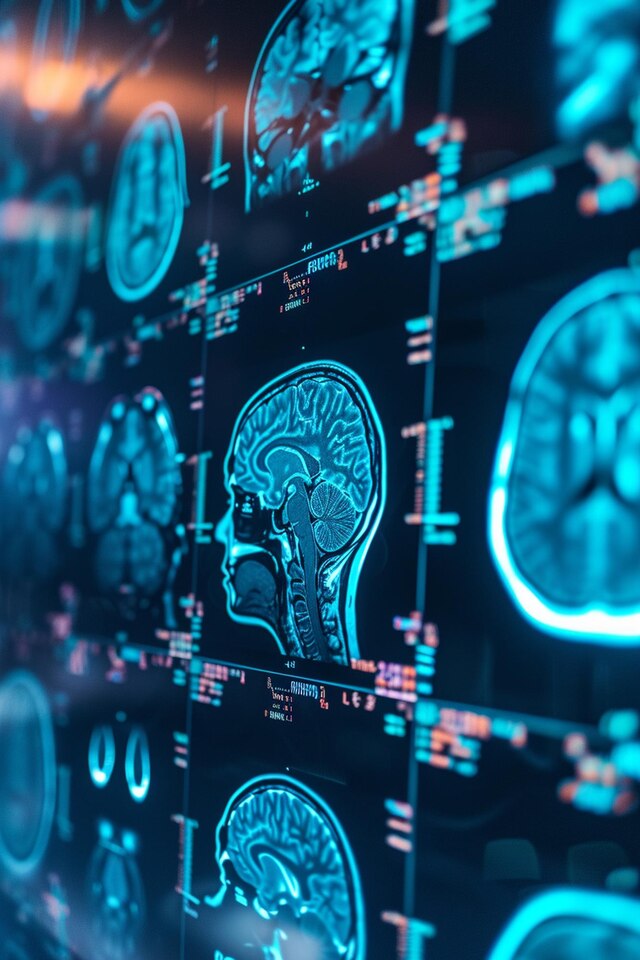
Accurate diagnosis through genetic testing, clinical assessment and electroneuromyography is the first step towards a safe and effective care plan.
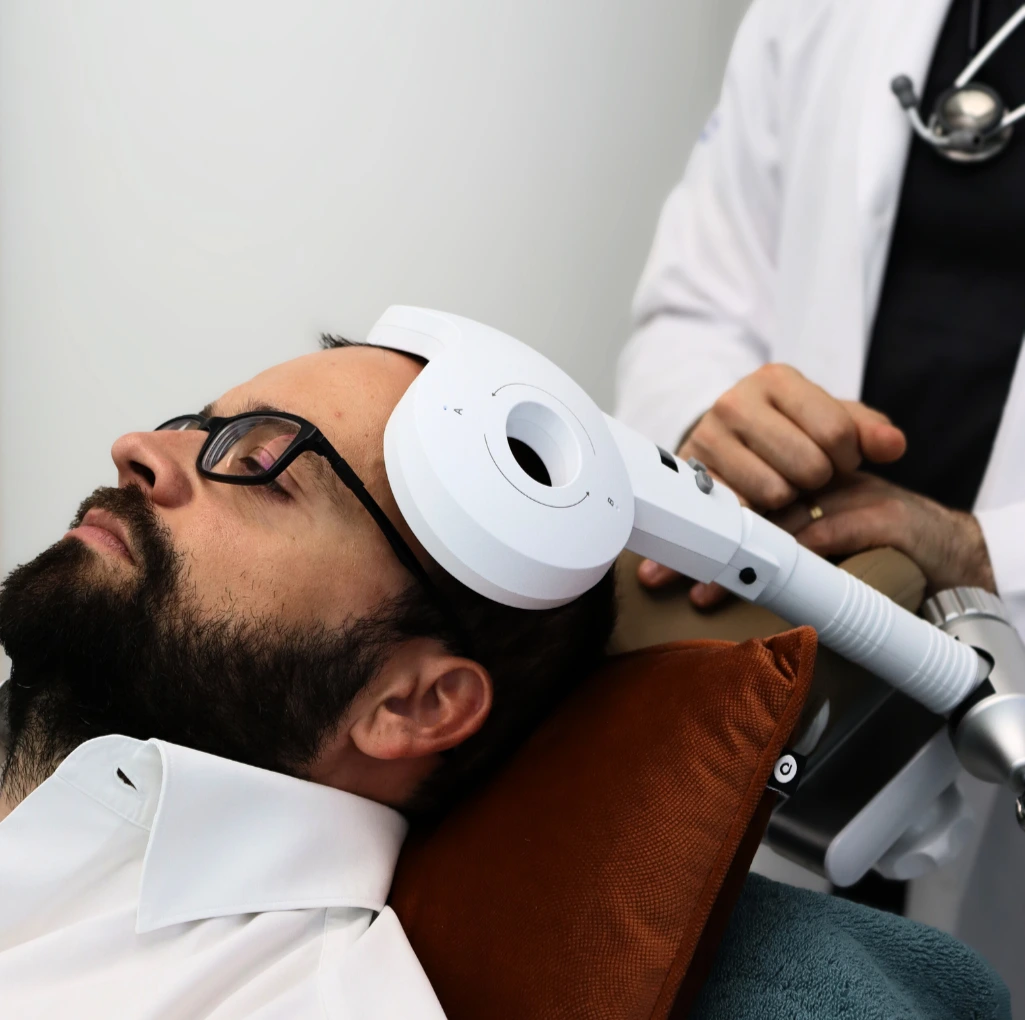



THE IMPORTANCE OF DIAGNOSIS AND ONGOING CARE
Muscular dystrophies are complex diseases that require a careful and specialised clinical approach over time. Accurate diagnosis - through clinical, neurophysiological and genetic assessment - not only makes it possible to estimate the degree of progression of the disease, but also opens doors to the new therapeutic options that have emerged on the medical scene.
At Clínica NeuroPsyque, we accompany the patient at every stage. Our primary objective is to delay the progression of motor symptoms, manage pain and fatigue, and implement preventive measures that guarantee the highest possible quality of life, mobility and independence, integrating an up-to-date and humane neurological vision.
FAQ's about Muscular Dystrophies
Can muscular dystrophies be cured?
Is it always a hereditary disease?
What is the difference between Muscular Dystrophy and Muscular Atrophy?
How is the definitive diagnosis made?
Do these diseases only affect children?
What is the role of physiotherapy?
Do I need a medical referral to book an appointment at NeuroPsyque?