Skip to content



ADJUSTMENT DISORDER - Treatment in Lisbon
Clinical assessment and specialised support to overcome crises and life changes in Lisbon
WHAT IS ADJUSTMENT DISORDER?

An excessive reaction to stress and change
Adjustment Disorder occurs when a person develops significant emotional or behavioural symptoms after a stressful event (divorce, unemployment, illness, change of life, etc.). Although suffering in the face of adversity is normal, in this disorder the reaction is disproportionate to the intensity of the event, surpassing natural adaptation mechanisms and seriously interfering with work, studies and social relationships.
Most common manifestations
- Sadness and despairFrequent crying, apathy, depressed mood and a feeling of profound inability to cope with the new reality.
- Anxiety and WorryConstant nervousness, agitation, tension and persistent fear about the future or the consequences of the event.
- Behavioural changesSevere social isolation, impulsivity, repeated absences from work or atypical interpersonal conflicts.
- Physical Symptoms (Somatisation)Severe insomnia, headaches, extreme fatigue or gastrointestinal disorders triggered by stress.
FREQUENT CAUSES AND TRIGGERS
Relationships and Loss
The end of a relationship (divorce/separation), or the breaking of important family or social ties.
LossesProfessional and financial changes
Sudden unemployment, bankruptcy, unplanned retirement or extreme and prolonged stress in a new working environment.
ProfessionalDisease Diagnosis
The forced adaptation to a serious and limiting health problem, either your own or that of a family member, resulting in a deep and prolonged shock.
HealthLife Transitions
Marriage, the birth of a child, starting university or moving to another country. Even though these are "positive" events, they can drain your ability to adapt.
Transitions
The disorder usually appears within three months of the stressful event and can become chronic if the situation persists without adequate support.
EFFECTIVENESS IN TREATMENT
Very favourable clinical results, enabling sustained recovery of emotional balance and resilience
* Data based on the effectiveness of psychotherapeutic interventions and psychiatric support in adaptive crises. Sources: clinical data, Cleveland Clinic, The Recovery Village, O'Donnell et al. (2016) American Journal of Psychiatry 173(12):1231-1238, studies on the effectiveness of CBT and ICBT in Adjustment Disorder, van Dessel et al. meta-analysis Journal of Psychosomatic Research

THE IMPORTANCE OF SEEKING CLINICAL SUPPORT
Suffering in the face of a major life change is normal, but when suffering paralyses you and prevents you from moving forward, professional support becomes essential. Ignoring an Adjustment Disorder doesn't make it go away. It often leads to the development of more serious, long-term psychiatric disorders such as Major Depression or Generalised Anxiety Disorder.
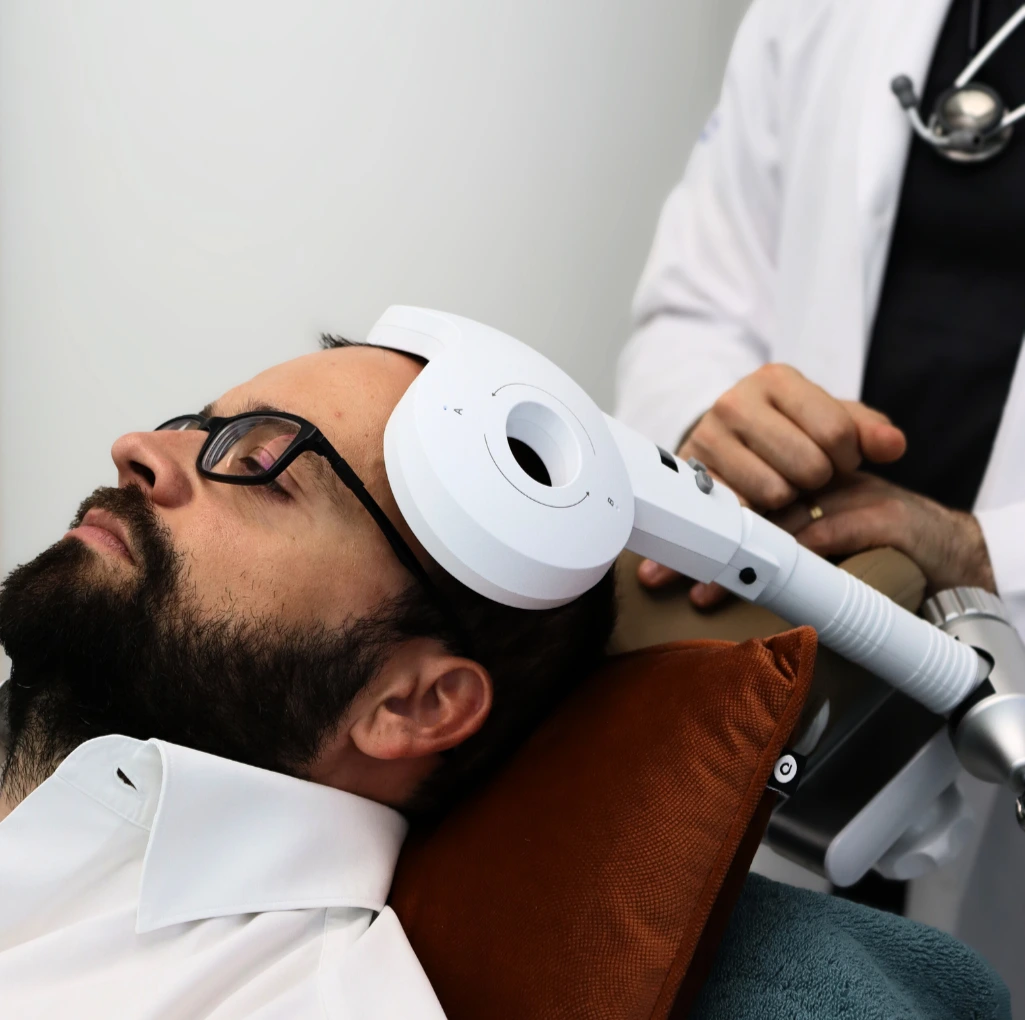
At Clínica NeuroPsyque, we provide a safe and validating space. The focus is on psychotherapy (to process the event and create coping mechanisms) and, when necessary, transient and judicious pharmacological support to relieve acute anxiety and restore sleep, restoring emotional control and stability to the patient. The treatment of Insomnia, a comorbidity that is almost always present in Adjustment Disorder, is in itself a fundamental step towards an effective recovery of the body as a whole.
FAQ's about Adjustment Disorder
When does suffering from a divorce or redundancy become a nuisance?
What is the difference between Adjustment Disorder and Depression?
How long does Adjustment Disorder last?
Do I need to take medication?
Do only negative events cause this disturbance?
Is mourning the death of someone close included in the diagnosis of an adjustment disorder?
How can psychotherapy help in these cases?
Do I need a medical referral to book an appointment at NeuroPsyque?