Skip to content



TINNITUS - Treatment in Lisbon
Specialised assessment and advanced treatment for tinnitus in Lisbon
WHAT IS TINNITUS?

Filling the silence
Tinnitus is the perception of sound in the absence of an external sound source. More than an isolated ear problem, it is often the result of hyperactivity in the auditory pathways of the central nervous system. It can be temporary, but when it becomes chronic, the impact on concentration, sleep and overall mental health is profound and debilitating.
Most common manifestations
- Continuous or Pulsating SoundsPerception of whistles, squeaks, bells, clicks, which can be constant or follow the heartbeat.
- Aggravation in SilenceThe sound becomes much more noticeable and disturbing at night, before bed, or in very quiet environments.
- Sleep disturbanceExtreme difficulty falling asleep or staying asleep, leading to chronic fatigue and daily exhaustion.
- Cognitive and Emotional ImpactDifficulty concentrating and remembering, constant irritability, development of severe anxiety and social isolation.
CAUSES AND ASSOCIATED FACTORS
Hearing Loss and Injuries
The most common cause, often induced by ageing, prolonged exposure to loud noise or sudden acoustic trauma.
HearingNeurological Hyperactivity
When the brain tries to "compensate" for the hearing loss by creating sound, this results in continuous hyperactivity of the central auditory pathways.
NeurologicalPulsatile Tinnitus
Caused by changes in blood flow in the veins or arteries near the ear, following the heart rhythm. Requires rigorous clinical assessment.
VascularSomatosensory causes
Tension in the neck muscles, problems with the temporomandibular joint (TMJ) or neck injuries that modulate the perceived sound.
Somatic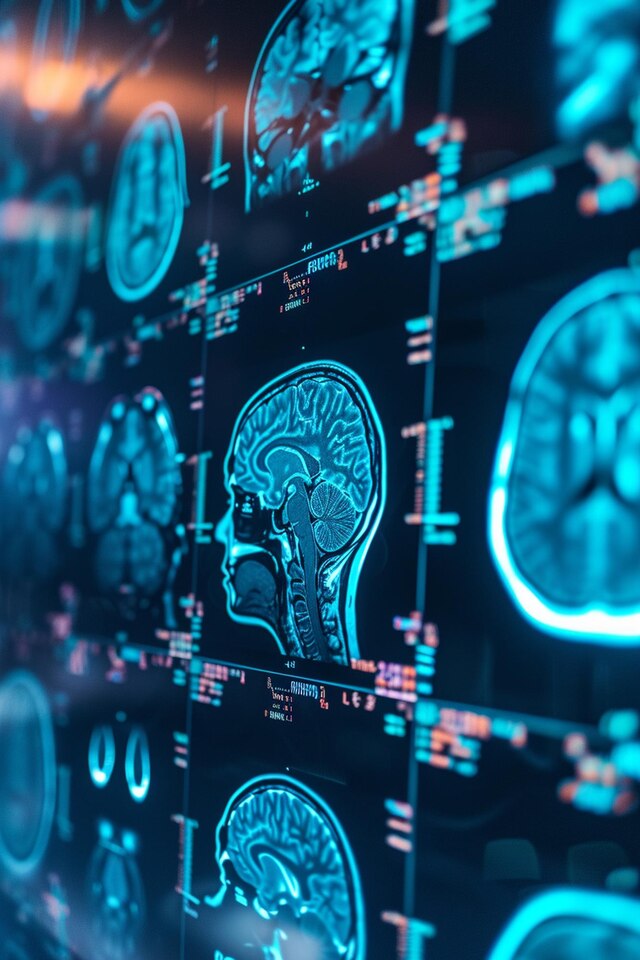
Other factors such as acute stress, severe anxiety, taking certain medications (ototoxic) and metabolic problems can trigger or worsen tinnitus.
EFFECTIVENESS IN TREATMENT
TINNITUS
Clinical results supported by cognitive-behavioural therapies and multidisciplinary approaches
Sources: clinical data, Lefaucheur JP et al. (2017) - rTMS in the treatment of tinnitus, Fregni F et al. (2013) - tDCS and tinnitus modulation, Gosepath K et al. (2016) - neurofeedback in chronic tinnitus, Fuller TE et al. (2020) - Psychological therapies for tinnitus.



THE IMPORTANCE OF A MULTIDISCIPLINARY APPROACH
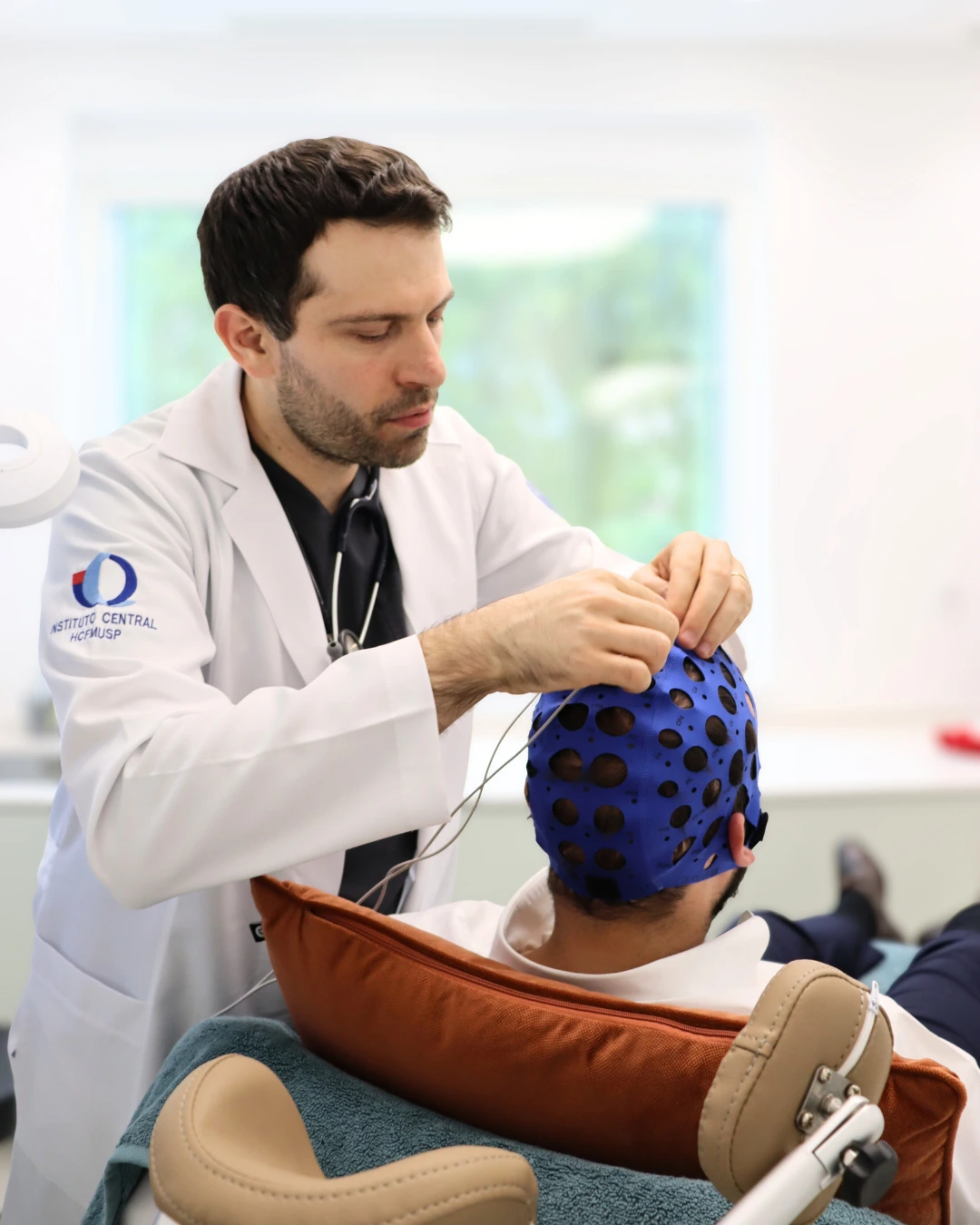
Many tinnitus sufferers often hear that "there's nothing they can do" and that "they have to learn to live with it". This lack of expectations leads to despair. Although chronic tinnitus is a complex challenge, a thorough neurological and psychiatric assessment can identify the underlying causes and open the door to treatments that promote neuroplasticity and habituation.
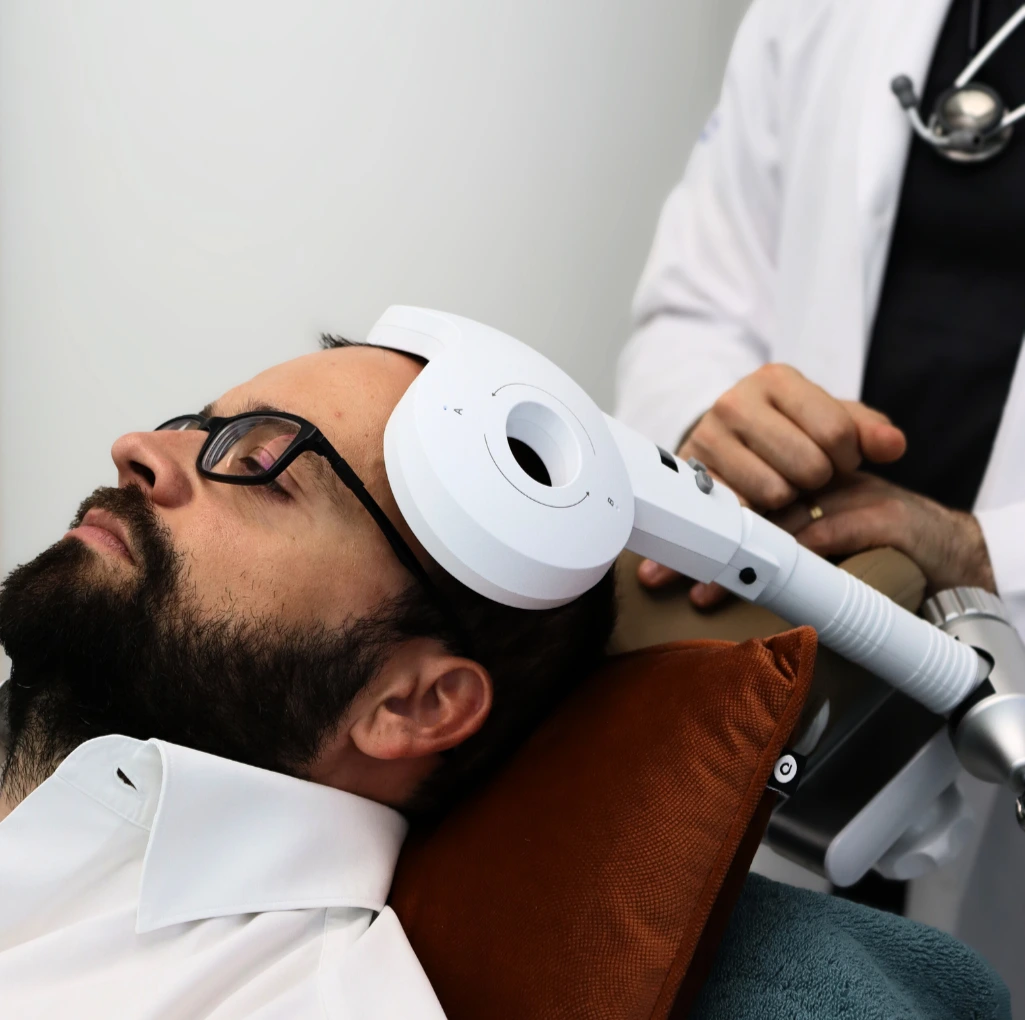
At NeuroPsyque, we offer hope through advanced therapies. We use Transcranial Magnetic Stimulation (TMS), which acts to regulate the hyperactivity of the auditory cortex, combined with pharmacological and psychotherapeutic strategies to treat the associated suffering and restore as much silence as possible to your life.
FAQ's about Tinnitus
Can Tinnitus be cured?
How does Transcranial Magnetic Stimulation (TMS) work in Tinnitus?
Do stress and anxiety make tinnitus worse?
Do only people with hearing loss get Tinnitus?
Will I have to take medication for Tinnitus?
Is pulsatile tinnitus dangerous?
Do I need a medical referral to book an appointment at NeuroPsyque?