Síndrome de Tourette: sintomas e tratamento em Lisboa

TOURETTE SYNDROME - Treatment in Lisbon

Specialised neurological assessment and multidisciplinary treatment for tics and Tourette's in Lisbon

WHAT IS TOURETTE'S SYNDROME?

Avaliação neurológica da Síndrome de Tourette — NeuroPsyque Lisboa

A neurodevelopmental disorder

Tourette Syndrome is a complex neurological condition characterised by the presence of multiple motor tics and at least one vocal tic, which persist intermittently for more than a year. The condition usually begins in childhood or early adolescence, fluctuating in frequency, severity and type of movements over time.

Most Common Types of Tics

  • Simple Motor Tics
    Short, sudden movements, such as blinking, shrugging or grimacing.
  • Simple vocal tics
    Involuntary sounds, such as constantly clearing your throat, sniffling, coughing or grunting.
  • Complex Tics
    Sequences of coordinated movements (jumping, touching objects) or repetition of words and phrases (echolalia).
  • Sensory Urgency (Pre-tique)
    A feeling of physical tension, discomfort or internal "itching" that precedes the tic and only eases after the movement.

CHARACTERISTICS AND ASSOCIATED CONDITIONS

Fluctuating Motor Tics

The intensity and type of motor tics are not fixed. They often increase under anxiety, excitement or fatigue, and can attenuate during tasks that require hyperfocus.

Engine

Vocal Tics and Coprolalia

Emission of involuntary sounds and grunts. Coprolalia (involuntary use of obscene words), although highly stigmatised, only affects a minority of patients (10 to 15%).

Phonic

Tension and Rebound"

Although tics can be consciously suppressed for short periods, this generates increasing internal distress, often resulting in an explosion of tics as soon as the person relaxes.

Sensory

Associated Comorbidities

More than 80% of individuals have other concurrent medical conditions, the most common being Obsessive-Compulsive Disorder (OCD) and ADHD. Anxiety is also very common, and many cases may develop Depression.

Neuropsychiatric
Estudo do sistema nervoso e vias ganglionares na Síndrome de Tourette

Dysfunction in the basal ganglia and "cortico-striatal-thalamo-cortical" circuits has been identified as the main neurobiological mechanism of the disorder.

EFFECTIVENESS IN APPROACH
TOURETTE'S SYNDROME

Evidence-based interventions and neuromodulation to reduce tics and improve quality of life

60%
of relief in the strength and repetition of tics after Magnetic Stimulation (EMT) sessions. Fewer involuntary movements save physical energy and prevent muscle pain.
85%
of Tourette's patients have at least one psychiatric comorbidity - with OCD and ADHD being the most prevalent
45%
reduction in the symptoms that most exhaust the patient on a daily basis (tics, attention deficit and poor sleep), thanks to the natural regulation of the brain with Neurofeedback.
82%
of patients report long-term improvement of tics, with good psychosocial functioning and quality of life after decades of evolution

* Data reflect neuromodulation studies (Neurofeedback, 2022; EMT, BMJ Open) and longitudinal follow-up studies of Tourette Syndrome. Clinical response is always individual.

Sources: clinical data, Freeman et al. - Comorbidities, Long-term follow-up Lowe et al. (2019)
TECHNOLOGY AND THE CLINICAL ENVIRONMENT

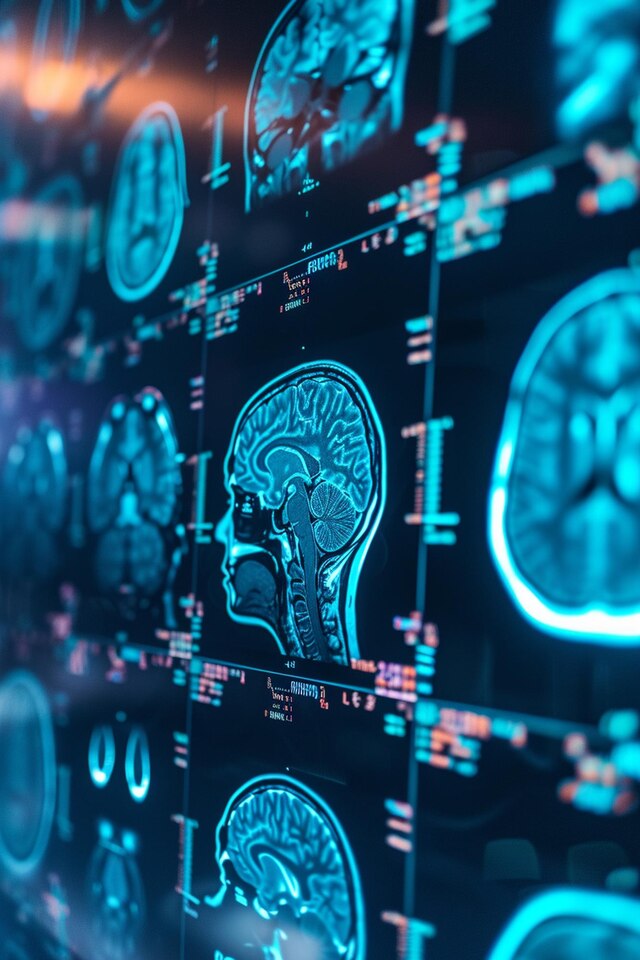
Neuroimagem
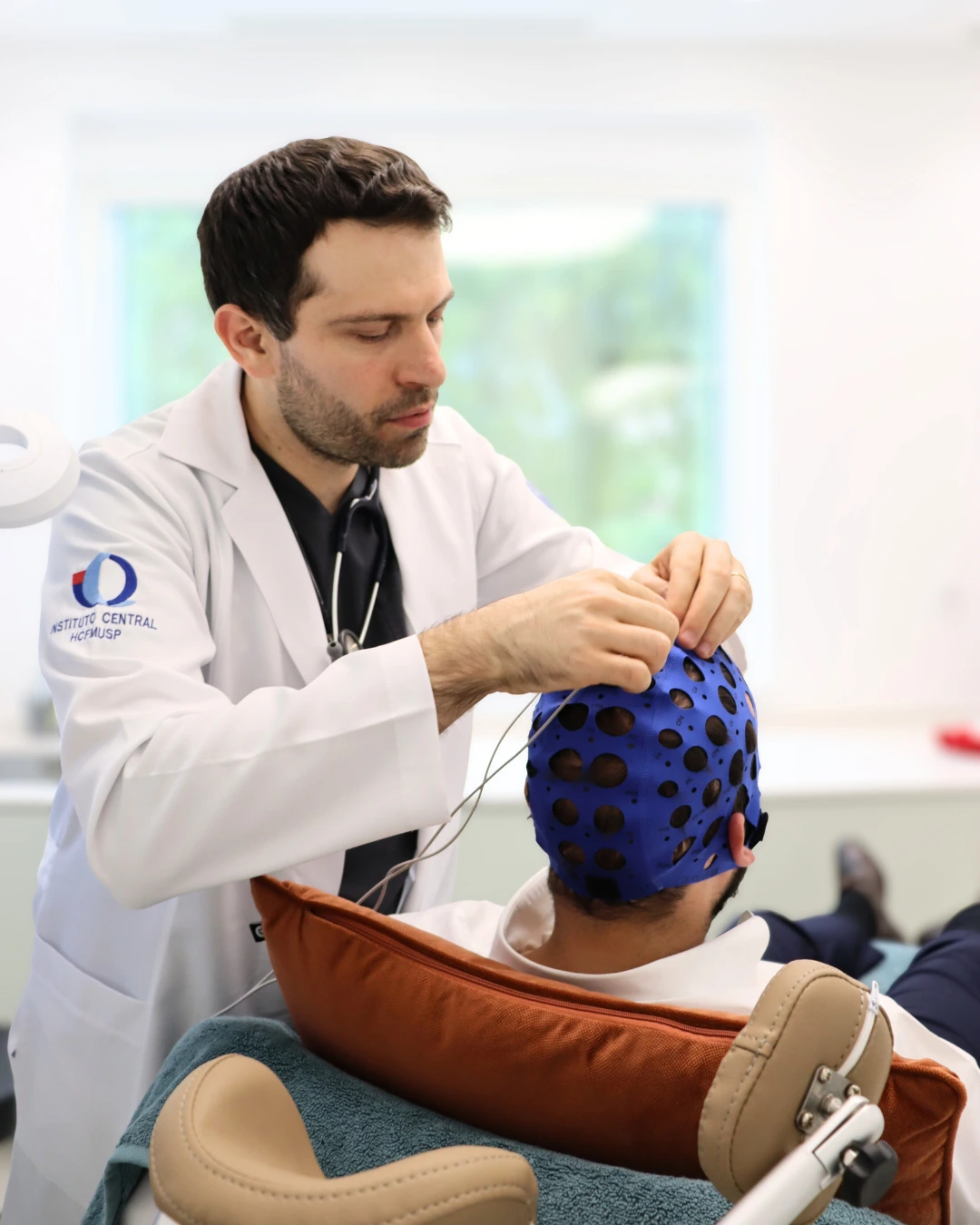
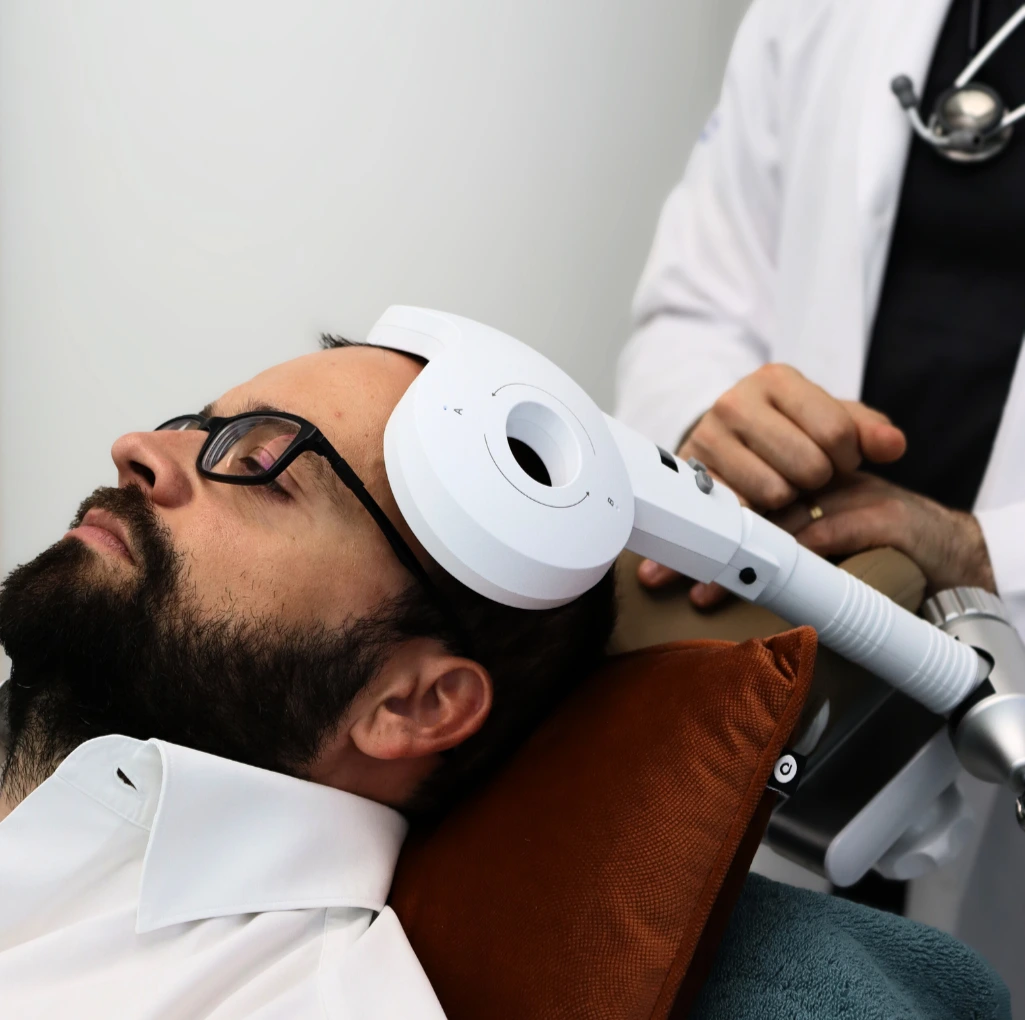
Estimulação Magnética Transcraniana
tDCS
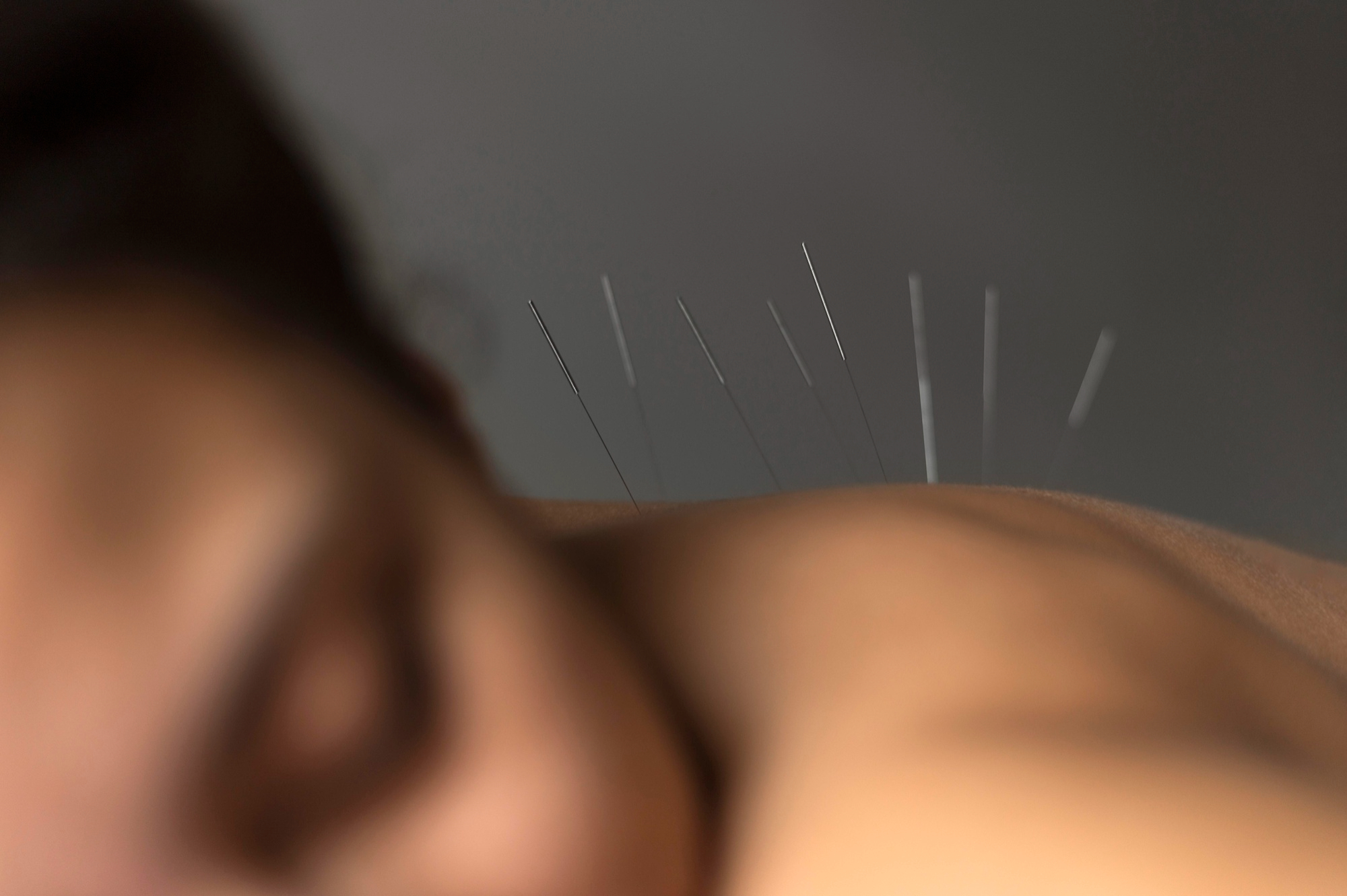
Acupuntura
tDCS - Estimulação Eléctrica Transcraniana
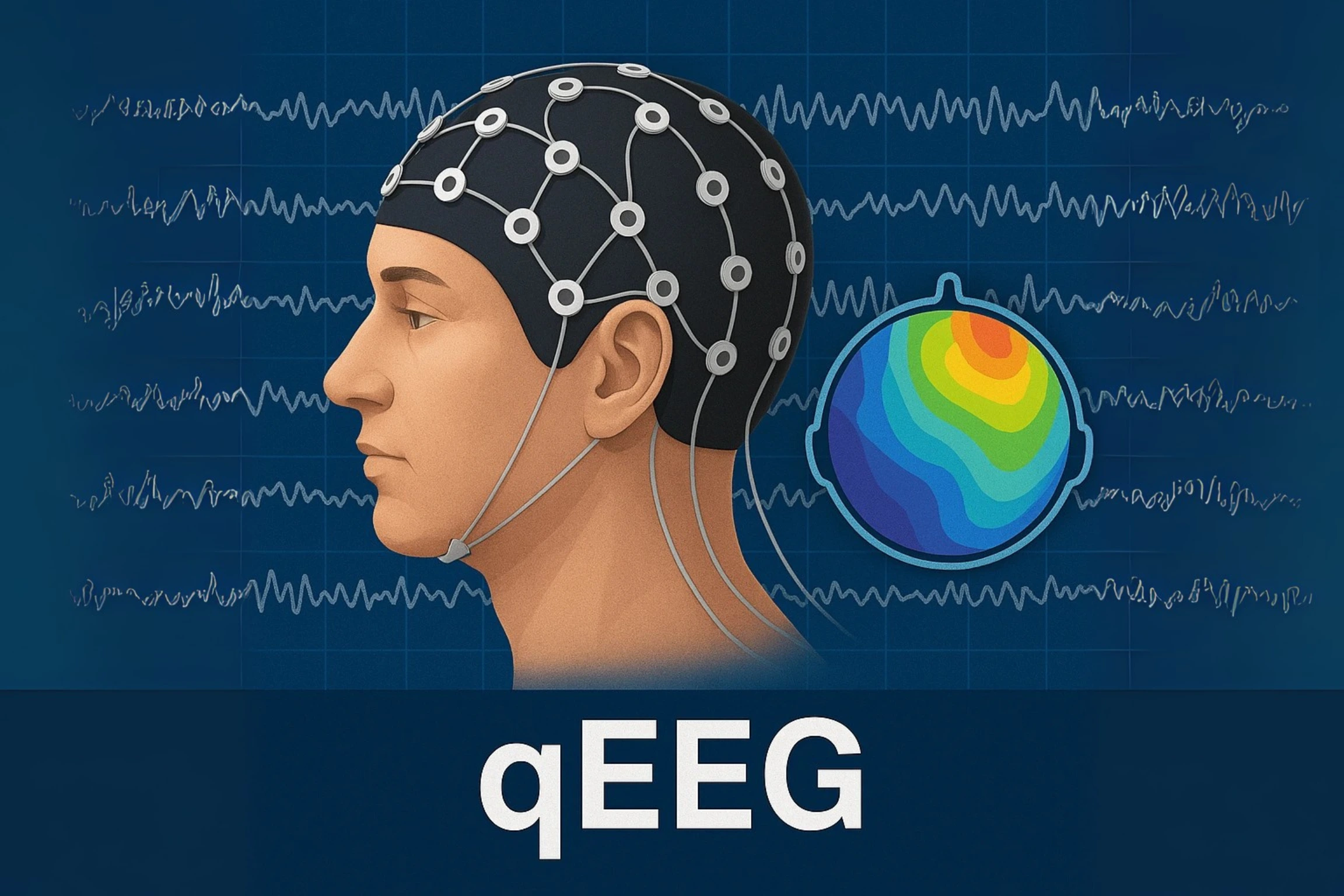
qEEG
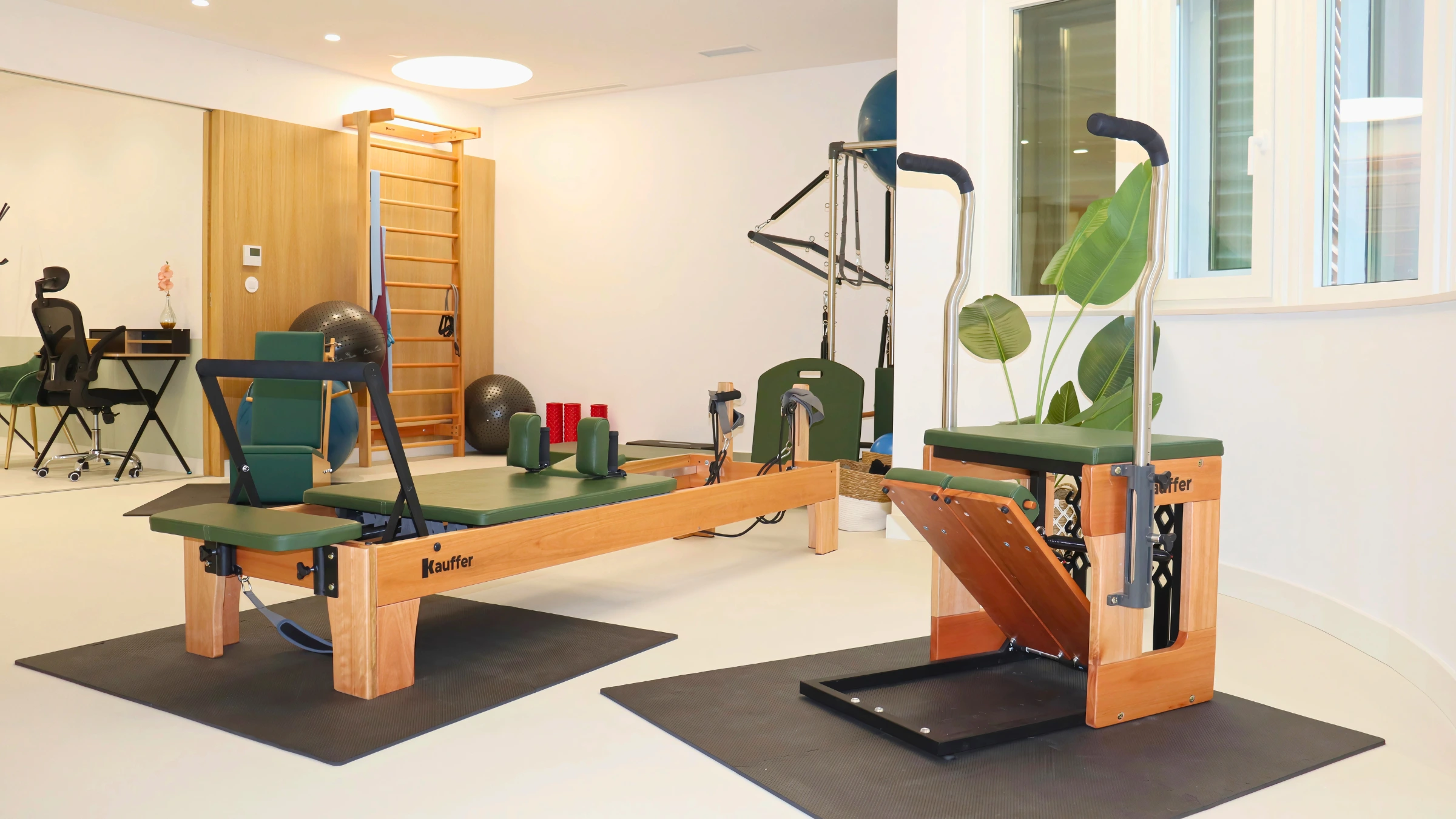
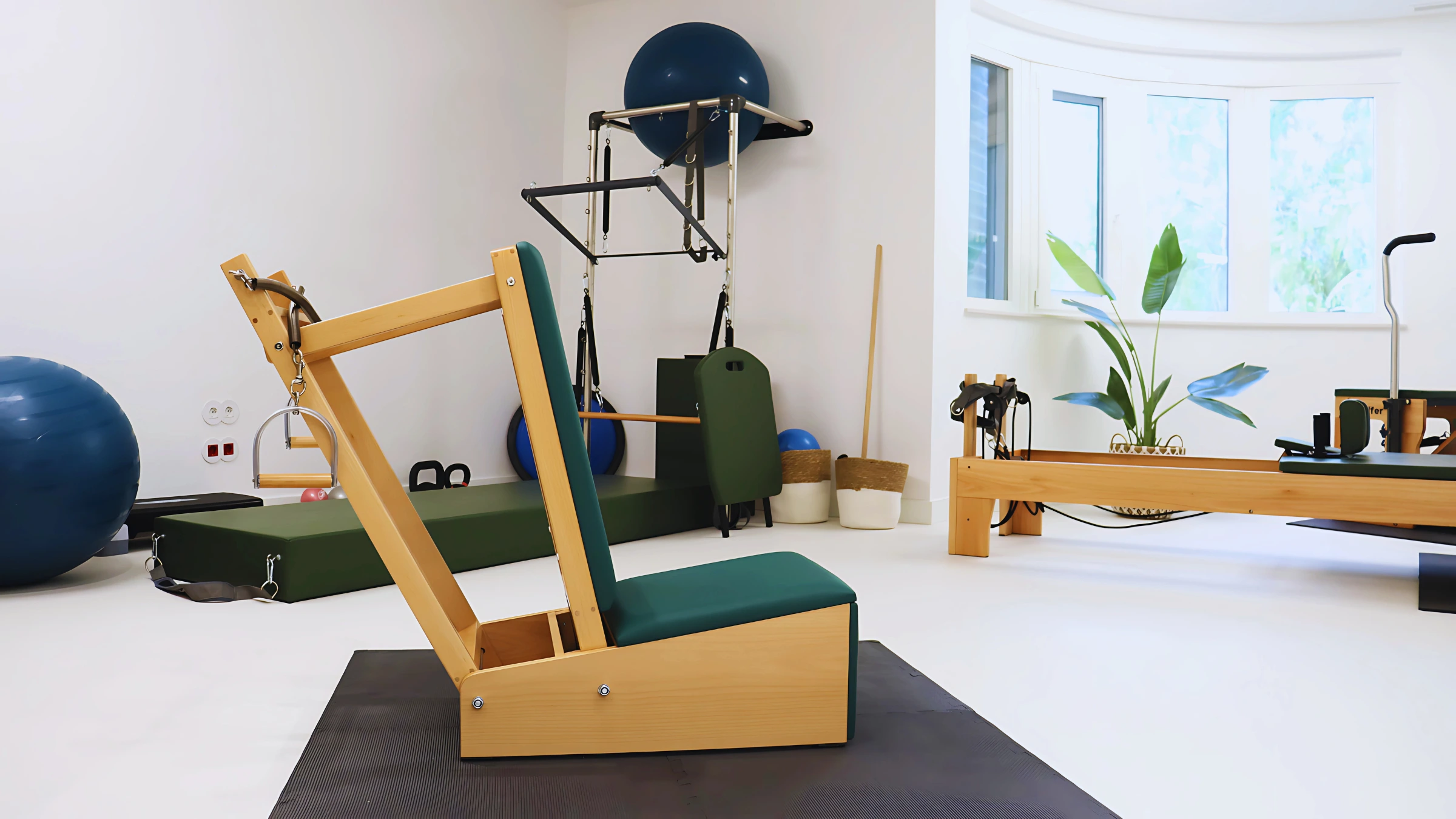
Sala Fisioterapia
Espaço Movimento e Saúde
Clínica Lisboa
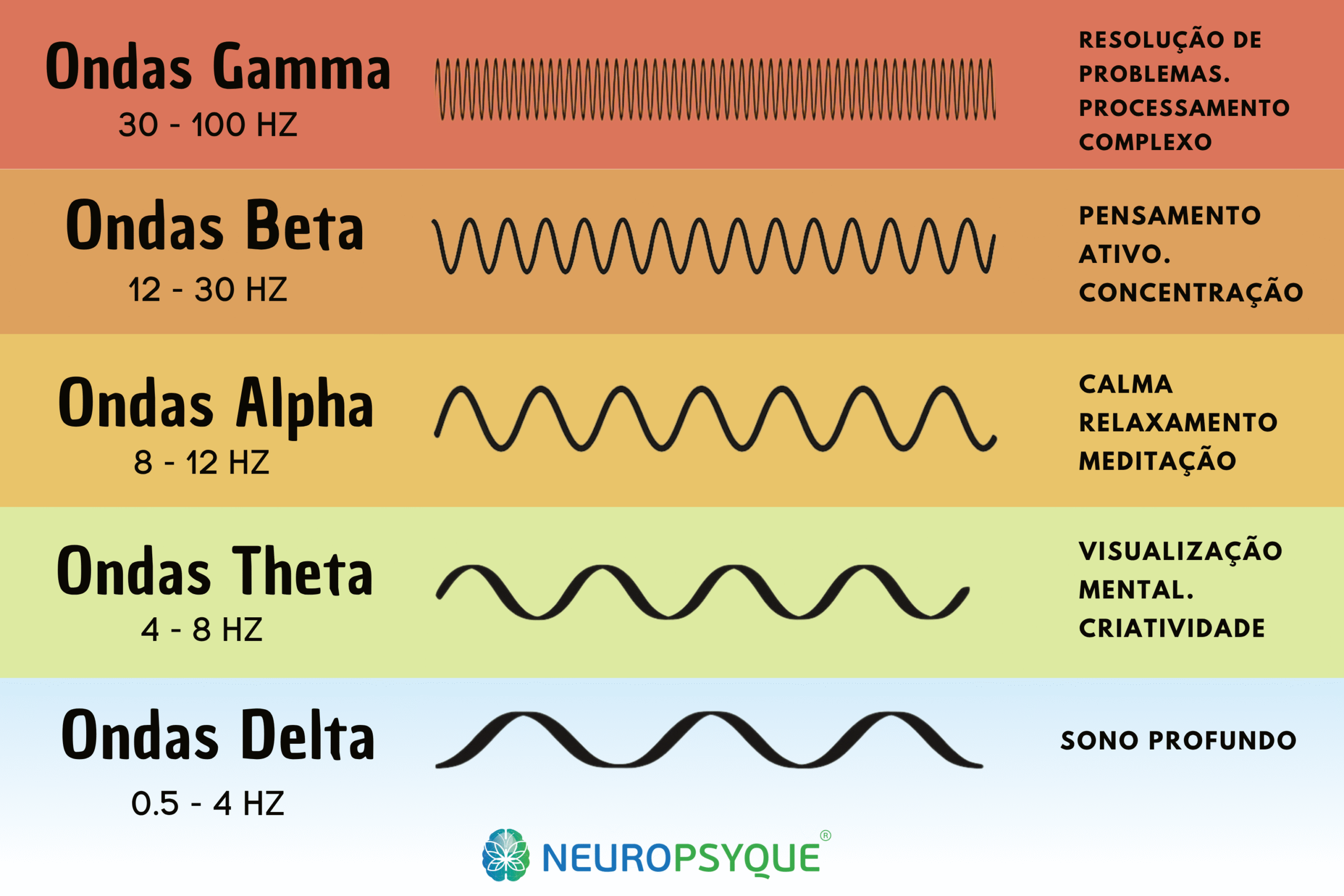
Ondas Cerebrais
Fisiologia

THE IMPORTANCE OF A SPECIALISED ASSESSMENT

Tourette Syndrome often has a profound impact on self-esteem and social and professional integration, generating high levels of stress and daily fatigue. Timely and accurate diagnosis is vital not only to treat and manage motor and vocal tics, but above all to identify and treat comorbidities (such as OCD or ADHD) which often cause more suffering and functional limitation than the movements themselves.

💡 A specialised clinical diagnosis makes it possible to design neurological and behavioural control strategies that restore autonomy, reduce the physical pain associated with severe tics and mitigate stigma.

At NeuroPsyque, the approach to Tourette Syndrome and associated disorders is multidisciplinary. We combine cognitive-behavioural therapies (such as habit reversal training), pharmacological optimisation, and non-invasive neuromodulation techniques (Transcranial Magnetic Stimulation - TMS) to rebalance the activity of brain circuits, drastically reducing "premonitory urgency" and the frequency of tics.

Frequently Asked Questions

FAQ's about Tourette Syndrome

What is the difference between transient tics and Tourette's Syndrome?
Isolated tics, especially motor tics (such as blinking or grimacing), are very common in childhood and often disappear on their own within a period of weeks or months. For a diagnosis of Tourette Syndrome, the presence of multiple motor tics and at least one vocal tic persisting for more than a year is clinically required.
Is coprolalia (involuntary swearing) always present?
No. Contrary to social perception, coprolalia is actually rare and only affects a small minority of people with Tourette Syndrome (around 10 to 15%). The vast majority emit much simpler and more discreet sounds.
Can tics be controlled or "hidden" by the patient?
Yes, to a certain extent. Many people with Tourette's manage to suppress their tics temporarily, in social or professional contexts. However, this suppression requires a great deal of effort and generates a build-up of tension (the "sensory urgency"). When the person finally relaxes (for example, when they get home), there is often an intense peak of tics, known as the rebound effect.
Is there an effective treatment for Tourette Syndrome and its comorbidities?
Yes. Cognitive Behavioural Therapy (CBT), namely the Habit Reversal Technique (HRT) and the CBIT protocol, is considered first line in the non-pharmacological treatment of tics. O Neurofeedback complements this approach by training the brain to self-regulate, with studies pointing to a reduction of up to 45% in the symptoms that most exhaust the patient in everyday life - including the tics themselves, attention spans and sleep disturbances. Furthermore, given that Tourette's Syndrome is often associated with disorders such as ADHD, TOC or Anxiety, an integrated evaluation in Psychiatry makes it possible to establish a global therapeutic plan that simultaneously addresses tics and associated conditions, greatly improving the patient's quality of life.
How does neuromodulation (EMT) work in Tourette's Syndrome?
A Transcranial Magnetic Stimulation (EMT) targets the modelling and regulation of hyperactivity in the cortico-striatal pathways. By focally stimulating specific areas of the brain, it helps re-establish motor inhibitory control, substantially reducing the intensity of premonitory urgency and, consequently, the frequency of tics.
Does Tourette's Syndrome disappear in adulthood?
The natural trajectory of the syndrome shows that the severity of tics usually peaks in early adolescence, tending to attenuate significantly in late adolescence and the transition to adulthood. However, for a significant proportion of adult patients, tics and associated comorbidities remain severe and require ongoing medical management.
Do I need a doctor's referral to book an appointment?
No, it's not necessary. You can book directly your neuropsychiatric assessment appointment at NeuroPsyque. If you have health insurance, we only advise that you check the conditions and possible referral requirements of your policy in good time for reimbursement purposes.