Skip to content



LANGUAGE PERTURBATIONS - Treatment in Lisbon
Neuropsychological assessment and advanced communication rehabilitation in Lisbon
WHAT ARE LANGUAGE DISORDERS?

A breakdown in the brain's communication networks
Language disorders, of which Aphasia is the most limiting, resulting from lesions in the brain areas responsible for understanding and producing words (usually in the left hemisphere). This condition robs the person of the ability to communicate effectively - whether speaking, understanding, reading or writing - and isolates them, although their intelligence remains intact.
Most common manifestations
- Expressive Aphasia (Broca's Aphasia)Extreme difficulty in finding words and forming sentences. Speech is made with a lot of effort, using short sentences, but comprehension is usually preserved.
- Recurrent Aphasia (Wernicke's Aphasia)The person speaks fluently, but the sentences make no sense (use of invented words) and there is serious difficulty in understanding what others are saying.
- AnomiaA persistent and frustrating difficulty in remembering the correct names of everyday objects, people, places or actions.
- Dysarthria and Apraxia of SpeechMotor disorders: physical difficulty in articulating sounds or coordinating the movements needed to speak clearly.
CAUSES AND RISK FACTORS
Cerebral Vascular Accident (CVA)
The most common cause of aphasia. Interruption of blood flow or haemorrhage in the brain directly affects the language areas (usually in the left hemisphere).
VascularTraumatic Brain Injury (TBI)
Accidents, serious falls or strong impacts that cause damage and swelling in the brain tissue, compromising neural communication networks.
TraumaticNeurodegenerative diseases
Slowly progressing conditions, such as Primary Progressive Aphasia or Alzheimer's Disease, which gradually atrophy the language areas of the brain.
DegenerativeBrain Tumours and Infections
Tumour masses that compress the language centres or severe infections (such as encephalitis) that cause inflammation and destruction of neurons.
Structural / Infectious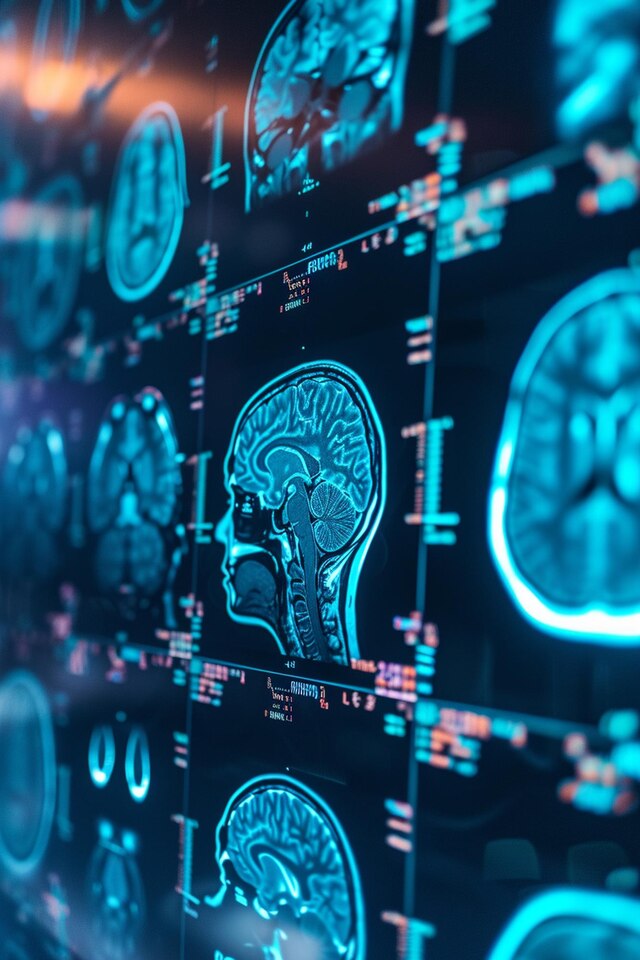
The severity of the symptoms depends directly on the exact location and extent of the neurological damage.
EFFECTIVENESS IN THE REHABILITATION OF LANGUAGE
Results based on meta-analyses on neuroplasticity, intensive speech therapy and neuromodulation in aphasia
* Language recovery depends on the time that has passed since the injury, the intensity of the rehabilitation and the combination of therapeutic approaches.
Sources: clinical data, NIH/PubMed - Meta-analysis of Speech and Language Therapy in aphasia (effect size 1.83 for early intervention); NIH/PubMed - Meta-analysis of rTMS combined with SLT in post-stroke aphasia (2025, significant improvements in naming, repetition and spontaneous speech); AHA/Stroke Journal - SLT dosage and clinical gains in aphasia recovery.



THE IMPORTANCE OF EARLY REHABILITATION
Aphasia traps a person's intellect and identity behind a communication barrier. Realising that your relative still thinks, feels and knows exactly what they want to say - they've just lost access to the "dictionary" and "motor mechanism" to express it - is the first and most important step.
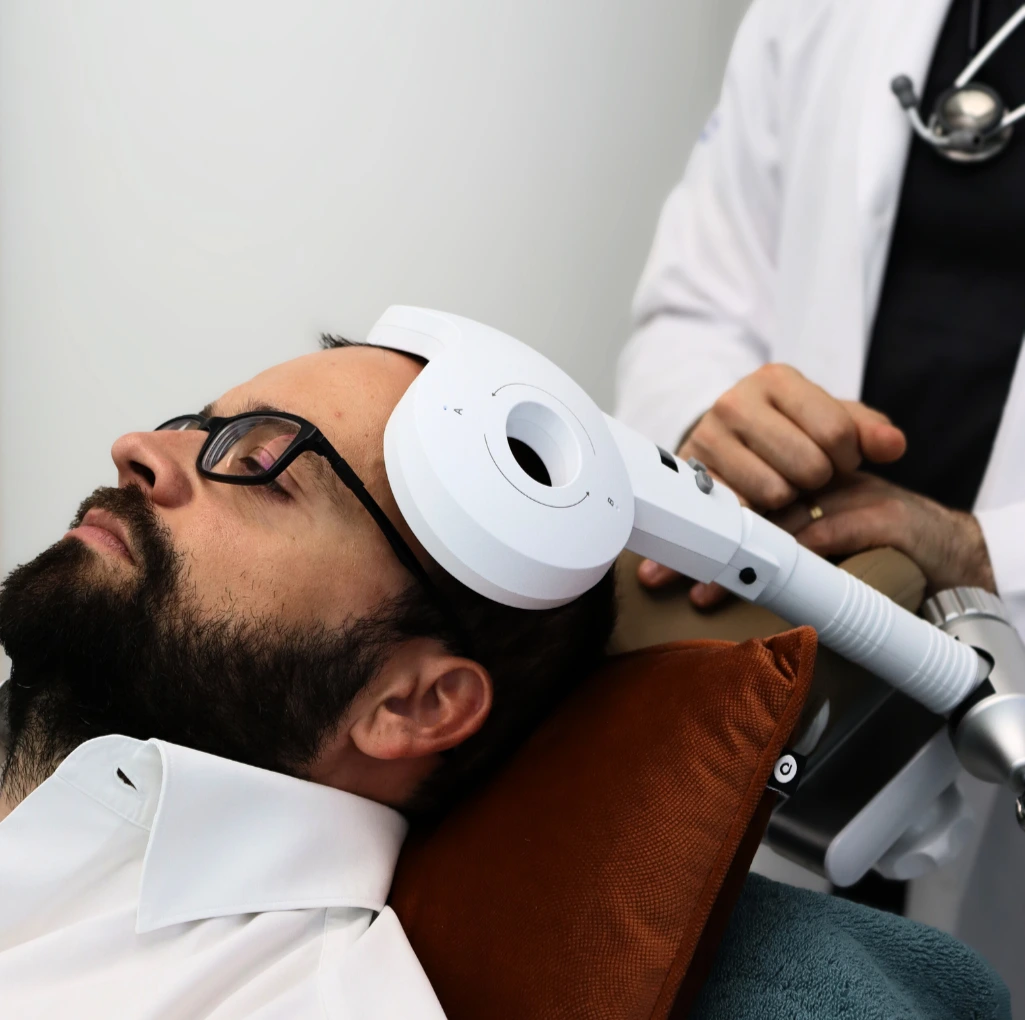
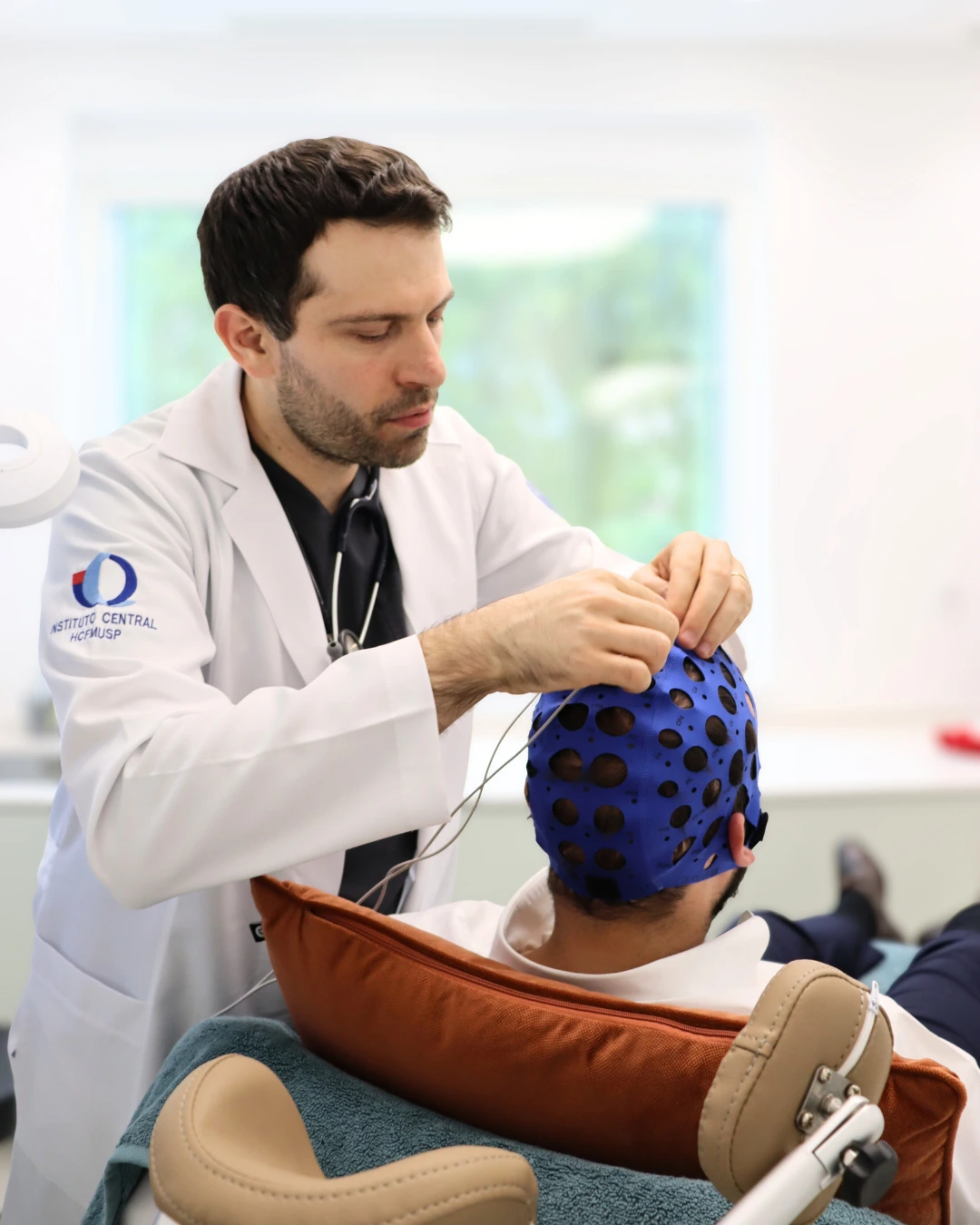
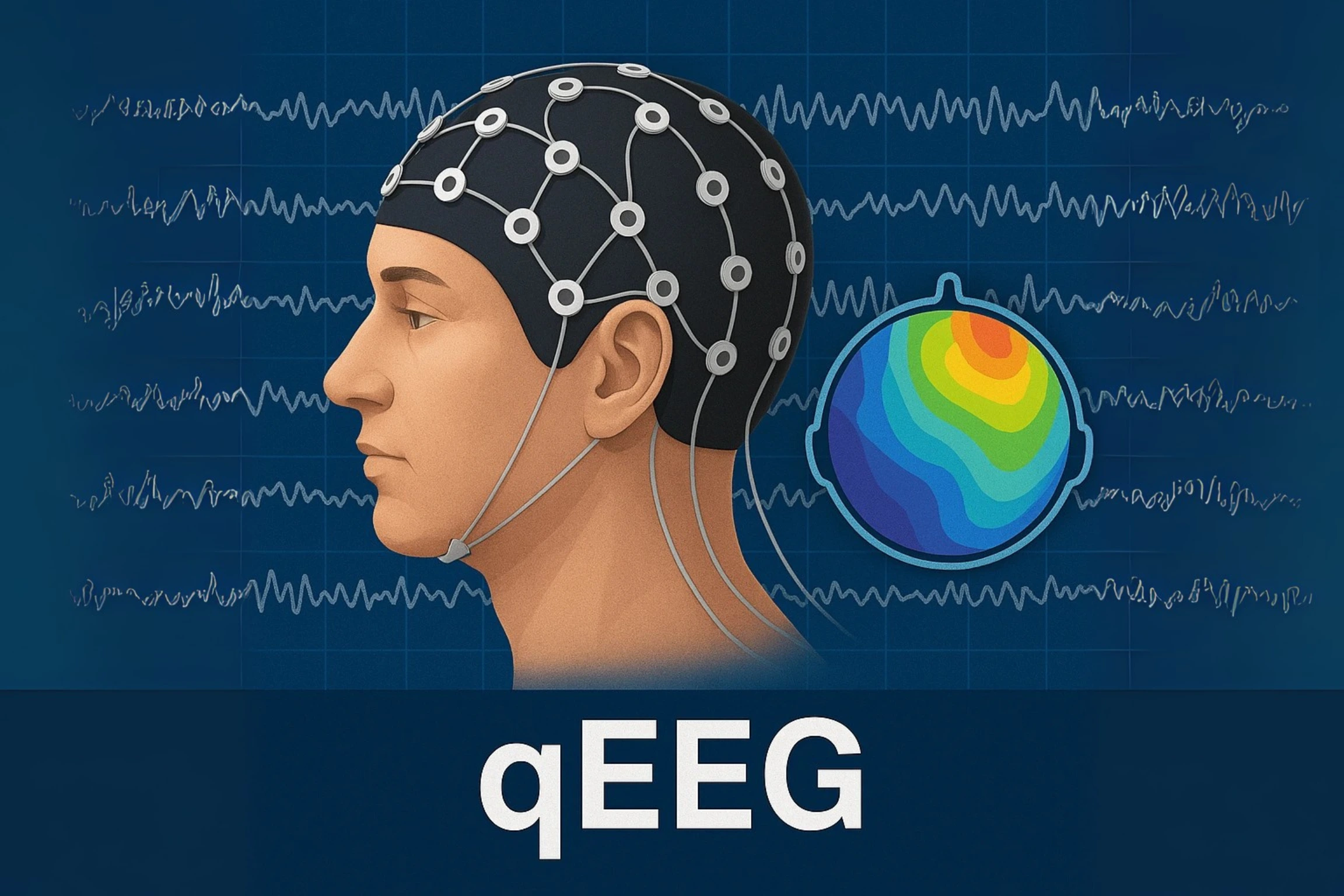
At NeuroPsyque, our approach is totally person-centred, not just symptom-centred. We combine recurrent neuropsychological assessments, non-invasive neuromodulation protocols and coordination with other therapies, such as speech therapy. Our aim is to stimulate specific brain areas to take over language functions, restoring maximum autonomy to the patient and providing vital communication tools to carers and family members.
FAQ's about Aphasia
Does aphasia affect the patient's intelligence?
Will the person speak like they used to?
What is the difference between aphasia and dysarthria?
How does neuromodulation help in speech therapy?
How long does the treatment take?
How should the family communicate to help and not frustrate?