Functional Neurological Disorder (PNF/FND)
Specialised assessment and rehabilitation of Functional Neurological Disorder in Lisbon
WHAT IS FNP?
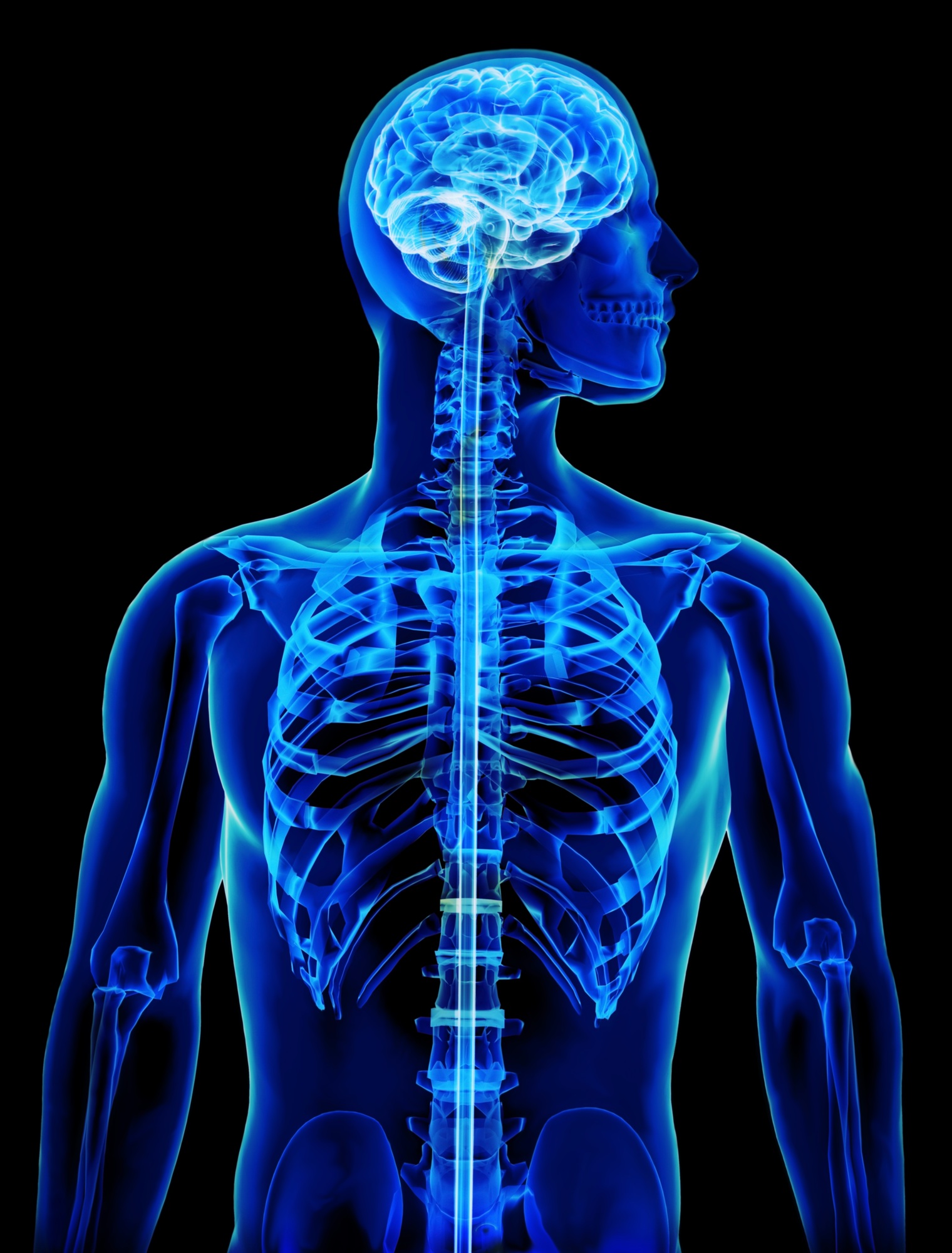
A "software problem" in the brain
Functional Neurological Disorder (FND) is a complex medical condition in which there is a problem in the functioning of the central nervous system, without there being a structural lesion or degenerative disease visible on MRI scans. To use a metaphor: the "hardware" of the brain is intact, but the "software" (the way it sends and receives messages) is malfunctioning. The symptoms are real and intense.
Most common manifestations
- Motor SymptomsSudden weakness, paralysis of a limb, tremors, body spasms, abnormal movements or changes in gait.
- Dissociative CrisesEpisodes that resemble epileptic seizures, fainting or blackouts, but without the abnormal electrical activity in the brain typical of epilepsy.
- Sensitive SymptomsDeep numbness, persistent tingling, chronic generalised pain or temporary loss of vision/hearing.
- Cognitive symptomsBrain fog, extreme fatigue disproportionate to the effort, confusion and difficulty concentrating or speaking.
MAIN MANIFESTATIONS OF PNF
Functional Weakness and Paralysis
Sudden or progressive loss of strength in a limb or side of the body, simulating a stroke, but without damage to nerves or brain tissue.
EngineMovement Disorders
The appearance of functional tremors, dystonia (abnormal muscle contractions), body spasms or profound changes in the gait pattern.
MovementNon-Epileptic Seizures (CNEF)
Attacks or convulsions that resemble epilepsy, often accompanied by a strong dissociative component (feeling of "switching off").
CrisesSensory and Cognitive Symptoms
Areas of the body with loss of sensation, severe chronic fatigue, mental fog and persistent problems with speech, vision or swallowing.
Sensitive / Cognitive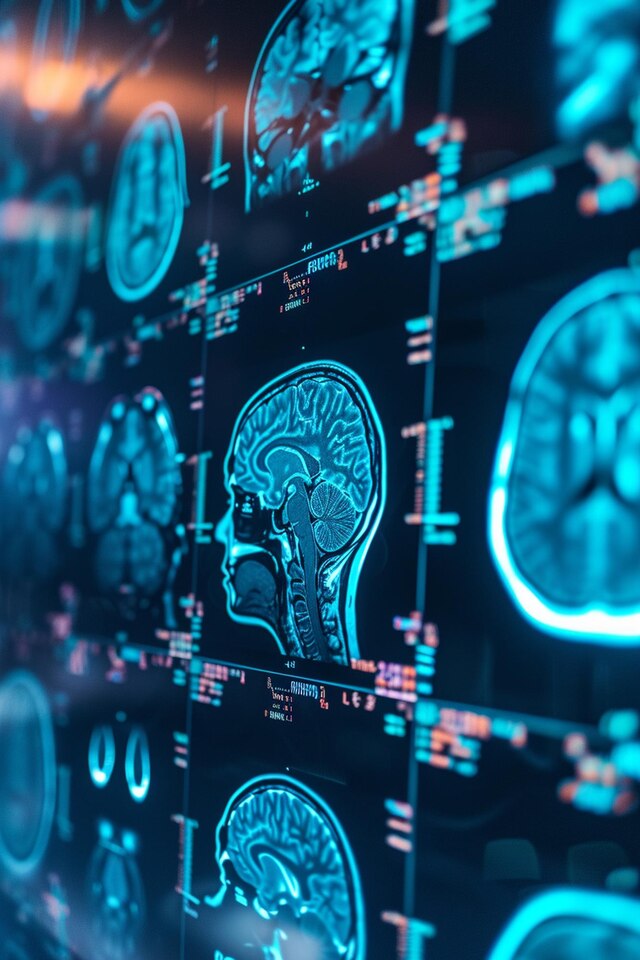
PNF can be triggered by physical stress (injury, surgery, infection) or psychological stress, but in many cases it comes on suddenly without an obvious trigger.
EFFECTIVENESS IN TREATMENT
DA PNF / FND
Clinical results consistent with a neuropsychiatric, motor rehabilitation and psychotherapy approach
Sources: clinical data, Physio4FMD RCT, JAMA Neurology 2024, CBT meta-analysis in functional seizures, RCT pilot in PNES. Results vary according to the subtype of PNF/FND and adherence to the therapeutic plan.



THE IMPORTANCE OF A VALIDATING DIAGNOSIS
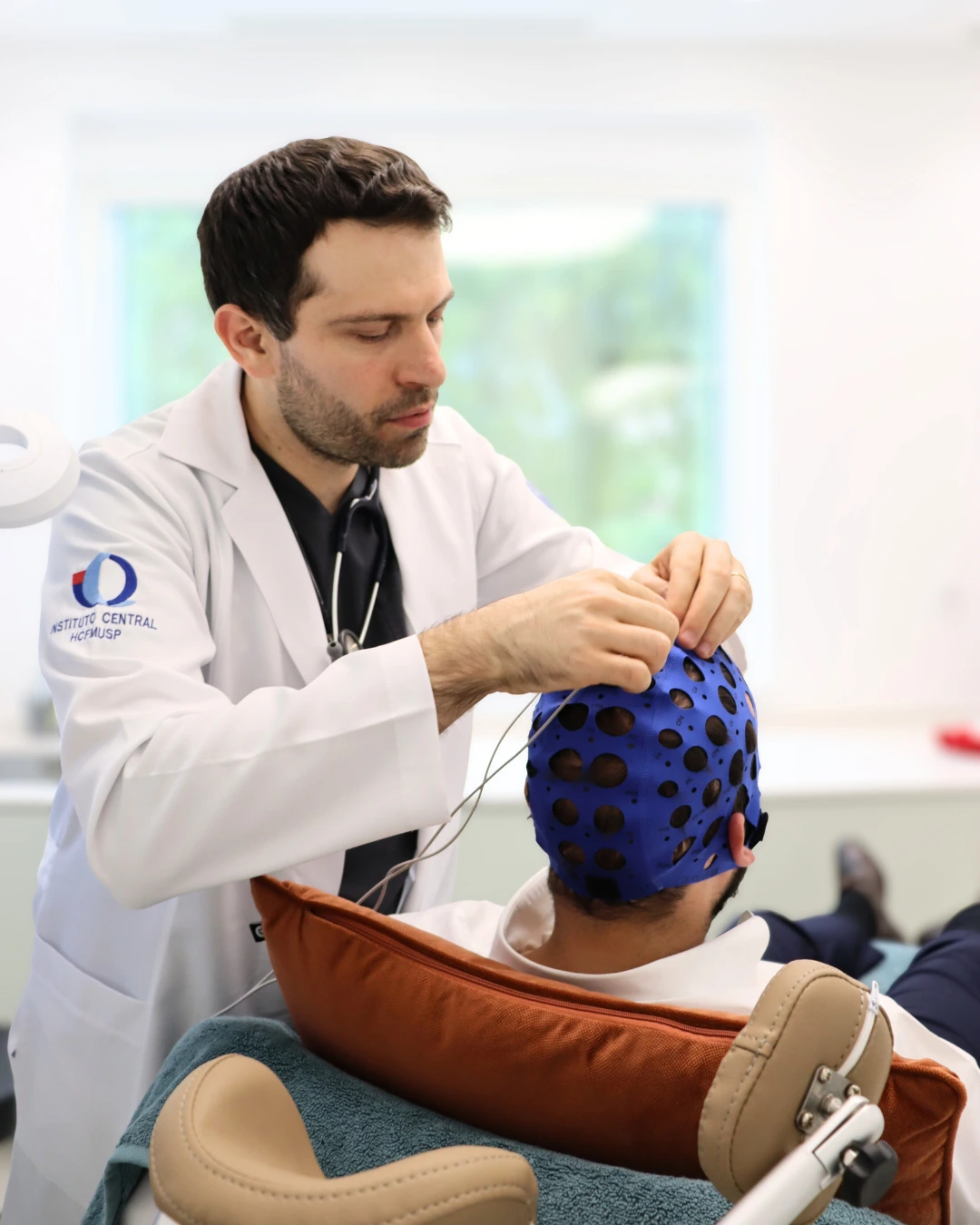
For many years, patients with FNP were deeply misunderstood, being told that their disabling symptoms were simply "psychological", or that there was "nothing wrong" because the tests were normal. A specialised neurological and psychiatric diagnosis is crucial to validate the symptoms, reliably exclude other pathologies, and clearly explain the mechanism of the disease, which must be treated.
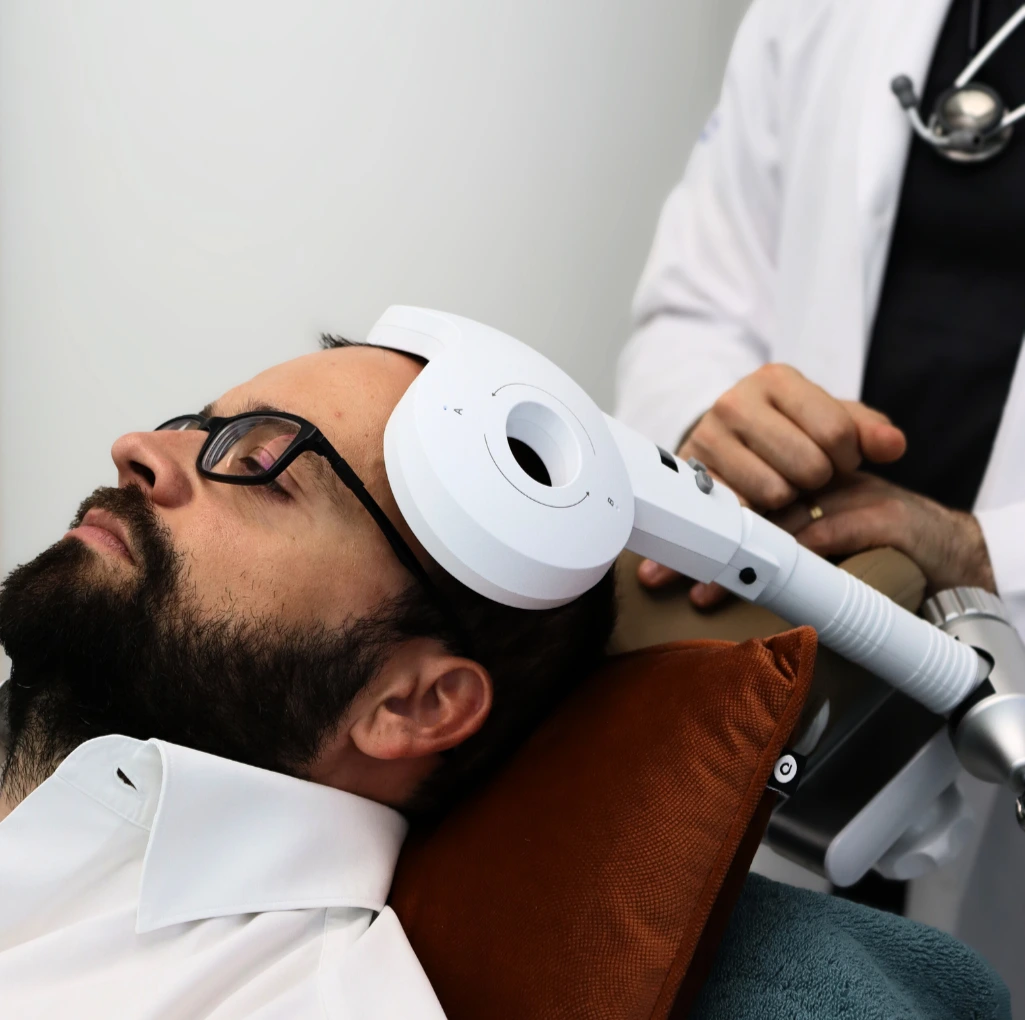
At Clínica NeuroPsyque, we offer an integrated assessment and a personalised rehabilitation plan that combines specialities such as neurology, psychiatry, psychology and physiotherapy. In addition, we have advanced neuromodulation technology at our disposal, such as Transcranial Magnetic Stimulation (TMS), which has proved central to the treatment of neurological and neuropsychiatric conditions. Our team is prepared to help "reprogramme" your nervous system, restoring brain communication pathways and giving the patient back control of their body through modern, validated treatments, avoiding common complications from excessive and prolonged use of medication.
FAQ's about PNF / FND
How is the diagnosis made if tests such as MRI show nothing abnormal?
Is PNF curable or is recovery possible?
What does treatment for FNP consist of?
How does neuromodulation help in the treatment of PNF?
Is PNF the same thing as Anxiety or Depression?
What triggers the disease?
Do I need a medical referral to book an appointment at NeuroPsyque?