 Skip to content



PROGRESSIVE SUPRANUCLEAR PARALYSIS - Treatment in Lisbon
Specialised assessment, treatment and follow-up for Progressive Supranuclear Palsy in Lisbon - diagnosis, neuromodulation and rehabilitation
WHAT IS PROGRESSIVE SUPRANUCLEAR PALSY?
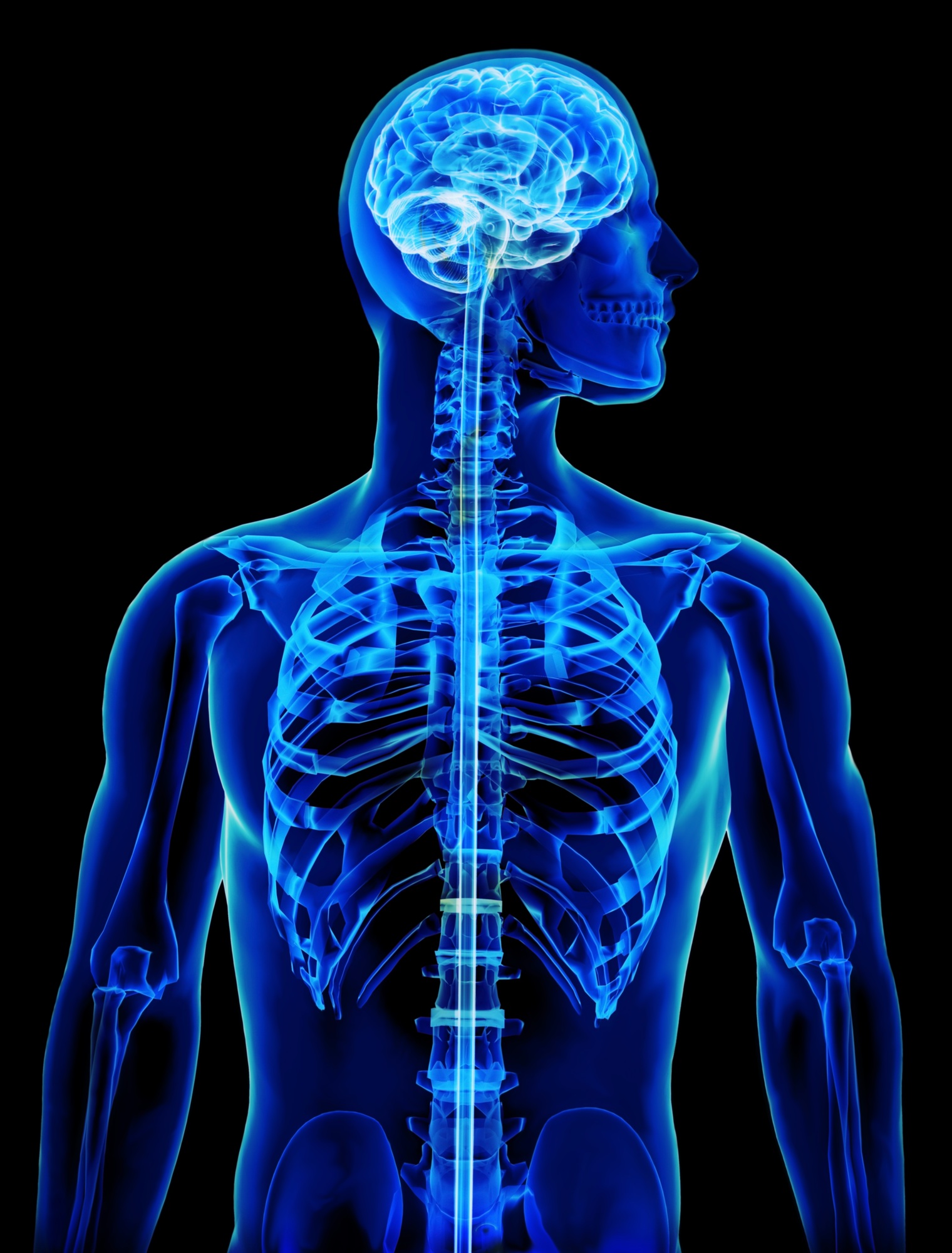
A progressive tauopathy often mistaken for Parkinson's disease
Progressive Supranuclear Palsy (PSP) is a sporadic (non-genetic) neurodegenerative disease that affects the basal ganglia, brainstem and frontal cortex. It is distinguished by the presence of vertical gaze paralysis, early postural instability with backward falls, progressive frontal syndrome and poor response to levodopa (a drug widely used to treat Parkinson's).
Characteristic signs and symptoms
- Vertical gaze paralysisDifficulty or inability to move the eyes up and down.
- Lack of balance and early fallsFalls start early in the disease, often backwards. In Parkinson's disease, falls occur later.
- Changes in thinking and speechSlow thinking, apathy and various changes in behaviour. Speech becomes slower and more difficult to understand.
- Difficulty swallowing and body stiffnessDifficulty swallowing may occur, with the risk of choking. The body becomes more rigid, especially in the torso and neck.
CLINICAL VARIANTS AND DIFFERENTIAL DIAGNOSIS
PSP-Richardson (PSP-RS) - Classic Form
The most recognised variant. Paralysis of the downward vertical gaze, postural instability with early falls backwards, frontal syndrome (with apathy) and dysarthria (speech problems). The "lighthouse" sign - facial expression with fixed eye opening - is characteristic.
Classic shapePSP-Parkinsonism (PSP-P) - Difficult to Distinguish from Parkinsonism
Presentation with asymmetrical tremor, slowness of movement (bradykinesia) and some initial response to levodopa. Correct diagnosis requires close clinical follow-up and functional neuroimaging (DaTSCAN, PET tau).
Differential diagnosisPSP-SFC and PSP-CBS - Frontal and Cortical Variants
In PSP with Frontal and Behavioural Syndrome, alterations in behaviour and executive functions predominate (apathy, disinhibition, difficulty planning). In PSP with Corticobasal Syndrome (PSP-CBS) there are asymmetrical signs such as apraxia (difficulty executing learnt gestures), a feeling that a limb “doesn't belong to the body” (alien hand) and more marked motor deficits on one side of the body. These variants can be confused with other diseases, making diagnosis more complex.
Atypical variantDifferential Diagnosis with Other Parkinsonisms
PSP is distinguished from Corticobasal Degeneration (CBD), Multiple System Atrophy (MSA) and Parkinson's Disease by the combination of oculomotor signs (gaze), early fall pattern, and response to levodopa. Structural and functional neuroimaging also help with differentiation.
Atypical parkinsonism
The definitive diagnosis of PSP requires neuropathological confirmation - the clinical diagnosis is probable, according to the MDS-PSP 2017 criteria.
PSP: DIAGNOSIS AND IMPACT
SPECIALISED INTERVENTION
Correct diagnosis and early multidisciplinary follow-up determine the patient's quality of life and safety
* Data based on published clinical studies and patient records. Individual results may vary.
Sources: clinical data, PSP Association UK - Patient Survey 2022 (around 60% with initial misdiagnosis); NIH/PubMed - Diagnostic delay in PSP: median 3-4 years (Respondek et al., MDS-PSP criteria 2017); Frontiers in Neurology - Multifactorial rehabilitation in PSP: significant improvement in the Berg Balance Scale in a 4-week programme; NIH/PubMed - PSP as the most prevalent atypical parkinsonism.

IMPORTANCE OF SPECIALISED CONSULTATION
PSP is one of the neurological diseases with the longest diagnostic delay - on average 3 to 4 years between the first symptoms and correct diagnosis. Despite early onset falls. During this period, many patients are treated for idiopathic Parkinson's with levodopa, a medication that has limited or no effect on PSP, and which delays the start of an appropriate therapeutic approach. Correct differential diagnosis, supported by structured clinical criteria (MDS-PSP 2017), neuroimaging and specialised oculomotor assessment, is the essential starting point.
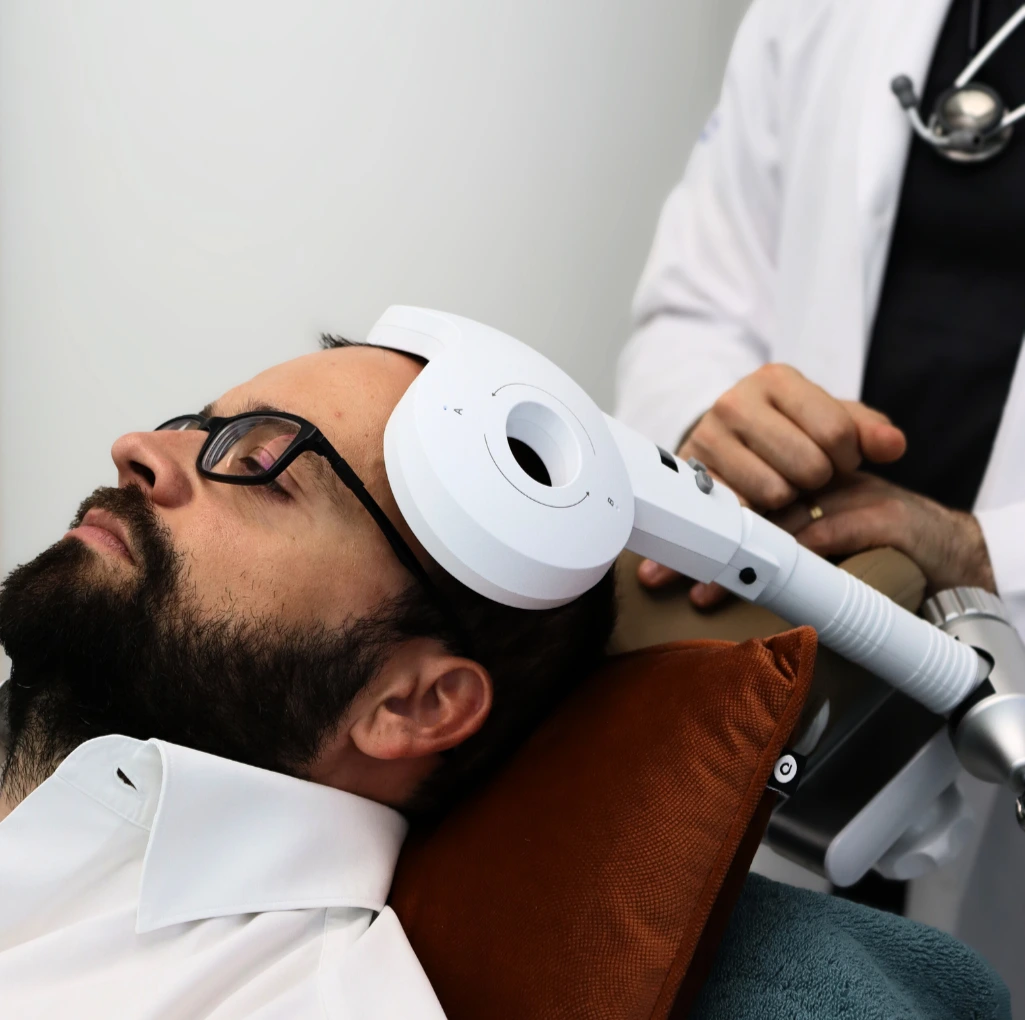
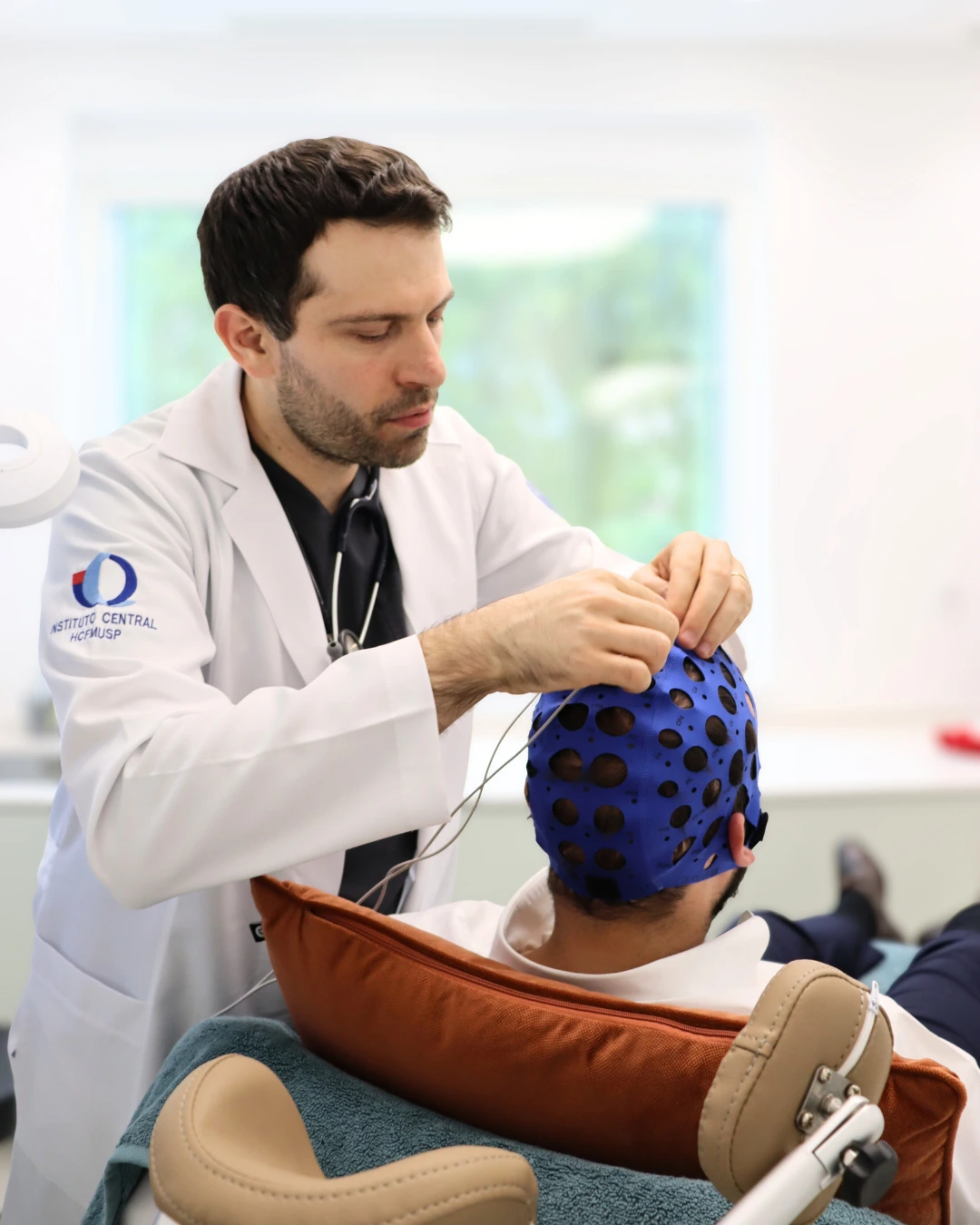
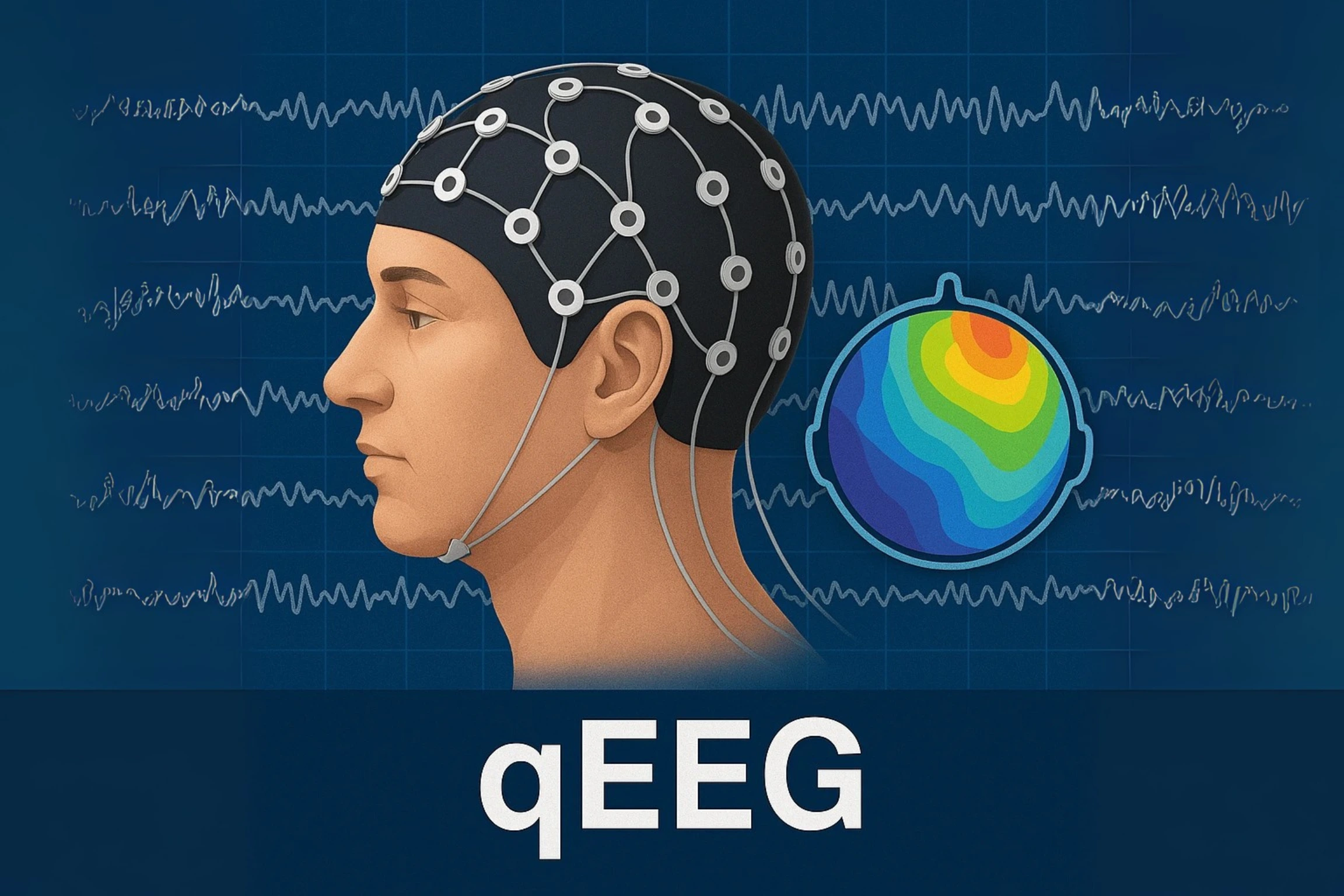
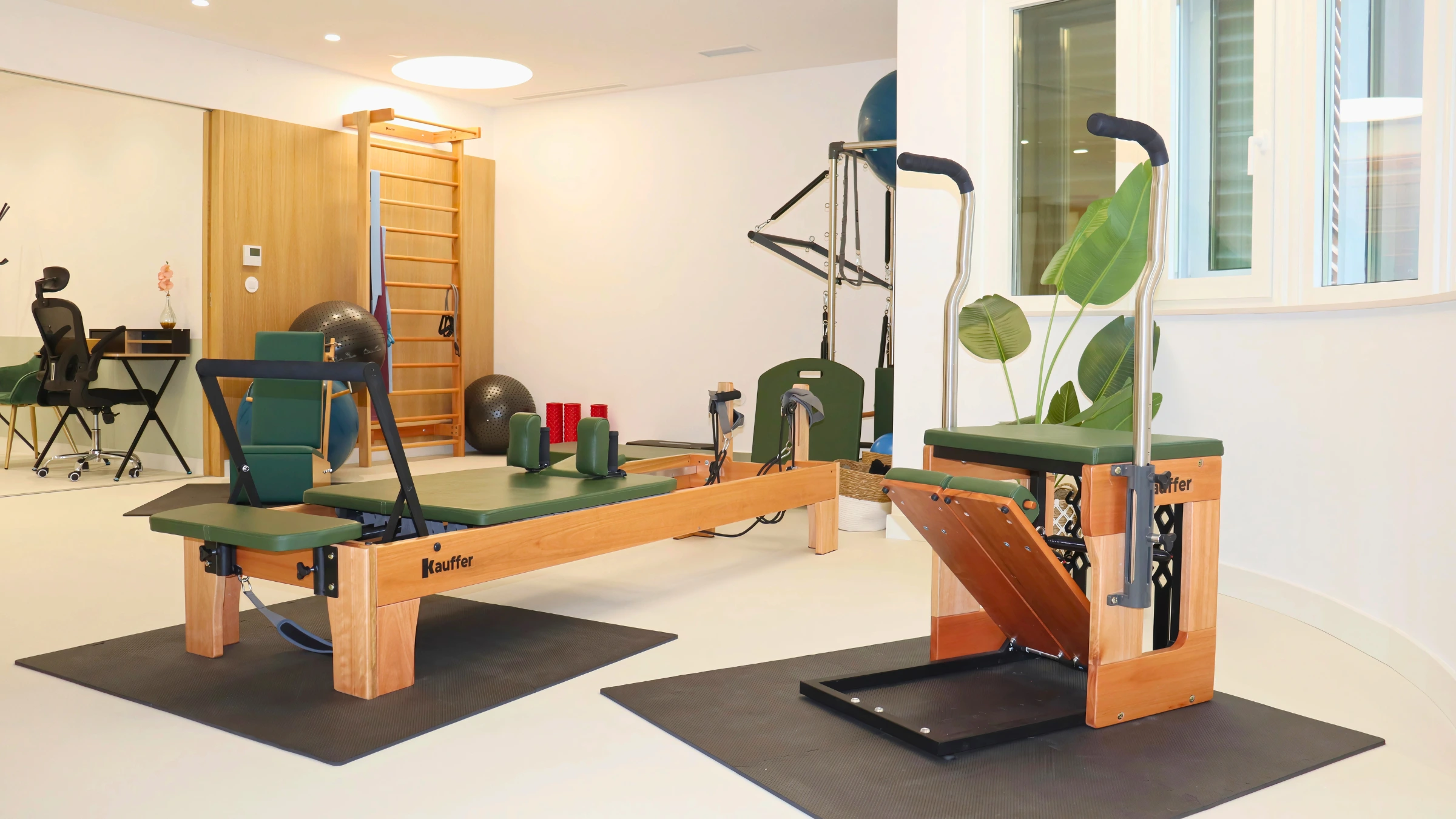
At NeuroPsyque, the PSP consultation includes a detailed neurological assessment, structured oculomotor examination, coordination of structural and functional neuroimaging and access to non-invasive neuromodulation with frontal EMT protocols to control apathy, rigidity and cognitive slowing. Multidisciplinary support - including gait, swallowing and communication rehabilitation - is an integral part of our care model.