 Skip to content



HEADACHES - Treatment in Lisbon
Specialised assessment and treatment for Migraine, Cluster Headache and Chronic Daily Headache in Lisbon - diagnosis, pharmacotherapy and neuromodulation
WHAT ARE HEADACHES?

Headaches: when should you worry?
Headaches are very common, affecting children and around half of all adults. But not all of them are the same. They can arise from acute causes, such as infections, dehydration or sleep disorders, or from pain mechanisms related to the activation of nerves and structures in the brain, such as migraines or cluster headaches. It is therefore essential to identify the cause in order to choose the most appropriate treatment.
Signs and symptoms that warrant specialised assessment
- Intense, pulsating and recurring painEpisodes of moderate to severe pain, usually unilateral, pulsating, aggravated by physical activity and associated with nausea, vomiting or photophobia (intolerance to light).
- Aura - temporary neurological symptomsVisual, sensory or speech changes that can appear before or during the headache. They occur in around 30% of migraine cases.
- Intense pain around the eyeVery strong pain on one side, near the eye, with tearing and a runny nose. This is typical of cluster headaches, one of the most intense pains there is.
- Headache present 15 or more days per monthWhen the headache becomes chronic and daily, with frequent overuse of analgesics - requiring an even more careful approach to prevention and rehabilitation.
TYPES OF HEADACHE AND CLINICAL ASSOCIATIONS
Migraine - With and Without Aura
The most prevalent form of disabling primary headache. It doesn't have an acute cause - tissue damage or inflammation. Rather, it results from alterations in the brain itself - in the pain receptors. Migraine with aura is associated with greater cardiovascular risk and requires a specialised therapeutic approach.
Primary HeadacheCluster Headache - The Most Intense Pain
A rare but extremely intense type of headache that comes in attacks, often at the same time of day. It causes severe pain around one eye, with tearing and a runny nose. It is more common in men and requires specific treatment, both to relieve the pain and to prevent further attacks.
Trigemino-Autonomic HeadacheChronic Daily Headache and Analgesic Abuse
Present more than 15 days a month for more than 3 months. Often associated with excessive use of analgesics or triptans, creating a cycle of chronification that is difficult to break without a specialised multidisciplinary approach and a structured weaning strategy.
Chronic HeadacheSecondary Headaches - Warning Signs
Headaches that signal an underlying pathology - intracranial hypertension, venous thrombosis, subarachnoid haemorrhage, meningitis, neoplasia, among others. Identifying warning signs (sudden onset, progression, fever, other neurological signs) is a priority in the initial assessment of any headache.
Diagnostic Alert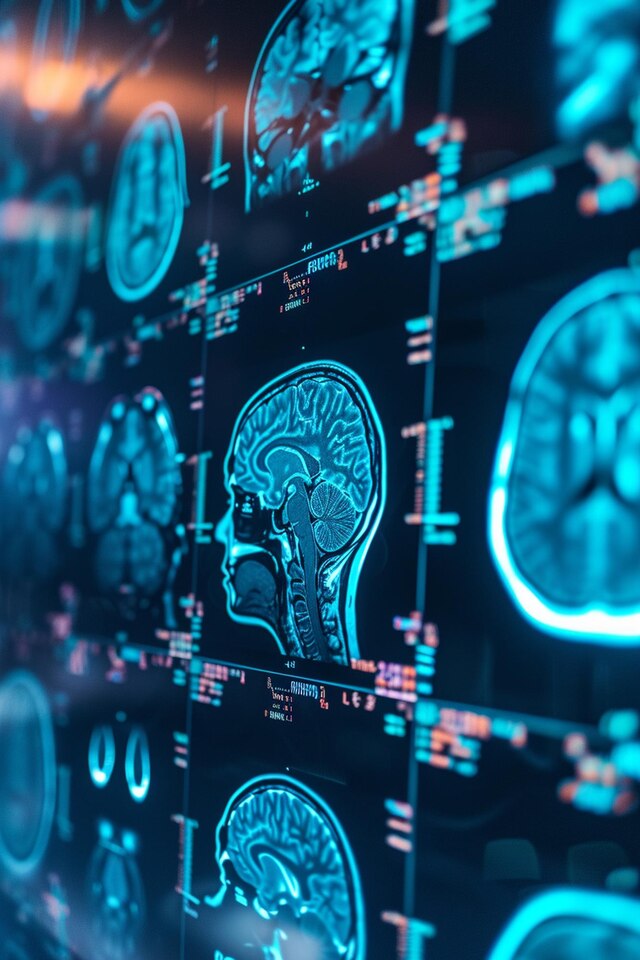
Migraine affects around 15% of the world's population and is the 2nd leading cause of disability globally - more than 50% of patients have never received adequate preventative treatment.
CEFALEIAS: IMPACT, PREVALENCE
AND RESPONSE TO TREATMENT
Global and clinical data showing the burden of headaches and the benefit of specific treatments
Sources: clinical data, GBD 2023 Headache Collaborators - https://pmc.ncbi.nlm.nih.gov/articles/PMC12612381/, Holroyd et al. (2001), JAMA - https://pubmed.ncbi.nlm.nih.gov/11325322/, Cohen et al. (2009), JAMA - https://pubmed.ncbi.nlm.nih.gov/19996400/


IMPORTANCE OF SPECIALISED CONSULTATION
Headache is the most frequent neurological complaint in health services, but also one of the most under-treated. Chronic self-medication with over-the-counter painkillers - simple analgesics, triptans, NSAIDs - is both a cause and a consequence of the perpetuation of headache, creating a vicious cycle that only specialised intervention can break. The absence of adequate preventive treatment results in years of disability, absenteeism from work, deterioration in quality of life and progression to chronic daily headaches.
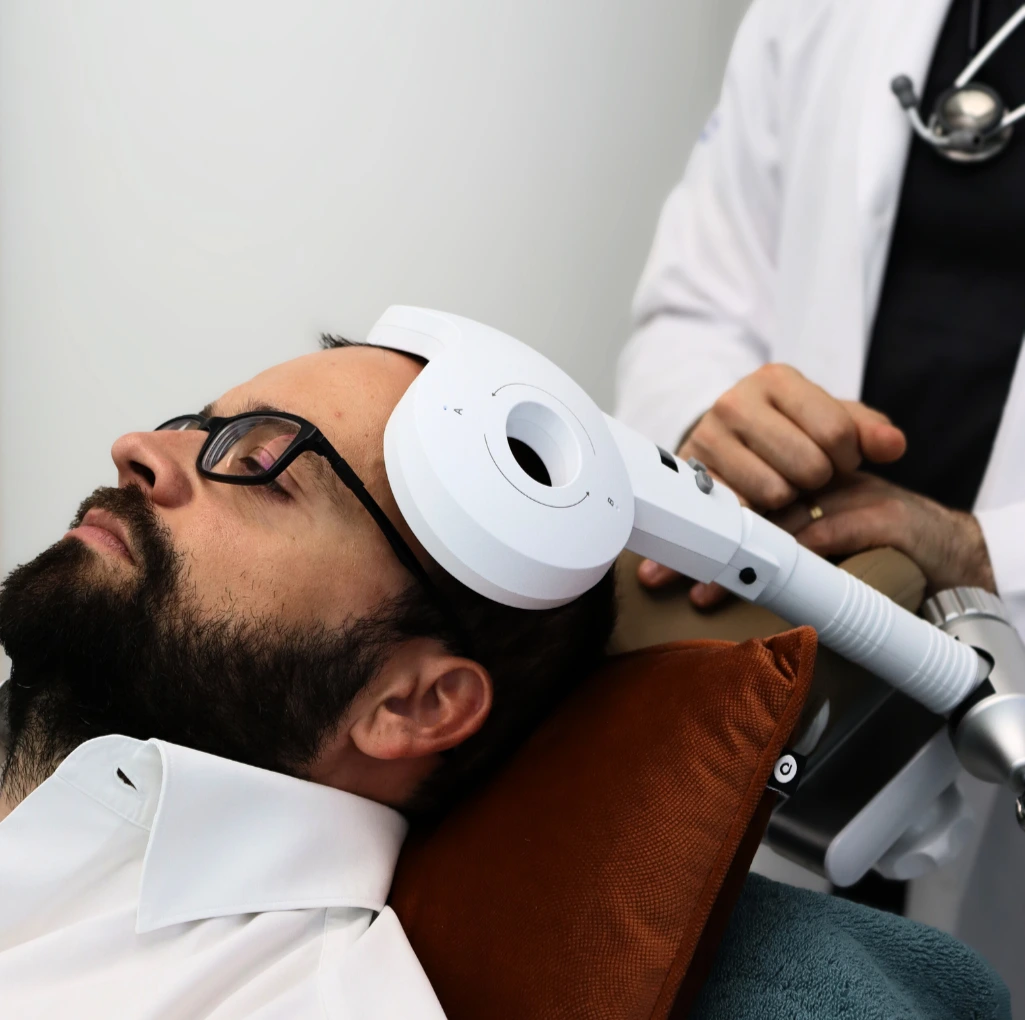
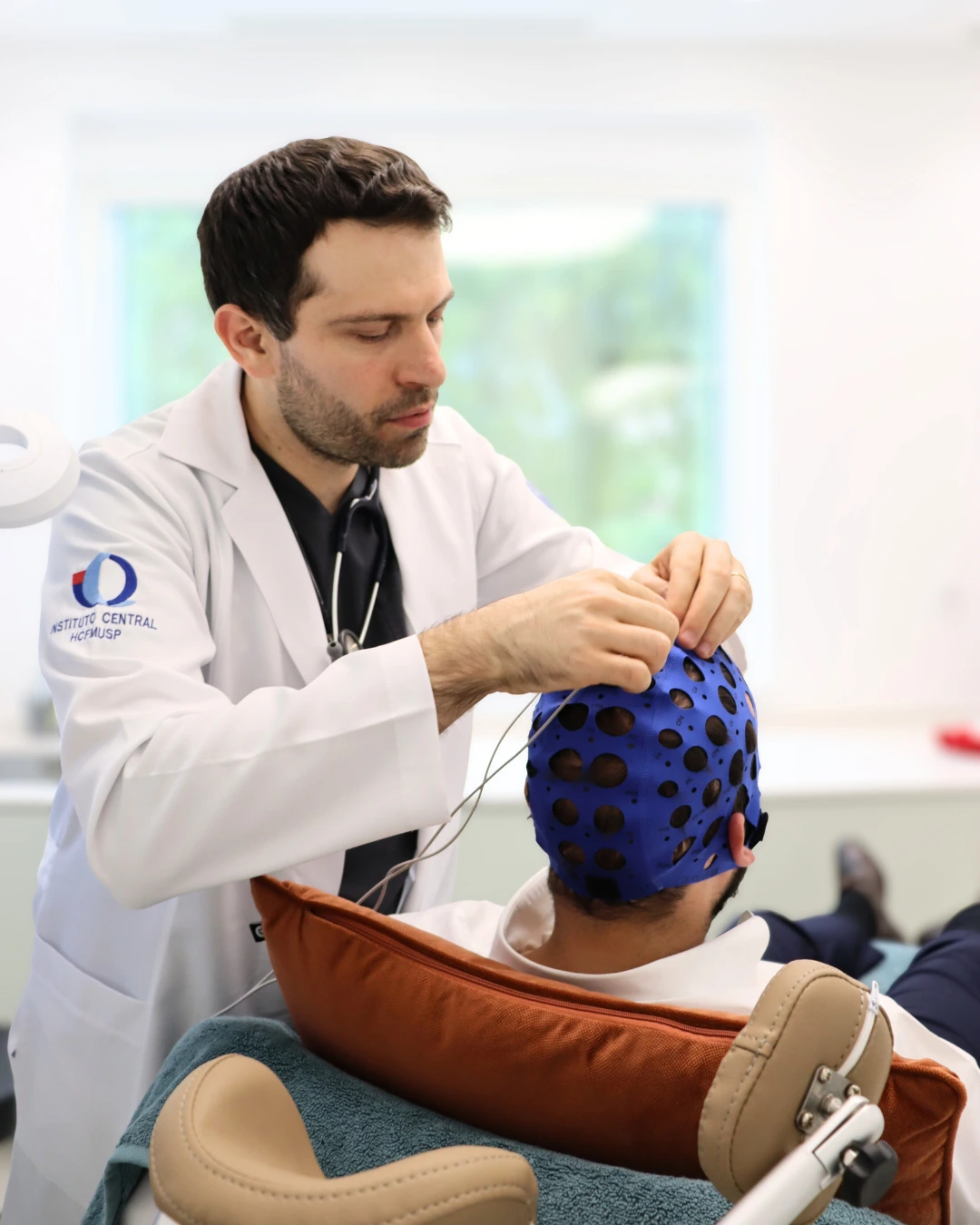
At NeuroPsyque, the Headache consultation includes a structured neurological assessment with detailed characterisation of the headache pattern, identification of triggering factors and chronification, and the development of an individualised therapeutic plan combining acute treatment, pharmacological preventive therapy and non-invasive neuromodulation with EMT to reduce cortical excitability. Complete, integrated monitoring and adjustment of the plan according to the response are central components of our care model.