Skip to content



NEUROPATHIC PAIN - Treatment in Lisbon
Specialised assessment and treatment for neuropathic pain in Lisbon
WHAT IS NEUROPATHIC PAIN?
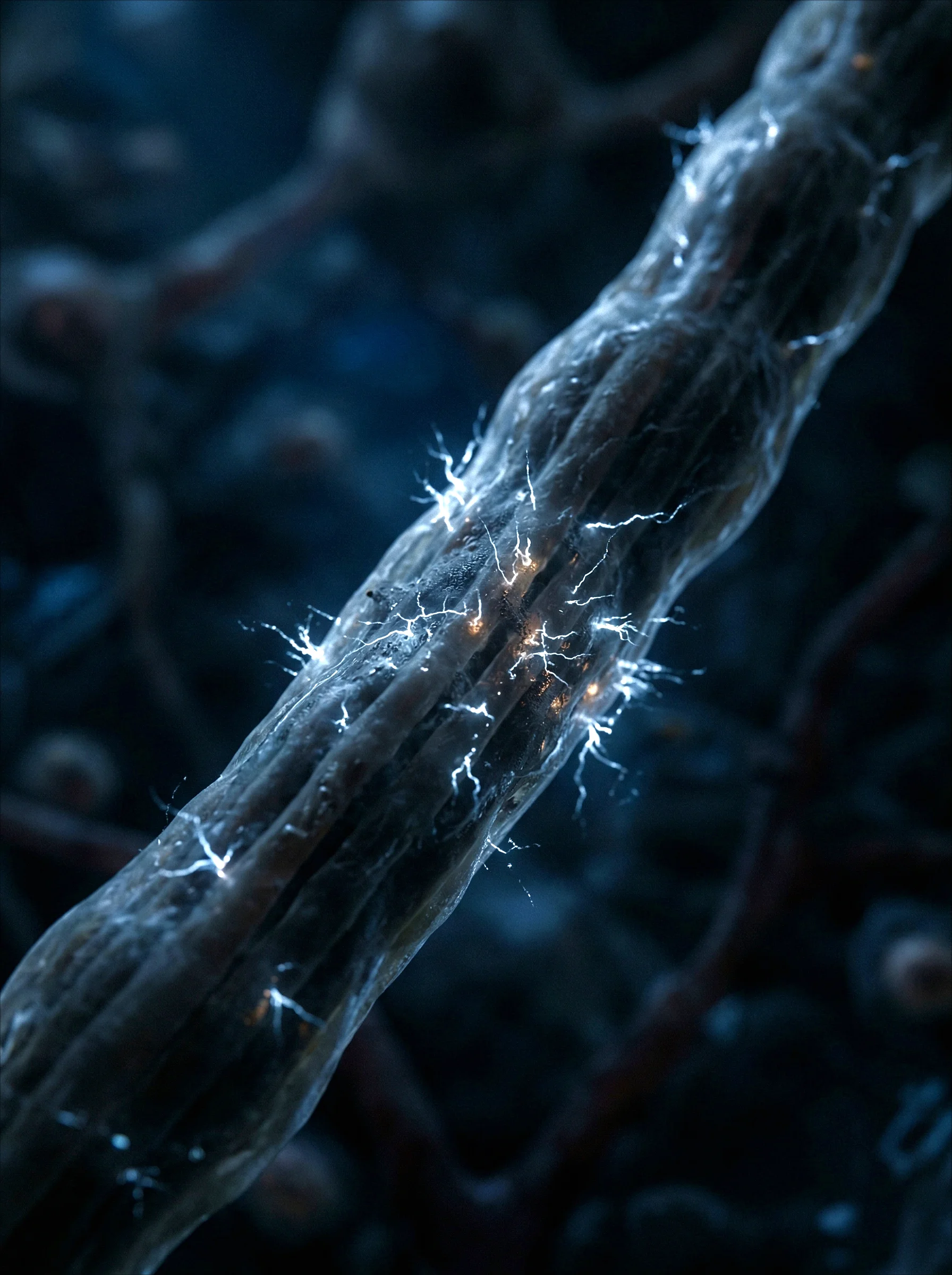
Pain originating in the nervous system
Neuropathic pain results from an injury or dysfunction in the central or peripheral nervous system, and not from direct tissue damage. It is a chronic pain, often described as burning, electric shock or persistent tingling, which can arise spontaneously, without a provoking stimulus, or with a stimulus, causing a greater effect (pain) than would be expected.
Most common manifestations
- AlodiniaIntense pain in response to normally harmless stimuli (clothing, wind, light touch).
- HyperalgesiaExaggerated (increased) response to painful stimuli (e.g. pinch felt like a cut).
- Spontaneous painBurning sensation or shock with no apparent cause.
- Sleep disturbanceThe intensity of nocturnal pain compromises rest, recovery and quality of life.
CAUSES AND TYPES OF NEUROPATHIC PAIN
Diabetic Neuropathy
The most common neurological complication of diabetes, with burning pain and tingling in the lower limbs.
PeripheralPostherpetic neuralgia
Persistent pain after shingles, with intense skin hypersensitivity that can last for months or years.
PeripheralCentral Pain (Stroke / Multiple Sclerosis)
Lesions in the central nervous system cause diffuse pain that is difficult to control.
CentralPost-Surgical and Post-Traumatic Pain
Nerve damage from surgery or trauma that can appear immediately or weeks later.
Peripheral / Central
Other causes include trigeminal neuralgia, radiculopathy, carpal tunnel syndrome and chemotherapy-induced neuropathy.
EFFECTIVENESS IN TREATMENT
NEUROPATHIC PAIN
Consistent clinical results with non-invasive and personalised approaches
* Data based on published clinical studies. Individual results may vary.
Sources: clinical data, meta-analysis of 38 studies of rTMS in neuropathic pain - effect size -0.66, p<0.001 (PubMed/Cochrane Library, until 2021); improvement in sleep interference with gabapentinoids in chronic pain, 40% improvement (NIH/PubMed, 2024); efficacy of first-line treatments in neuropathic pain - 33-50% response (IASP; NIH/PubMed, systematic reviews); Pain Physician Journal - high-frequency rTMS in 25 studies, 589 patients (ISSN 2150-1149).

IMPORTANCE OF SPECIALISED CONSULTATION
Neuropathic pain is often underdiagnosed and undertreated - many patients wait years before receiving a correct diagnosis. A specialised neurological assessment is the essential first step: it allows the underlying cause to be identified, the extent of nerve involvement to be assessed and a personalised therapeutic plan to be designed.
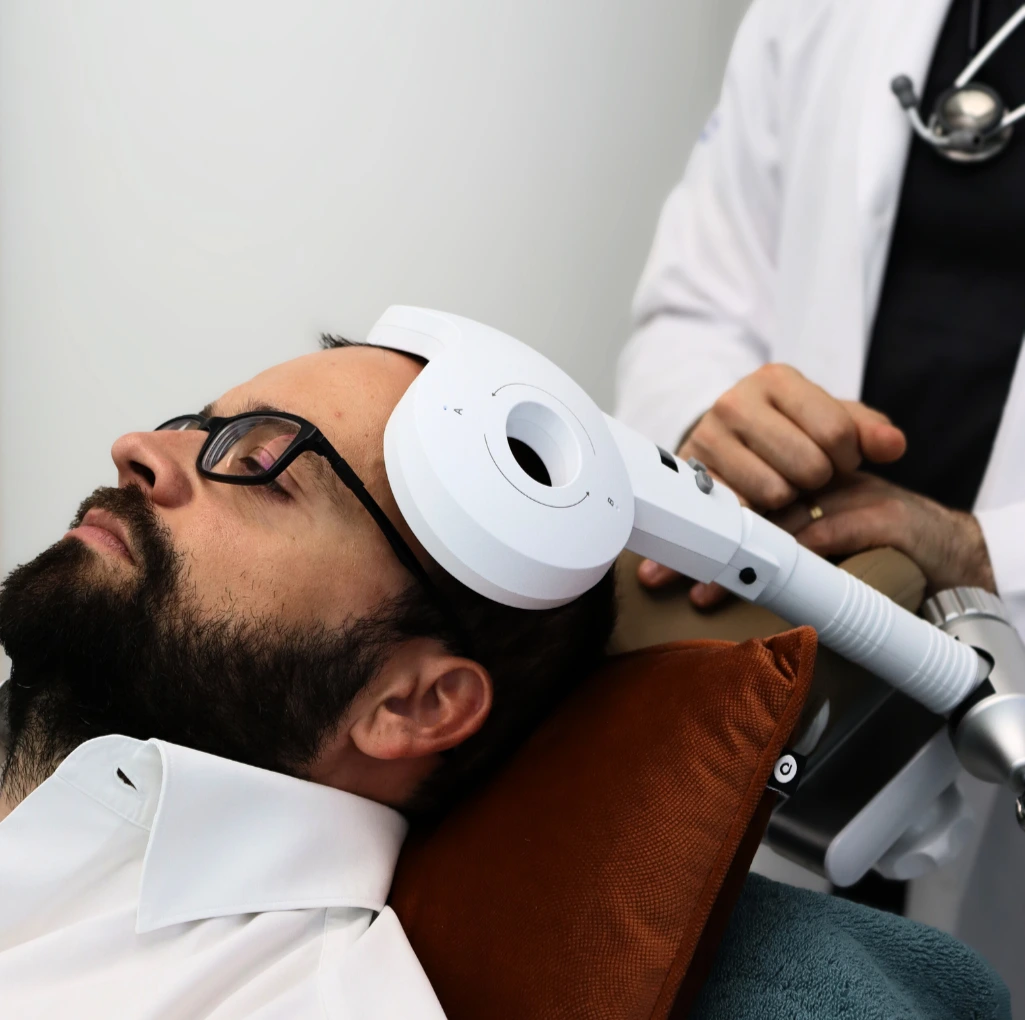
At NeuroPsyque, the neuropathic pain consultation includes a detailed anamnesis, neurophysiological tests and access to reference treatments such as Transcranial Magnetic Stimulation (TMS) and Transcranial Direct Current Stimulation (tDCS/ tDCS). Our aim is to restore real quality of life - with clinical rigour and close monitoring.
FAQ's on Neuropathic Pain
What should I expect at the first assessment appointment?
Can neuropathic pain be cured?
What is the difference between central and peripheral neuropathic pain?
How do you distinguish neuropathic pain from other types of pain?
Are EMT and tDCS (tDCS) safe treatments for neuropathic pain?
How soon do you start to feel the results of neuromodulation?
Can these treatments replace medication?
Do I need a doctor's referral to book an appointment?
Does NeuroPsyque treat neuropathic pain associated with other conditions (diabetes, multiple sclerosis, spinal cord injury)?