BURNOUT SYNDROME
Specialised assessment and treatment for Professional Burnout in Lisbon
WHAT IS BURNOUT?

Chronic stress-induced burnout
Burnout Syndrome is a state of physical, emotional and mental exhaustion resulting from chronic stress in the workplace or other highly demanding spheres. It's not just "being tired"; it's a deep exhaustion of the nervous system that affects the ability to function, decreasing or eliminating motivation, impacting overall health and simple well-being.
Most common manifestations
- Extreme ExhaustionConstant fatigue and feeling drained of energy, even after resting.
- Mental DistancingGrowing feelings of negativity, cynicism, demotivation and detachment from work.
- Drop in ProductivityDifficulty concentrating (brain fog) and reduced professional effectiveness.
- Physical symptomsTension headaches, sleep disorders, palpitations and muscle tension.
RISK FACTORS AND SIGNS OF BURNOUT
Work overload
Excessive tasks, unrealistic demands and expectations, and long hours that prevent adequate physical and mental recovery.
EnvironmentalLack of control
Feeling unable to influence decisions, manage their own time or have autonomy over professional projects.
OrganisationalEffort-Reward Imbalance
Intense effort that doesn't translate into recognition, career progression or fair financial compensation.
PsychologicalAbsence of Limits
Constant difficulty in disconnecting from work (hyperconnectivity), combined with traits of high perfectionism.
Behavioural
Other factors include a lack of social support, conflicts of values and prolonged exposure to negative work environments.
EFFECTIVENESS IN TREATMENT
THE BURNOUT
Clinical results consistent with integrated multidisciplinary intervention
* Full recovery from professional burnout depends on early diagnosis and commitment to the therapeutic plan.
Sources: clinical data, Marine et al. (2006) - Systematic review of burnout prevention programmes; Abdelhadi et al. (2025) - RCT on CBT and academic burnout; Baqutayan et al. (2024) - Meta-analysis of mindfulness and burnout; Awa et al. (2010) - Person-organisation interventions; Kwak et al. (2016) - rTMS for occupational stress (PMC5128350).



THE IMPORTANCE OF ACTING QUICKLY
Ordinary tiredness can disappear with a simple weekend break or a holiday. In Burnout, this is not the case. There is usually a deep attachment to work that is difficult to regulate. Ignoring the symptoms can lead to severe depression, chronic anxiety disorders and even cardiovascular problems. Sometimes you need to take steps backwards to keep going. A specialised medical and psychological assessment is the essential step towards breaking the cycle of exhaustion and protecting your physical, cognitive and emotional health.
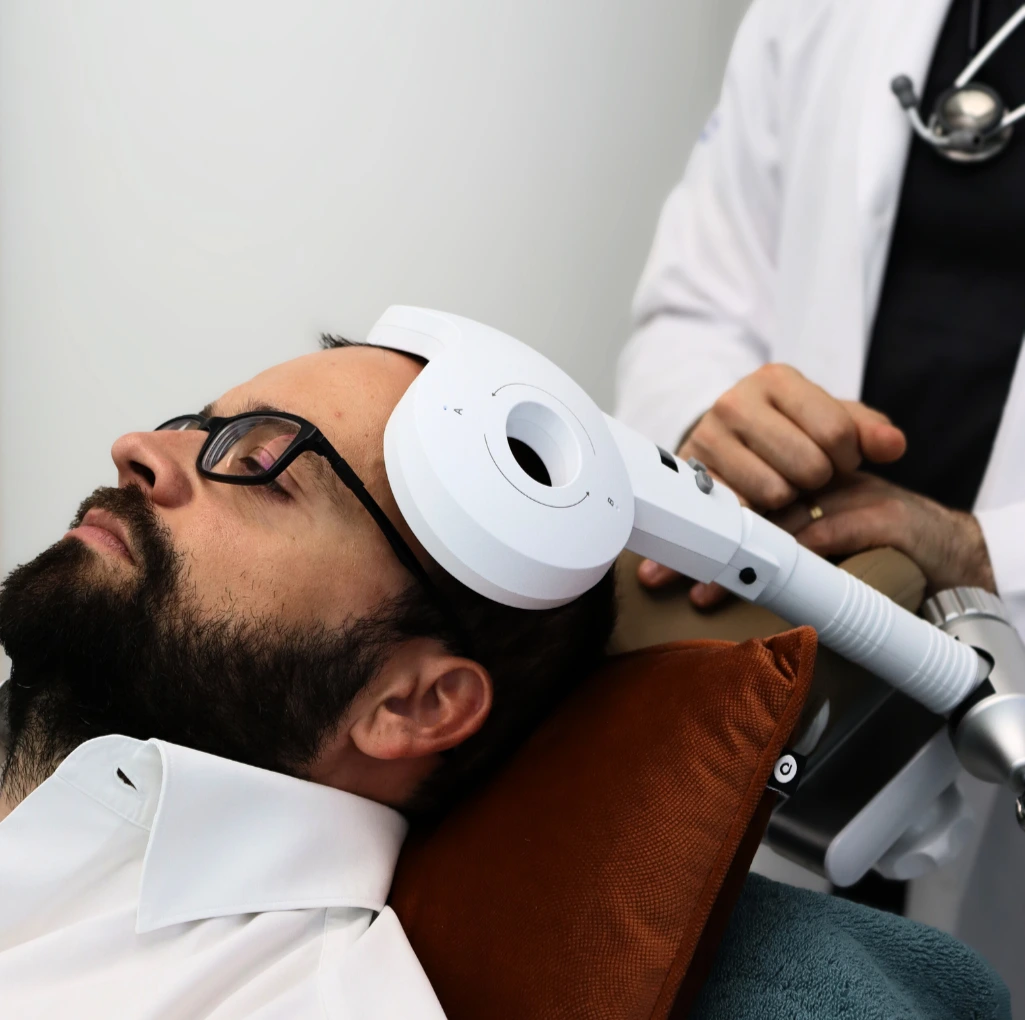
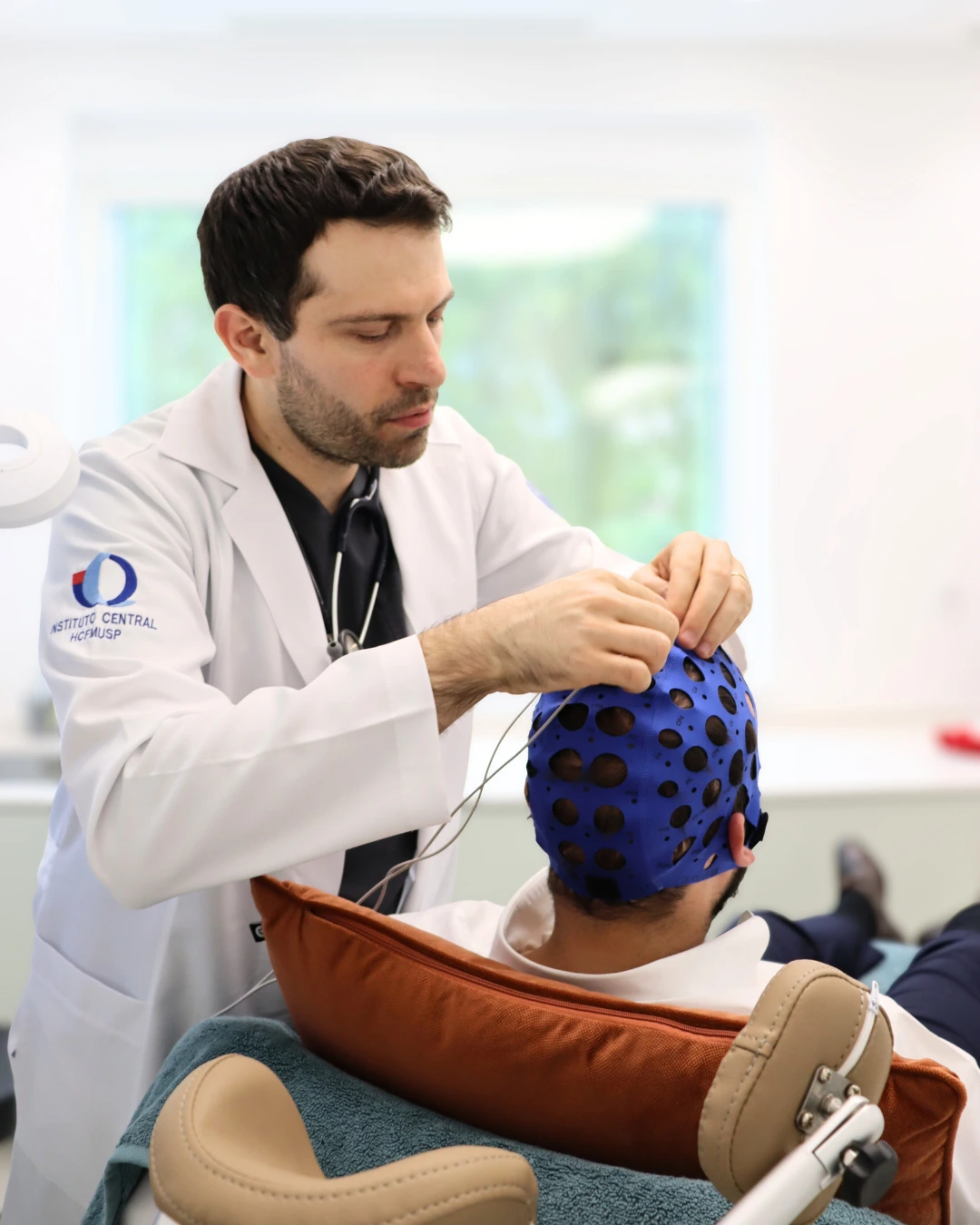
At Clínica NeuroPsyque, we offer a multidisciplinary and integrated approach. Our assessment consultation allows us to design a cohesive intervention plan, which can encompass psychological support, psychiatric adjustments and advanced neuromodulation therapies, such as Transcranial Magnetic Stimulation (TMS), to treat mental fog and profound fatigue. The aim is to rehabilitate your health and equip you with tools for a more balanced future.
FAQ's about Burnout
Is burnout the same as depression?
How long does treatment for Burnout take?
Will I need to take medication?
Is time off work (sick leave) compulsory?
Can Transcranial Magnetic Stimulation (TMS) help with Burnout?
Is it possible to prevent a Burnout relapse?