Perturbações da Personalidade: o que são e tratamento em Lisboa

PERSONALITY DISORDERS - Treatment in Lisbon

Specialised diagnostic assessment and follow-up for Personality Disorders in Lisbon - differential diagnosis, structured psychotherapy and neuromodulation

WHAT ARE PERSONALITY DISORDERS?

Avaliação neuropsiquiátrica das Perturbações da Personalidade — NeuroPsyque Lisboa

Persistent pathological thought and behaviour patterns

Personality Disorders are clinical conditions characterised by deep-rooted patterns of behaviour that deviate markedly from cultural expectations, cause constant difficulty in interpersonal relationships, and generate suffering in the individual and the environment around them. These patterns tend to be inflexible and begin in adolescence or early adulthood. They have a multifactorial origin - involving genetic predisposition, adverse childhood experiences, and differences in the development of brain circuits linked to emotional regulation and behaviour. They cause real suffering and jeopardise functioning at work, in relationships and in everyday life.

Dimensions affected by personality disorders

  • Unstable identity and self-image
    Fragmented sense of self, chronic emptiness, uncertainty about values, goals and life direction - often associated with instability in relationships with oneself and others.
  • Compromised emotional regulation
    High emotional intensity, exaggerated reactivity to interpersonal stimuli, and difficulty recovering from negative emotional states - with a direct impact on functional capacity.
  • Dysfunctional relational patterns
    Persistent difficulties in interpersonal relationships - alternating idealisation and devaluation, fear of abandonment, defensive isolation or excessive dependence - which recur in different relational contexts throughout life.
  • Impaired impulse control
    Difficulty in inhibiting impulsive behaviour - rash decisions, self-injury, risky behaviour, substance abuse - often used as compensation strategies and dysfunctional emotional regulation in contexts of high distress.

MOST COMMON TYPES AND DIFFERENTIAL DIAGNOSIS

Borderline Personality Disorder (BPD) - The Most Prevalent in Clinical Settings

Characterised by intense instability in interpersonal relationships, self-image and mood, with marked impulsivity - including self-injurious behaviour and recurrent suicidal ideation. BPP results from a combination of innate emotional hypersensitivity and an invalidating childhood environment. It can be treated very effectively with specialised psychotherapies such as DBT (Dialectical Behaviour Therapy) and TFP (Transference Focused Therapy).

Cluster B

Narcissistic and Histrionic Personality Disorder - Cluster B

Narcissistic Disorder is characterised by grandiosity, a need for admiration and a lack of empathy - with a deep underlying vulnerability that is often masked. Histrionic Disorder is manifested by excessive emotionality and attention-seeking behaviour. Both cause significant distress in relationships and respond to long-term, structured psychotherapeutic approaches.

Cluster B

Avoidant, Dependent and Obsessive Personality Disorders - Cluster C

Disorders marked by anxiety and fear: Avoidant (intense social inhibition due to fear of rejection), Dependent (excessive need for care and difficulty making autonomous decisions) and Obsessive-Compulsive Personality Disorders (rigid perfectionism and need for control). They are often confused with anxiety or depression and respond well to structured psychotherapy.

Cluster C

Differential Diagnosis - Bipolar, ADHD, PTSD and ASD

Personality Disorders - particularly Borderline - are often confused with Bipolar Disorder (due to mood instability), ADHD (due to impulsivity and emotional dysregulation), Post-Traumatic Stress Disorder (due to the overlap with early relational trauma) and Autism Spectrum Disorder (due to relational and regulation difficulties). A rigorous differential diagnosis is essential - the treatment plan is radically different in each case.

Differential Diagnosis

Perturbações da Personalidade — neurobiologia, regulação emocional e tratamento

Personality disorders are divided in the DSM-5 into three groups (clusters): A (eccentric), B (emotional/impulsive) and C (anxious/avoidant). The division is based on predominant patterns of thought, emotion and behaviour.

PERSONALITY DISORDERS: PREVALENCE
AND EFFECTIVENESS OF TREATMENT

Real clinical conditions, with an established neurobiological basis and psychotherapeutic treatment of proven efficacy

10-15%
of the general population has criteria for at least one personality disorder - making them as prevalent as major depression
93%
of PPB patients achieve symptom remission for at least 2 years with specialised psychotherapy (DBT, TFP, Schema Therapy)
50%
of psychiatric outpatients have a concomitant undiagnosed personality disorder that complicates the treatment of other conditions
8years
is the average diagnostic delay for BPP - often confused with bipolar depression, ADHD or PTSD, leading to inadequate treatment for years

* Data based on published epidemiological studies and clinical trials. Individual results may vary.

Sources: clinical data, Winsper et al. (2020) - Global meta-analysis prevalence, McLean Study - Zanarini et al. PPB remission, Tedesco et al. (2024) - Diagnostic delay
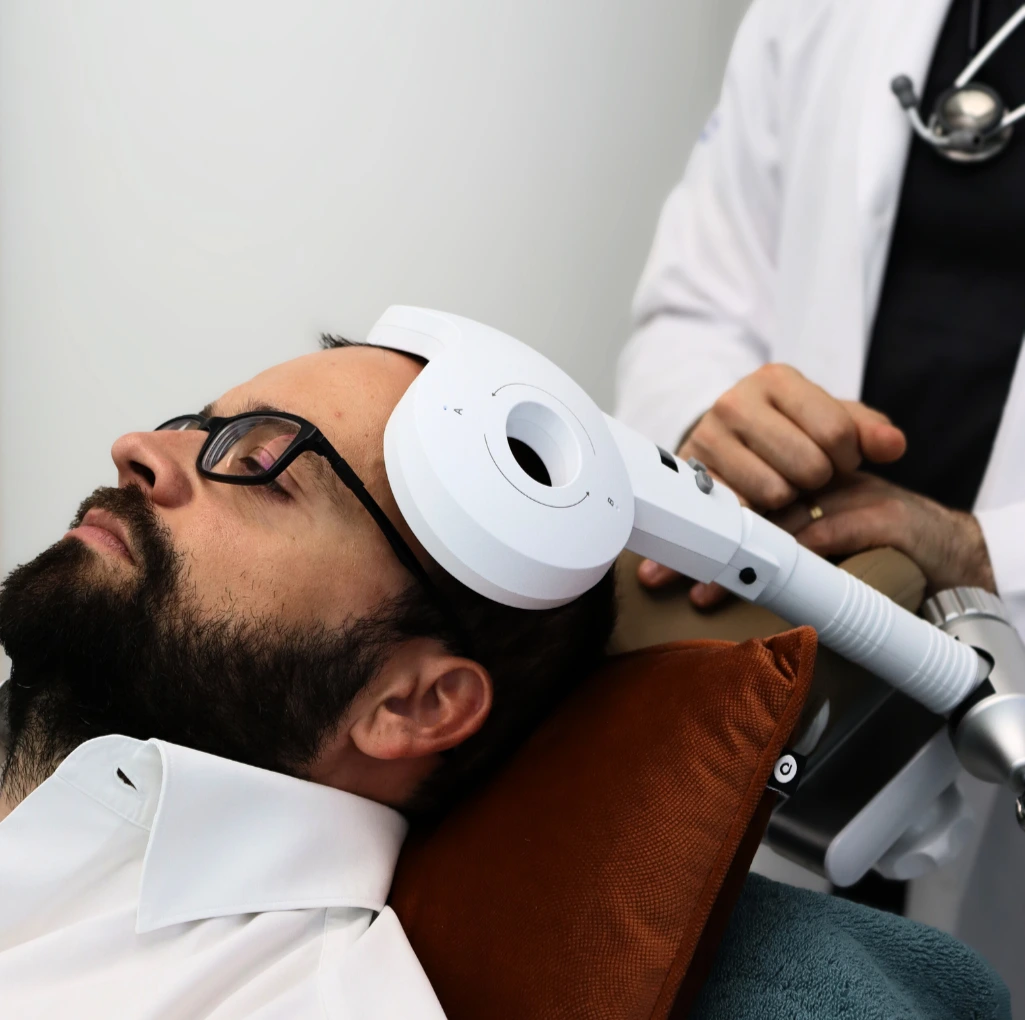
TECHNOLOGY AND THE THERAPEUTIC ENVIRONMENT

Neuroimagem
Estimulação Magnética Transcraniana
tDCS
Acupuntura
tDCS - Estimulação Eléctrica Transcraniana
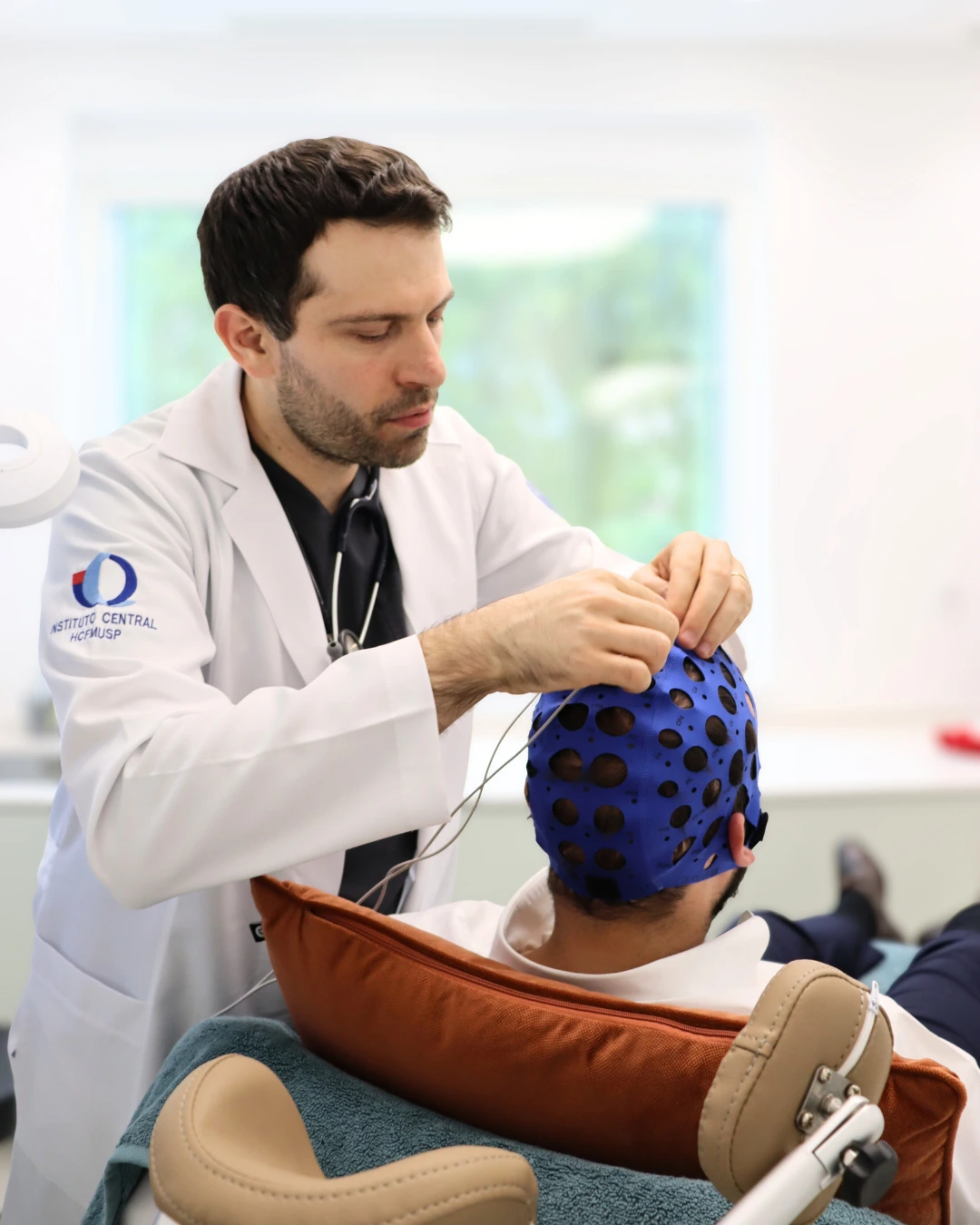
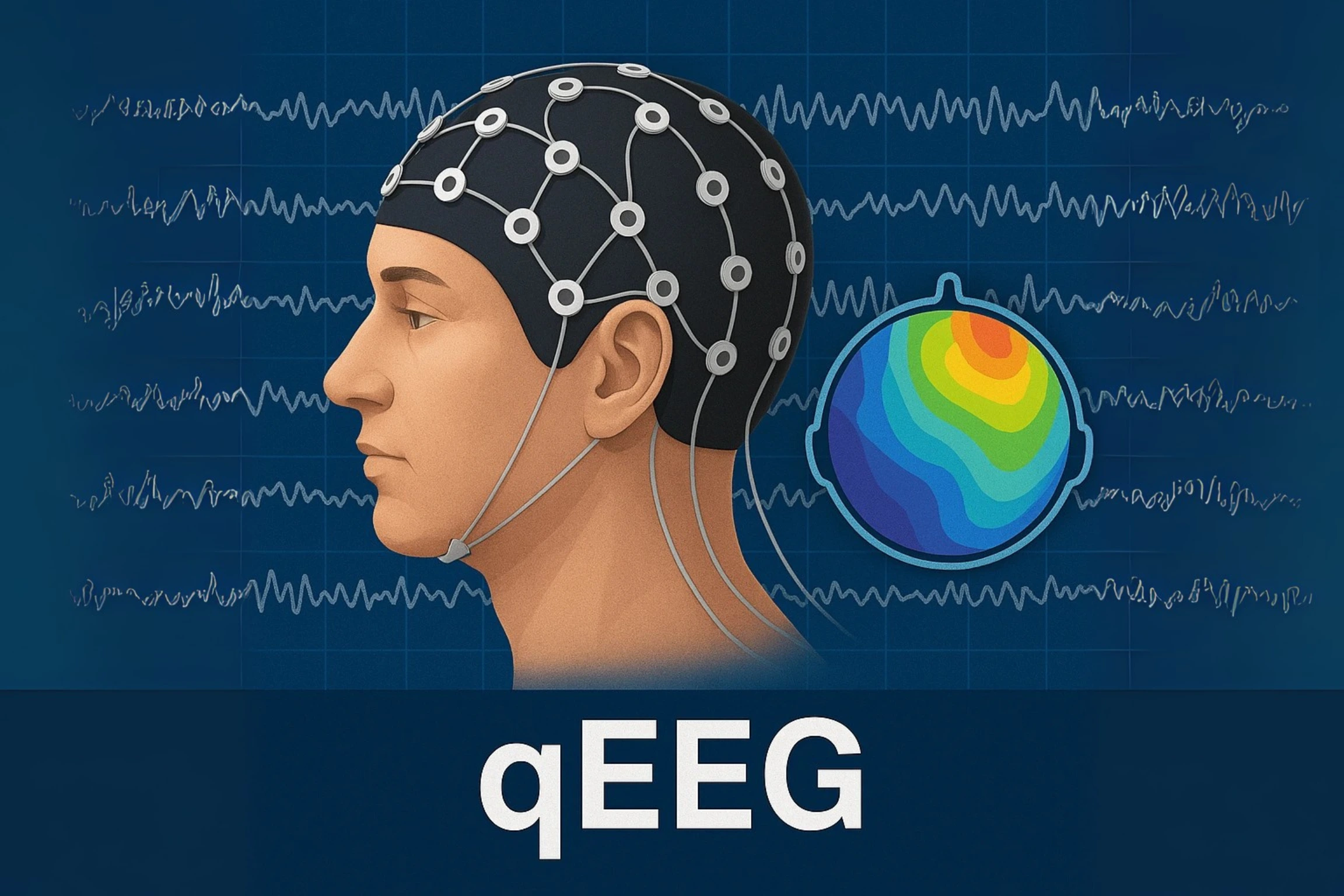
qEEG
Clínica Lisboa
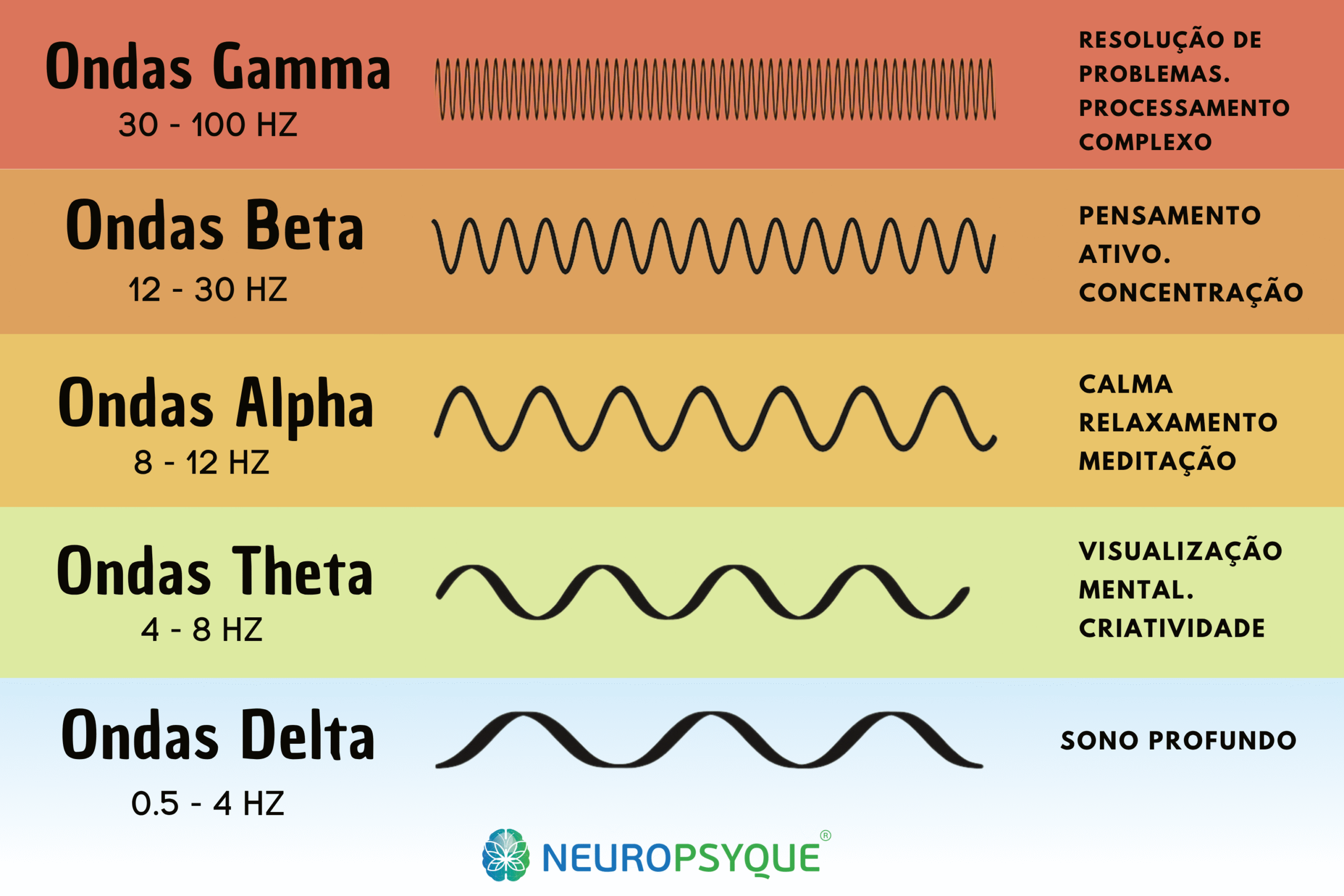
Ondas Cerebrais
Fisiologia
Sala Fisioterapia
Espaço Movimento e Saúde

IMPORTANCE OF DIAGNOSIS AND SPECIALISED MONITORING

Personality disorders are one of the most stigmatised psychiatric conditions - both in society and, historically, within medicine itself. For decades they were seen as fixed and immutable characteristics, relegating patients to a therapeutic limbo with no prospect of improvement. Research over the last three decades has radically transformed this view: we now know that Personality Disorders have an identifiable neurobiological basis, that they respond to specialised psychotherapies with high remission rates, and that the majority of patients achieve significant clinical improvement with appropriate treatment.

💡 Personality Disorders should never be seen as failures of character or morality. That judgement belongs to concrete actions, not to the medical condition. With the right diagnosis and specialised psychotherapy, the vast majority of patients achieve remission of the diagnostic criteria and recover their quality of life.

At NeuroPsyque, the assessment of Personality Disorders includes a structured clinical interview, validated assessment instruments (SCID-5-PD, PAI, PDQ-4), rigorous differential diagnosis with other psychiatric and neurological conditions, and screening for trauma and early adversity. The therapeutic plan is individualised and may include specialised psychotherapies with robust evidence, such as Dialectical Behaviour Therapy for BPD, Transference-Focused Therapy, Schema Therapy, among others. When necessary, the use of pharmacotherapy to manage target symptoms (emotional dysregulation, impulsivity, anxiety) and neuromodulation protocols such as EMT, tDCS or Neurofeedback to regulate the prefrontal circuits involved in impulse control and emotional regulation.

Frequently Asked Questions

FAQ's on Personality Disorders

Is a personality disorder a disease or a character trait?
It is a clinical condition with an identifiable neurobiological basis - not a character defect, moral weakness or choice. Personality disorders involve documented differences in the structure and functioning of prefrontal and limbic brain circuits involved in emotional regulation, impulse control and social processing. The causes are multifactorial - genetic vulnerability combined with early adverse experiences - and respond to specialised treatment. The idea that they are immutable or "untreatable" is clinically outdated and factually wrong.
What is Borderline Personality Disorder and how is it recognised?
BPD is characterised by a persistent pattern of instability in interpersonal relationships, self-image and affections, with marked impulsivity. The 9 DSM-5 diagnostic criteria include: frantic efforts to avoid real or imagined abandonment; intense and unstable interpersonal relationships (idealisation/devaluation); identity disturbance; impulsivity in potentially self-destructive areas; recurrent self-injurious or suicidal behaviour; reactive affective instability; chronic feelings of emptiness; intense inappropriate anger; transient paranoid ideation. The diagnosis requires at least 5 of these criteria, present pervasively and from young adulthood.
What is Dialectical Behaviour Therapy and why is it the treatment of choice for BPD?
Dialectical Behaviour Therapy, developed by Marsha Linehan, is the psychotherapy with the most empirical evidence for BPD - and the only one with robust randomised controlled studies showing a significant reduction in self-injury, suicide attempts, hospitalisations and improved quality of life. It combines individual therapy with group skills training in four modules: mindfulness, distress tolerance, emotional regulation and interpersonal effectiveness. Borderline disorder results from innate emotional hypersensitivity in an environment that consistently invalidates the individual's emotions.
What is the difference between BPD and Bipolar Disorder?
This is one of the most frequent and clinically consequential diagnostic confusions. Both share mood instability, impulsivity and interpersonal disturbance - but differ in crucial aspects. In Borderline disorder, mood swings are typically reactive to interpersonal stimuli, of rapid onset and resolution (hours), and linked to relational conflicts. In Bipolar Disorder, The episodes last from days to weeks, occur independently of interpersonal factors and include neurovegetative symptoms (changes in sleep, appetite, energy). First-line treatment is radically different: specialised psychotherapy for BPD; mood stabilisers for Bipolar. Misdiagnosis has serious consequences.
Can personality disorders be treated pharmacologically?
Pharmacotherapy is neither the first-line treatment nor the main treatment for personality disorders - specialised psychotherapy is. However, pharmacological treatment plays an important adjunctive role in managing specific target symptoms: low-dose antipsychotics for perceptual instability and severe emotional dysregulation in BPP; mood stabilisers (lamotrigine, valproate) for impulsivity; antidepressants for associated depressive and anxiety symptoms. Medication should be combined with structured psychotherapy, not used as a substitute.
What role does neuromodulation play in personality disorders?
Non-invasive neuromodulation - Transcranial Direct Current Stimulation (tDCS) and Transcranial Magnetic Stimulation (EMT/rTMS) - has shown tremendous efficacy in the treatment of personality disorders, with particular interest in BPD and Cluster C disorders. tDCS protocols on the dorsolateral prefrontal cortex (DLPFC) have shown improvement in emotional regulation, reduction of impulsivity and improvement of inhibitory control - acting directly on the deficient circuits in personality disorders. O Neurofeedback based on qEEG (Electroencephalography) also allows direct training of activity patterns associated with emotional dysregulation. At NeuroPsyque, these protocols are integrated into the therapeutic plan as adjuncts to psychotherapy.
Is Obsessive-Compulsive Personality Disorder the same as Obsessive Compulsive Disorder?
No - they are different conditions, despite the similar name. O TOC (Obsessive-Compulsive Disorder) is characterised by ego-dystonic obsessions and compulsions - the patient recognises them as intrusive and unwanted, causing anxiety. OCDP (Obsessive-Compulsive Personality Disorder) is characterised by rigid perfectionism, a preoccupation with order and control, moral rigidity and difficulty delegating - ego-syntonic traits that the patient tends to see as part of themselves. The two conditions can coexist but are clinically distinct and require different therapeutic approaches.
How does childhood trauma relate to personality disorders?
Early adversity - physical, emotional or sexual abuse, neglect, systematic emotional invalidation, early losses or a chaotic family environment - is a major risk factor for the development of personality disorders, especially Borderline Disorder (BPD) and Antisocial Disorder. It is not deterministic - not all adversity leads to a personality disorder, and there are resilience factors - but it does interact with individual biological vulnerability. Many patients with BPD also fulfil criteria for complex Post-Traumatic Stress Disorder, a condition that shares traumatic roots and requires an integrated therapeutic approach that includes processing the trauma.
Does NeuroPsyque support patients with personality disorders at all stages?
Yes. We carry out an initial diagnostic assessment (Psychiatry) - including cases with previous diagnoses that raise doubts or multiple diagnoses that need clarification - and close monitoring throughout the process. The care model combines neuropsychiatric follow-up, coordination of the specialised psychotherapy plan, pharmacological management of target symptoms, and access to neuromodulation (EMT, tDCS and Neurofeedback) when indicated. Contact us to understand the best entry point for your situation.