Perturbação Bipolar: o que é, causas e tratamento em Lisboa

BIPOLAR DISORDER - Treatment in Lisbon

Specialist assessment and treatment for Bipolar Disorder types I and II in Lisbon - differential diagnosis, mood stabilisation and neuromodulation

WHAT IS BIPOLAR DISORDER?

Avaliação neuropsiquiátrica da Perturbação Bipolar — NeuroPsyque Lisboa

Unstable mood with deep biological roots

Bipolar Disorder is a chronic neuropsychiatric illness in which the mood swings between two extremesepisodes of euphoria or intense agitation (mania or hypomania) and episodes of deep depression, separated by periods of stability. It has a well-established biological basisIt affects brain circuits, neurotransmitters and the body's rhythms, and is a strongly hereditary disease. It is estimated to affect 2 to 3% of the population, in equal proportions between men and women. It's not a psychological weakness. It's a complex illness that must always be treated.

The two poles: mania/hypomania and bipolar depression

  • Manic episode - pathological elevation of mood
    Euphoric or irritable mood, racing thoughts, less sleep without tiredness, intense speech that is difficult to interrupt, excessive energy and impulsive or risky behaviour - lasting at least a week and often requiring hospitalisation.
  • Hypomanic episode - attenuated form of mania
    Similar to mania but less intense, without psychosis, and without the need for hospitalisation - lasting at least 4 days. It can be experienced as a state of high productivity and energy, which makes it difficult to recognise as a pathological symptom requiring treatment.
  • Bipolar depression - the most prevalent and longest-lasting pole
    Depressed mood, loss of interest and pleasure, intense tiredness, excessive sleep, physical and mental sluggishness, feelings of guilt and thoughts of death. This is the phase in which patients spend the most time, which causes the most disability, and which requires its own pharmacological treatment, different from the usual depression.
  • Mixed episodes and rapid cycling
    Simultaneous coexistence of manic and depressive symptoms, or alternation of four or more episodes per year - these are usually patterns of greater clinical severity, associated with a higher risk of suicide and requiring specific therapeutic strategies.

TYPES, DIFFERENTIAL DIAGNOSIS AND COMORBIDITIES

Bipolar Disorder Type I - Full Mania

Defined by the occurrence of at least one complete manic episode - lasting at least 7 days. Depressive episodes are frequent but not mandatory for the diagnosis. It is the most severe form, with the highest risk of hospitalisation and long-term psychosocial complications.

Bipolar Type I

Bipolar Disorder Type II - Hypomania and Depression

Characterised by alternating depressive episodes - often prolonged and disabling - and hypomanic episodes, without complete mania. Often underdiagnosed or confused with recurrent (spaced) unipolar depression, which leads to the inappropriate prescription of antidepressants in monotherapy (a single drug) - with the risk of triggering hypomanic switch or rapid cycling.

Bipolar Type II

Differential Diagnosis - Unipolar Depression, ADHD and Borderline

Bipolar Disorder - especially Type II - is systematically confused with recurrent unipolar depression, ADHD (due to mood instability and impulsivity) and Borderline Personality Disorder (due to intense emotional dysregulation). The distinction is critical: first-line treatment is fundamentally different in each case, and diagnostic errors can have serious clinical consequences.

Differential Diagnosis

Frequent Comorbidities - Anxiety, Substance Abuse and Cardiovascular Risk

More than 60% of patients with Bipolar Disorder have at least one psychiatric comorbidity - anxiety disorders (50%), alcohol and substance abuse (30-40%), ADHD, and personality disorders. Cardiovascular risk is also significantly increased, with overall mortality 2 to 3 times higher than in the general population - making follow-up between different specialities indispensable.

Comorbidities

Perturbação Bipolar — neurobiologia, circuitos fronto-límbicos e tratamento

The delay in diagnosing Bipolar Disorder is unfortunately closely linked to the stigma surrounding the condition. It is very important that you seek medical attention as soon as possible.

BIPOLAR DISORDER: IMPACT, EVOLUTION
AND RESPONSE TO TREATMENT

One of the most disabling psychiatric illnesses - and with the best prognosis when treated correctly and on time

6-10 years
is the average diagnostic delay - during which many patients are treated only as unipolar depression, with a risk of worsening
60%
of bipolar patients have at least one psychiatric comorbidity - anxiety, substance abuse or ADHD - which complicates treatment
50%
of patients remain euthymic in the first year with mood stabilisers and structured psychotherapy - but 70-90% relapse in 5 years without continued treatment
10-30×
higher risk of suicide in untreated bipolar patients compared to the general population - drastically reduced close and longitudinal follow-up

* Data based on published epidemiological studies and clinical trials. Individual results may vary.

Sources: clinical data, van Stockum et al. (2020) - Diagnostic delay bipolar, Prevalence of SUDs in Bipolar - Regier et al., Maintaining mood stability - Stahl et al., Suicide risk in Bipolar - Schaffer et al.
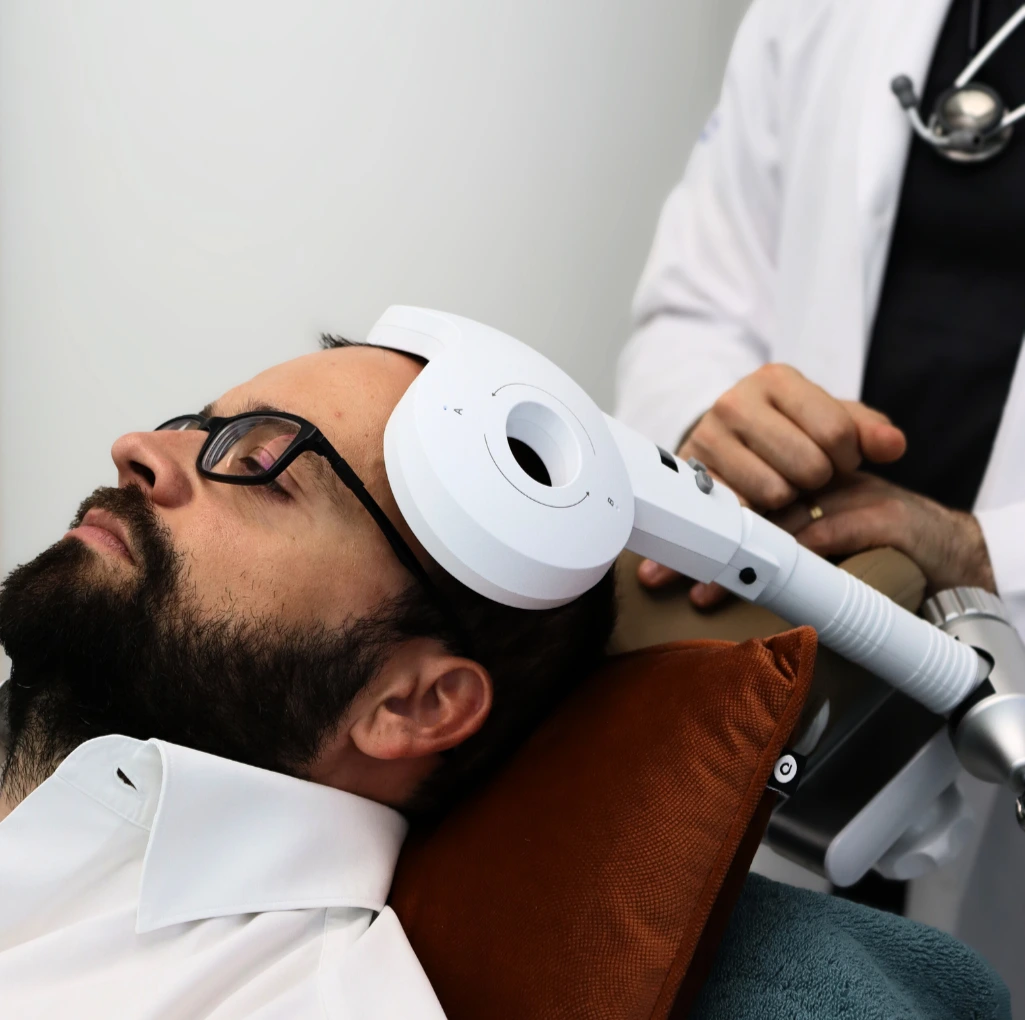
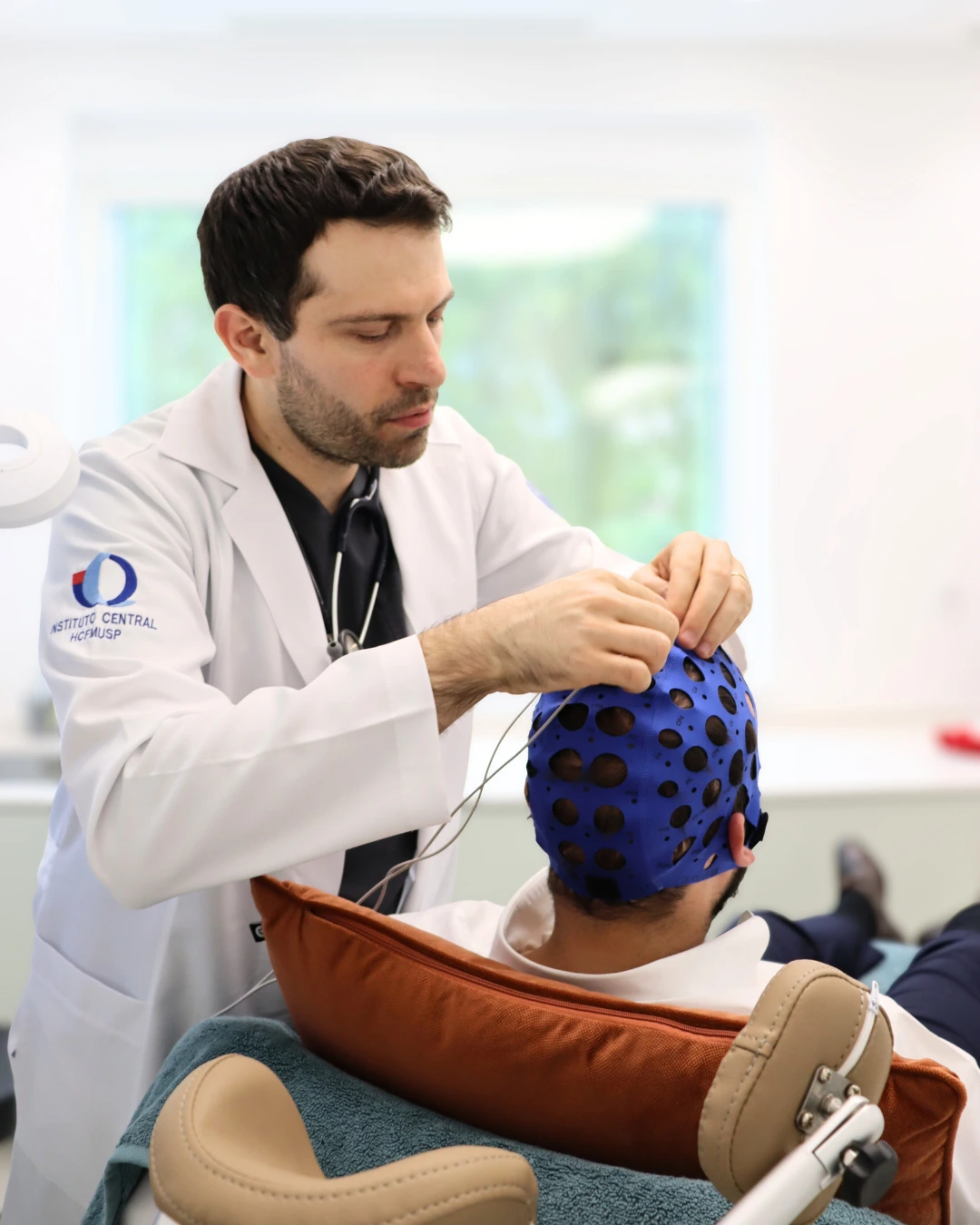
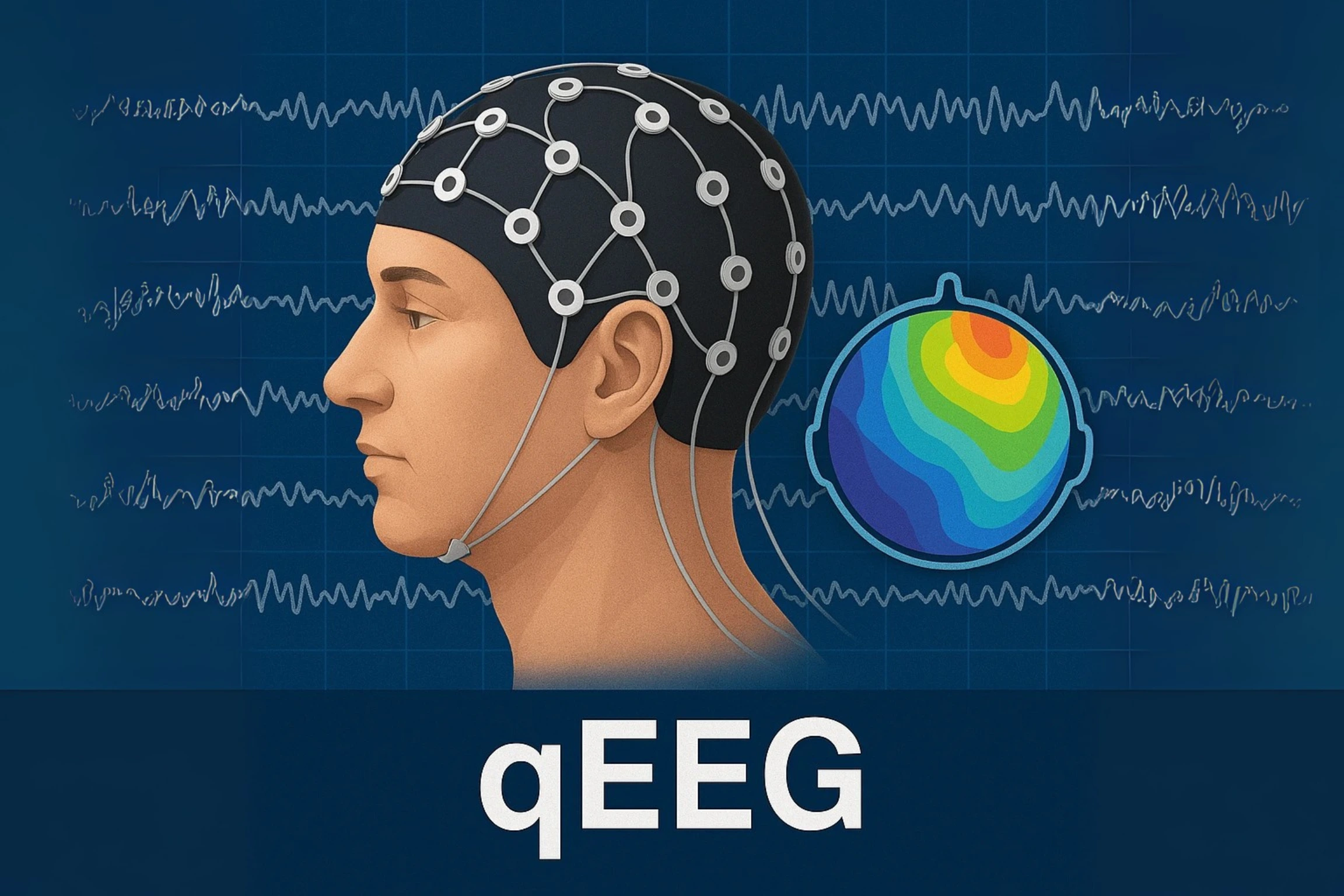
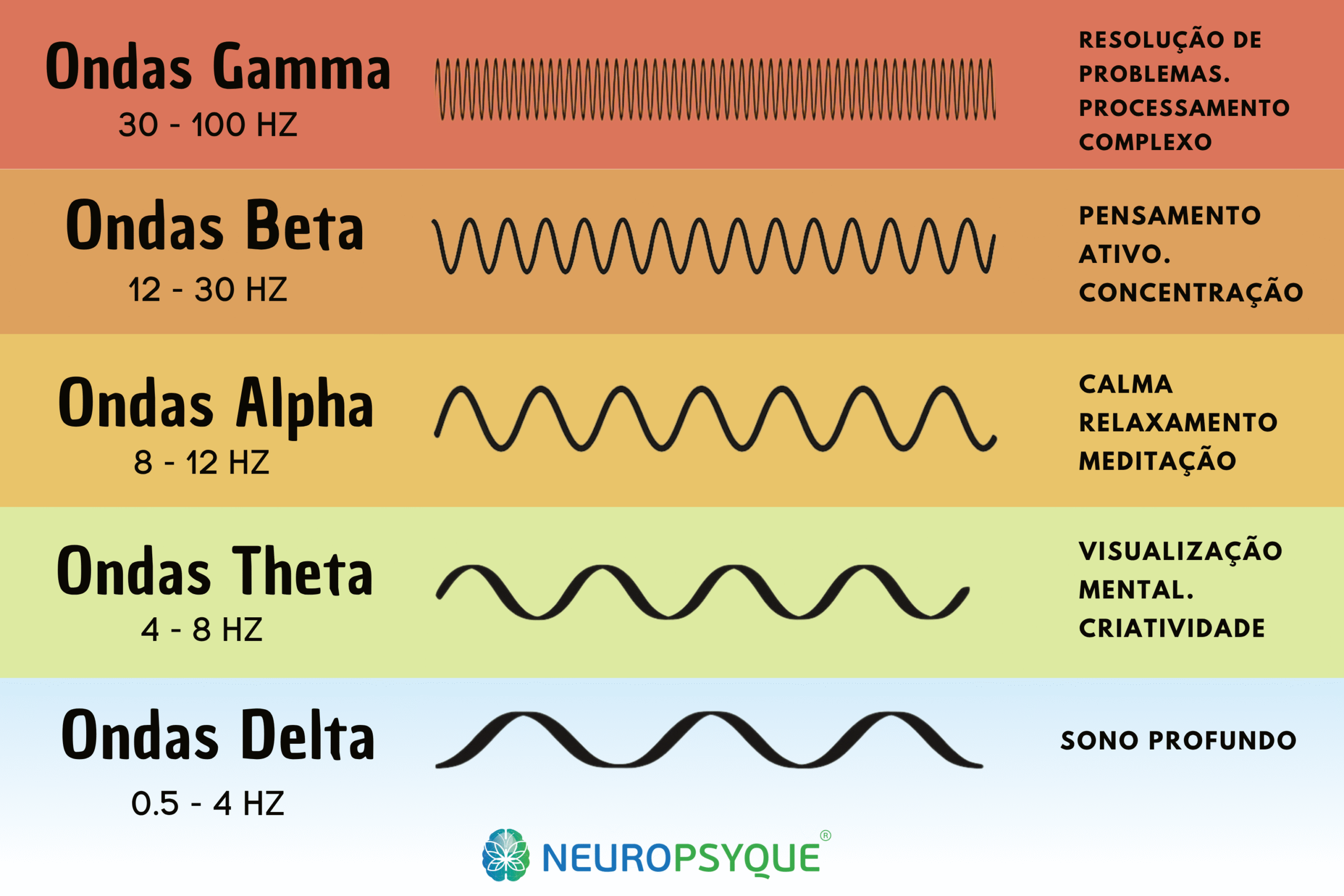
TECHNOLOGY AND THE THERAPEUTIC ENVIRONMENT

Neuroimagem
Estimulação Magnética Transcraniana
tDCS
Acupuntura
tDCS - Estimulação Eléctrica Transcraniana
qEEG
Clínica Lisboa
Ondas Cerebrais
Fisiologia
Sala Fisioterapia
Espaço Movimento e Saúde

IMPORTANCE OF DIAGNOSIS AND SPECIALISED MONITORING

A correct diagnosis changes treatment, and above all the prognosis for the future. Bipolar Disorder requires mood stabilisers, not just antidepressants, and specialised, ongoing monitoring that allows therapy to be adjusted to each stage of the illness in order to prevent relapses.

Bipolar Disorder is a treatable chronic neuropsychiatric illness - with the right diagnosis and the right therapeutic plan, the vast majority of patients achieve mood stabilisation, a reduction in the number of episodes and recovery of normal daily functioning and quality of life.

At NeuroPsyque, the Bipolar Disorder consultation includes a rigorous differential diagnostic assessment - distinguishing between bipolar I and II, excluding organic causes, and screening for comorbidities. An individualised therapeutic plan is drawn up combining first-line mood stabilisers, structured psychotherapy (psychoeducation, CBT aimed at the condition, social rhythm therapy) and, in refractory cases or those with predominant bipolar depression, neuromodulation protocols with EMT or tDCS as adjuvants. Close and robust follow-up, with monitoring of mood, adherence and side effects, is a central part of our care model.

Frequently Asked Questions

FAQ's about Bipolar Disorder

What is the difference between Bipolar Disorder type I and type II?
The central distinction lies in the presence or absence of a full-blown manic episode. Type I is defined by at least one manic episode - lasting at least 7 days, marked euphoric or irritable mood and significant functional impairment, often requiring hospitalisation. Type II never has full-blown mania - it is characterised by alternating depressive episodes (typically prolonged and disabling) and hypomanic episodes (attenuated form, lasting at least 4 days, without psychosis or hospitalisation). Type II is often more difficult to diagnose because the hypomanic episodes can be experienced as simple states of high productivity.
How can Bipolar Disorder be distinguished from unipolar depression?
This is one of the most critical and, unfortunately, most frequently missed distinctions in psychiatry. The elements that give rise to suspicion of bipolar disorder in a depressive presentation These include: early onset of depression (before the age of 25), family history of Bipolar Disorder, multiple previous depressive episodes, hypersomnia (prolonged sleep), hyperphagia (excessive calorific intake), marked psychomotor slowing, history of high mood episodes (even if brief), and insufficient response to antidepressants. A careful assessment of the person's history is essential.
Why can antidepressants be dangerous in Bipolar Disorder?
In Bipolar Disorder, the administration of antidepressants alone - without the use of a mood stabiliser - can trigger a manic or hypomanic turn, precipitate mixed episodes (particularly dangerous due to the risk of suicide) and induce rapid cycling - a pattern in which the patient has 4 or more episodes a year, which are much more difficult to control. For this reason, the first-line treatment for bipolar depression is not antidepressants, but mood stabilisers with antidepressant properties or specific combinations.
What role does EMT play in Bipolar Disorder?
Non-invasive neuromodulation has specific indications in Bipolar Disorder, always as an adjunct to pharmacotherapy and never as a substitute for mood stabilisers. Especially Transcranial Magnetic Stimulation (high-frequency EMT/rTMS), on the left dorsolateral prefrontal cortex, has evidence for the treatment of refractory bipolar depression - with a favourable safety profile and no risk of a manic episode when combined with mood stabilisers.
Can Bipolar Disorder be cured? How does it evolve in the long term?
Bipolar Disorder is a chronic condition - there is no cure in the sense of definitive remission of symptoms - but it has a favourable prognosis with adequate and continued treatment. Most patients achieve mood stabilisation, a marked reduction in the frequency and severity of episodes, and recovery of quality of life and normal professional and relational functioning. Long-term adherence to treatment is the individual factor that most determines prognosis.
What is rapid cycling in Bipolar Disorder and how is it treated?
Rapid cycling is defined by the occurrence of 4 or more episodes of altered mood (manic, hypomanic, depressive or mixed) per year. It affects around 15 to 20% of bipolar patients, is more frequent in Type II and females, and is often associated with previous use of antidepressants in monotherapy or parallel hypothyroidism. It is the most serious pattern of evolution and the most difficult to control. Treatment requires a complete overhaul of the pharmacological regime - withdrawal of antidepressants, reinforcement of the mood stabiliser and, frequently, a combination of two stabilisers.
How to manage the risk of suicide in Bipolar Disorder?
Bipolar Disorder is associated with one of the highest suicide risks among psychiatric illnesses - estimated at 15 to 20 times higher than in the untreated general population. The risk is highest during depressive and mixed episodes, in the transition periods between phases, and in the first few years after diagnosis. Regular mood monitoring and a personalised crisis plan are indispensable components of follow-up care.
Does NeuroPsyque support patients with Bipolar Disorder at all stages?
Yes, we follow patients from the first diagnostic assessment (Psychiatry) - including cases with a previous diagnosis of recurrent depression that raise the suspicion of bipolar disorder - through to longitudinal follow-up in patients with an established diagnosis and an ongoing stabilising regime. Follow-up includes mood monitoring, pharmacological adjustment, management of comorbidities and access to neuromodulation in indicated cases. Contact us to book your assessment or request a second neuropsychiatric opinion.