Paralisia Supranuclear Progressiva: o que é e tratamento em Lisboa

PROGRESSIVE SUPRANUCLEAR PARALYSIS - Treatment in Lisbon

Specialised assessment, treatment and follow-up for Progressive Supranuclear Palsy in Lisbon - diagnosis, neuromodulation and rehabilitation

WHAT IS PROGRESSIVE SUPRANUCLEAR PALSY?
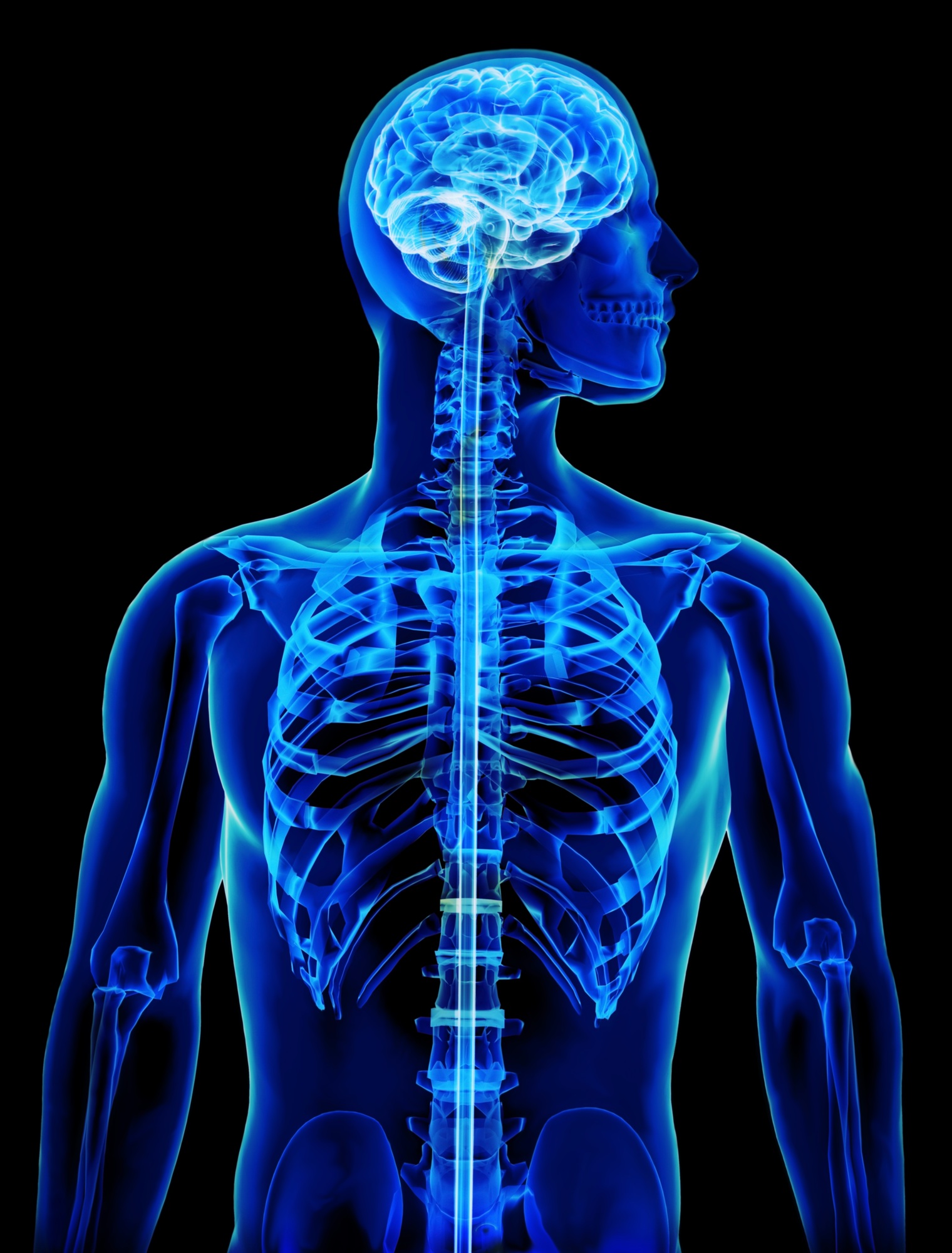
Avaliação neurológica da Paralisia Supranuclear Progressiva — NeuroPsyque Lisboa

A progressive tauopathy often mistaken for Parkinson's disease

Progressive Supranuclear Palsy (PSP) is a sporadic (non-genetic) neurodegenerative disease that affects the basal ganglia, brainstem and frontal cortex. It is distinguished by the presence of vertical gaze paralysis, early postural instability with backward falls, progressive frontal syndrome and poor response to levodopa (a drug widely used to treat Parkinson's).

Characteristic signs and symptoms

  • Vertical gaze paralysis
    Difficulty or inability to move the eyes up and down.
  • Lack of balance and early falls
    Falls start early in the disease, often backwards. In Parkinson's disease, falls occur later.
  • Changes in thinking and speech
    Slow thinking, apathy and various changes in behaviour. Speech becomes slower and more difficult to understand.
  • Difficulty swallowing and body stiffness
    Difficulty swallowing may occur, with the risk of choking. The body becomes more rigid, especially in the torso and neck.

CLINICAL VARIANTS AND DIFFERENTIAL DIAGNOSIS

PSP-Richardson (PSP-RS) - Classic Form

The most recognised variant. Paralysis of the downward vertical gaze, postural instability with early falls backwards, frontal syndrome (with apathy) and dysarthria (speech problems). The "lighthouse" sign - facial expression with fixed eye opening - is characteristic.

Classic shape

PSP-Parkinsonism (PSP-P) - Difficult to Distinguish from Parkinsonism

Presentation with asymmetrical tremor, slowness of movement (bradykinesia) and some initial response to levodopa. Correct diagnosis requires close clinical follow-up and functional neuroimaging (DaTSCAN, PET tau).

Differential diagnosis

PSP-SFC and PSP-CBS - Frontal and Cortical Variants

In PSP with Frontal and Behavioural Syndrome, alterations in behaviour and executive functions predominate (apathy, disinhibition, difficulty planning). In PSP with Corticobasal Syndrome (PSP-CBS) there are asymmetrical signs such as apraxia (difficulty executing learnt gestures), a feeling that a limb “doesn't belong to the body” (alien hand) and more marked motor deficits on one side of the body. These variants can be confused with other diseases, making diagnosis more complex.

Atypical variant

Differential Diagnosis with Other Parkinsonisms

PSP is distinguished from Corticobasal Degeneration (CBD), Multiple System Atrophy (MSA) and Parkinson's Disease by the combination of oculomotor signs (gaze), early fall pattern, and response to levodopa. Structural and functional neuroimaging also help with differentiation.

Atypical parkinsonism

Paralisia Supranuclear Progressiva — diagnóstico diferencial e neuroimagem

The definitive diagnosis of PSP requires neuropathological confirmation - the clinical diagnosis is probable, according to the MDS-PSP 2017 criteria.

PSP: DIAGNOSIS AND IMPACT
SPECIALISED INTERVENTION

Correct diagnosis and early multidisciplinary follow-up determine the patient's quality of life and safety

3-4years
is the average diagnostic delay in PSP - many patients are initially diagnosed with Parkinson's disease
60%
of PSP patients are initially misdiagnosed - mostly Parkinson's - according to a survey by the PSP Association UK (2022)
1ª
cause of atypical parkinsonism - more frequent than corticobasal degeneration and multiple system atrophy
Berg
significant improvement in balance (Berg Balance Scale) with a 4-week multifactorial rehabilitation programme in PSP patients

* Data based on published clinical studies and patient records. Individual results may vary.

Sources: clinical data, PSP Association UK - Patient Survey 2022 (around 60% with initial misdiagnosis); NIH/PubMed - Diagnostic delay in PSP: median 3-4 years (Respondek et al., MDS-PSP criteria 2017); Frontiers in Neurology - Multifactorial rehabilitation in PSP: significant improvement in the Berg Balance Scale in a 4-week programme; NIH/PubMed - PSP as the most prevalent atypical parkinsonism.
TECHNOLOGY AND THE THERAPEUTIC ENVIRONMENT

Neuroimagem
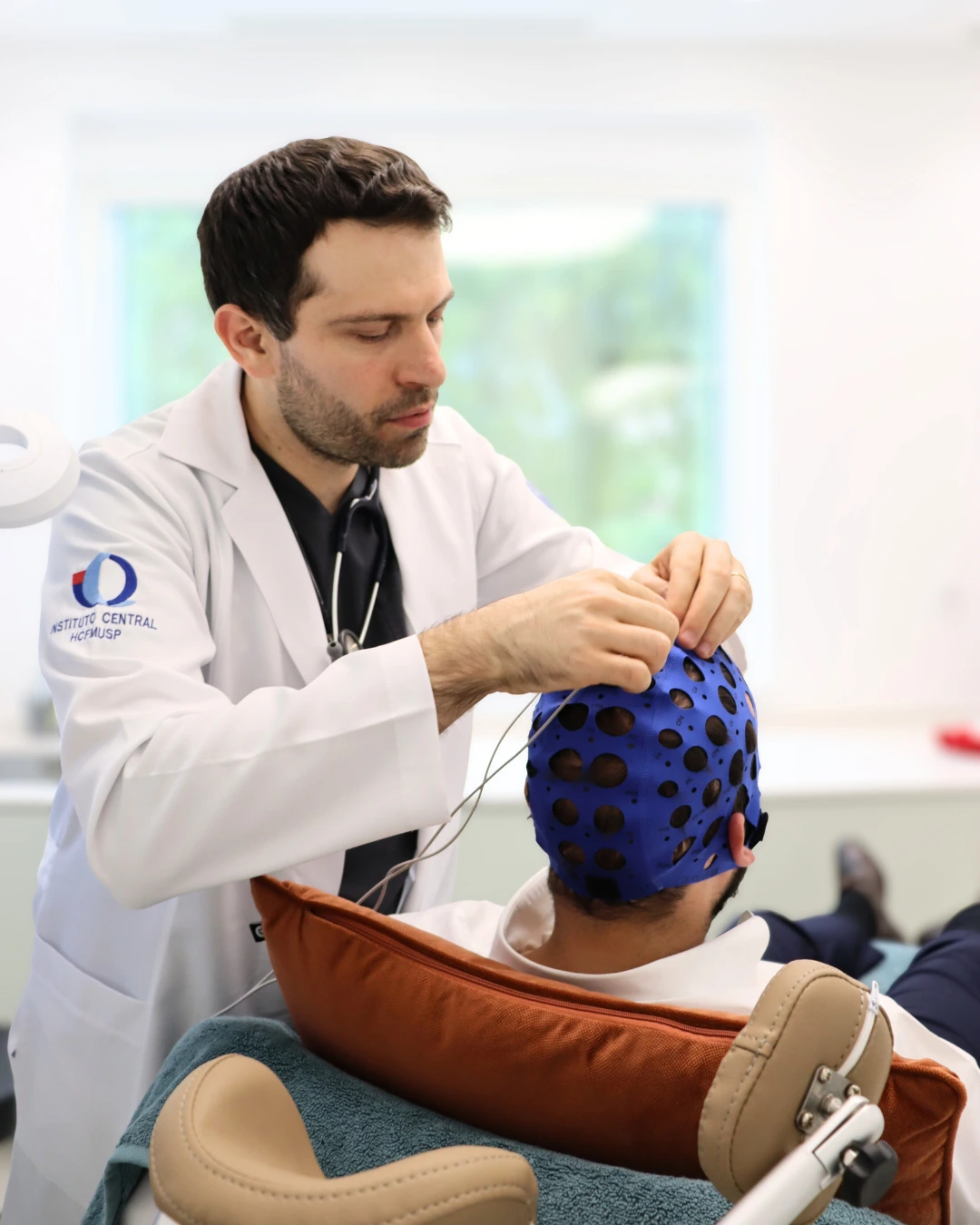
Estimulação Magnética Transcraniana
tDCS
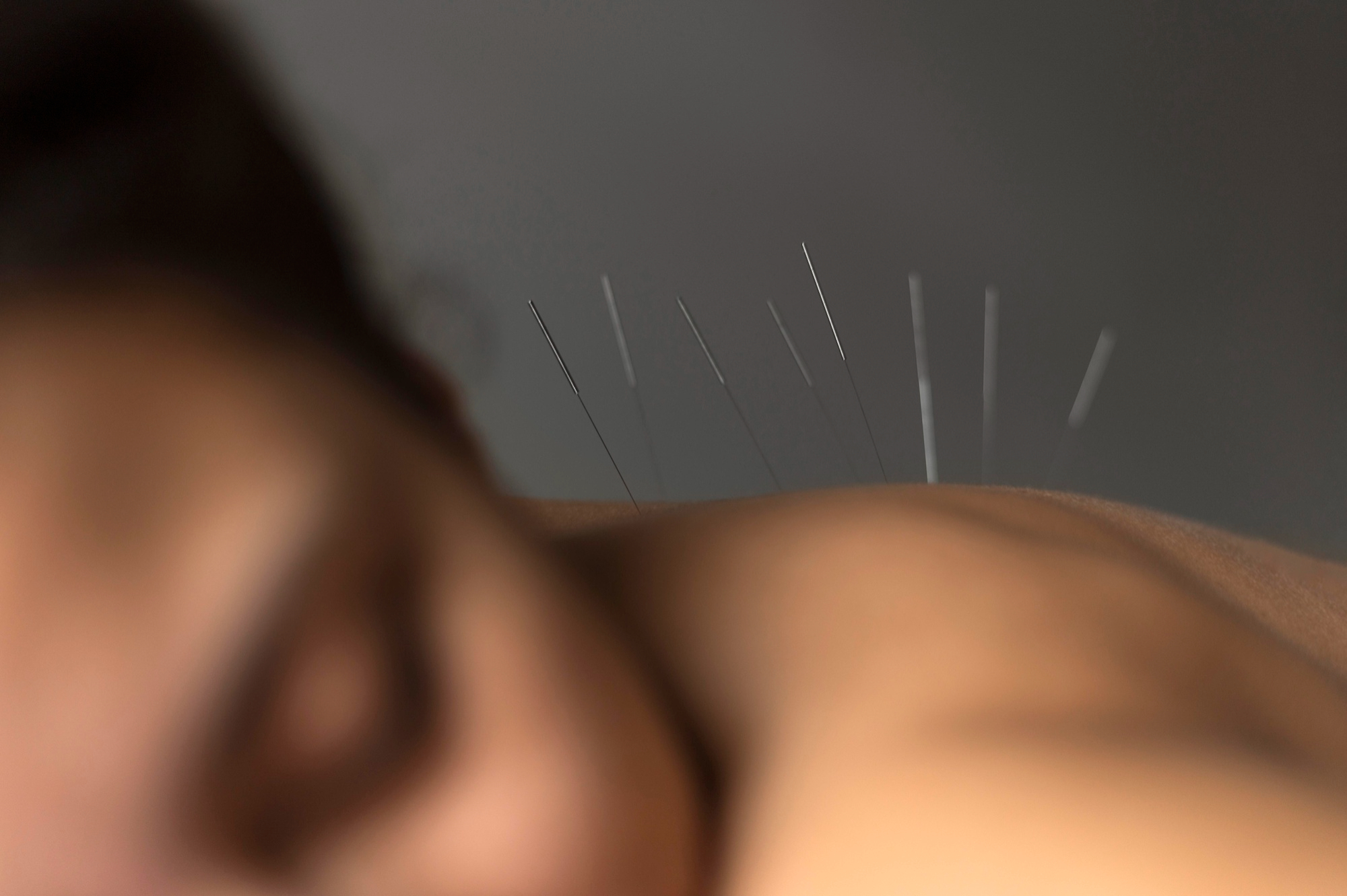
Acupuntura
tDCS - Estimulação Eléctrica Transcraniana
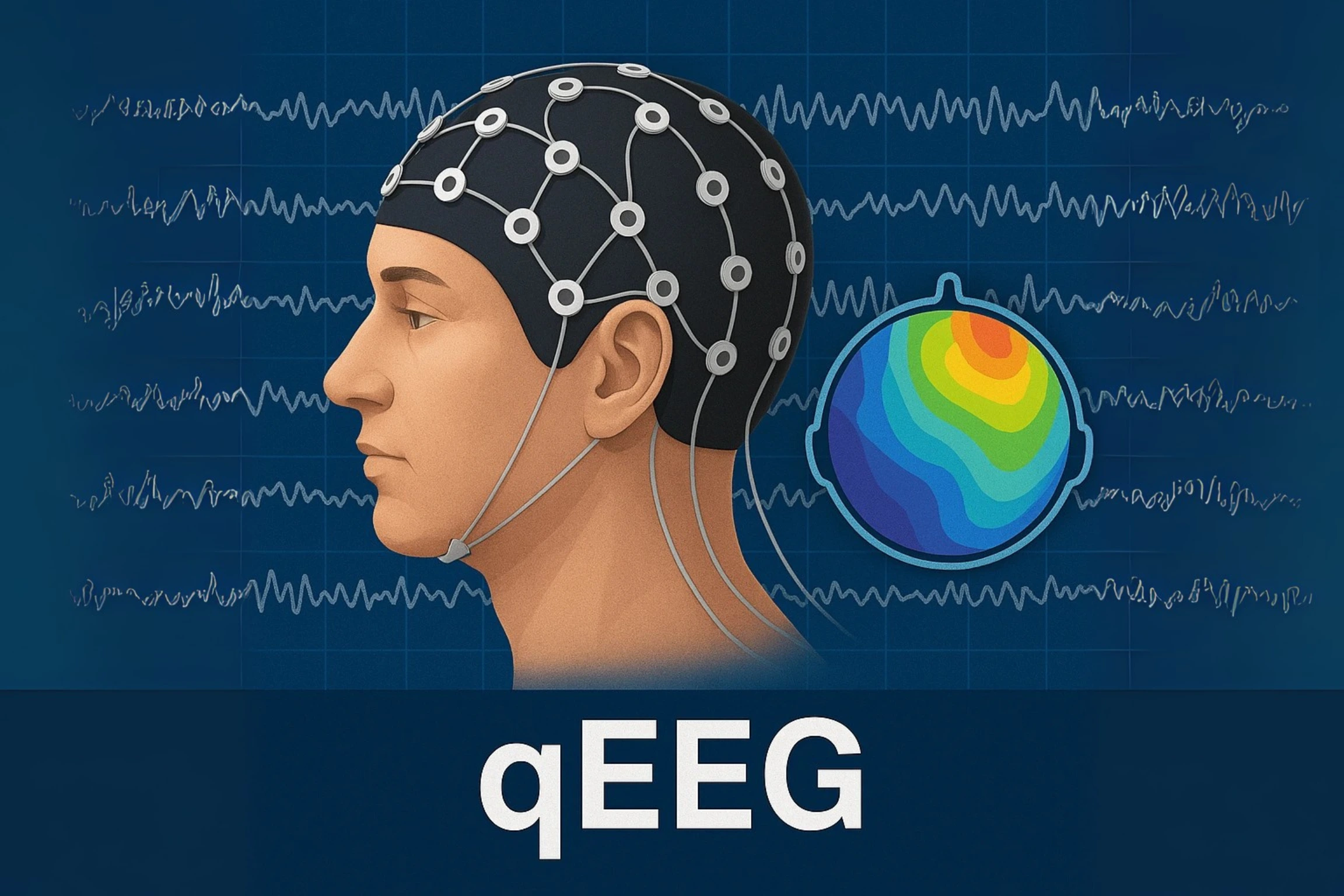
qEEG
Clínica Lisboa
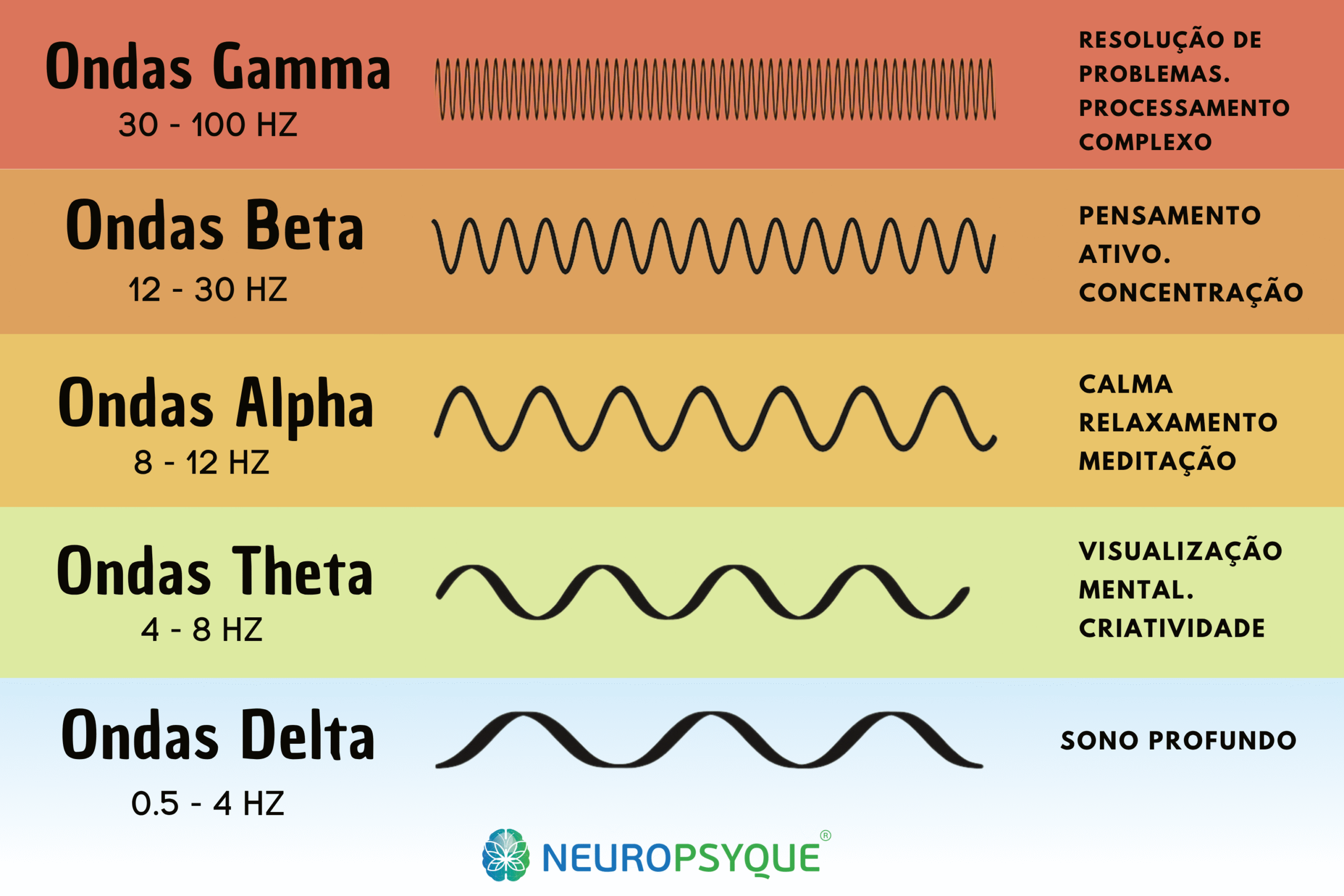
Ondas Cerebrais
Fisiologia
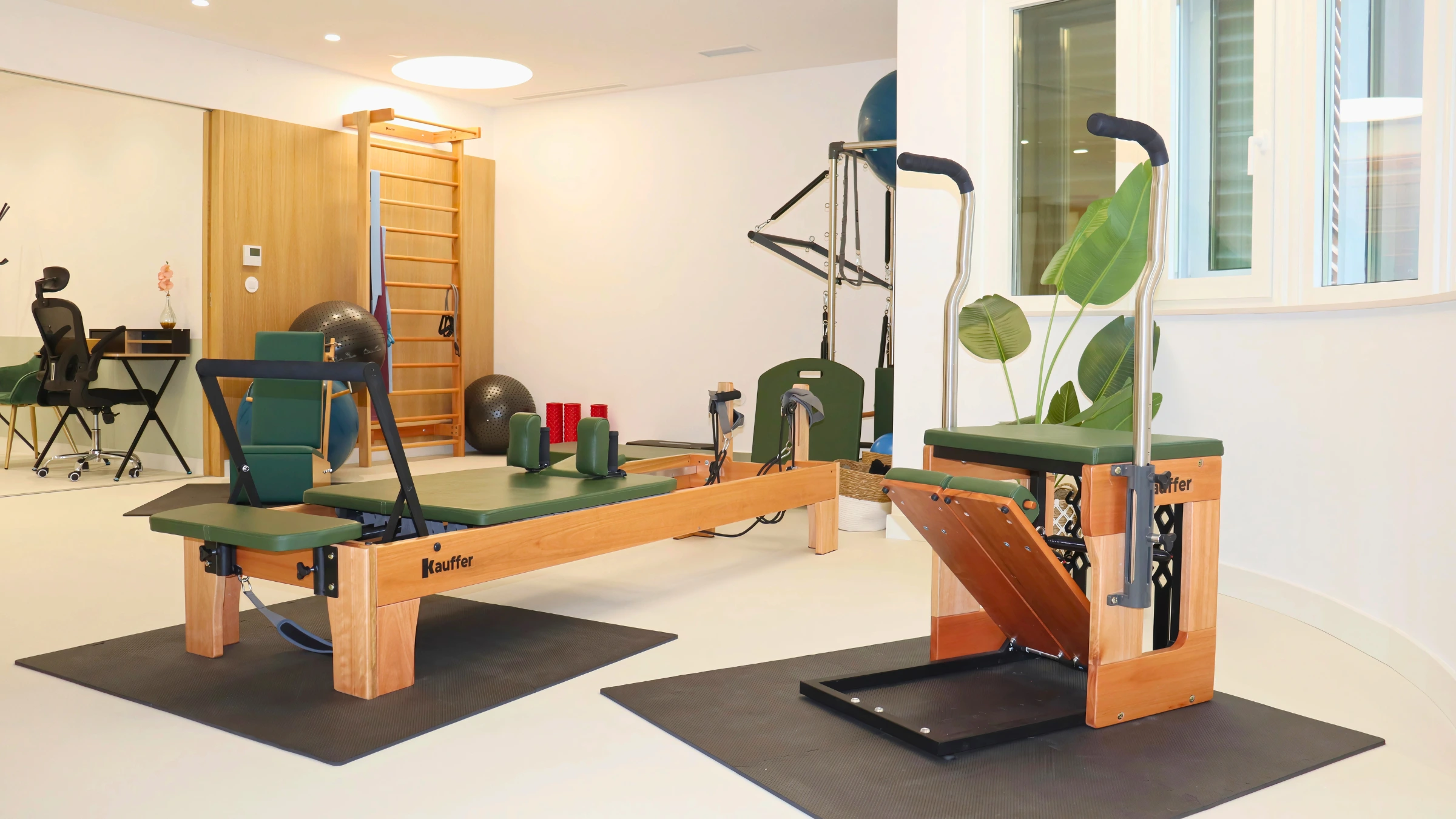
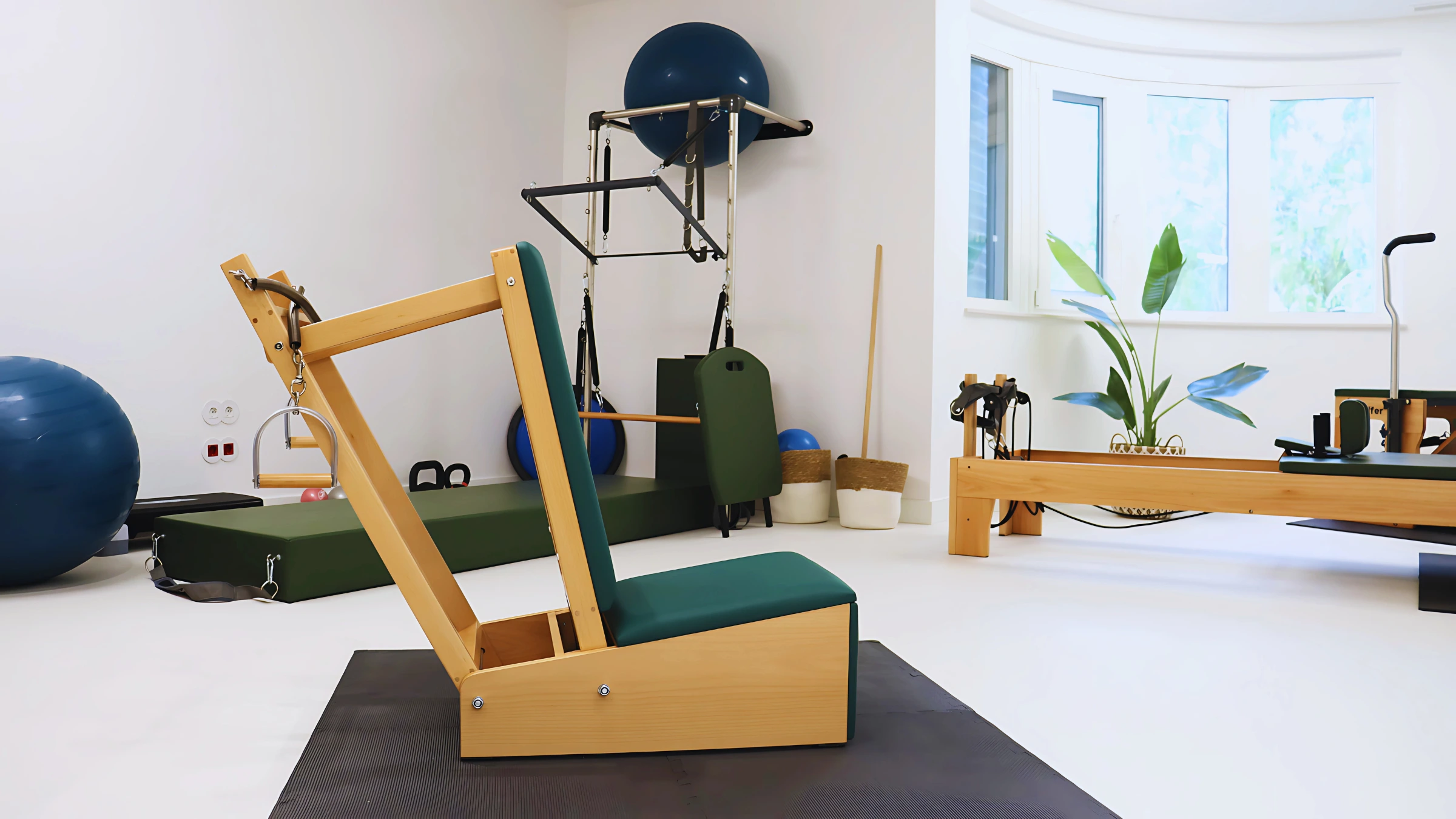
Sala Fisioterapia
Espaço Movimento e Saúde

IMPORTANCE OF SPECIALISED CONSULTATION

PSP is one of the neurological diseases with the longest diagnostic delay - on average 3 to 4 years between the first symptoms and correct diagnosis. Despite early onset falls. During this period, many patients are treated for idiopathic Parkinson's with levodopa, a medication that has limited or no effect on PSP, and which delays the start of an appropriate therapeutic approach. Correct differential diagnosis, supported by structured clinical criteria (MDS-PSP 2017), neuroimaging and specialised oculomotor assessment, is the essential starting point.

💡 Early diagnosis of PSP makes it possible to avoid ineffective treatments, anticipate complications - falls, dysphagia and aspiration - and organise support for the patient and family in good time.

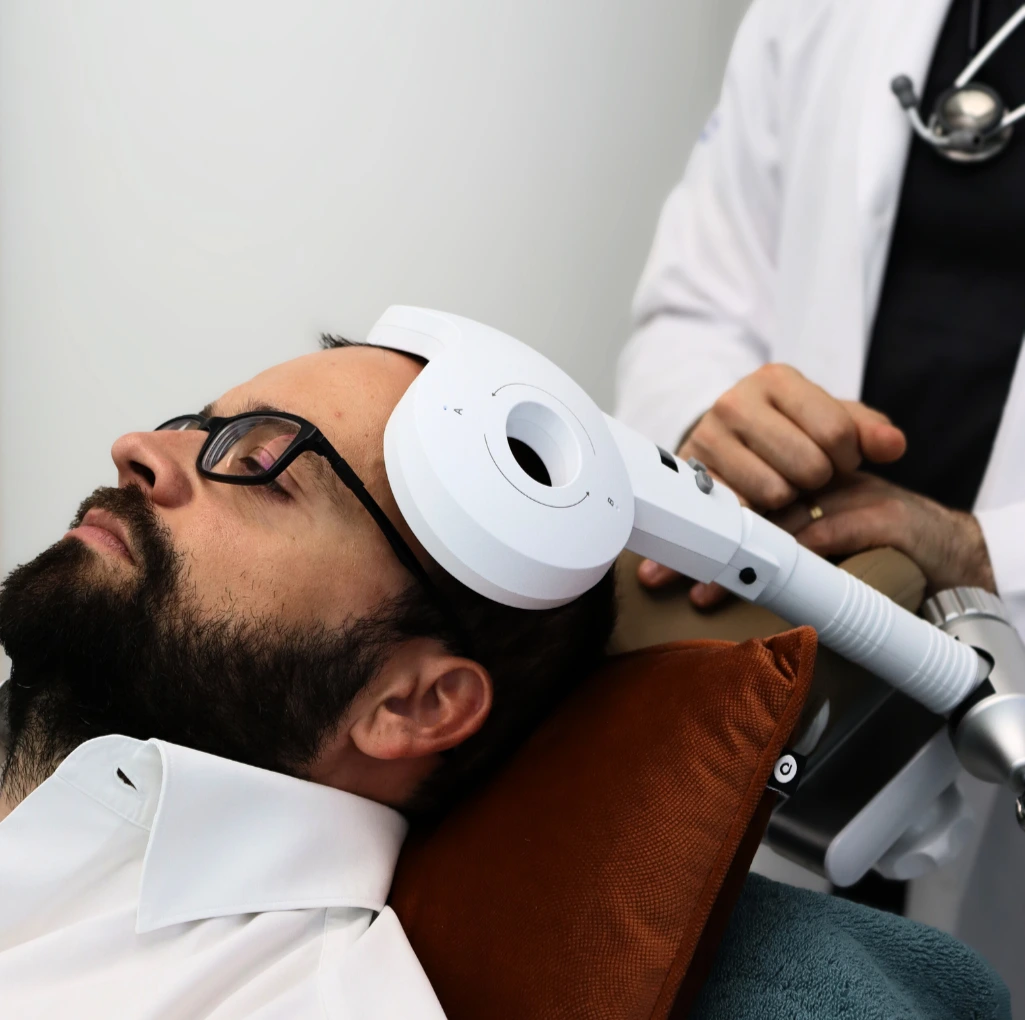
At NeuroPsyque, the PSP consultation includes a detailed neurological assessment, structured oculomotor examination, coordination of structural and functional neuroimaging and access to non-invasive neuromodulation with frontal EMT protocols to control apathy, rigidity and cognitive slowing. Multidisciplinary support - including gait, swallowing and communication rehabilitation - is an integral part of our care model.

Frequently Asked Questions

FAQ's about Progressive Supranuclear Palsy

How can PSP be distinguished from Parkinson's?
There are several elements that distinguish the PSP from Parkinson's idiopathic: in PSP falls occur early - in the first year - and often backwards; paralysis of the downward vertical gaze, when present, is practically pathognomonic (a very strong diagnostic sign); response to levodopa is absent or very limited; rigidity is predominantly axial (neck and trunk) rather than appendicular; frontal syndrome with apathy and cognitive slowing is more prominent. A detailed oculomotor examination and neuroimaging (visible atrophy of the midbrain on MRI) are fundamental for differential diagnosis.
Is PSP an effective treatment?
The treatment of PSP is symptomatic. Levodopa has limited benefit in a small minority of patients with the PSP-P variant. Treatment is essentially symptomatic and supportive: specialised physiotherapy to prevent falls, speech therapy for dysarthria and dysphagia, botulinum toxin for blepharospasm (involuntary and repetitive contraction of the eyelid muscles), and frontal neuromodulation (EMT) to control apathy and rigidity. Several clinical trials with anti-tau therapies are underway and represent the greatest therapeutic hope for the future.
What is the "hummingbird" sign on MRI?
The "hummingbird sign" is a form visible on sagittal brain MRI, characteristic of Progressive Supranuclear Palsy. This form confirms the atrophy of the midbrain, characteristic of the disease. The shape visible on the scan is similar to the silhouette of a bird - a hummingbird. This finding, combined with a reduction in the area of the midbrain below 70 mm², is one of the imaging support criteria for the diagnosis of PSP according to the MDS-PSP 2017 criteria.
What role does EMT play in the treatment of PSP?
A Transcranial Magnetic Stimulation (High-frequency EMT on the dorsolateral prefrontal cortex has growing evidence in the treatment of frontal symptoms in PSP - namely apathy, cognitive slowing and axial rigidity. Frontal EMT protocols can improve verbal fluency, motor initiative and performance in executive tasks.
How to prevent falls in the PSP?
Preventing falls is one of the therapeutic priorities in PSP, given their frequency and potential seriousness. Measures include specialised physiotherapy with balance and gait training adapted to the characteristics of PSP (trunk instability and a tendency to fall backwards); adaptation of the home environment; use of walking aids (walkers with back wheels are often safer than crutches); and, in certain cases, assessment by a home care team. Educating the carer about safe transfer and positioning techniques is also essential.
Does PSP affect cognition and behaviour?
Yes. Frontal dysfunction is one of the core features of PSP - especially in variants with prominent frontal syndrome. The most frequent changes include: apathy (the most common and often interpreted as depression), slowed thinking (bradyphrenia), executive difficulties (planning, cognitive flexibility), and disinhibition (impulsivity). Frank (obvious, advanced) dementia is less common than in other degenerative diseases, but can appear in advanced stages, particularly in the variant with Frontal and Behavioural Syndrome.
What is the PSP's prognosis?
PSP is a progressive disease without remission - the disease cannot be stopped. The average survival after the onset of symptoms is 6 to 9 years in the classic form (PSP-RS), and can be longer in the slower-onset variants (PSP-P). The main causes of mortality are aspiration pneumonia - due to dysphagia (difficulty swallowing) - and accidents (complications from falls). Early multidisciplinary care, with special attention to swallowing rehabilitation and fall prevention, has a direct impact on longevity and quality of life.
Is PSP hereditary? Can my children develop the disease?
The vast majority of PSP cases are sporadic - with no identifiable hereditary pattern. Familial cases exist but are rare (<5% of cases) and are generally associated with variants in the MAPT gene (which codes for the tau protein). The risk for first-degree relatives of a patient with sporadic PSP is slightly higher than in the general population, but remains very low in absolute terms. Genetic counselling is only recommended in cases with a suggestive family history.
Does NeuroPsyque accompany PSP patients through the different stages of the disease?
Yes. neurological monitoring Specialised care is valuable from the diagnostic phase - which is often complex and prolonged - to the advanced stages of the disease. In the late stages, the therapeutic focus shifts to symptomatic control, prevention of complications, support for the carer and liaison with palliative care when appropriate. Contact us to clarify your situation or that of a family member.