Skip to content



INSONIA - Treatment in Lisbon
Specialised clinical assessment and treatment for Insomnia and sleep disorders in Lisbon
WHAT IS INSOMNIA?

A neurobiological state of hyper-alertness
Insomnia isn't just about sleeping badly. It is a persistent disorder in which the brain remains in a chronic state of cortical hyperstimulation and is unable to transition naturally into deep, restorative sleep cycles. When left untreated, this deprivation drastically compromises energy, immunity, cognition and mood.
Most common manifestations
- Difficulty falling asleep (initial insomnia)Spending long hours in bed with racing thoughts, ruminating and a total inability to relax.
- Frequent Awakenings (Maintenance Insomnia)Waking up numerous times during the night, finding it extremely difficult to get back to sleep, and generating cycles of increased anxiety due to anticipation.
- Early Awakening (Terminal Insomnia)Waking up at dawn, hours earlier than planned, unable to get back to sleep.
- Unrefreshing SleepEven after a few hours of sleep, waking up feeling exhausted, brain fog and extreme irritability.
CAUSES AND TRIGGERS
Chronic Stress and Anxiety
Excessive worry and rumination keep the brain in a state of fight or flight, actively blocking the processes needed to induce sleep or relaxation.
PsychologicalInadequate Sleep Hygiene
Late exposure to screens, irregular bedtimes and excessive consumption of caffeine or stimulants.
BehaviouralCircadian Rhythm Dysregulation
Neurobiological changes in the internal clock due to shift work, chronic jet lag, ageing or neurochemical imbalances.
BiologicalComorbid Conditions
Presence of severe depression, uncontrolled chronic pain, sleep apnoea or side effects of certain psychiatric/cardiac medications.
Doctor
Acute insomnia, if not treated properly, tends to become chronic due to the anticipatory fear and anxiety of "not being able to sleep".
EFFECTIVENESS IN THE TREATMENT OF INSONIA
Consistent clinical results supported by neuroscience and cognitive therapy
* The treatment focuses on the neurobiological re-education of the brain for natural sleep, avoiding unnecessary chronic prescriptions.

THE IMPORTANCE OF CATCHING UP ON SLEEP
Sleep is not a luxury. It is the central biological pillar of your physical and mental health. Sleep deprivation not only destroys your energy levels during the day, it substantially increases the risk of developing cardiovascular diseases, severely aggravates depression, generates cognitive decline and affects your entire emotional regulation and memory capacity.
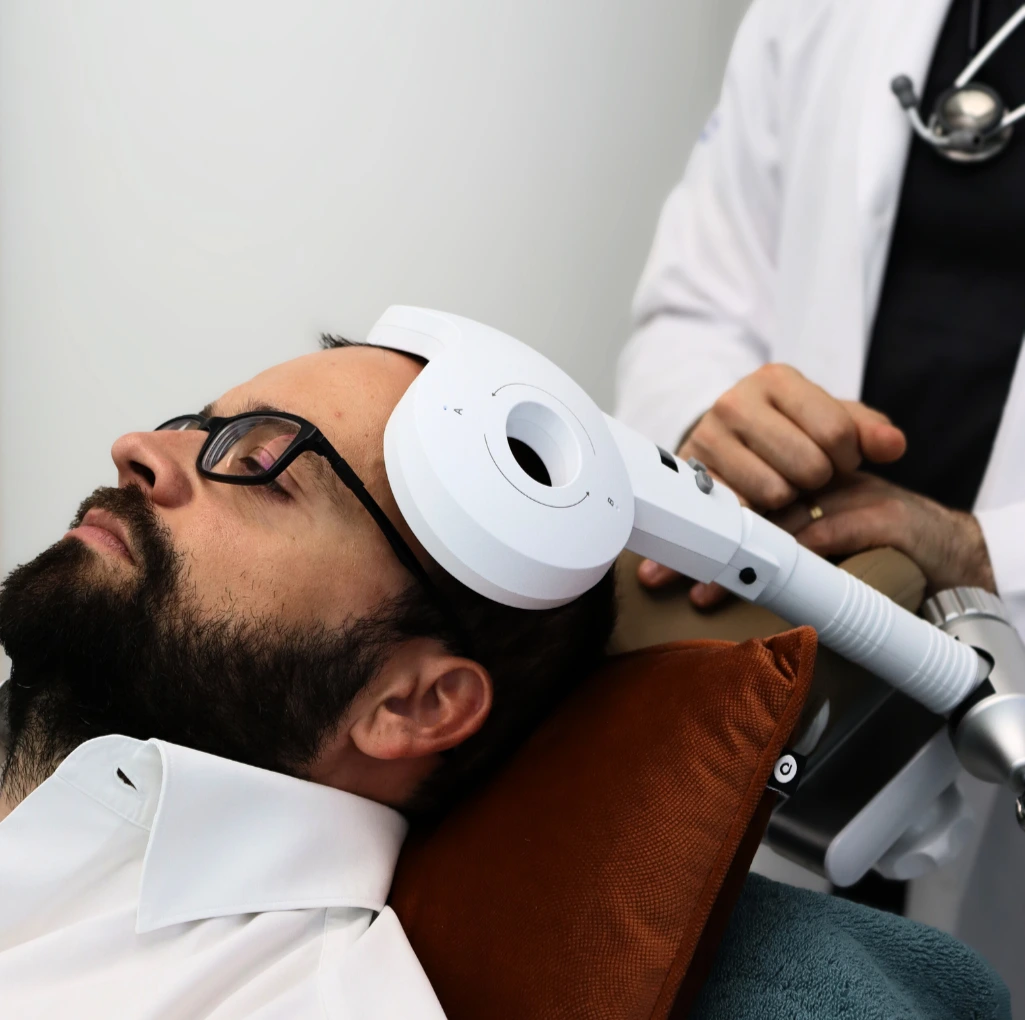
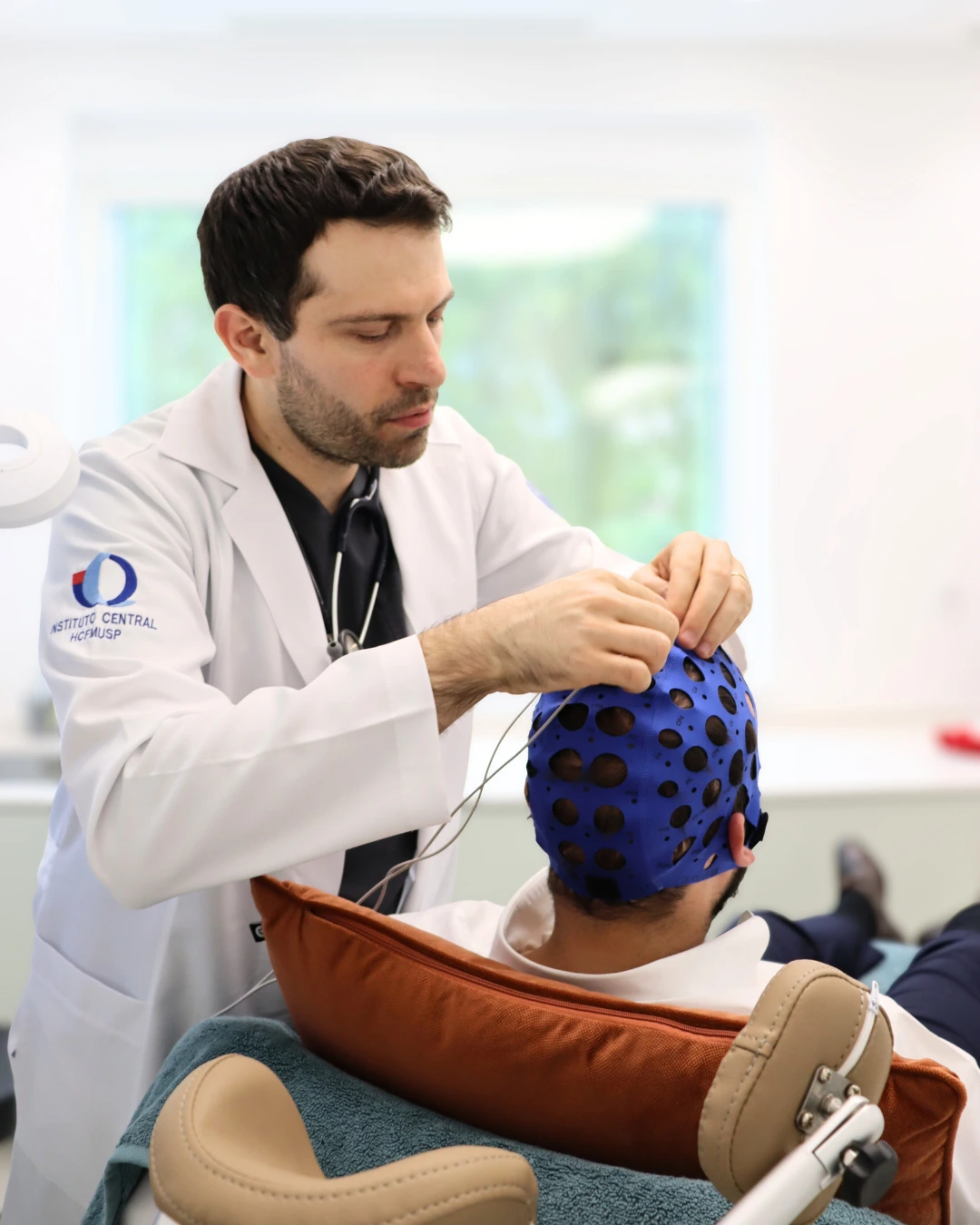
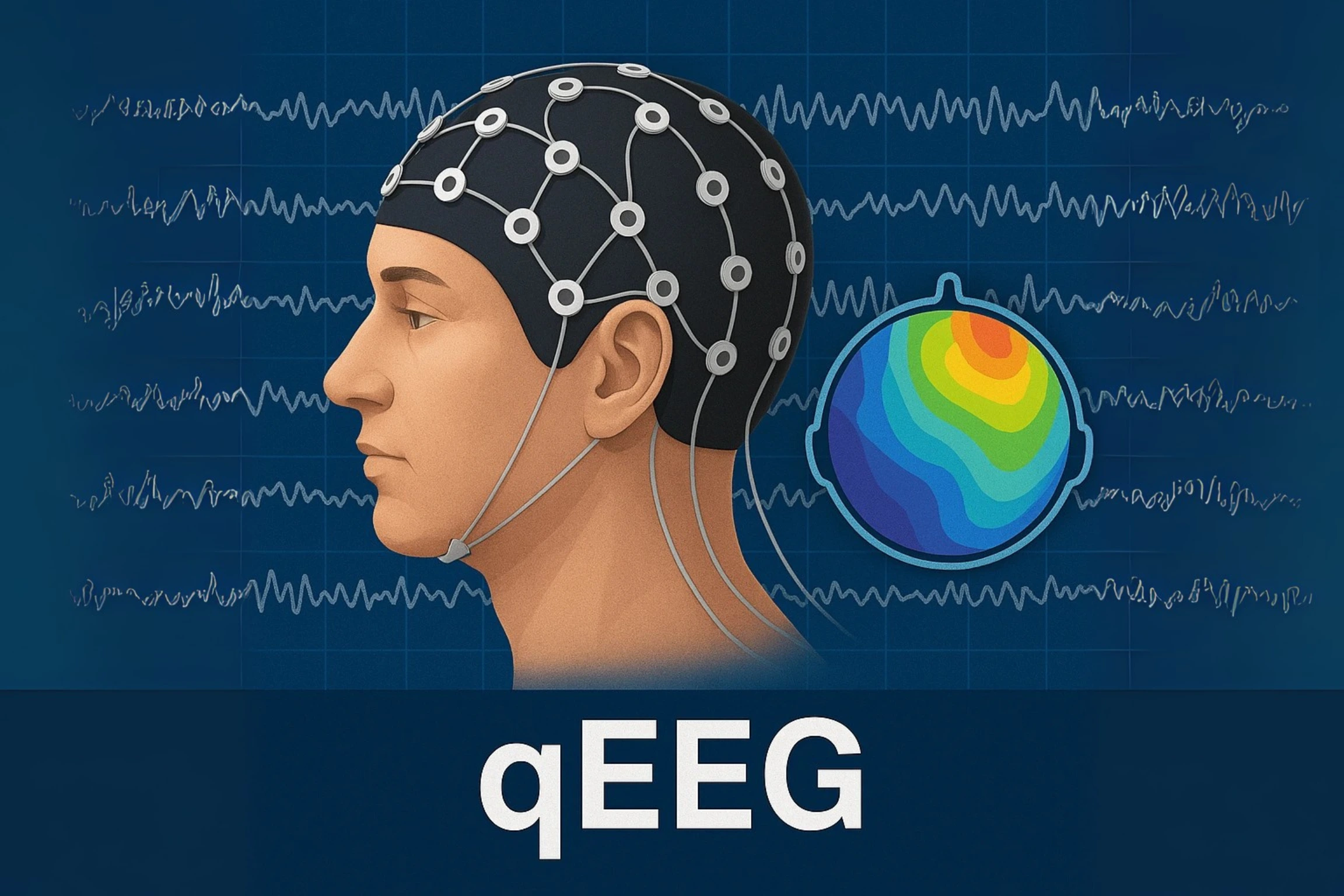
At NeuroPsyque, we take a scientific and integrated approach to insomnia. From a thorough assessment of the circadian rhythm to the application of CBT-I (Cognitive Behavioural Therapy for Insomnia, the world's gold standard treatment) and neuromodulation to deactivate cortical hyperactivity. Our focus is not sedation but rehabilitation, giving you back peaceful nights and control over your vitality.
FAQ's about Insomnia
Can I become dependent on sleep medication?
What is Cognitive Behavioural Therapy for Insomnia (CBT-I)?
I wake up several times during the night. Is that also insomnia?
Does neuromodulation help with insomnia?
Is just changing my habits (sleep hygiene) enough?
How soon can I expect to sleep well again?