Comportamentos Impulsivos — NeuroPsyque

IMPULSIVE BEHAVIOUR

Neuropsychiatric assessment and impulse control regulation in Lisbon

WHAT IS PATHOLOGICAL IMPULSIVITY?

Avaliação neuropsiquiátrica e regulação de impulsos — NeuroPsyque Lisboa

A challenge in neurobiological and inhibitory control

Impulsivity is not just a thoughtless personality trait. When pathological, impulsivity reflects a dysfunction in the brain's inhibitory control networks (particularly in the prefrontal cortex). It is characterised by a profound inability to resist an impulse, desire or temptation to perform an act which, although it may bring immediate relief, results in harmful consequences for oneself or others.

Most common manifestations

  • Precipitated action (acting without thinking)
    Excessively rapid decision-making, with no prior planning, consideration or assessment of the consequences.
  • Difficulty Postponing Rewards
    Severe impatience, often resulting in enormous frustration and irritability when waiting.
  • Risk Behaviours
    Frequent involvement in uncontrolled spending, dangerous driving, substance abuse or angry outbursts.
  • Cycle of Tension and Regret
    A growing mental tension that only eases with the impulsive act, followed in some cases by deep guilt and shame.

RISK FACTORS AND NEUROBIOLOGY

Pre-Frontal Cortex Dysfunction (Decision)

Changes in the development or activity of the brain areas responsible for inhibition and consequence planning.

Neurological

Emotional Dysregulation

Difficulty in tolerating negative emotions (stress, anguish, sadness...), leading to impulsive action as a quick release.

Psychological

Chemical Imbalance and Genetics

Changes in the levels of dopamine and serotonin, central neurotransmitters in the regulation of mood and the brain's reward system.

Chemist

History of trauma or adversity

Early traumatic experiences or very unstable environments in childhood that profoundly affect the development of self-control mechanisms.

History
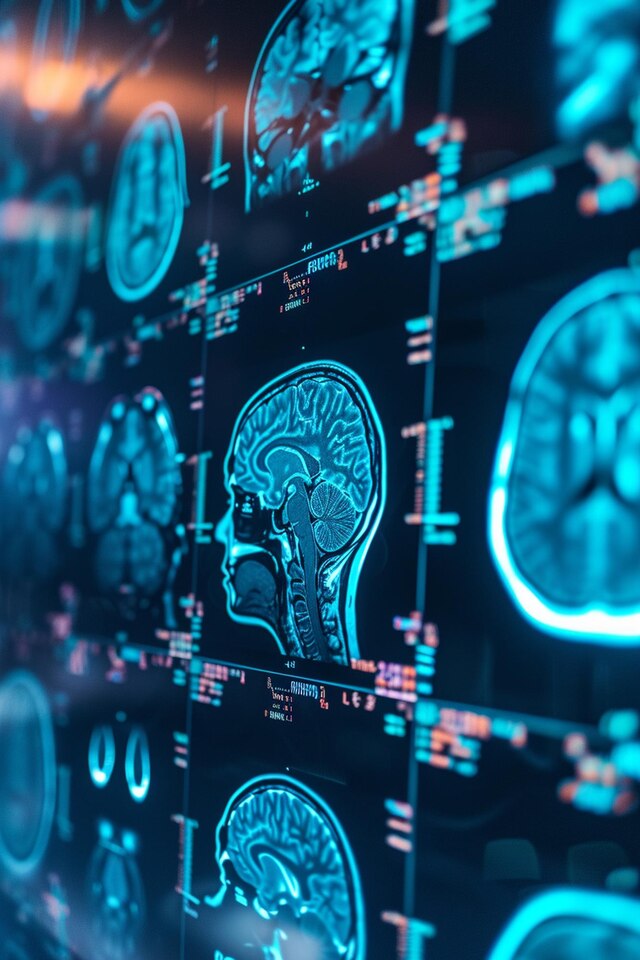
Circuitos de recompensa e controlo de impulsos no cérebro

Severe impulsivity often accompanies clinical conditions such as adult ADHD, Borderline Personality Disorder or Bipolar Disorder.

EFFECTIVENESS IN THE TREATMENT OF IMPULSIVENESS

Sustained clinical results with psychotherapeutic, pharmacological and neuromodulation interventions

~40%
reduction of impulsive and aggressive behaviour with structured psychotherapy (CBT), with improved self-control in everyday life
+25%
efficacy when psychotherapy is combined with medication, compared to treatment alone
~35%
improving impulse control with neuromodulation (EMT), acting on the brain areas responsible for decision-making
>50%
of impulsivity reduction with pharmacological treatment in patients with ADHD

* Recovery of impulse control is progressive and based on brain neuroplasticity and continuous cognitive training. Sources: McCloskey et al. (2008, 2022) Journal of Consulting and Clinical Psychology e Behaviour Therapy, Liu et al. (2025) meta-analysis Clinical Psychology & Psychotherapy, Lowe et al. (2018) Neuropsychology Review, Cortese et al. (2018) The Lancet Psychiatry.
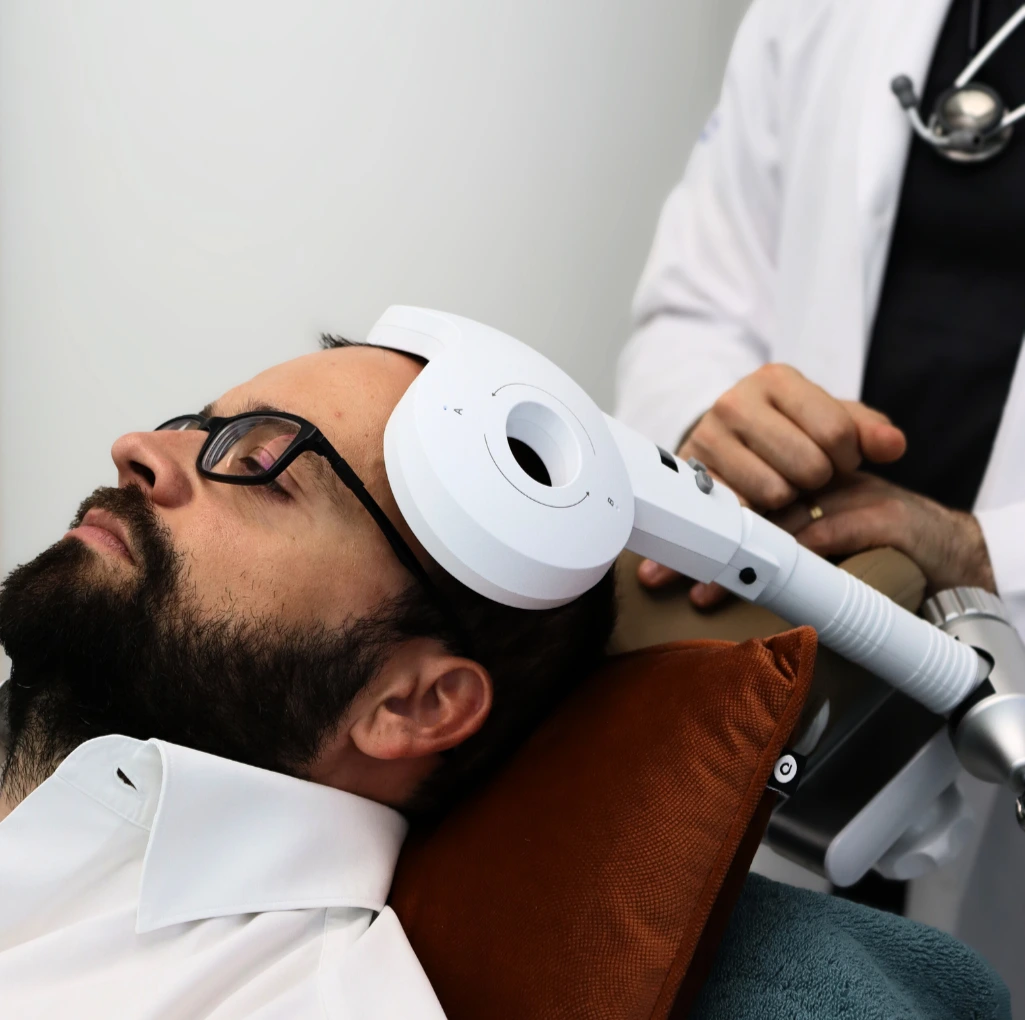
TECHNOLOGY AND THE THERAPEUTIC ENVIRONMENT

Impacto da impulsividade nos circuitos cerebrais
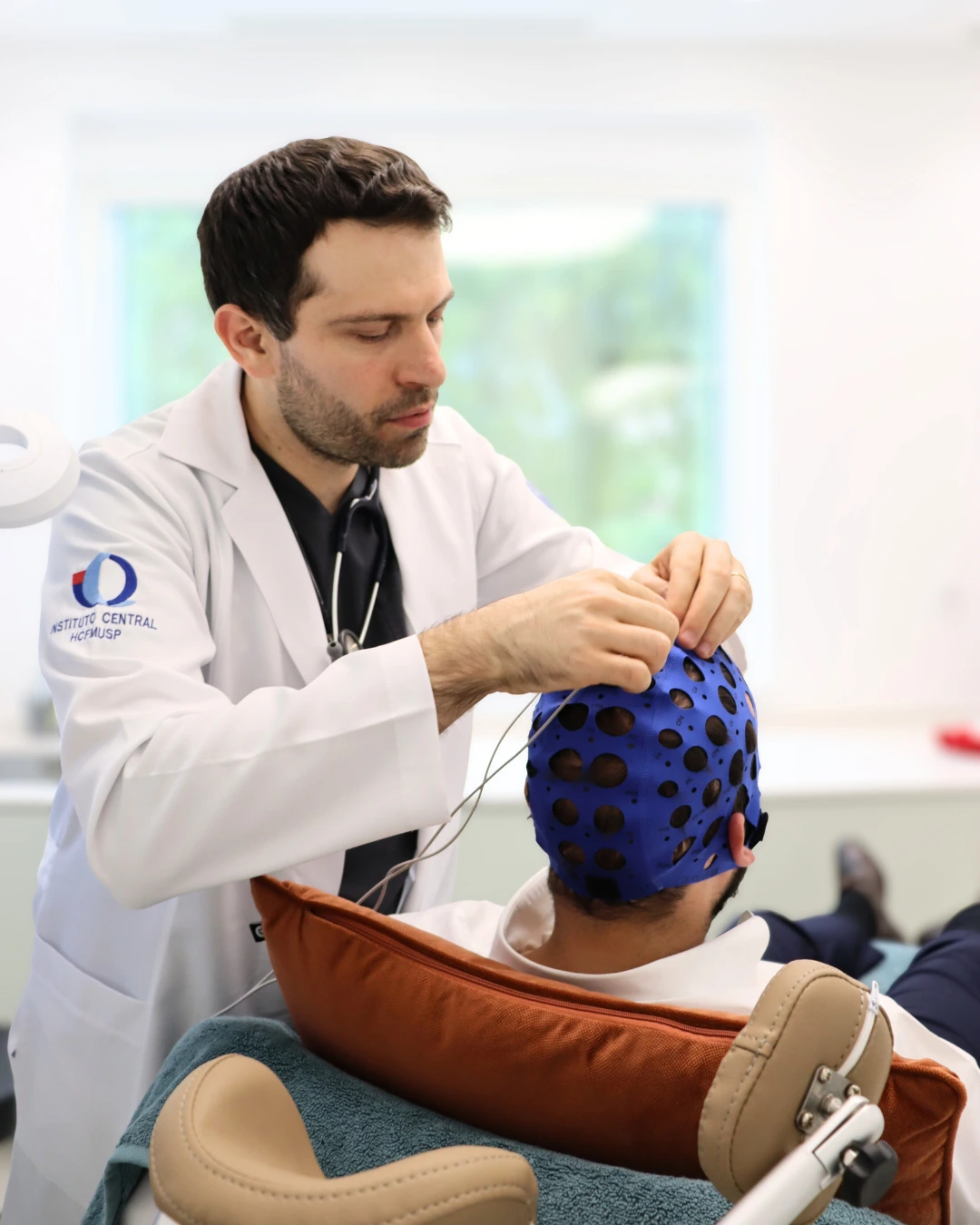
Estimulação Magnética Transcraniana para modulação do córtex pré-frontal
tDCS no reforço do controlo inibitório
Psicoterapia e treino de regulação emocional
tDCS - Estimulação Eléctrica Transcraniana
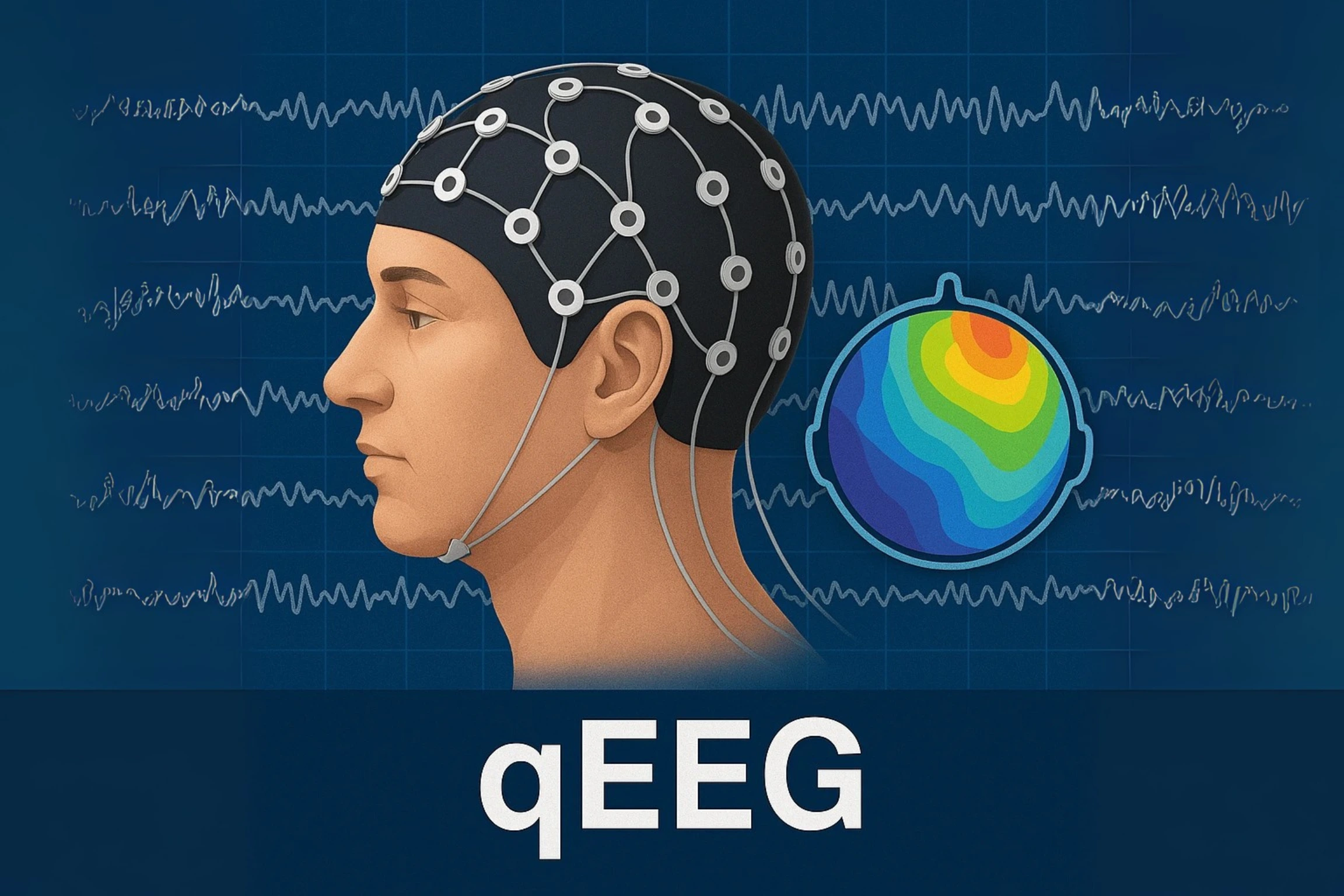
Mapeamento Cerebral Clínico (qEEG) focado na impulsividade
Clínica Lisboa
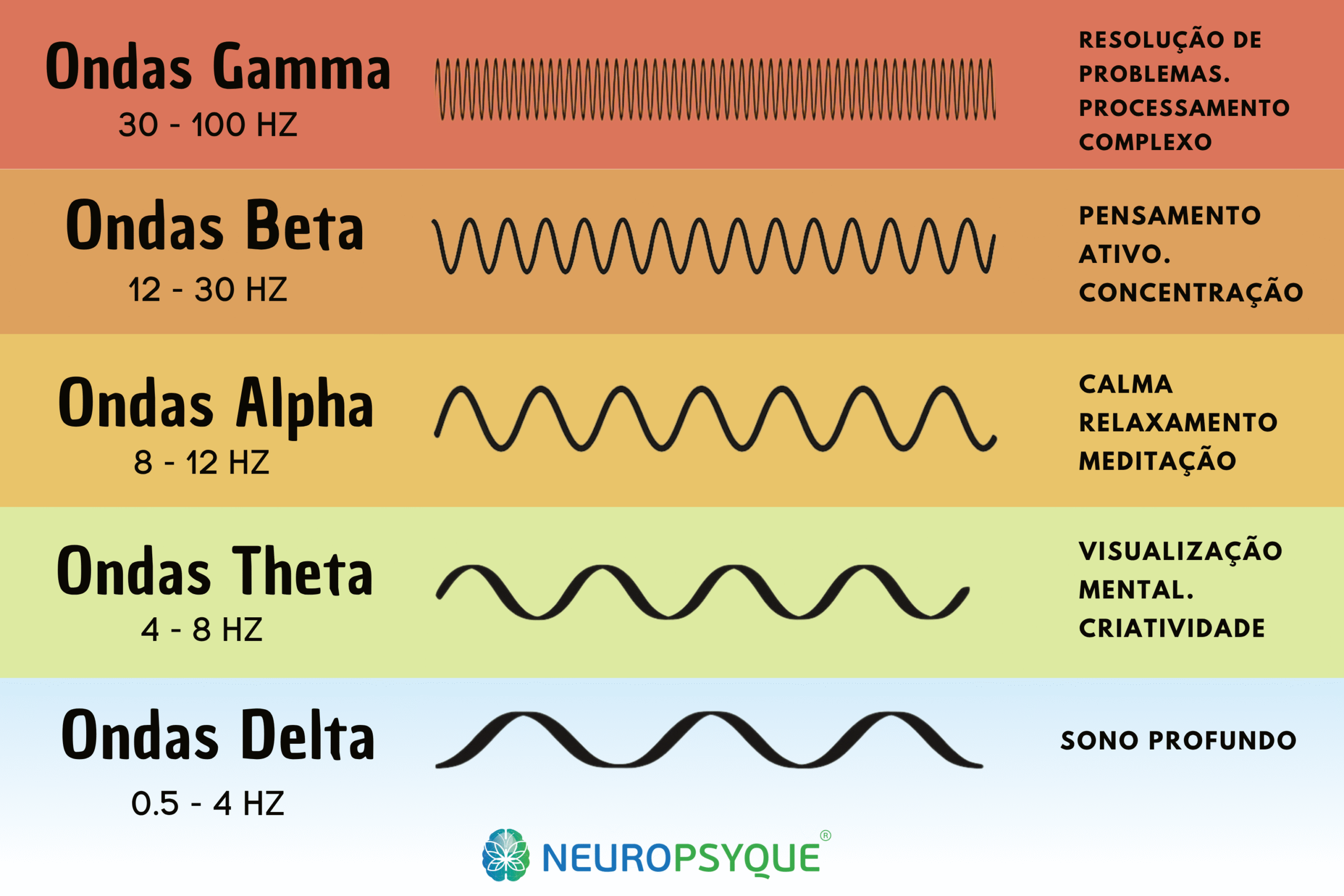
Ondas Cerebrais
Fisiologia
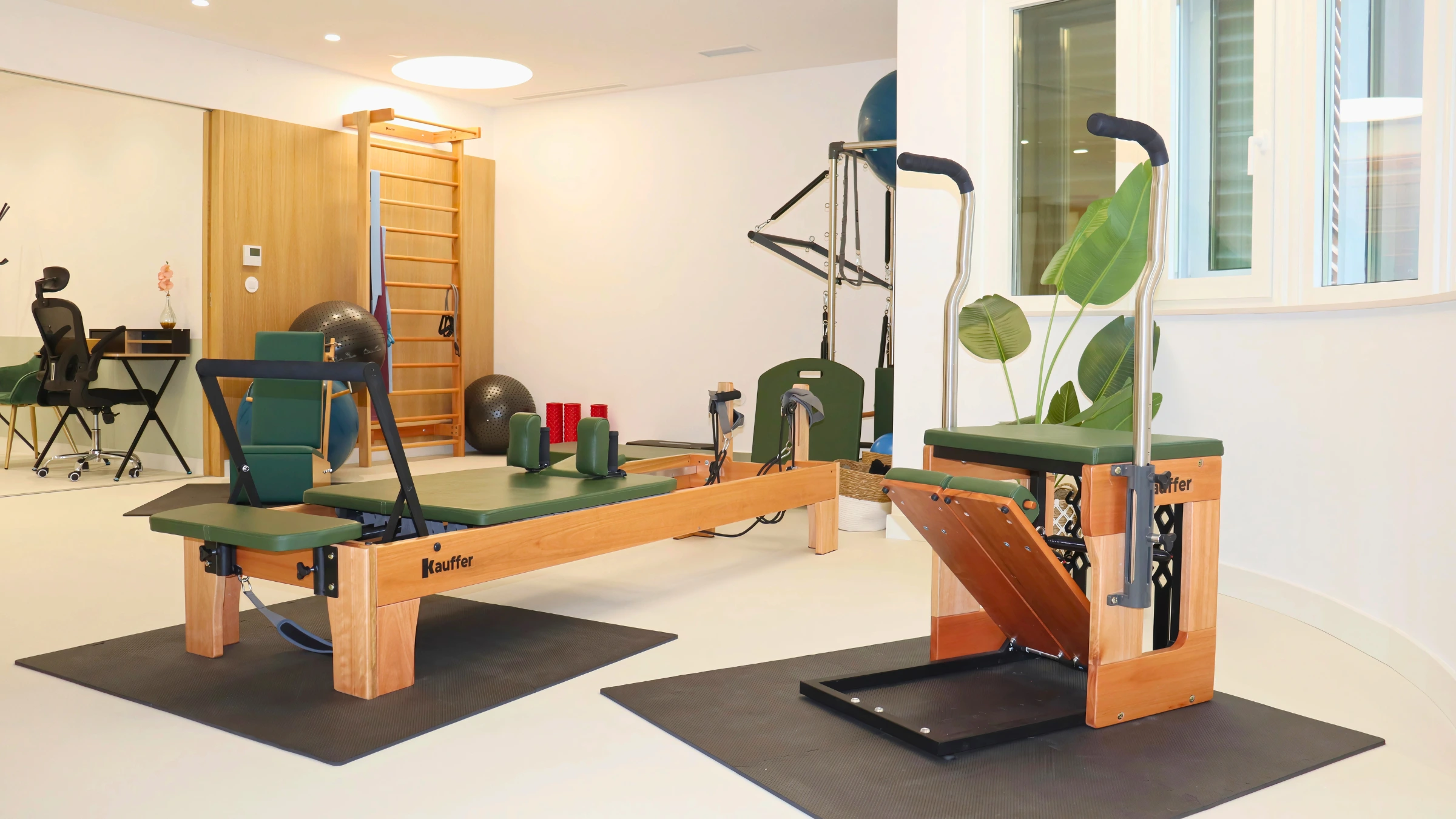
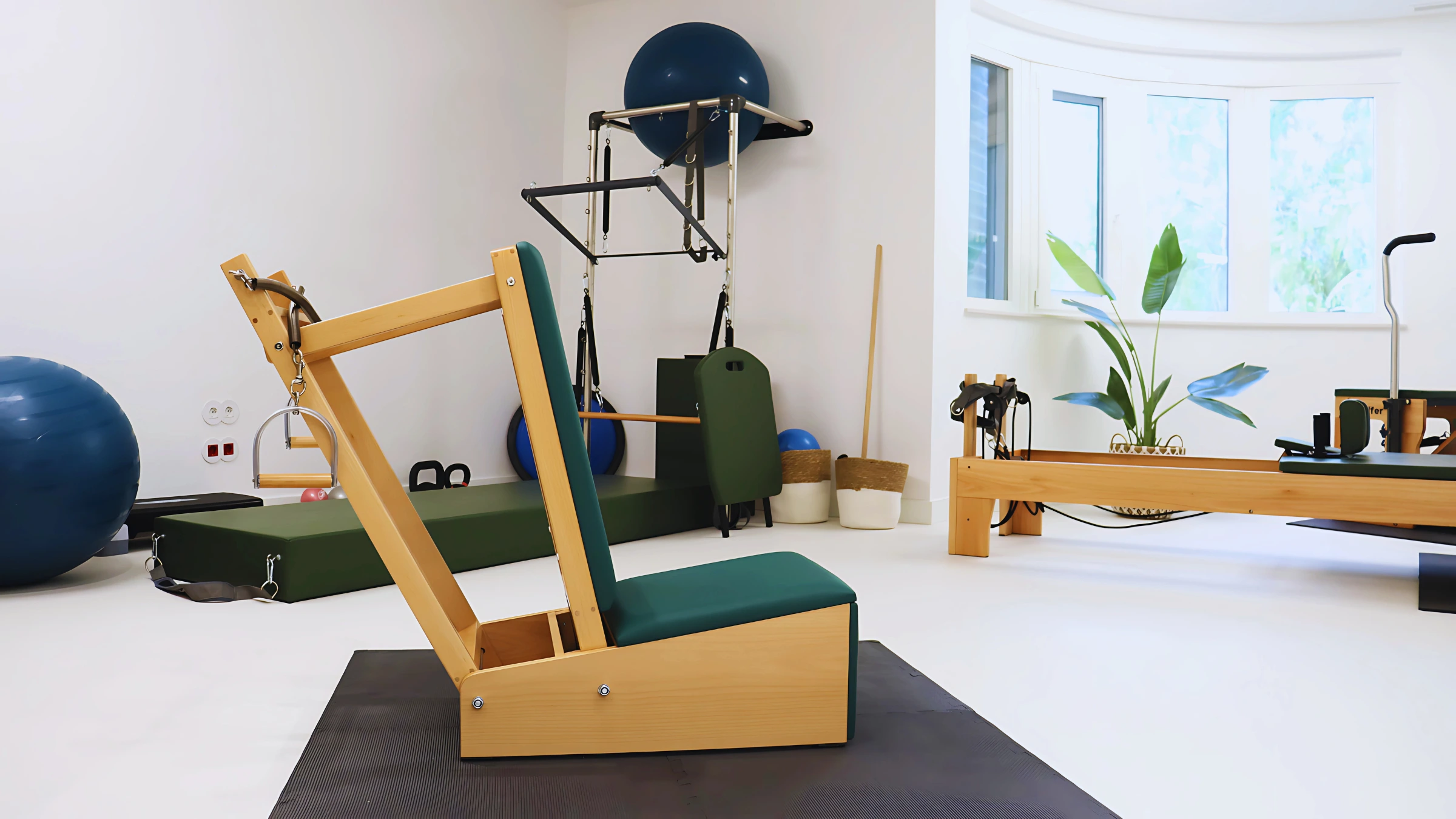
Salas de Terapia Cognitivo-Comportamental
Espaço Clínico NeuroPsyque - Ambiente Seguro

THE IMPORTANCE OF RE-ESTABLISHING SELF-CONTROL

Living with severe impulsive behaviour often creates a trail of personal, financial and relational destruction. Hearing that "you just need to think twice" is frustrating when the brain can't process that essential pause between stimulus and action. A thorough clinical psychiatric and neuropsychological assessment makes it possible to identify and distinguish impulsivity as a core symptom of highly treatable underlying conditions.

Impulse control can be trained and modulated. The brain has an extraordinary neuroplastic capacity (adaptation) to relearn how to inhibit automatic and harmful responses.

At Clínica NeuroPsyque, we design specialised intervention strategies centred on the individual. We use specific pharmacological treatment, neurocognitive and behavioural training (Cognitive Behavioural Therapy), and innovative non-invasive neuromodulation protocols (such as Transcranial Magnetic Stimulation) to strengthen the brain's inhibition networks. Our aim is to give you back the ability to choose, promoting a stable and serene life.

Frequently Asked Questions

FAQ's on Impulsive Behaviours

Is impulsivity always a sign of Attention Deficit Hyperactivity Disorder (ADHD)?
No. Although it is one of the central symptoms of ADHD (especially evident in underdiagnosed adults), impulsivity can also be rooted in the Borderline Personality Disorder, at Bipolar Disorder, It can also be seen in Impulse Control Disorders, such as pathological gambling (betting and games of chance) or intermittent outbursts (episodes of rage with aggression) or even arise following frontal brain lesions.
Is there medication to help reduce impulsivity?
Yes. Depending on the rigorous clinical assessment and the underlying neuropsychiatric cause, the doctor may prescribe mood stabilisers, certain antidepressants, or stimulant/non-stimulant medication (in the proven case of ADHD), which rebalance the reward circuits and facilitate cerebral inhibitory control.
How can psychotherapy help control impulses?
Once the causes of impulsivity have been discovered, the psychotherapy is central to treatment. Advanced therapies such as Cognitive Behavioural Therapy (CBT) and Dialectical Behavioural Therapy (DBT) are highly effective. They help the patient identify specific triggers, train tolerance to painful emotions and actively create a protective "mental pause" between the feeling and the physical action.
Is neuromodulation (such as EMT) useful in impulsive conditions?
Yes, with increasing results in clinical practice. A Transcranial Magnetic Stimulation (EMT) has been shown to be a safe and powerful tool for stimulating or regulating the activity of the prefrontal cortex (the area that acts as the brain's "brake"), strengthening the individual's neurological ability to exercise self-control over unwanted actions.
Is impulsivity permanently curable or just manageable?
Rather than "curing" a functioning trait, the clinical goal is to equip (empower) the patient and their brain with neurobiological and psychological tools for control. With appropriate intervention, regulation improves dramatically, allowing impulsivity to stop ruling their choices and destroying their stability in life.
I'm very ashamed of the consequences of my actions. Will I be judged at the consultation?
No, absolutely never. At NeuroPsyque, impulsive behaviour is understood from a clinical perspective and not as a character or moral defect. Our consultation space is 100% safe, confidential and underpinned by a deep empathy for your suffering and the challenges you face and have faced. The initial assessment is carried out at the Psychiatry. Talk to us today.