Traumas Emocionais: o que são, causas e tratamento em Lisboa

EMOTIONAL TRAUMAS - Treatment in Lisbon

Specialised assessment and multidisciplinary treatment for emotional trauma in Lisbon

WHAT ARE EMOTIONAL TRAUMAS?

Avaliação neuropsiquiátrica dos traumas emocionais — NeuroPsyque Lisboa

The crystallisation of pain in memory

Emotional trauma results from experiences that overwhelm the nervous system's ability to process and integrate what has happened. It's not limited to catastrophes or physical violence - it includes significant losses, rejection, humiliation, abandonment, abusive relationships or any experience that has left a deep mark on the way a person sees themselves and the world. Contrary to popular belief, emotional trauma is not determined solely by the event itself, but by the way the brain and body have experienced and registered it.

How emotional trauma manifests itself

  • Intense Emotional Reactivity
    Disproportionate emotional reactions to everyday situations, outbursts of anger or crying, and difficulty regulating emotions in a stable way.
  • Dysfunctional Relational Patterns
    Difficulty trusting others, fear of abandonment or rejection, unstable interpersonal relationships and repetition of painful relational patterns.
  • Negative Beliefs about Yourself
    Low self-esteem. Persistent feelings of inadequacy, shame, guilt, or not being worthy of love and belonging - often established in childhood.
  • Somatic and Dissociative Symptoms
    Physical complaints with no identified organic cause, a sense of detachment from one's body or unreality, and difficulty being present in the moment.

ORIGINS AND FORMS OF EMOTIONAL TRAUMA

Childhood Trauma and Negligence

Early adverse experiences - emotional abuse, neglect, family instability or the absence of secure attachment figures - are the most prevalent and impactful form of emotional trauma, with effects that extend into adulthood.

Development

Abusive Relationships and Psychological Violence

Relationships marked by manipulation, control, humiliation or chronic emotional invalidation - whether marital, family or professional - leave deep scars on identity and the ability to trust.

Interpersonal

Loss, Grief and Rejection

The loss of close people, painful relationship ruptures, persistent rejection, or experiences of exclusion and public shame can trigger emotional trauma of high intensity and prolonged duration.

Loss

Accumulative and Chronic Trauma

Unlike a single, acute trauma, chronic emotional trauma results from the accumulation of repeated adverse experiences over time, which progressively erode resilience resources and self-esteem.

Chronic
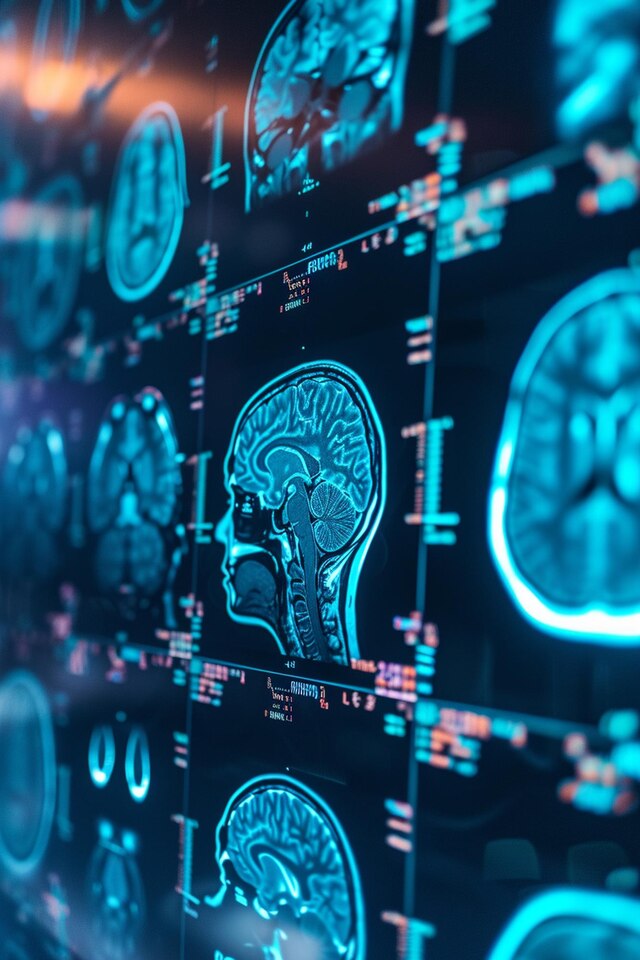
Neurobiologia do trauma emocional e impacto no sistema nervoso — NeuroPsyque

Untreated emotional trauma is often at the root of conditions such as chronic depression, anxiety disorders, personality disorders and persistent relationship difficulties.

EFFECTIVENESS IN TREATMENT
EMOTIONAL TRAUMA

Clinical results consistent with specialised, person-centred therapeutic approaches

60%
reduction of trauma symptoms with structured psychotherapy, with improvement in sleep, anxiety and day-to-day functioning
48%
of patients achieve 50% or more symptom reduction with trauma-focused CBT
40%
reduction of emotional reactivity with transcranial magnetic stimulation (TMS), helping to regain control in everyday situations
30%
improved emotional regulation and concentration with neurofeedback, with an impact on stress and the ability to focus

Sources: clinical data, Lewis et al. (2020) - meta-analysis of trauma therapies, Watts BV et al. - psychotherapy for PTSD, Philip NS et al. (2019) - rTMS in PTSD, Nicholson AA et al. (2018) - neurofeedback in PTSD, WHO (2013) - guidelines for trauma.
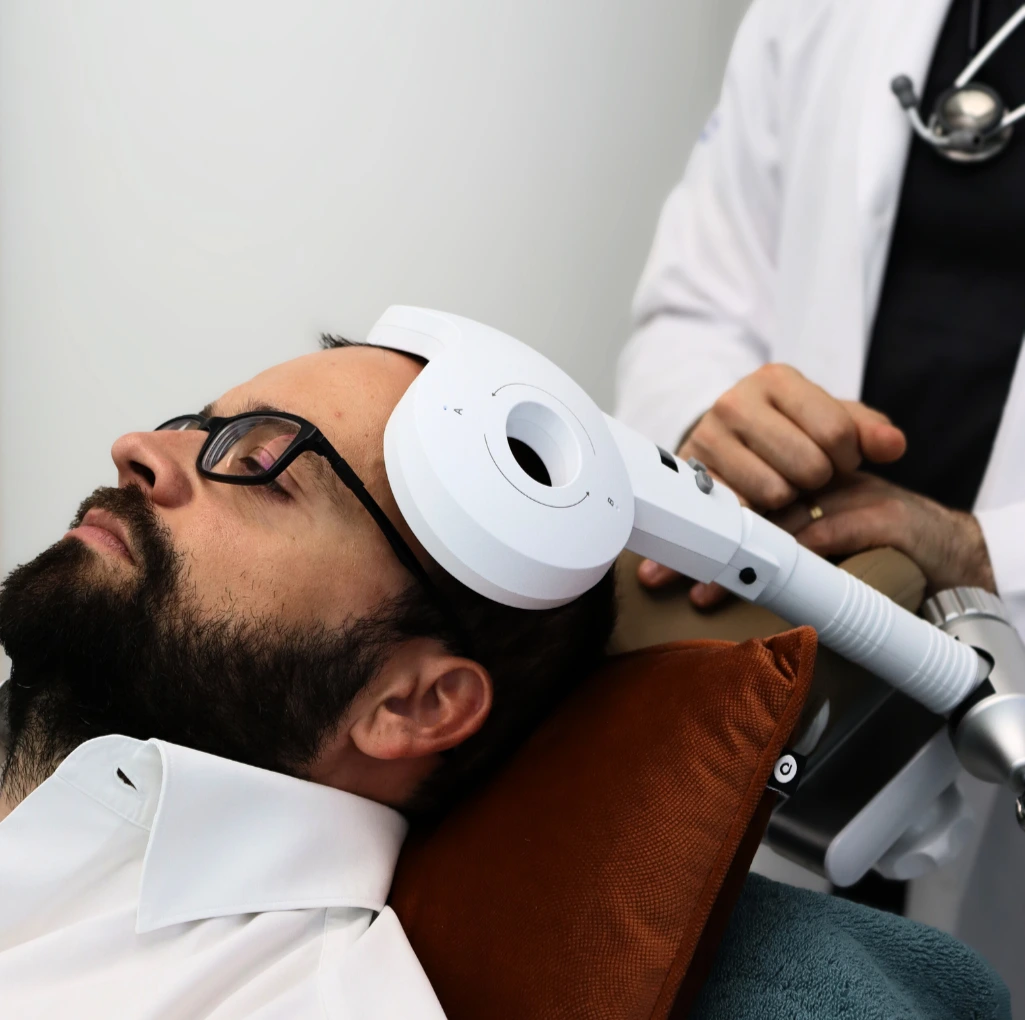
TECHNOLOGY AND THE THERAPEUTIC ENVIRONMENT

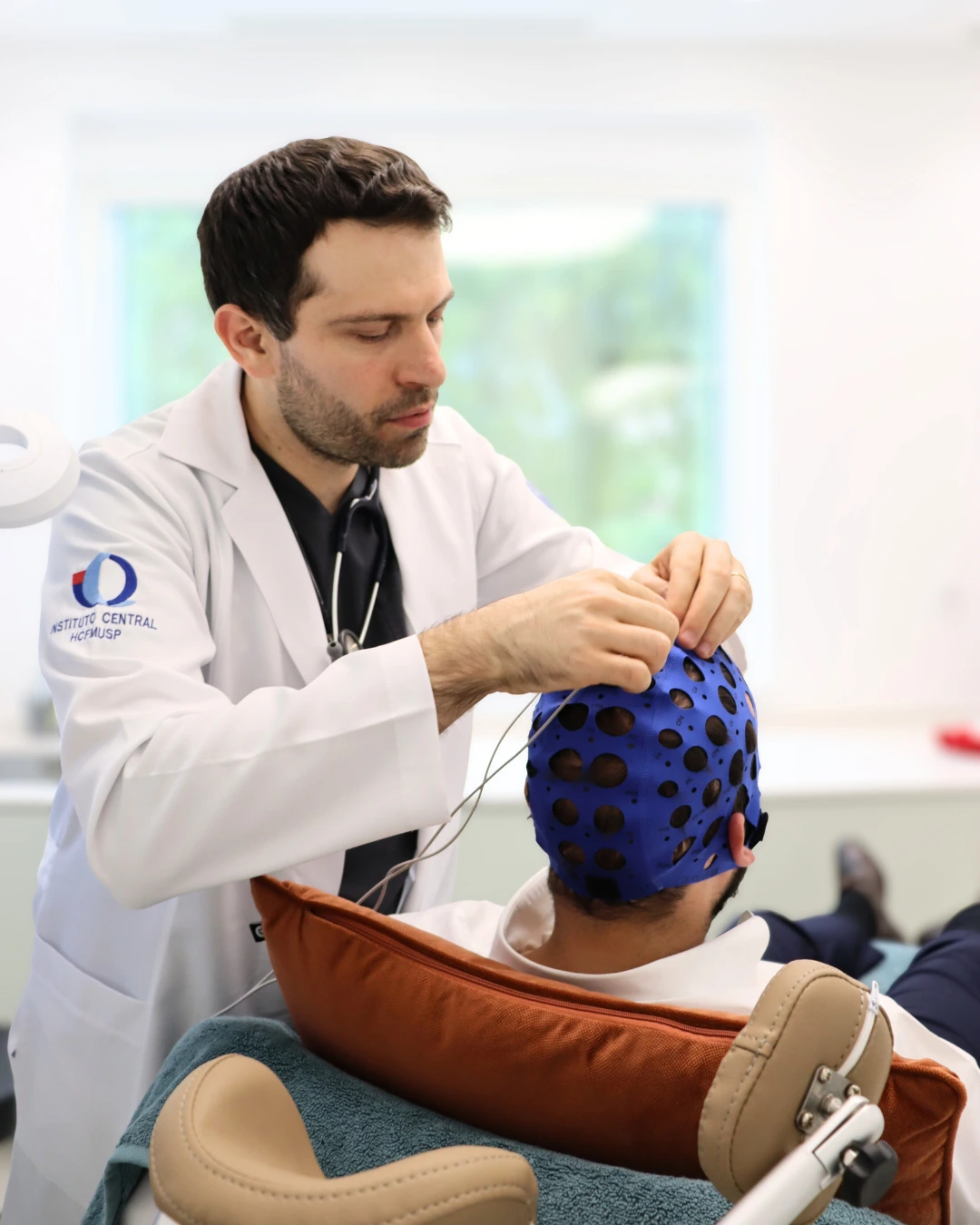
Avaliação neuropsiquiátrica do trauma emocional
Estimulação Magnética Transcraniana no tratamento do trauma emocional
tDCS no tratamento de traumas emocionais
Abordagem integrativa e humanizada do trauma
tDCS - Estimulação Eléctrica Transcraniana
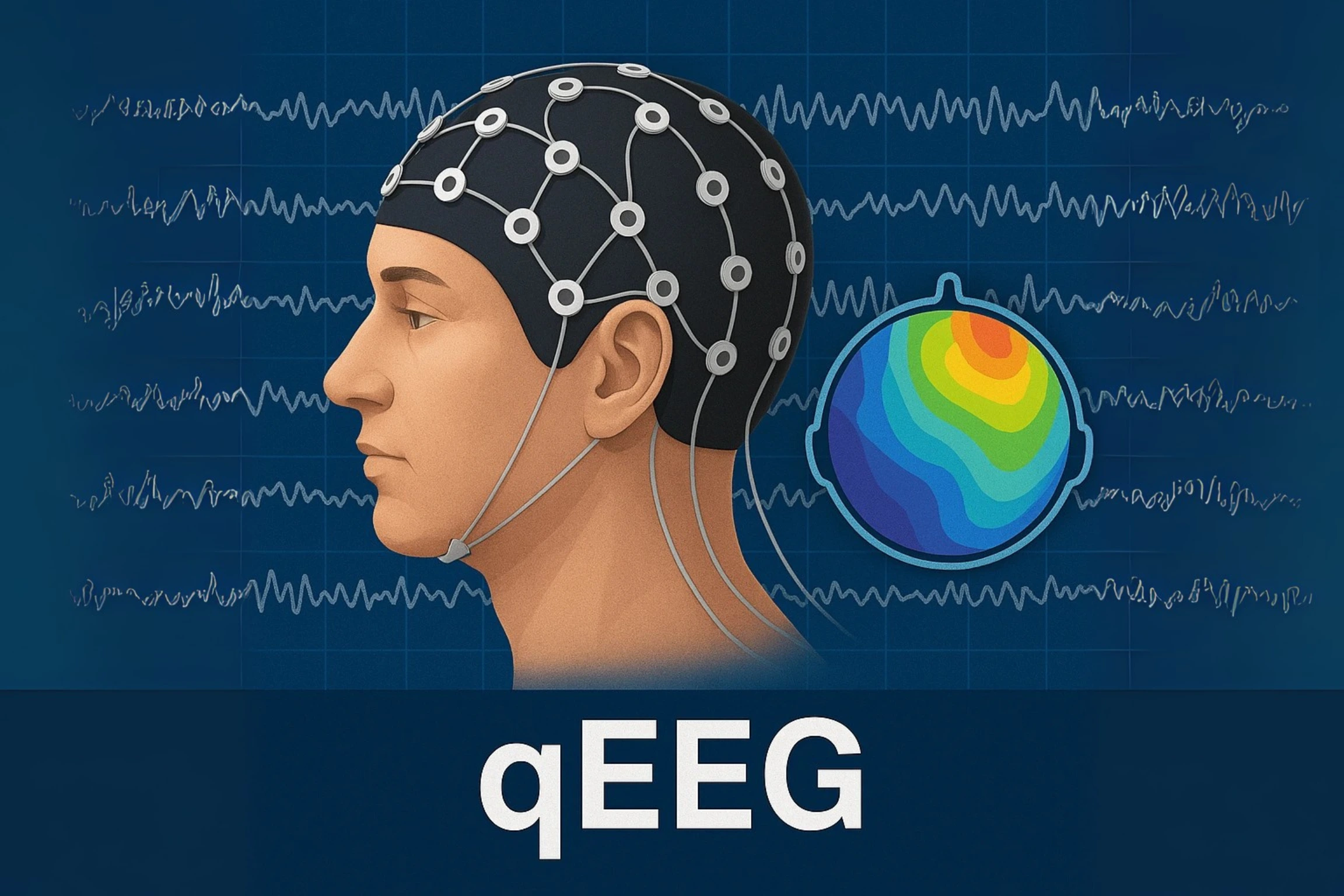
qEEG Mapeamento Cerebral
Sala de Tratamento
Espaço Bem-Estar
Clínica Lisboa
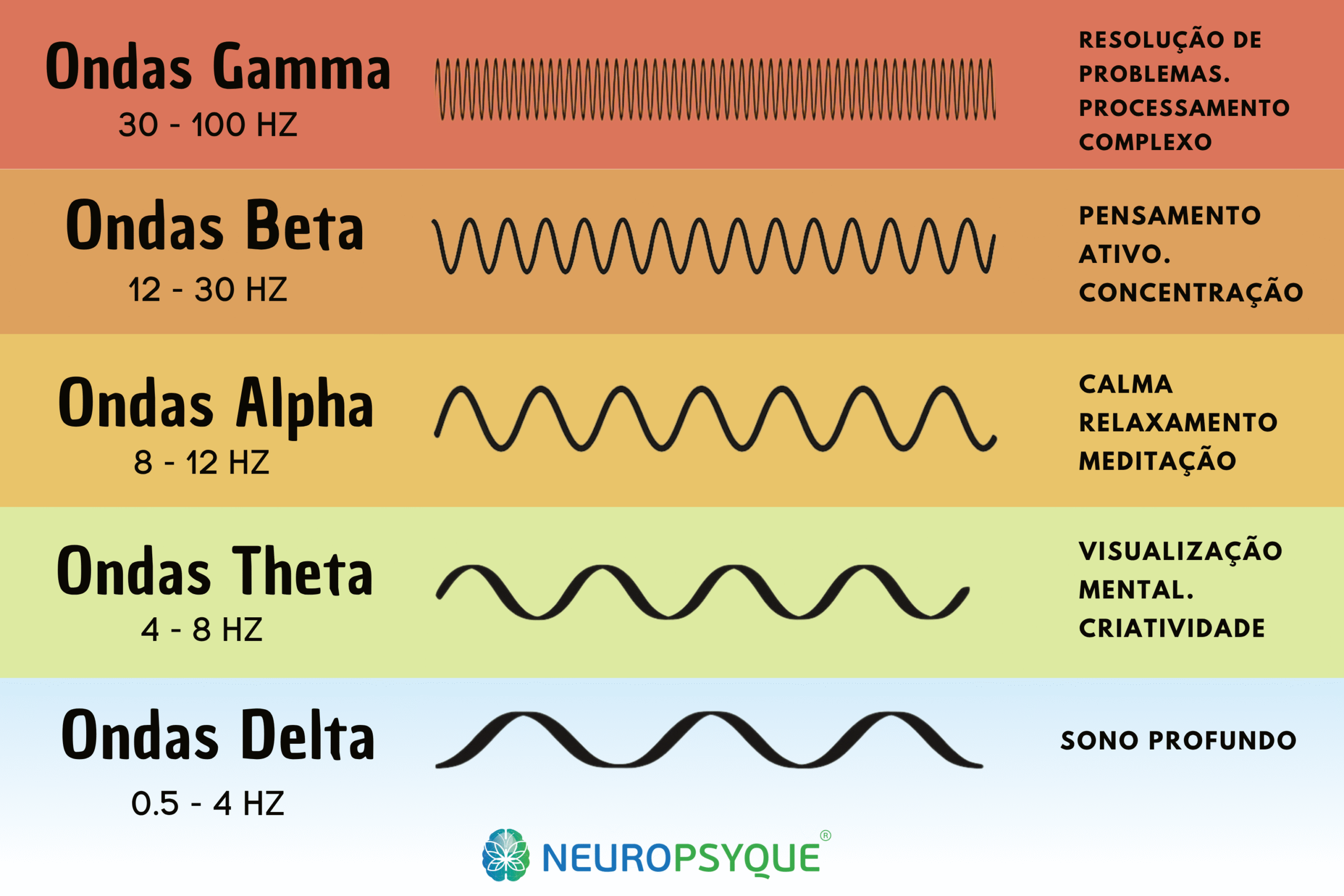
Ondas Cerebrais
Fisiologia

IMPORTANCE OF SPECIALISED CONSULTATION

Emotional trauma rarely resolves itself over time. Without proper follow-up, it tends to settle in silently in the form of behaviour patterns, limiting beliefs and emotional reactivity that compromise all areas of life - relationships, professional performance and physical health. Many people live with the consequences of a trauma for years without recognising it as such, attributing their difficulties to character flaws or "being like that". A specialised assessment can change this cycle.

💡 Untreated emotional trauma doesn't disappear - it transforms. With the right treatment, it's possible to reprocess painful experiences, free yourself from their negative patterns and build a life with greater emotional freedom and authenticity.

At NeuroPsyque, we approach emotional trauma with depth and respect: integrated psychiatric and psychological assessment, specialised trauma psychotherapy (including EMDR and attachment-based approaches), pharmacological support when necessary and neuromodulation with Transcranial Magnetic Stimulation (TMS) to regulate the affected brain circuits. Our commitment is to accompany each person with clinical rigour and genuinely human care.

Frequently Asked Questions

FAQ's on Emotional Traumas

How do I know if I have an emotional trauma?
Emotional trauma manifests itself in very varied and often subtle ways. Some warning signs include: intense and disproportionate emotional reactivity to everyday situations, repeatedly painful relational patterns, difficulty trusting others, a persistent sense of inadequacy or shame, intense physical reactions to certain stressful situations, or the realisation that certain experiences from the past continue to have a profound influence on the present. A specialised assessment can clarify the diagnosis.
What is the difference between emotional trauma and PTSD?
Post-Traumatic Stress Disorder (PTSD) is a specific clinical diagnosis that typically results from an acute, well-defined traumatic event, with symptoms such as flashbacks, nightmares and hypervigilance. Emotional trauma is a broader concept - it can include PTSD, but also encompasses the effects of cumulative (over time), developmental or relational traumas, which don't fulfil all the diagnostic criteria for PTSD but which cause real and lasting suffering.
Can childhood emotional trauma affect adult life?
Yes, very significantly. Adverse childhood experiences (ACEs) have a documented neurobiological impact on the development of the brain and the stress response system. In adulthood, they can manifest as difficulties with emotional regulation, dysfunctional relational patterns, chronic low self-esteem, greater vulnerability to depression e anxiety, and attachment difficulties. The good news is that the adult brain retains plasticity (the ability to restructure itself) and can benefit greatly from specialised treatment.
What is the most effective therapeutic approach for emotional trauma?
There is no single, universal approach - effectiveness depends on the type of trauma, individual characteristics and comorbidities present. Among the approaches with the most scientific evidence are Trauma-Focused Psychotherapy and Attachment-Based Therapy. Neuromodulation and pharmacological support can also be an important part of the therapeutic process. The initial assessment is carried out in the speciality of Psychiatry.
Can neuromodulation (EMT) help with emotional trauma?
Yes. Transcranial Magnetic Stimulation (EMT) has growing evidence in the regulation of brain circuits involved in emotional memory, stress response and mood regulation. When combined with specialised psychotherapy, it can significantly boost and accelerate therapeutic results, especially in cases of complex trauma or with depressive or anxiety comorbidities.
How long does it take to treat emotional trauma?
The duration of treatment varies considerably depending on the type and severity of the trauma, the presence of comorbidities and each person's individual resources. Certain cases may respond within a few months; complex or developmental trauma may require longer follow-up. However, progress is often felt in the first few weeks of treatment, with gradual improvements in emotional regulation and quality of life.
Do I need a doctor's referral to book an appointment?
No, it's not necessary. You can book your appointment directly with us. If you have health insurance, we only recommend that you check the conditions of your policy for reimbursement.