Stress Pós-Traumático: sintomas e tratamento em Lisboa

POST-TRAUMATIC STRESS - Treatment in Lisbon

Specialised assessment and multidisciplinary treatment for Post-Traumatic Stress Disorder in Lisbon

WHAT IS POST-TRAUMATIC STRESS?

Avaliação neuropsiquiátrica da Perturbação de Stress Pós-Traumático — NeuroPsyque Lisboa

An invisible wound with real consequences

Post-Traumatic Stress Disorder (PTSD) is a neuropsychiatric condition that develops after exposure to a traumatic event - a real or perceived threat to life or physical integrity. The brain is trapped in a state of permanent alert, unable to process and integrate the traumatic experience. The result is intense and continuous suffering that can profoundly compromise quality of life, interpersonal relationships and daily functioning, even years after the original trauma.

Most common symptoms

  • Relives and Flashbacks
    Vivid intrusive memories, recurring nightmares and flashbacks that transport the person back to the moment of the trauma, with an intense physiological reaction.
  • Hypervigilance and Reactivity
    Constant alertness, exaggerated jitters, difficulty relaxing and marked irritability even in safe situations.
  • Avoidance
    Systematic avoidance of people, places, thoughts or situations reminiscent of the trauma, with progressive social and emotional isolation.
  • Cognitive and Mood Changes
    Persistent feelings of guilt, shame or emotional detachment; cognitive distortions about oneself and the world; difficulty feeling positive emotions.

CAUSES AND FORMS OF PRESENTATION

Acute Trauma and Accidents

Serious accidents, natural disasters, physical aggression or situations of imminent danger to life are frequent triggers of acute-onset PTSD.

Acute Trauma

Developmental Trauma and Abuse

Experiences of physical, emotional or sexual abuse in childhood, prolonged neglect or chronically unstable family environments often lead to complex PTSD in adulthood.

Complex Trauma

Professional Exposure and Combat

Emergency workers, security forces, military personnel and health professionals are at increased risk of PTSD due to repeated and cumulative exposure to traumatic situations in the course of their duties.

Occupational

Interpersonal loss and trauma

Traumatic bereavement, domestic violence, sexual assault or witnessing violent events can trigger post-traumatic stress responses of high intensity and duration.

Interpersonal
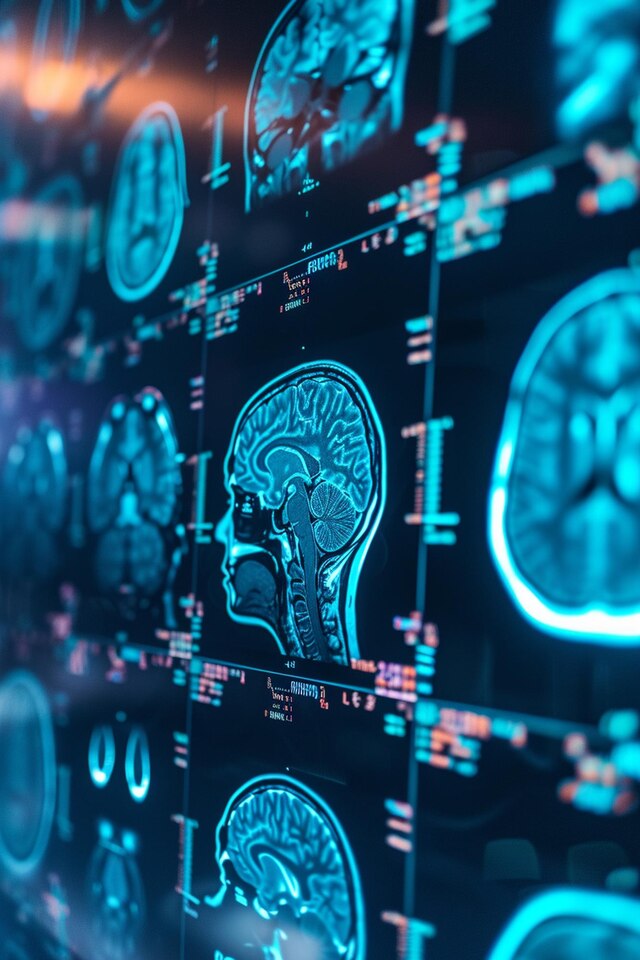
Neurobiologia do trauma e stress pós-traumático — NeuroPsyque

PTSD can coexist with depression, anxiety disorders, substance abuse and dissociative identity disorders, requiring a comprehensive clinical assessment.

EFFECTIVENESS IN TREATMENT
POST-TRAUMATIC STRESS DISORDER

Solid clinical results with state-of-the-art neuromodulation protocols and integrated approaches

85%
of patients achieve profound relief with Neurofeedback. By training the brain to switch off the constant state of alarm, physical calm and the ability to live without fear are restored.
2x
faster recovery by combining psychotherapy with Magnetic Stimulation (EMT). Talking about difficult memories becomes less burdensome, avoiding the usual exhaustion after appointments.
70%
and nightmares with continuous treatment. Getting back to a safe, restful night's sleep is the first step towards eliminating extreme physical fatigue.
60%
improvement in mental exhaustion and mood with mild brain stimulation (tDCS). Neural regulation helps break down social isolation, restoring the energy to deal with others.

* Recovery from trauma requires re-training the nervous system to distinguish between the past (threat) and the present (safety), giving the patient back physical and emotional control.

Sources: clinical data, Prism Neurofeedback Clinical Study on PSPT (MDPI, 2024); Trials of tDCS in Trauma and Depression (BBRF, 2024); NIH review of EMT/rTMS effectiveness combined with psychotherapy (PMC, 2022); Cusack et al. (2016), Ann Intern Med - effectiveness in reducing relapses.
TECHNOLOGY AND THE THERAPEUTIC ENVIRONMENT

Neuroimagem e avaliação do stress pós-traumático
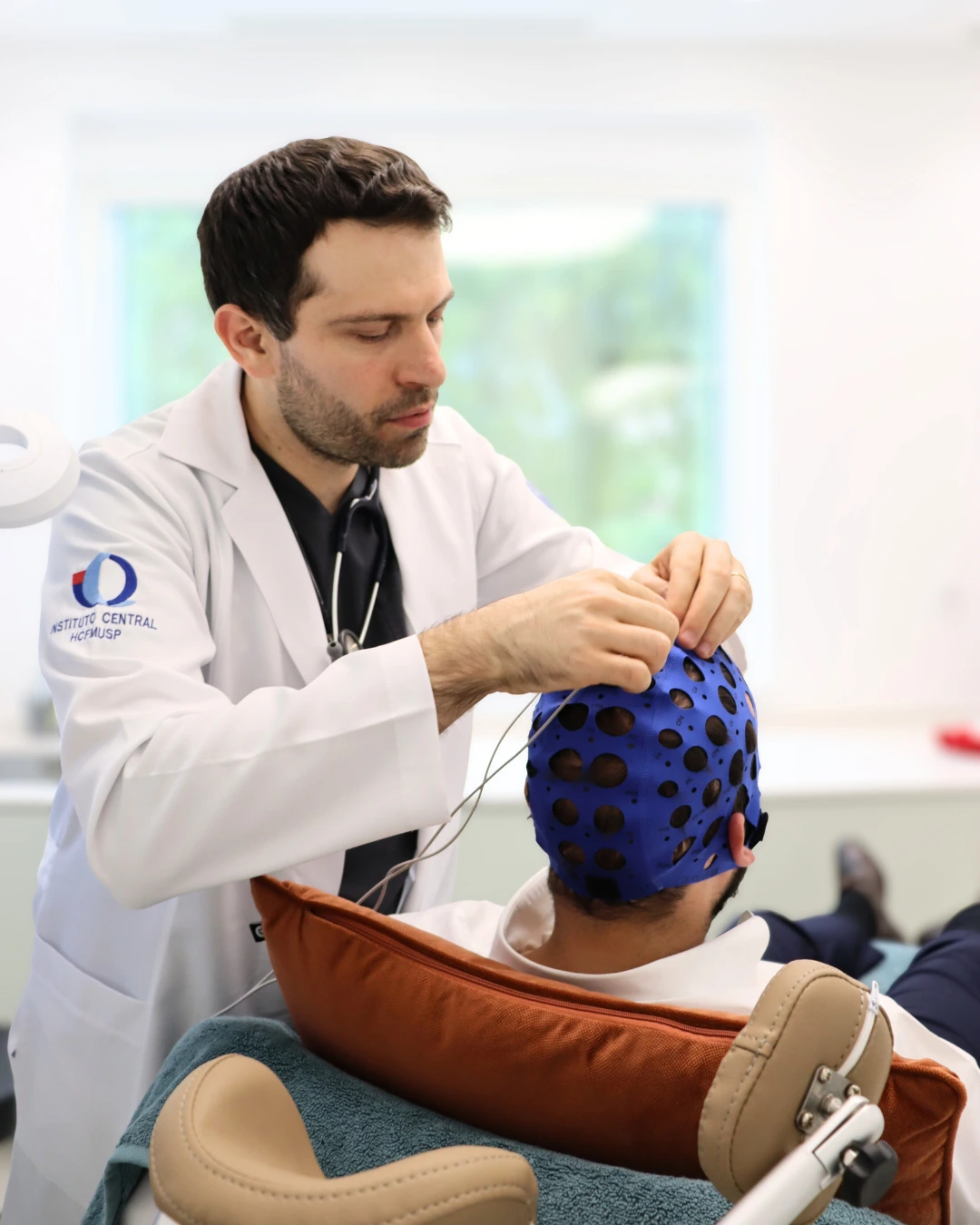
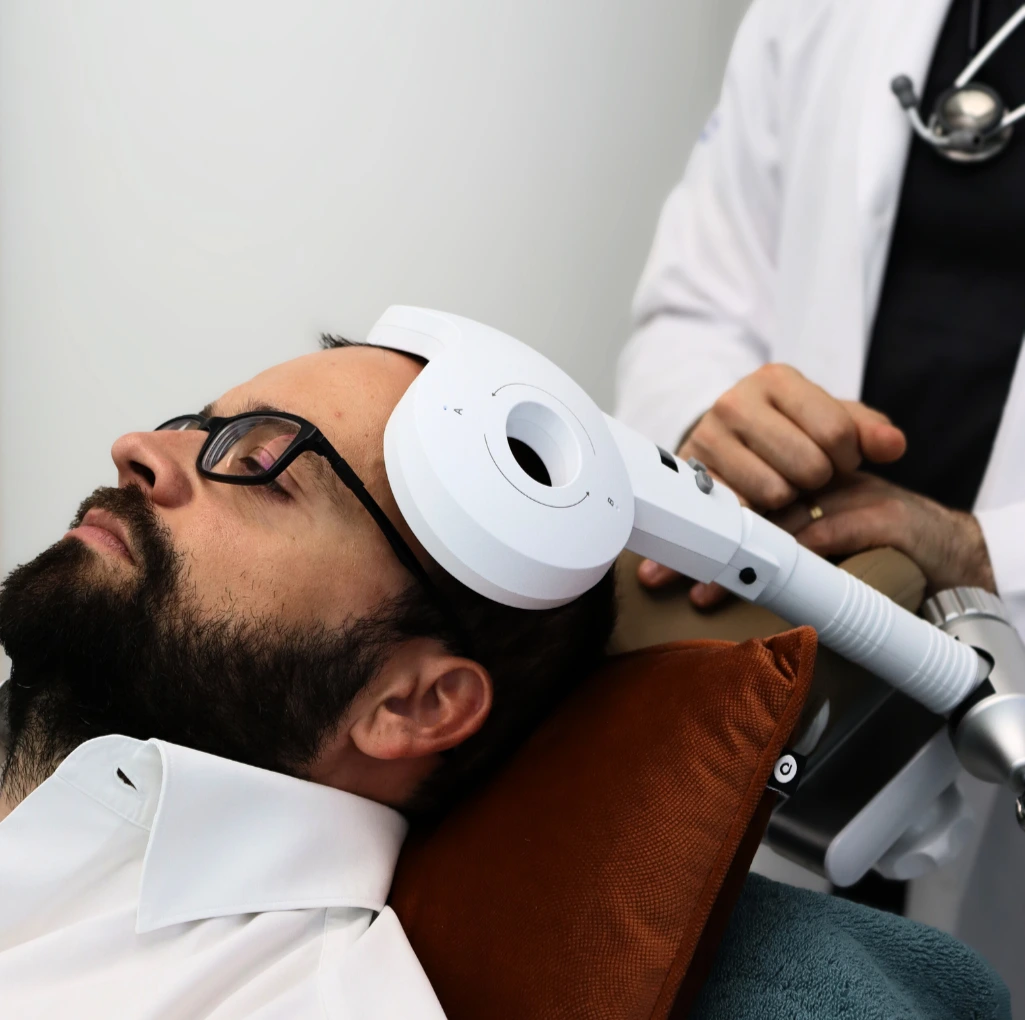
Estimulação Magnética Transcraniana no tratamento da PSPT
tDCS no tratamento do trauma
Abordagem integrativa do trauma
tDCS - Estimulação Eléctrica Transcraniana
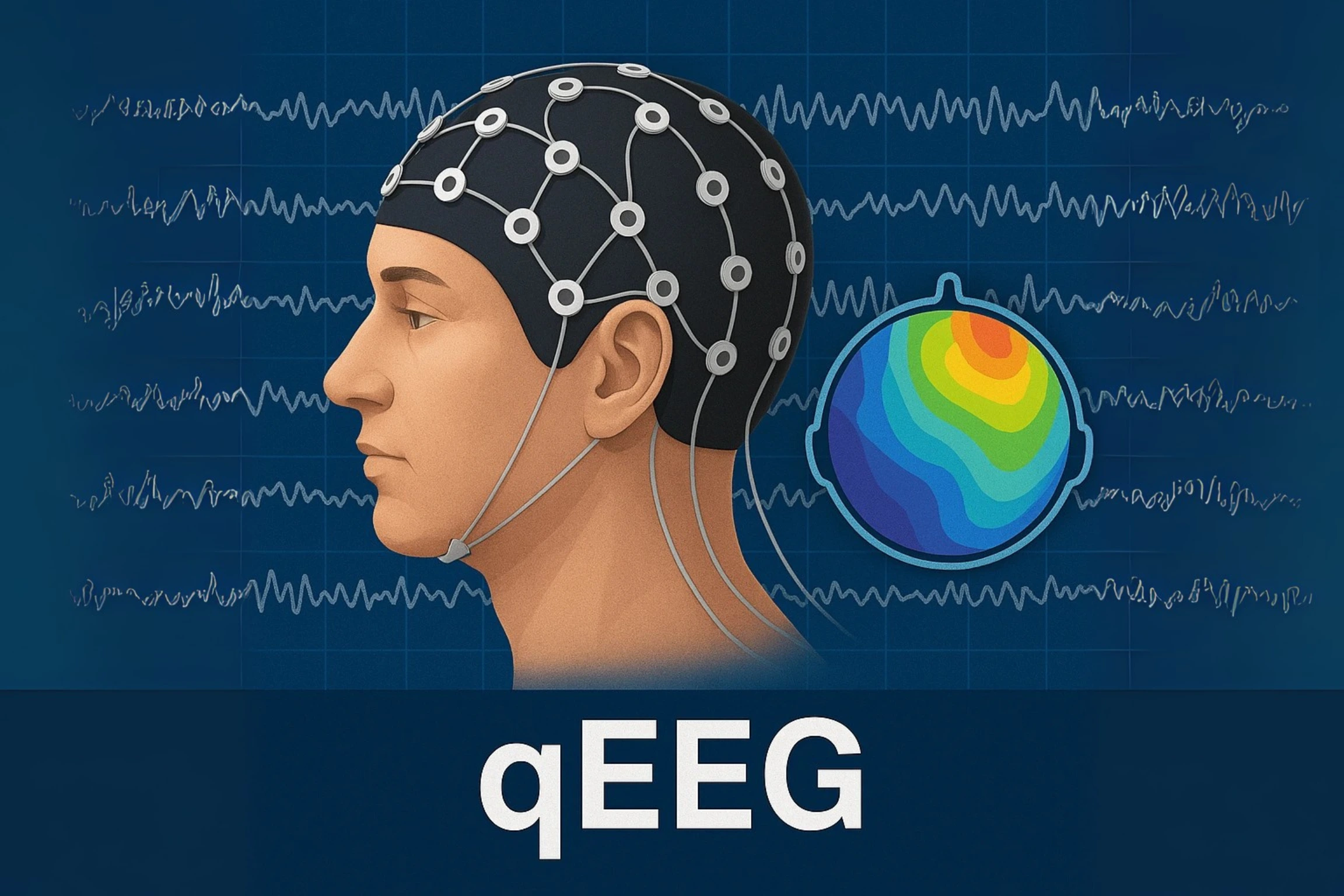
qEEG Mapeamento Cerebral
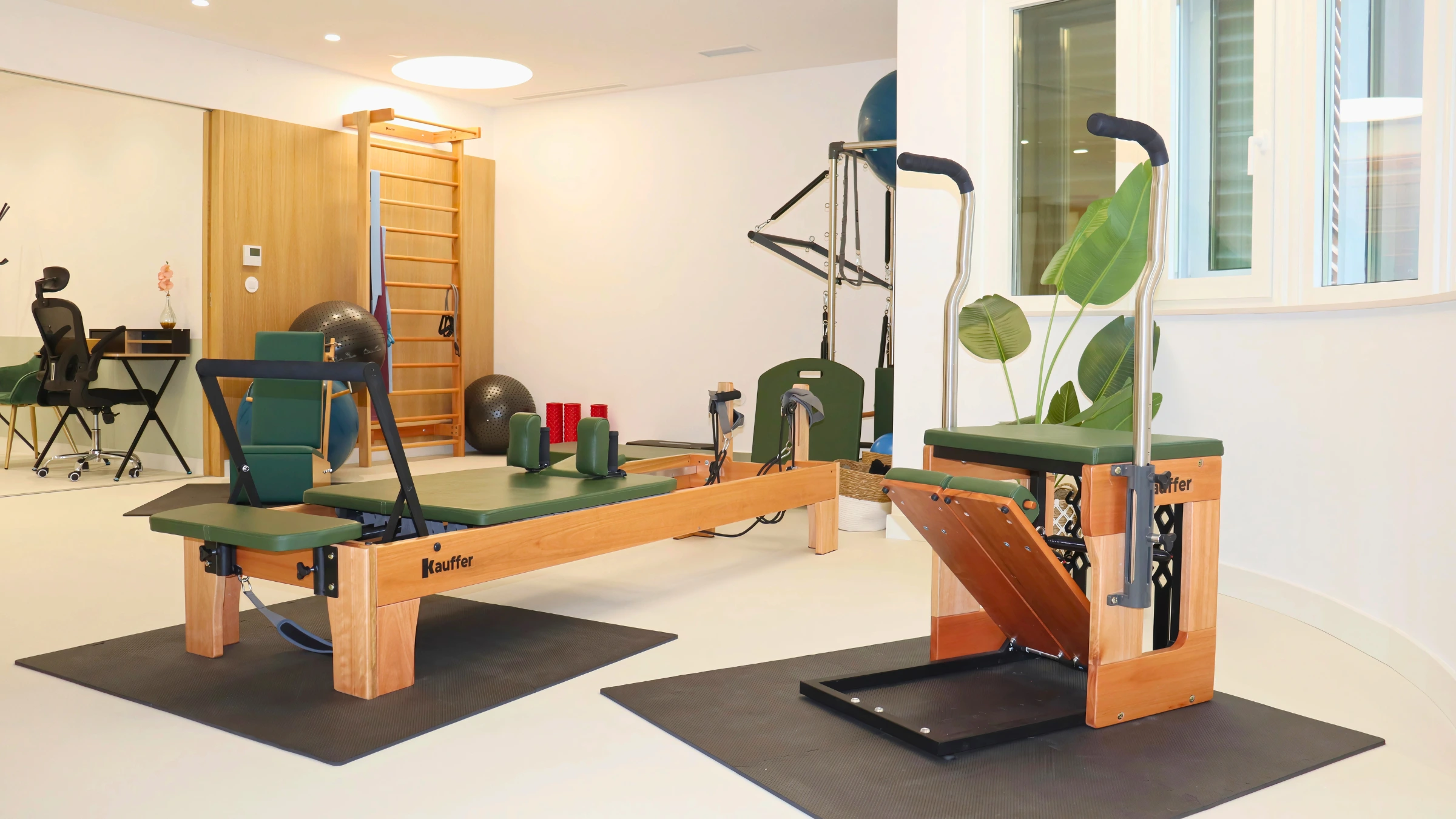
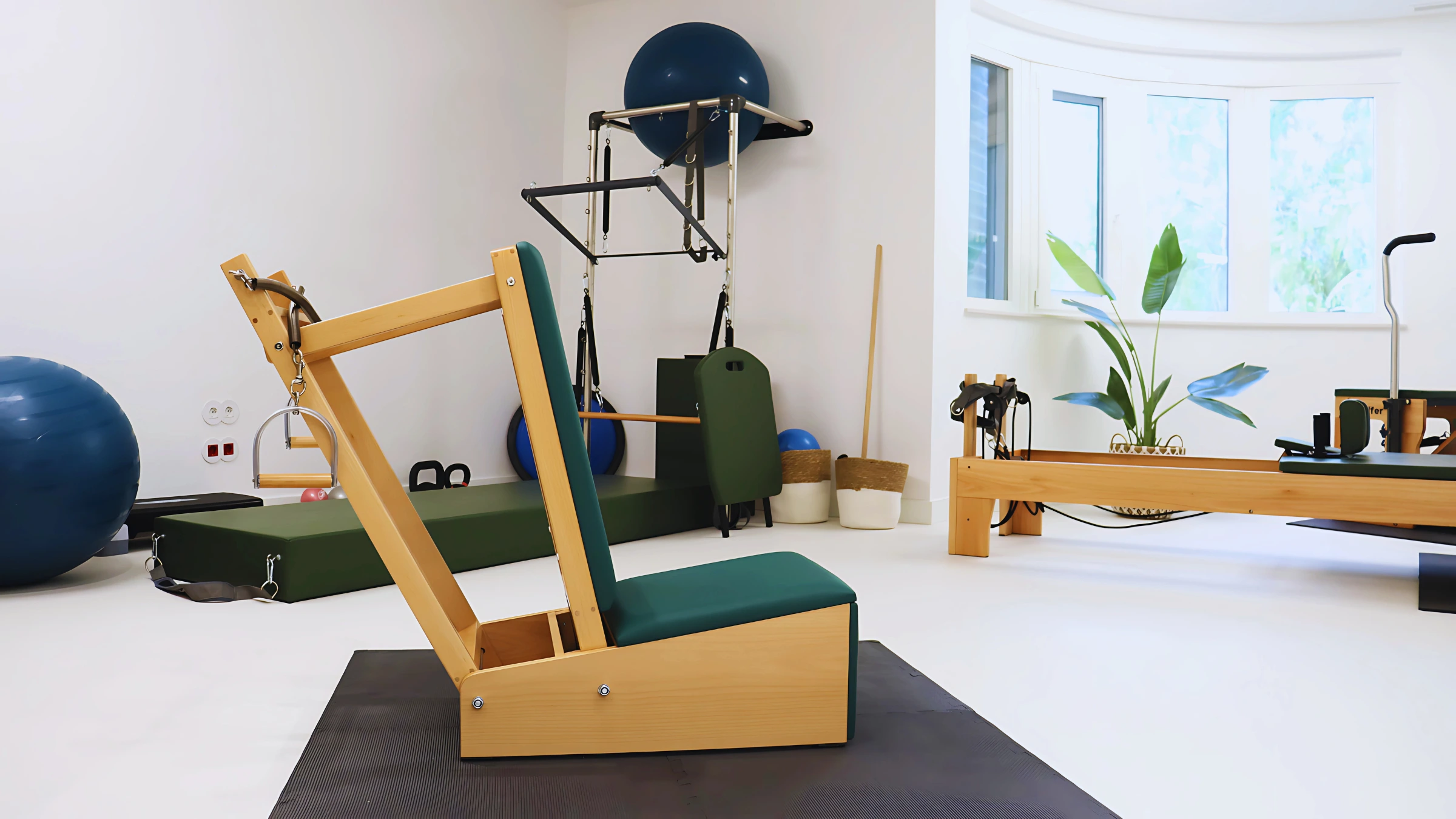
Sala de Tratamento
Espaço Bem-Estar
Clínica Lisboa
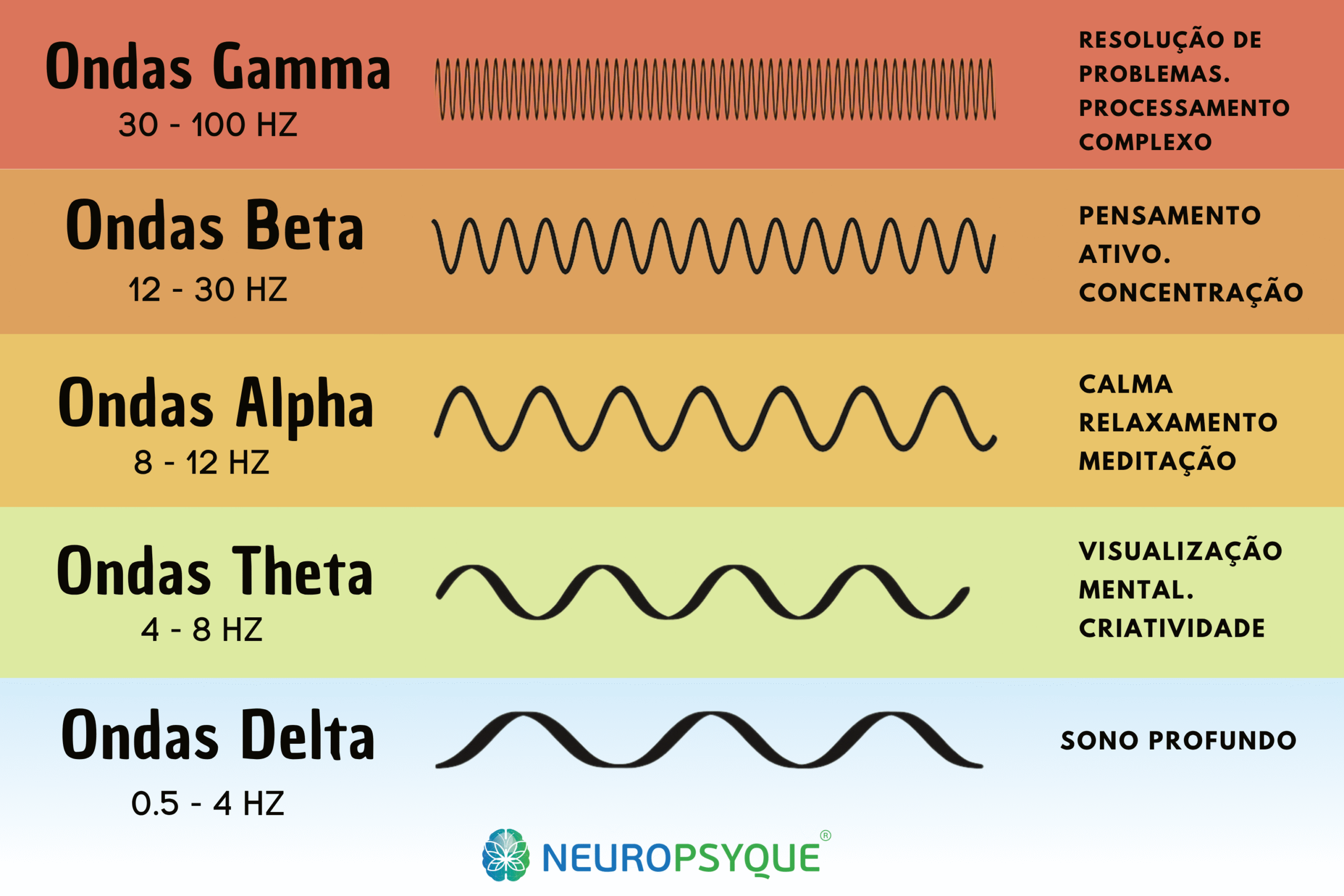
Ondas Cerebrais
Fisiologia

IMPORTANCE OF SPECIALISED CONSULTATION

Post-Traumatic Stress Disorder is not a sign of weakness or a disproportionate reaction - it is a real neurobiological response to experiences that have exceeded the processing capacity of the nervous system. Without proper treatment, PTSD tends to become chronic, spread to other areas of life, and increase the risk of depression, substance abuse and personality disorders. Early specialised assessment is the most effective path to recovery.

Untreated PTSD can persist for decades. With the right treatment - specialised psychotherapy, neuromodulation and pharmacological support - the vast majority of patients achieve remission and regain stability.

At NeuroPsyque, we adopt an integrative and humanised approach: in-depth neuropsychiatric and psychological assessment, specialised trauma psychotherapy, pharmacological optimisation and access to neuromodulation with Transcranial Magnetic Stimulation (TMS). Our commitment is to accompany each person with clinical rigour, safety and deep respect for their history.

Frequently Asked Questions

FAQ's on Post-Traumatic Stress

What should I expect at the first assessment appointment?
The first consultation includes a detailed clinical assessment of the nature and context of the trauma, the intensity and frequency of the symptoms and the impact on daily life. Screening for comorbidities is carried out (depression, anxiety, and sleep disorders) and a personalised therapeutic plan is drawn up, which may include specialised psychotherapy, pharmacological support and neuromodulation.
Can any difficult event cause PTSD?
Not necessarily. PTSD develops when the stress response does not resolve naturally after a traumatic event. The intensity of the trauma is undoubtedly the most determining factor, but individual biological vulnerability, the lack of social support and a previous history of other traumas all influence who develops the disorder. Not all people exposed to traumatic events develop PTSD.
How long after the trauma can PTSD appear?
Symptoms can appear within weeks of the trauma, but in some cases there is a delayed onset PTSD, with the clinical picture manifesting months or even years later. This often happens when there are intense avoidance mechanisms or when a new event triggers unprocessed memories of previous traumas.
Is Transcranial Magnetic Stimulation (TMS) effective in PTSD?
Yes. Transcranial Magnetic Stimulation has growing evidence in the treatment of PTSD, acting on the regulation of brain circuits involved in fear memory, hypervigilance and alarm responses. It is particularly valuable in cases of PTSD resistant to medication or as a complement to psychotherapy, enhancing and accelerating therapeutic results.
Can neurofeedback help with PTSD?
Yes. Neurofeedback is a non-invasive technique that trains the brain to self-regulate its own activation patterns. In PSPT, it acts specifically on the hyperactivity of alarm networks and the difficulty in achieving states of calm, promoting more stable and lasting emotional regulation without resorting to medication.
Is medication always necessary in the treatment of PTSD?
Not necessarily. In many cases psychotherapy The use of trauma-focused therapy (such as trauma-focused Cognitive Behavioural Therapy or EMDR) is sufficient to achieve remission. Medication is introduced when symptoms are very intense, when there is significant psychiatric comorbidity or when it facilitates access to psychotherapy by reducing physiological activation. The decision is always made on a case-by-case basis, with the co-ordination of the psychiatrist.
How to help a family member with PTSD?
The most important support is validation - recognising that the reaction is real, should be dealt with, and is not just a sign of weakness. Avoid pressurising the person to talk about the trauma before they are ready. Encourage (without forcing) them to seek professional help. Educate yourself about the disorder to better understand the behaviours. Also take care of your own emotional health as a carer.
Do I need a doctor's referral to book an appointment?
No, it's not necessary. You can book your appointment directly at NeuroPsyque. If you have health insurance, we only recommend that you check the conditions of your policy for reimbursement.