Skip to content



TOURETTE SYNDROME - Treatment in Lisbon
Specialised neurological assessment and multidisciplinary treatment for tics and Tourette's in Lisbon
WHAT IS TOURETTE'S SYNDROME?

A neurodevelopmental disorder
Tourette Syndrome is a complex neurological condition characterised by the presence of multiple motor tics and at least one vocal tic, which persist intermittently for more than a year. The condition usually begins in childhood or early adolescence, fluctuating in frequency, severity and type of movements over time.
Most Common Types of Tics
- Simple Motor TicsShort, sudden movements, such as blinking, shrugging or grimacing.
- Simple vocal ticsInvoluntary sounds, such as constantly clearing your throat, sniffling, coughing or grunting.
- Complex TicsSequences of coordinated movements (jumping, touching objects) or repetition of words and phrases (echolalia).
- Sensory Urgency (Pre-tique)A feeling of physical tension, discomfort or internal "itching" that precedes the tic and only eases after the movement.
CHARACTERISTICS AND ASSOCIATED CONDITIONS
Fluctuating Motor Tics
The intensity and type of motor tics are not fixed. They often increase under anxiety, excitement or fatigue, and can attenuate during tasks that require hyperfocus.
EngineVocal Tics and Coprolalia
Emission of involuntary sounds and grunts. Coprolalia (involuntary use of obscene words), although highly stigmatised, only affects a minority of patients (10 to 15%).
PhonicTension and Rebound"
Although tics can be consciously suppressed for short periods, this generates increasing internal distress, often resulting in an explosion of tics as soon as the person relaxes.
SensoryAssociated Comorbidities
More than 80% of individuals have other concurrent medical conditions, the most common being Obsessive-Compulsive Disorder (OCD) and ADHD. Anxiety is also very common, and many cases may develop Depression.
Neuropsychiatric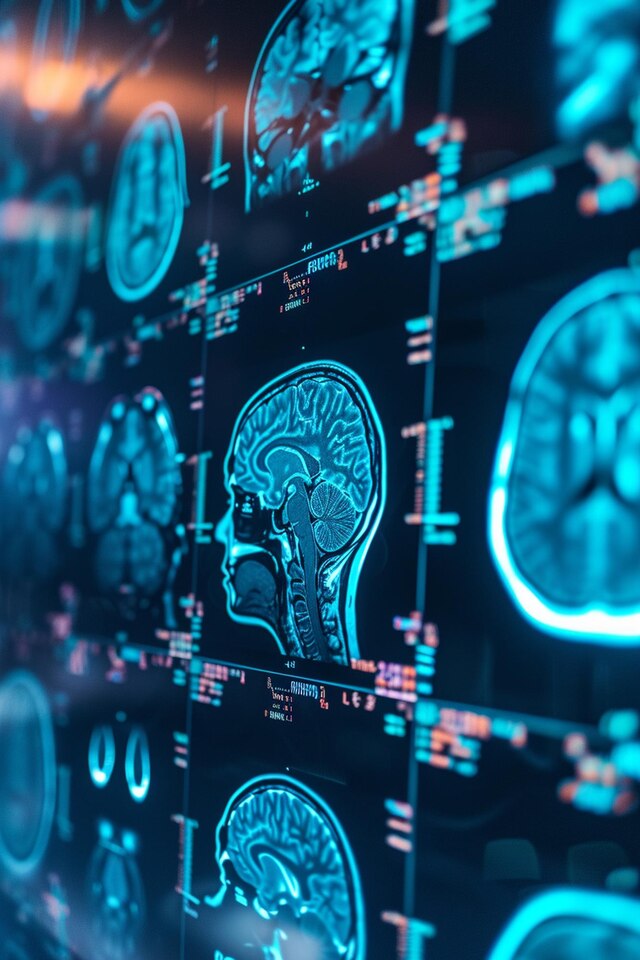
Dysfunction in the basal ganglia and "cortico-striatal-thalamo-cortical" circuits has been identified as the main neurobiological mechanism of the disorder.
EFFECTIVENESS IN APPROACH
TOURETTE'S SYNDROME
Evidence-based interventions and neuromodulation to reduce tics and improve quality of life
* Data reflect neuromodulation studies (Neurofeedback, 2022; EMT, BMJ Open) and longitudinal follow-up studies of Tourette Syndrome. Clinical response is always individual.
Sources: clinical data, Freeman et al. - Comorbidities, Long-term follow-up Lowe et al. (2019)


THE IMPORTANCE OF A SPECIALISED ASSESSMENT
Tourette Syndrome often has a profound impact on self-esteem and social and professional integration, generating high levels of stress and daily fatigue. Timely and accurate diagnosis is vital not only to treat and manage motor and vocal tics, but above all to identify and treat comorbidities (such as OCD or ADHD) which often cause more suffering and functional limitation than the movements themselves.
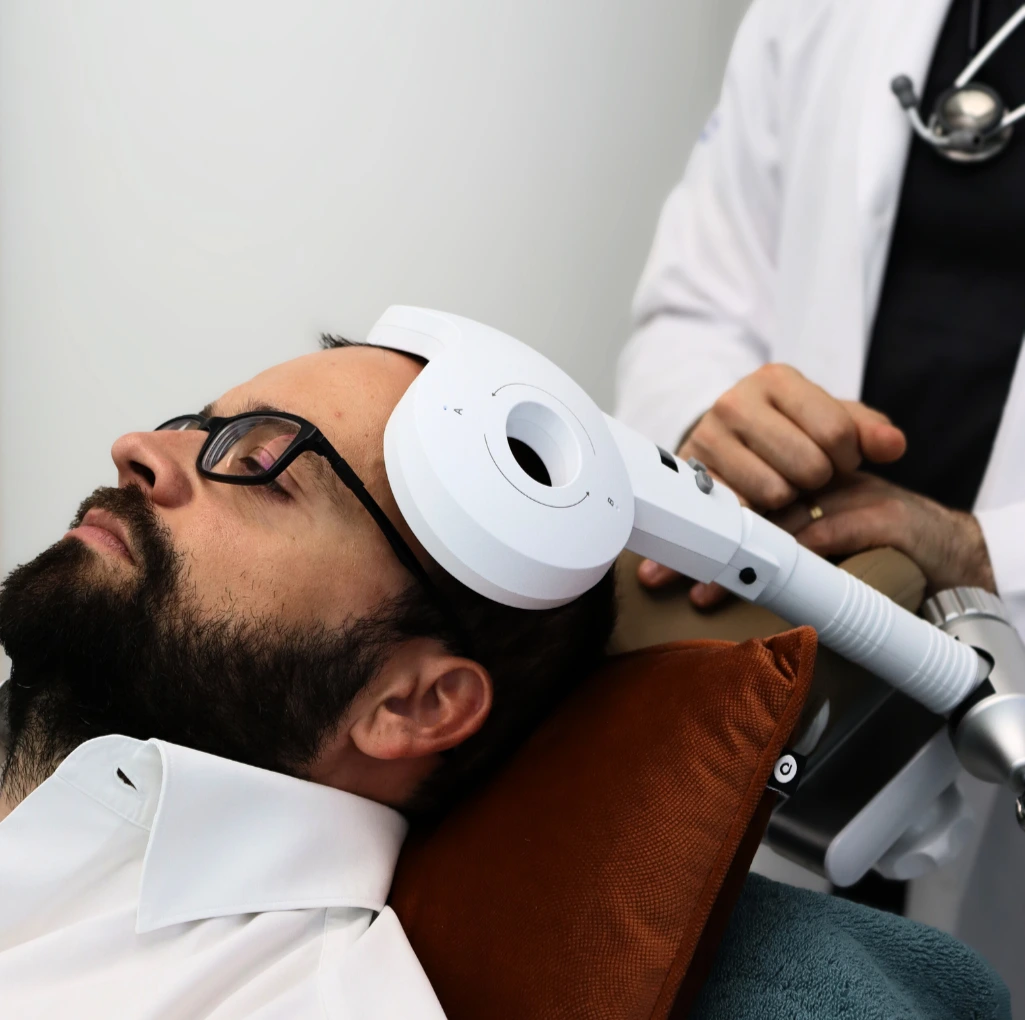
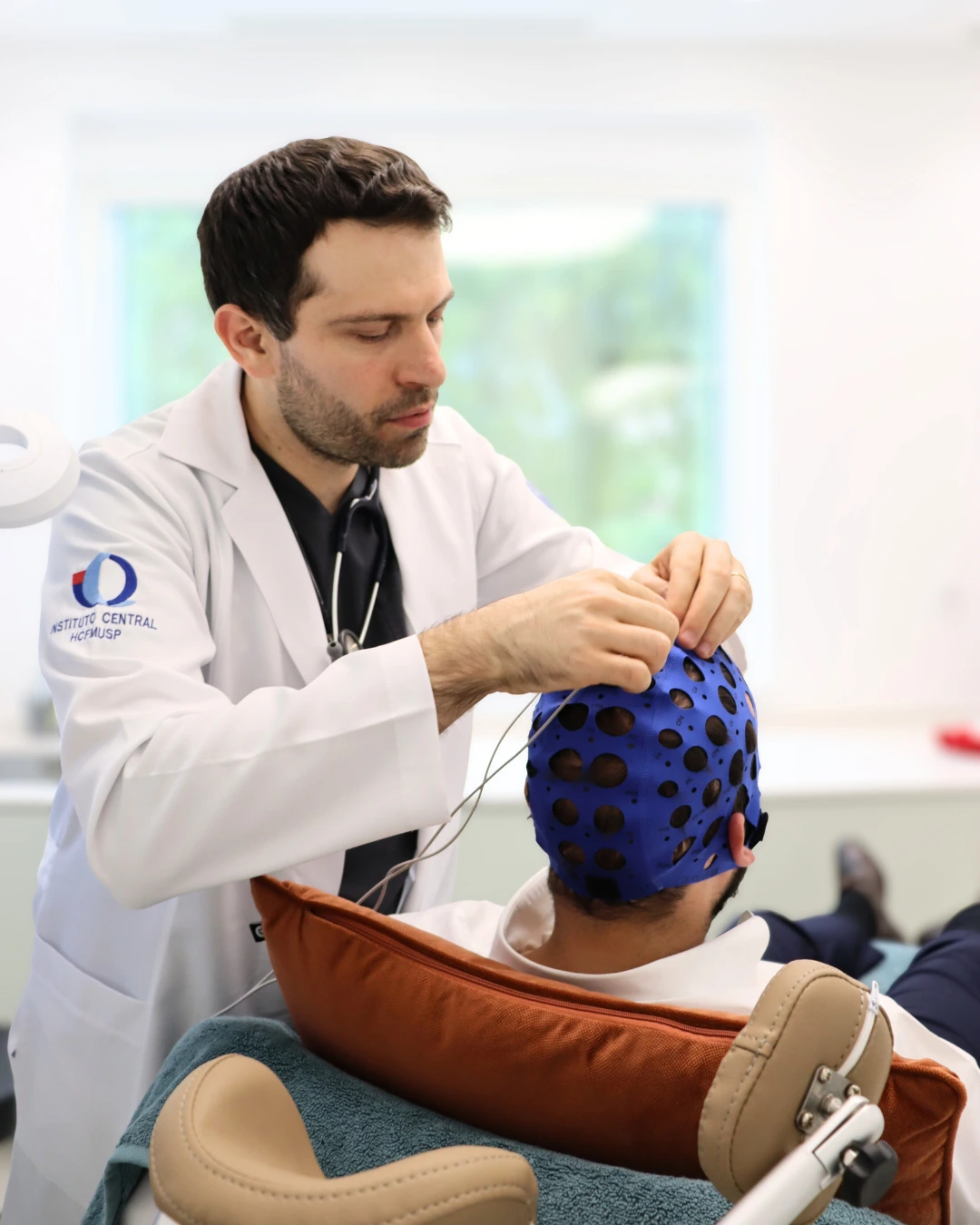
At NeuroPsyque, the approach to Tourette Syndrome and associated disorders is multidisciplinary. We combine cognitive-behavioural therapies (such as habit reversal training), pharmacological optimisation, and non-invasive neuromodulation techniques (Transcranial Magnetic Stimulation - TMS) to rebalance the activity of brain circuits, drastically reducing "premonitory urgency" and the frequency of tics.
FAQ's about Tourette Syndrome
What is the difference between transient tics and Tourette's Syndrome?
Is coprolalia (involuntary swearing) always present?
Can tics be controlled or "hidden" by the patient?
Is there an effective treatment for Tourette Syndrome and its comorbidities?
How does neuromodulation (EMT) work in Tourette's Syndrome?
Does Tourette's Syndrome disappear in adulthood?
Do I need a doctor's referral to book an appointment?