Skip to content



ANOREXIA - Treatment in Lisbon
Specialised assessment and multidisciplinary treatment of Anorexia Nervosa in Lisbon
WHAT IS ANOREXIA?
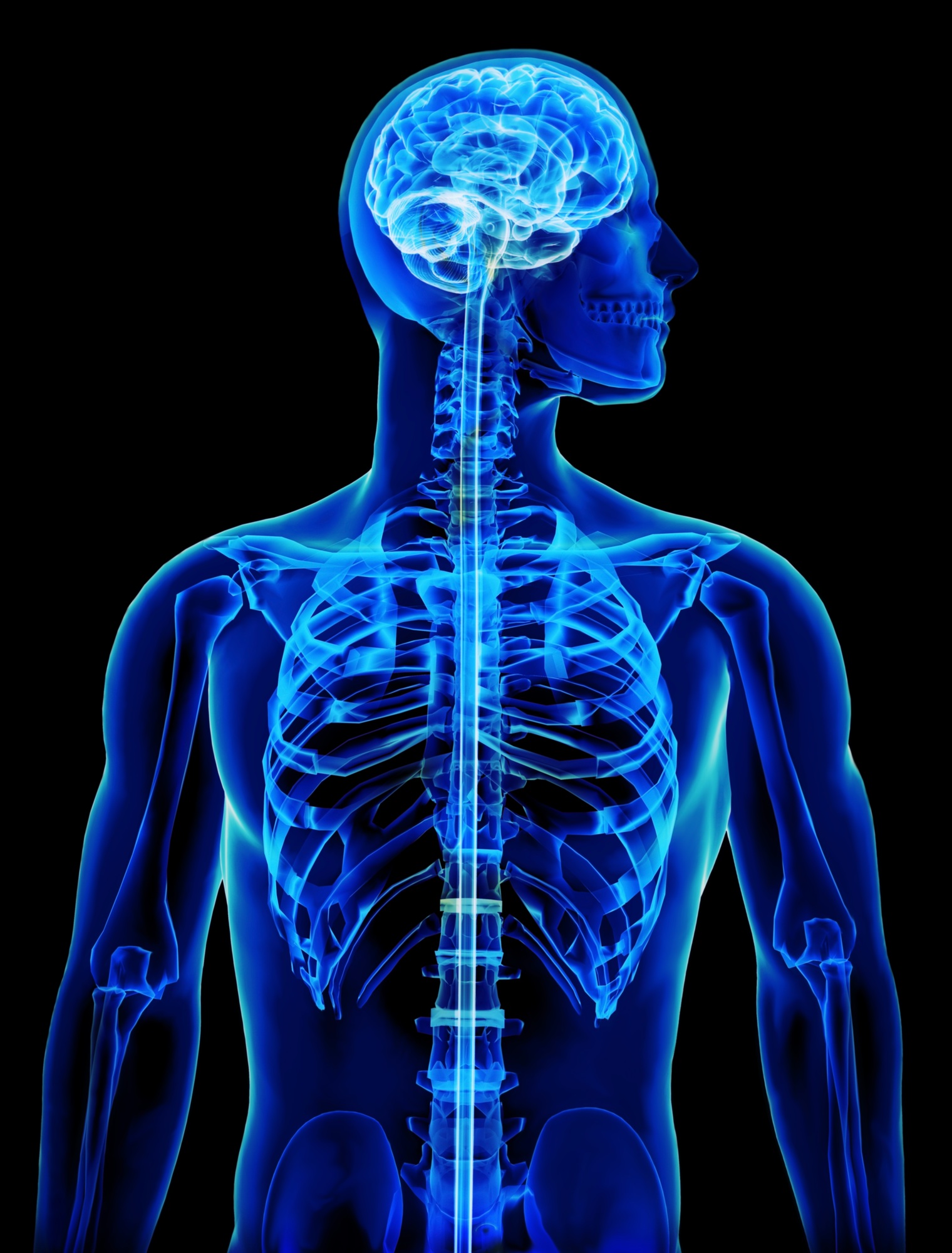
More than a question of weight or diet
Anorexia Nervosa is a serious eating and psychiatric disorder that can result in severe consequences. It is characterised by severe food restriction, an intense and pathological fear of becoming fat and a profound distortion of body image. It is not a simple "diet" or lifestyle choice; it is a complex and debilitating illness that requires medical and psychological intervention as early as possible.
Most common manifestations
- Severe Food RestrictionObsessive calorie counting, skipping meals, avoiding entire categories of food and adopting rigid table rituals.
- Body Image DistortionPeople perceive themselves as overweight, even when they are dangerously underweight or clearly malnourished.
- Compensatory BehavioursIn some cases, excessive and compulsive physical exercise, the use of laxatives, diuretics or inducing vomiting (purgative form).
- Severe Physical SymptomsExtreme weight loss, amenorrhoea in women (absence of menstruation), hair loss, chronic lethargy (no energy for simple tasks), cold intolerance and heart changes.
RISK FACTORS AND BEHAVIOURS
Biological and genetic factors
Anorexia can arise from a genetic predisposition combined with a neurobiological dysregulation of neurotransmitters, directly affecting the appetite, mood and reward centres in the brain.
BiologicalPersonality traits
There is usually a tendency towards extreme perfectionism, cognitive rigidity, a strong need for control over the environment and high levels of anxiety. In almost 100% of cases there is constant anxiety, and in many cases (>50%) there are episodes of marked panic, usually triggered by the anticipation of social or family events.
PsychologicalSocio-cultural factors
Continuous (social) media pressure around the ideal body and thinness, bullying and recurring negative comments about physical appearance. There are often reports of phrases or comments that stick in patients' memories and aggravate their fixation with aesthetics and elegance.
EnvironmentalEmotional triggers
Specific traumatic events, significant losses, complex family dynamics or life transitions that trigger the illness as a rigid control mechanism.
Triggers
Denial of the illness (anosognosia) is a very common symptom, making it difficult to seek help and requiring a great deal of family involvement. The image you see in the mirror is completely distorted from reality. This is involuntary and requires psychological work to overcome. What seems obvious to others is perceived as an attempt to reassure the patient.
EFFECTIVENESS IN TREATMENT
ANOREXIA
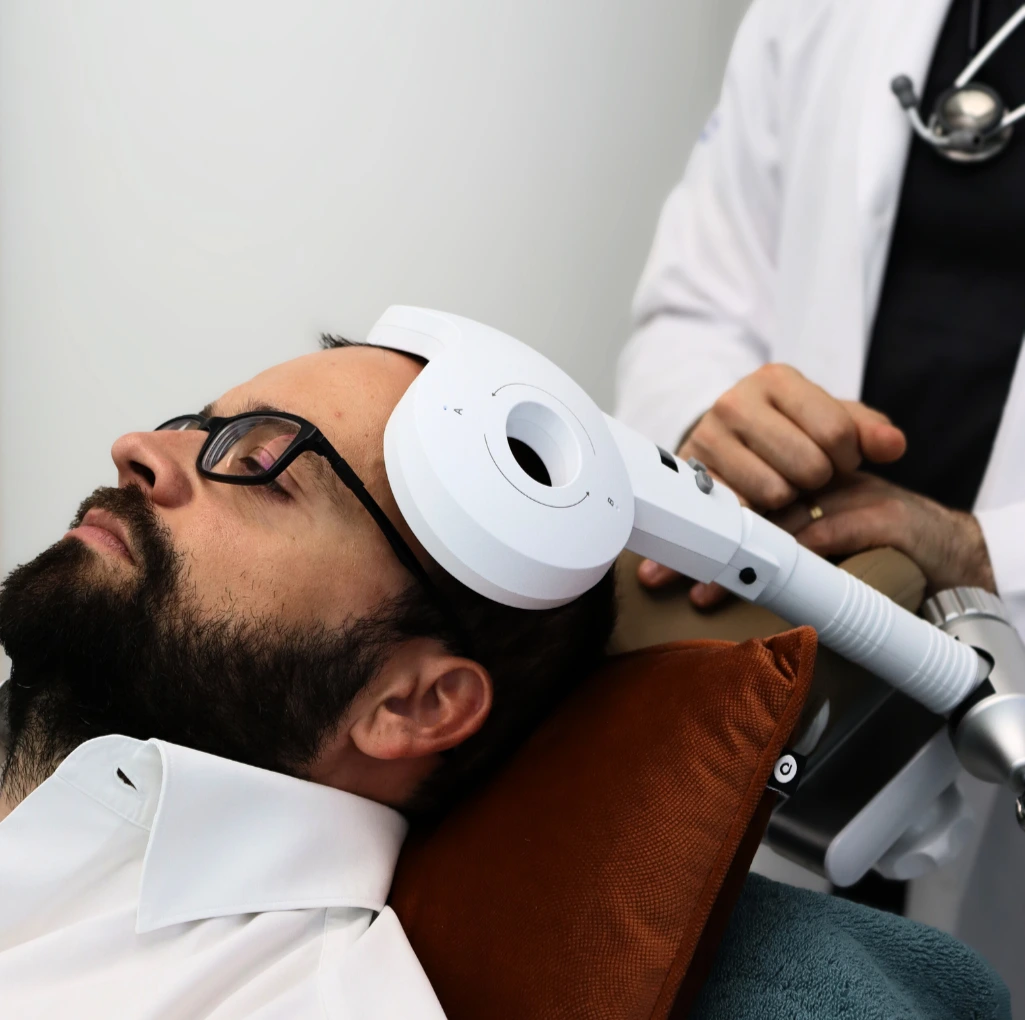
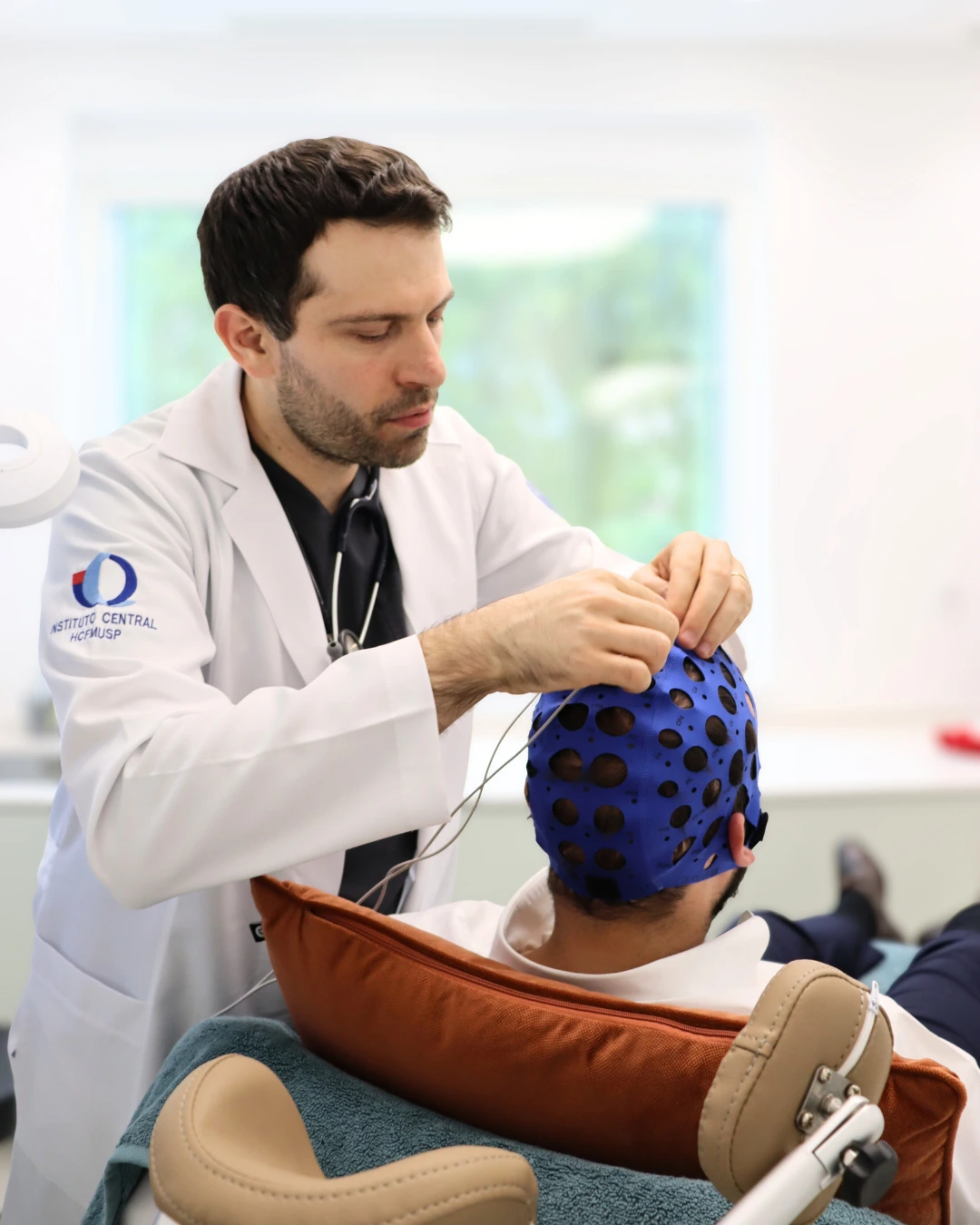
Clinical results based on neuromodulation and multidisciplinary approaches focused on daily well-being
* Full recovery requires treating the biological changes in the malnourished brain and breaking the cycles of emotional rigidity, restoring flexibility and autonomy to the patient.
Sources: clinical data, Orygen - tDCS efficacy trial in Anorexia Nervosa (ANZJP, 2023); Meta-analysis: EMT/rTMS in reducing symptoms of Anorexia (2025); NIH Studies: Family Integration (FBT) and Weight Stabilisation.




THE IMPORTANCE OF EARLY INTERVENTION
Anorexia Nervosa has one of the highest mortality rates of all psychiatric disorders. Denial of the seriousness of the illness is one of its core symptoms (anosognosia), which often leads to the sufferer refusing to seek help. The proactive role of the family and early diagnosis by a specialised team are vital for halting the progression of malnutrition and reversing the organic and brain damage, which can become permanent.
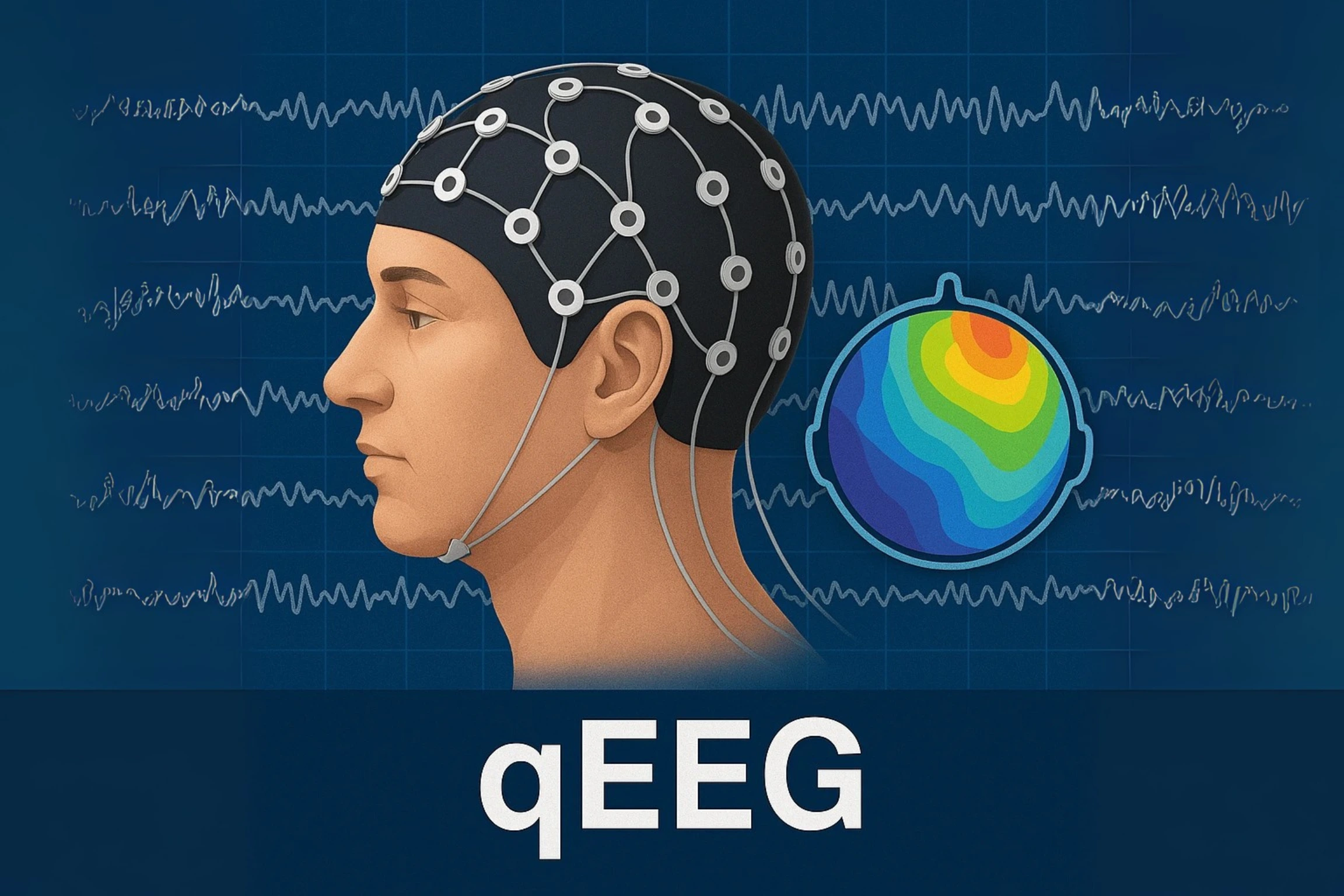
At NeuroPsyque, we recognise the complexity of treating this illness. We work with a highly qualified multidisciplinary team that includes psychiatry, psychology, neurology, neurotherapy and physiotherapy when necessary. The aim is to re-establish the body's biological balance and provide the psychological tools that are essential for a solid, but also long-lasting recovery, since the disease has a high relapse rate when treatment is insufficient.
FAQ's about Anorexia
What's the difference between wanting to lose weight and having anorexia?
My family member refuses to seek help. What should I do?
Can Anorexia Nervosa be cured?
Is psychiatric medication necessary?
Do only teenage girls suffer from anorexia?
What does therapeutic counselling consist of?
Do I need a medical referral to book an appointment at NeuroPsyque?