Dor Neuropática: o que é, causas e tratamento em Lisboa

NEUROPATHIC PAIN - Treatment in Lisbon

Specialised assessment and treatment for neuropathic pain in Lisbon

WHAT IS NEUROPATHIC PAIN?
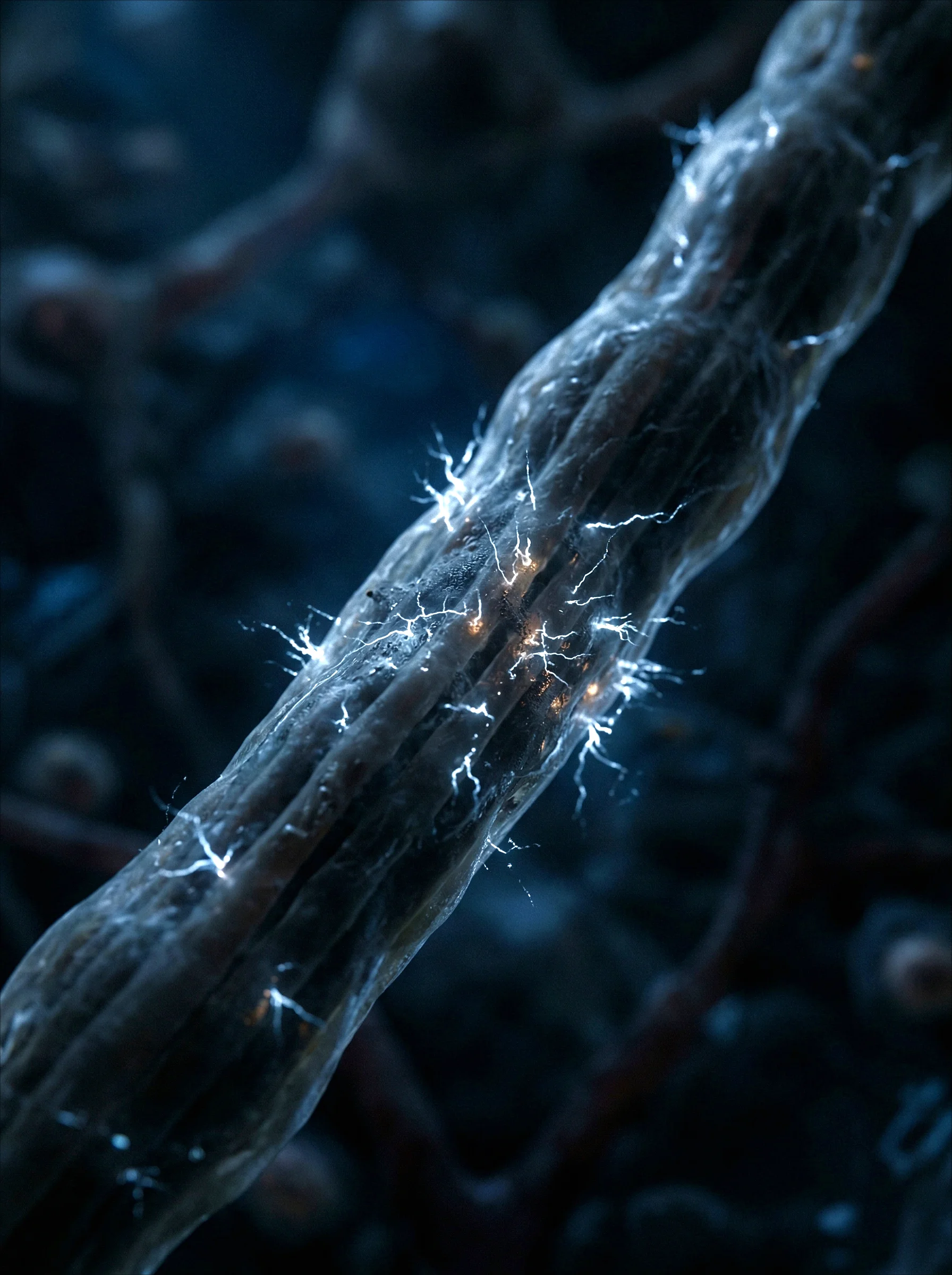
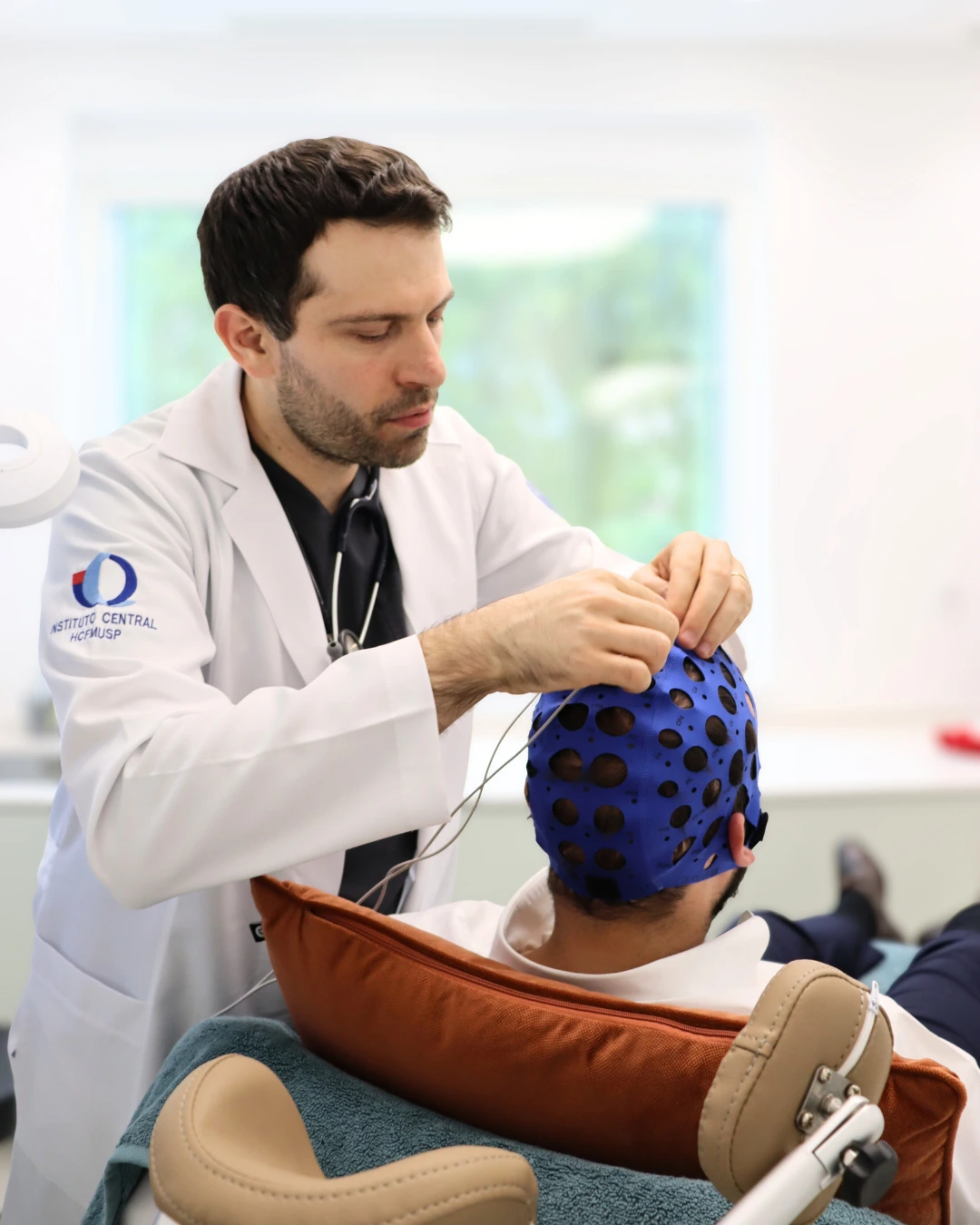
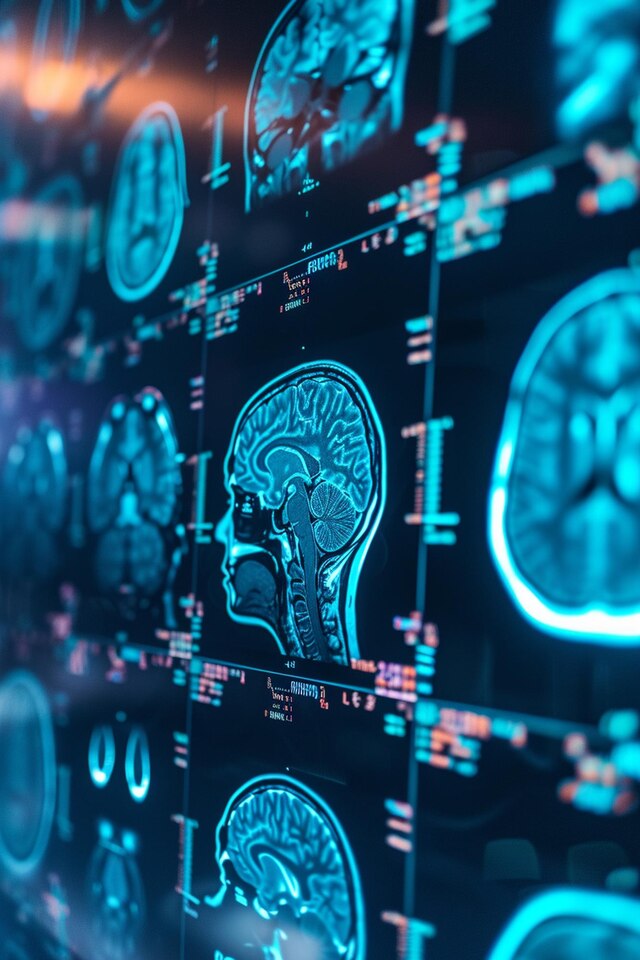
Avaliação neurológica da dor neuropática — NeuroPsyque Lisboa

Pain originating in the nervous system

Neuropathic pain results from an injury or dysfunction in the central or peripheral nervous system, and not from direct tissue damage. It is a chronic pain, often described as burning, electric shock or persistent tingling, which can arise spontaneously, without a provoking stimulus, or with a stimulus, causing a greater effect (pain) than would be expected.

Most common manifestations

  • Alodinia
    Intense pain in response to normally harmless stimuli (clothing, wind, light touch).
  • Hyperalgesia
    Exaggerated (increased) response to painful stimuli (e.g. pinch felt like a cut).
  • Spontaneous pain
    Burning sensation or shock with no apparent cause.
  • Sleep disturbance
    The intensity of nocturnal pain compromises rest, recovery and quality of life.

CAUSES AND TYPES OF NEUROPATHIC PAIN

Diabetic Neuropathy

The most common neurological complication of diabetes, with burning pain and tingling in the lower limbs.

Peripheral

Postherpetic neuralgia

Persistent pain after shingles, with intense skin hypersensitivity that can last for months or years.

Peripheral

Central Pain (Stroke / Multiple Sclerosis)

Lesions in the central nervous system cause diffuse pain that is difficult to control.

Central

Post-Surgical and Post-Traumatic Pain

Nerve damage from surgery or trauma that can appear immediately or weeks later.

Peripheral / Central
Causas da dor neuropática — sistema nervoso central e periférico

Other causes include trigeminal neuralgia, radiculopathy, carpal tunnel syndrome and chemotherapy-induced neuropathy.

EFFECTIVENESS IN TREATMENT
NEUROPATHIC PAIN

Consistent clinical results with non-invasive and personalised approaches

70%
of patients respond with significant pain reduction to high-frequency rTMS protocols on the motor cortex (M1)
40%
improvement in pain interference with sleep with optimised pharmacological treatment (gabapentinoids)
38
studies confirm that active rTMS is superior to placebo, with an effect size of -0.66 (p<0.001)
50%
of patients achieve clinically significant relief with a combined multidisciplinary approach

* Data based on published clinical studies. Individual results may vary.

Sources: clinical data, meta-analysis of 38 studies of rTMS in neuropathic pain - effect size -0.66, p<0.001 (PubMed/Cochrane Library, until 2021); improvement in sleep interference with gabapentinoids in chronic pain, 40% improvement (NIH/PubMed, 2024); efficacy of first-line treatments in neuropathic pain - 33-50% response (IASP; NIH/PubMed, systematic reviews); Pain Physician Journal - high-frequency rTMS in 25 studies, 589 patients (ISSN 2150-1149).
TECHNOLOGY AND THE THERAPEUTIC ENVIRONMENT

Neuroimagem
Estimulação Magnética Transcraniana
tDCS
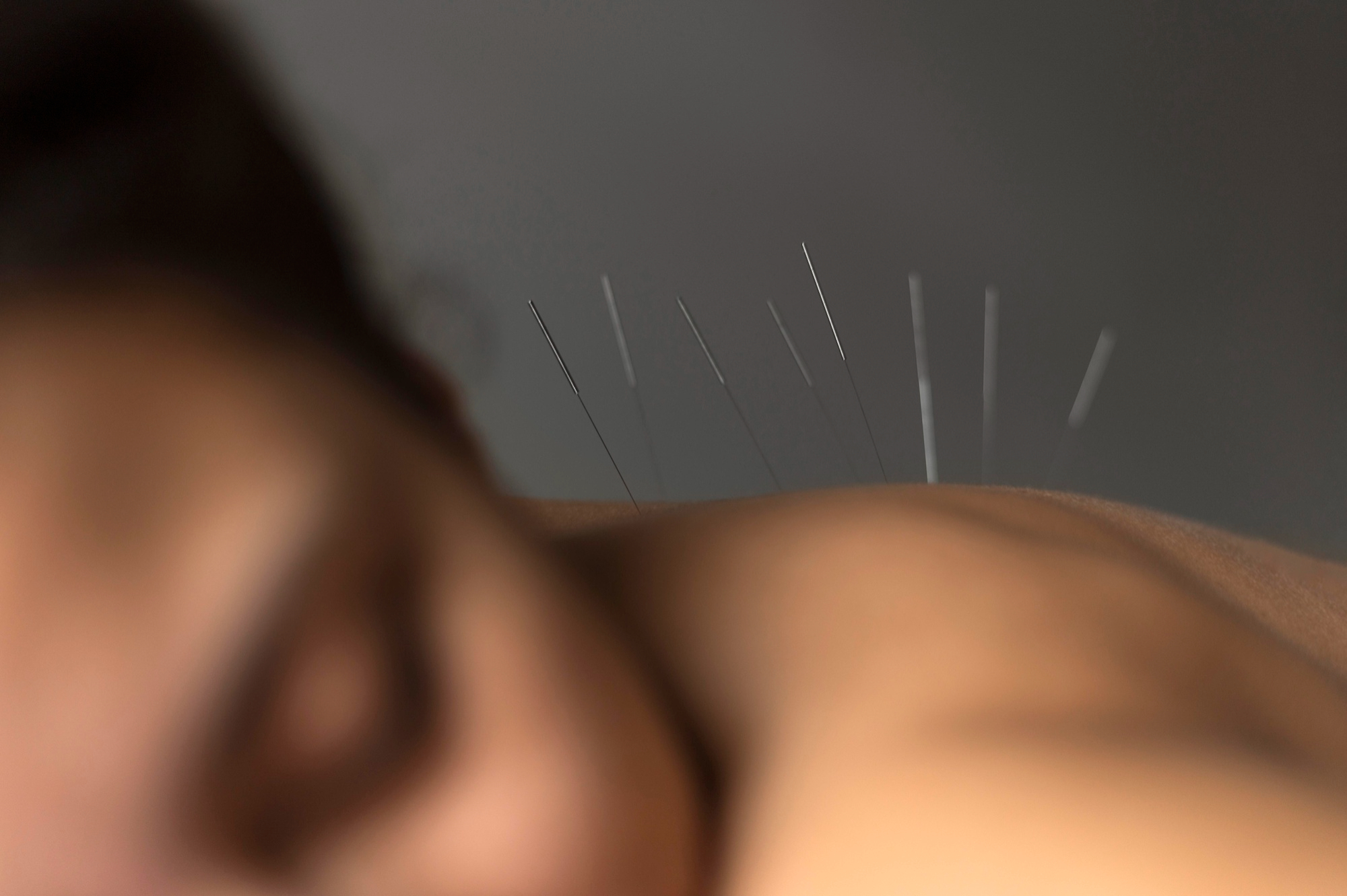
Acupuntura
tDCS - Estimulação Eléctrica Transcraniana
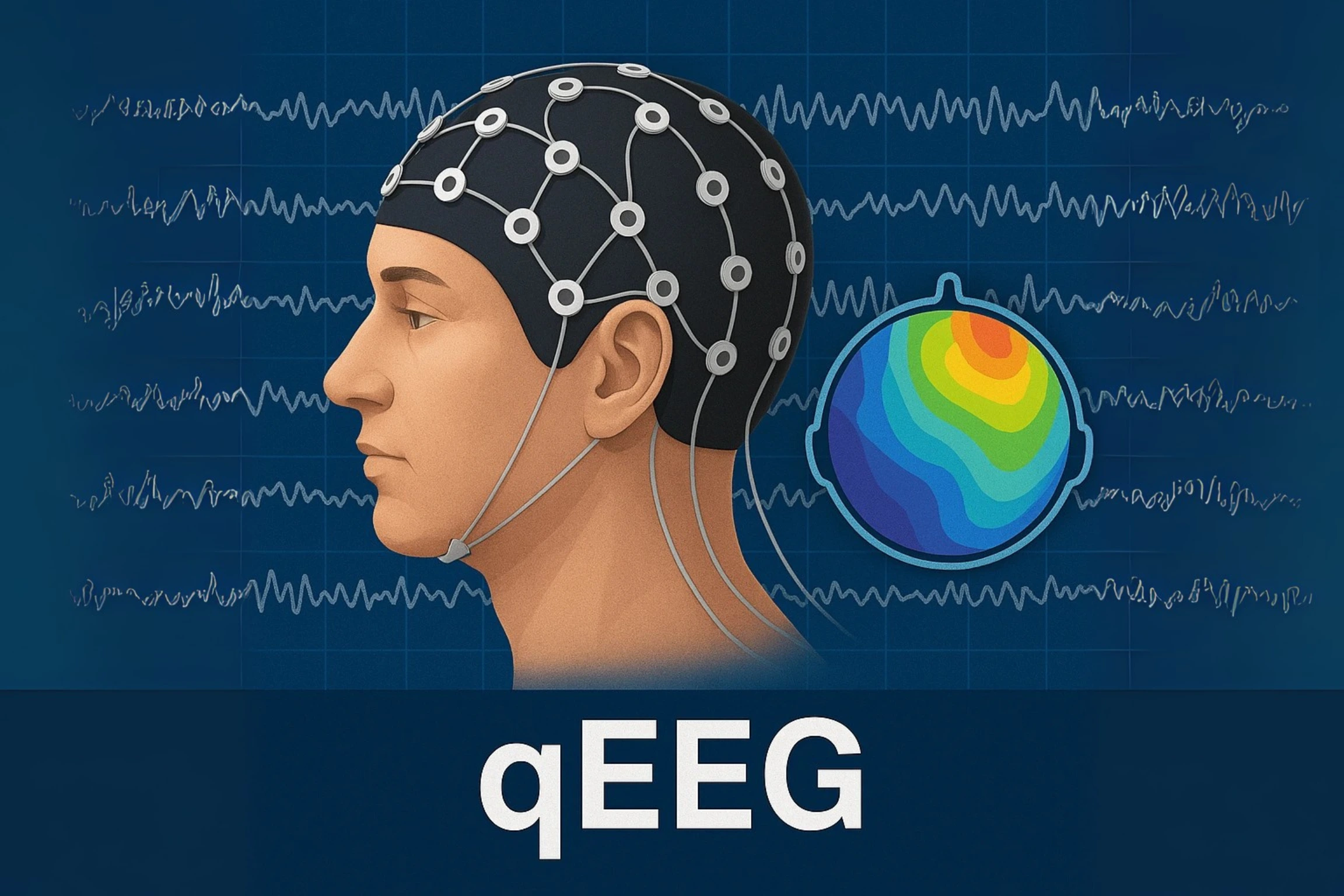
qEEG
Clínica Lisboa
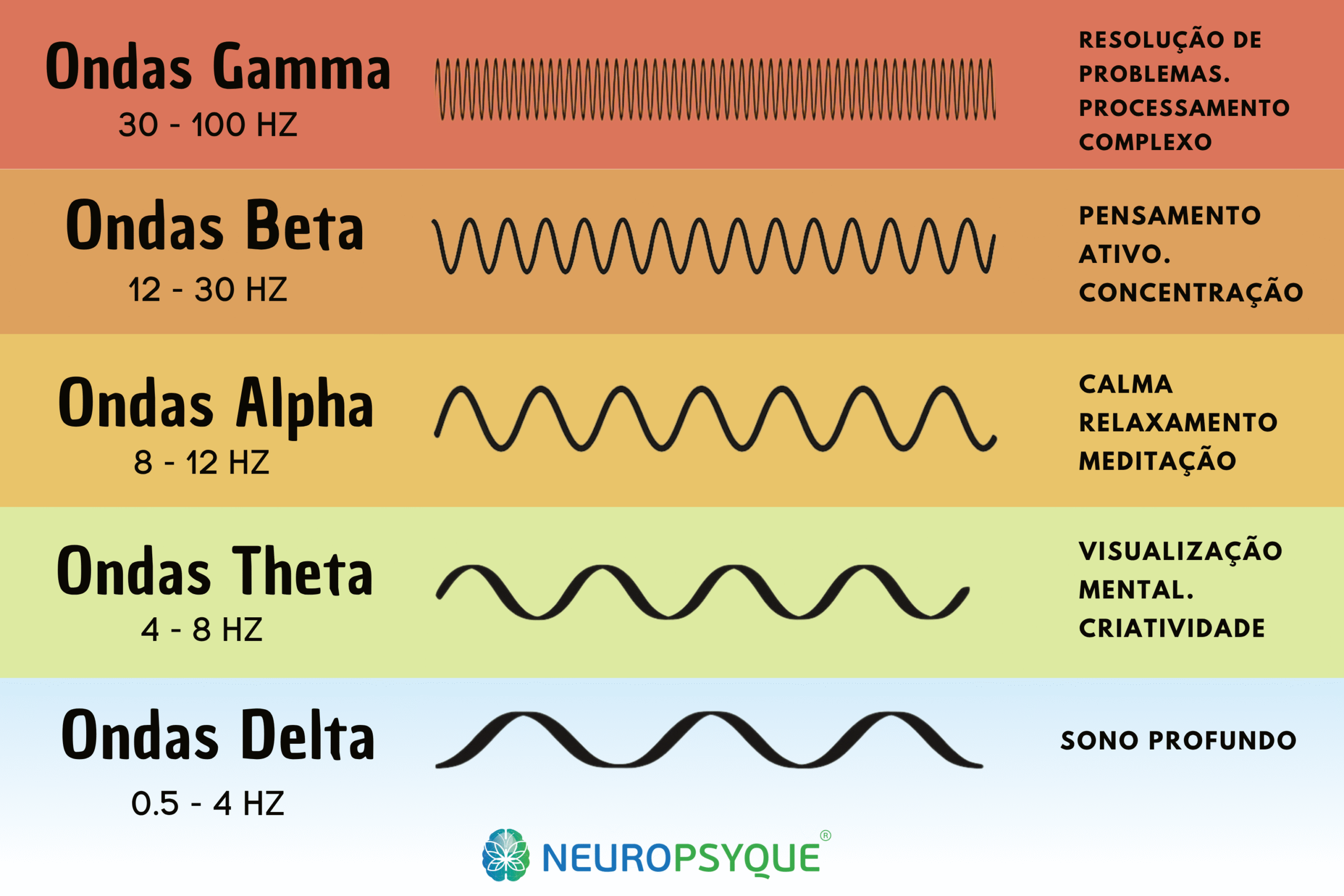
Ondas Cerebrais
Fisiologia
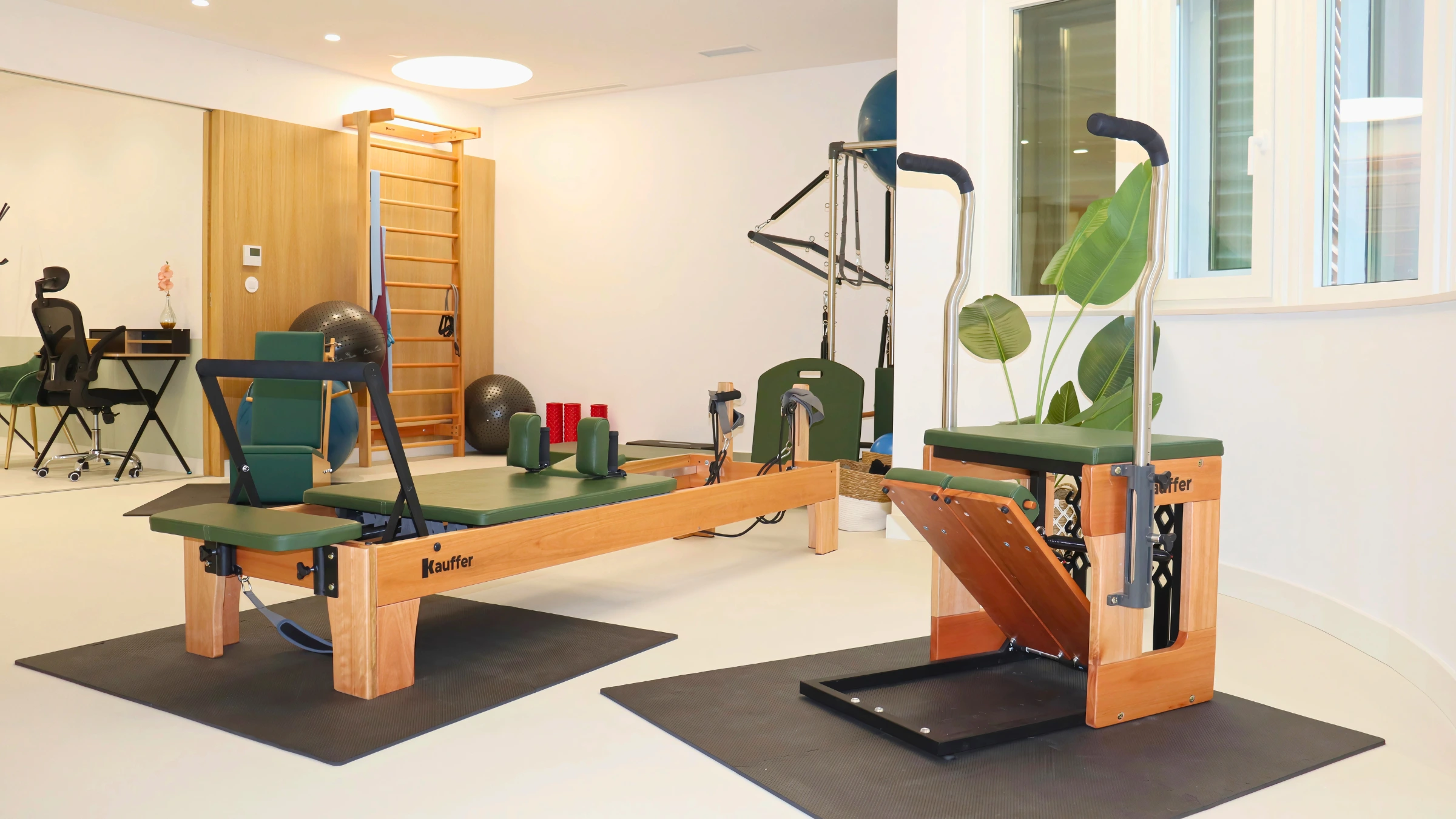
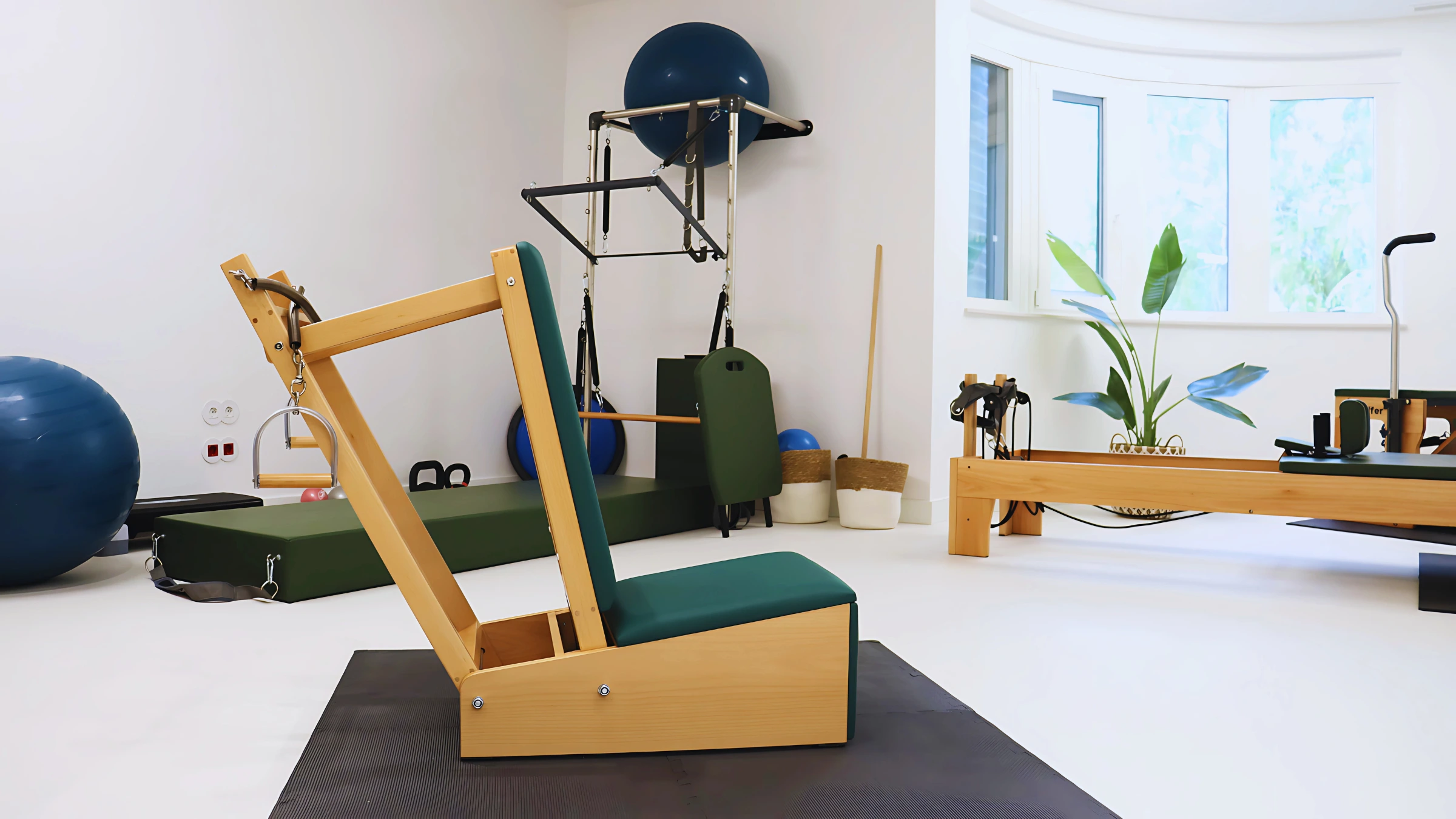
Sala Fisioterapia
Espaço Movimento e Saúde

IMPORTANCE OF SPECIALISED CONSULTATION

Neuropathic pain is often underdiagnosed and undertreated - many patients wait years before receiving a correct diagnosis. A specialised neurological assessment is the essential first step: it allows the underlying cause to be identified, the extent of nerve involvement to be assessed and a personalised therapeutic plan to be designed.

💡 The earlier the intervention, the greater the chances of reversing or controlling the pain on a sustained basis.

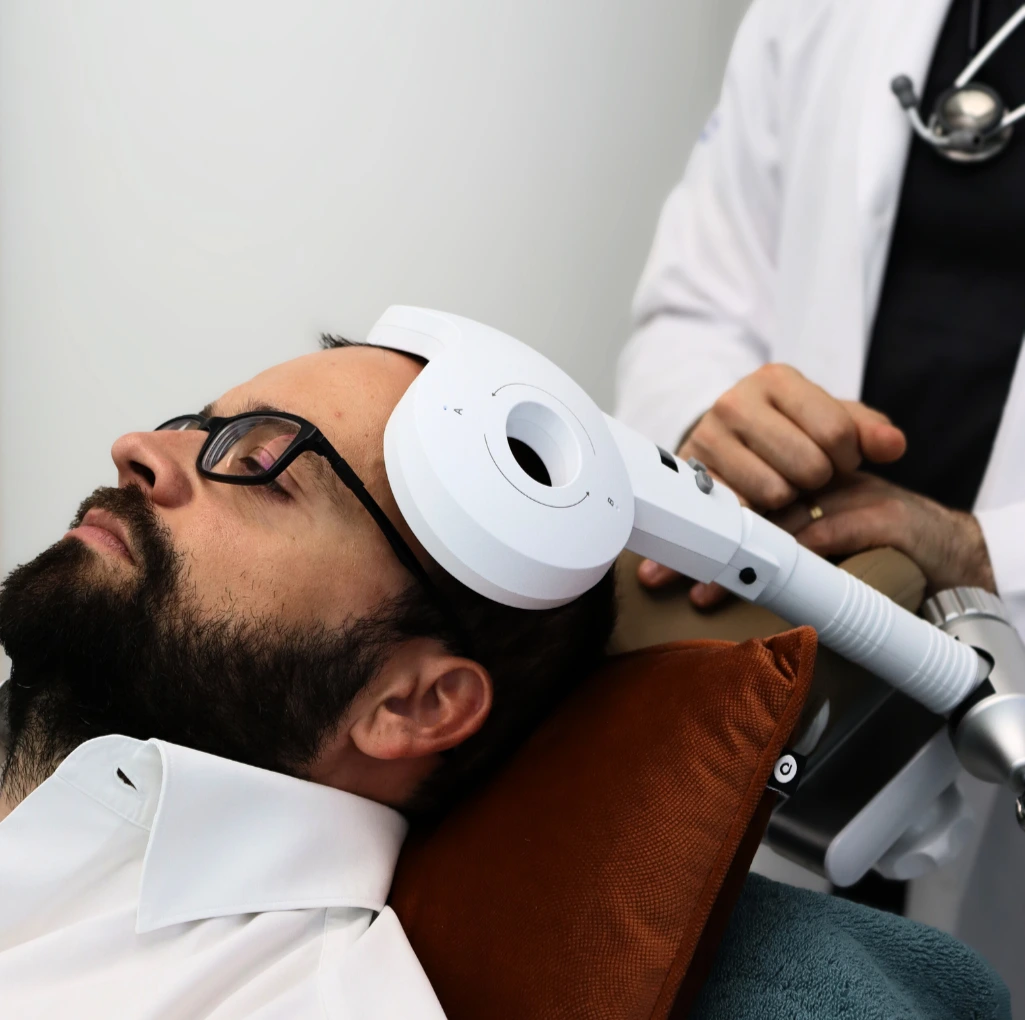
At NeuroPsyque, the neuropathic pain consultation includes a detailed anamnesis, neurophysiological tests and access to reference treatments such as Transcranial Magnetic Stimulation (TMS) and Transcranial Direct Current Stimulation (tDCS/ tDCS). Our aim is to restore real quality of life - with clinical rigour and close monitoring.

Frequently Asked Questions

FAQ's on Neuropathic Pain

What should I expect at the first assessment appointment?
The first consultation includes a detailed assessment of your medical history, characterisation of your symptoms (location, intensity, type of pain) and a full neurological examination. The doctor may order complementary neurophysiological tests to confirm the diagnosis and identify the underlying cause.
Can neuropathic pain be cured?
It depends on the cause. In some cases - such as post-surgical neuropathy or nerve compression - it is possible to achieve complete resolution. In other cases of a chronic nature, the aim is sustained pain control and recovery of quality of life. With the right treatment, most patients experience significant improvements.
What is the difference between central and peripheral neuropathic pain?
Central neuropathic pain results from lesions in the brain or spinal cord (such as after a stroke, multiple sclerosis or spinal cord injury) and tends to be more diffuse and difficult to treat. Peripheral pain originates in nerves outside the central nervous system (such as diabetic neuropathy, post-herpetic neuralgia or radiculopathy) and has a more defined anatomical distribution, following specific pathways.
How do you distinguish neuropathic pain from other types of pain?
Neuropathic pain has specific characteristics that distinguish it from musculoskeletal pain: types of burning, electric shock or tingling; distribution along nerve pathways; presence of allodynia (pain to light touch or cold); poor response to anti-inflammatory drugs; and association with sensory deficits such as hypoaesthesia (loss of sensation) or paresthesia (numbness). The DN4 clinical instrument is often used in diagnostic screening to identify these characteristics.
Are EMT and tDCS (tDCS) safe treatments for neuropathic pain?
Yes, absolutely. A Transcranial Magnetic Stimulation and Transcranial Direct Current Stimulation are non-invasive neuromodulation procedures, without surgery or additional medication, well tolerated and with solid scientific evidence for the treatment of chronic pain. They are carried out at NeuroPsyque in a personalised and safe way, combined with the specialised physiotherapy, if necessary.
How soon do you start to feel the results of neuromodulation?
It varies depending on the case and the therapeutic approach. With EMT, some patients report relief in the first few weeks. In an integrated multidisciplinary approach, the results tend to stabilise and consolidate over time.
Can these treatments replace medication?
In many cases, neuromodulation therapies such as EMT make it possible to reduce the dose of analgesic or anticonvulsant medication, minimising side effects. The decision is always made by the doctor depending on the clinical evolution of each patient - never abandon medication without medical advice.
Do I need a doctor's referral to book an appointment?
No, it's not necessary. You can book your assessment appointment directly (Neurology) at NeuroPsyque. If you have health insurance, we recommend that you check the conditions of your policy, as some insurers may require a referral from your family doctor.
Does NeuroPsyque treat neuropathic pain associated with other conditions (diabetes, multiple sclerosis, spinal cord injury)?
Yes. Neuropathic pain often arises as a complication of other nervous system pathologies. Our multidisciplinary approach allows us to treat the pain at the same time as the underlying condition, with treatment plans adapted to each situation. Contact us to clarify your specific case.