

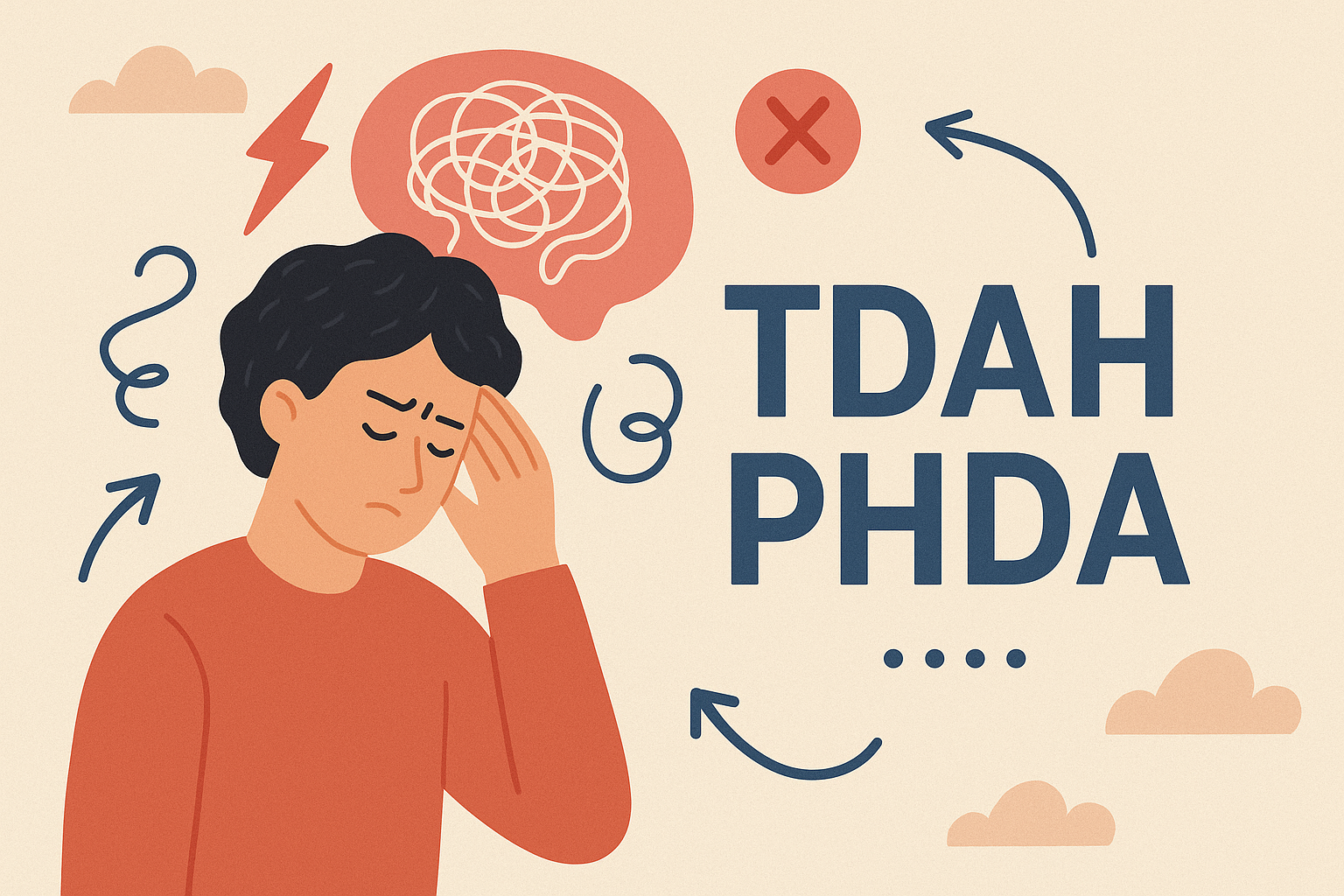
O ADHD (Attention Deficit Hyperactivity Disorder) affects 5-7% of Portuguese people. It is considered one of the disorders of the mind with the fewest diagnoses compared to its estimated prevalence. But is it just a question of "lack of concentration"?
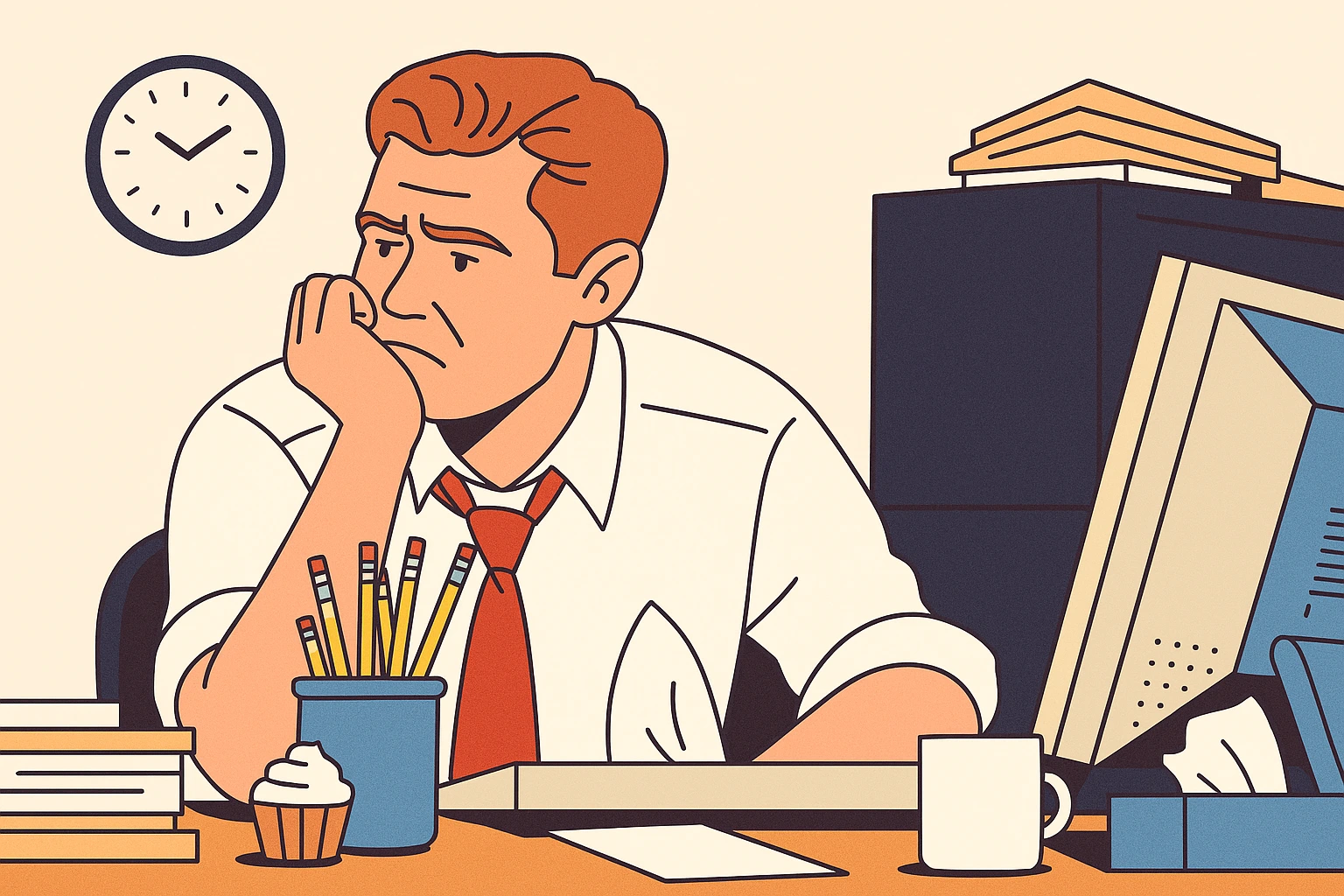
It's like sitting in a work meeting and your mind starts to ramble for ten different things, while everyone else seems perfectly focused on what is being discussed.
It's making endless to-do lists and then execute without any thought out sequence. It's having brilliant ideas at 2am but completely forget about them in the morning. It's hearing for the thousandth time "if you tried harder", "if you were more organised", "if you paid more attention" - as if I hadn't tried it a thousand times before.
For those with ADHD, it's not laziness, lack of will or immaturity. It's living as if the world is incompatible with the way their mind works.
What is ADHD?
O Attention Deficit Hyperactivity Disorder (ADHD) is a neurobiological condition of neurodevelopment that affects the ability to concentrate, control impulses and regulate motor activity. It is one of the most common conditions in childhood and adolescence and often persists into adulthood.
Contrary to what many people think, ADHD is not the result of "bad manners", laziness or lack of discipline. It is a real condition with a neurobiological basis, characterised by differences in the functioning of specific areas of the brain responsible for attention, executive control and behavioural regulation.
Recognition in Portugal
In Portugal, ADHD is officially recognised as Attention Deficit Hyperactivity Disorder (ADHD). However, there is a significant gap in national epidemiological data, with many cases remaining underdiagnosed, especially in adults.
International studies indicate that worldwide prevalence ranges from 5-7% in school-age children, with approximately half maintain significant symptoms into adulthood - data similar to Portuguese data.
Important Note:ADHD is not a "modern disease" or the result of too much technology. It's a condition that has always existed, but which we now understand better.
Difference between ADHD and "lack of attention"
To truly understand ADHD, it's essential to realise exactly how it differs from mere inattention:
| Character. | Lack of attention | ADHD |
| Cause | Disinterest | Neurobiological changes |
| Frequency | Occasional | Part of the personality |
| Context | Associated with lack of interest | Multiple environments |
| Control | With effort | Difficult |
| Duration | Temporary | Constant |
Most common symptoms of ADHD
ADHD presents itself through two main groups of symptomseach with specific manifestations that affect different areas of life.
Symptoms of Inattention
These symptoms are frequent and consecutive, and include:
- Difficulty maintaining attention: Not being able to concentrate on tasks, especially those you find monotonous or repetitive
- Mistakes due to carelessness: Failure to pay attention to important details
- Listening without hearing: Mind wanders even when someone speaks directly
- Not finishing tasks: Starting many things but finding it difficult to finish
- Difficulties with organisation: Problems managing time, priorities and materials
- Reduced short and medium term memory: Losing objects, forgetting to return calls, forgetting messages, messages, appointments...
Symptoms of Hyperactivity and Impulsivity
Hyperactivity (over-excitability of the neuromuscular system) and impulsivity (unconsidered actions) manifest themselves differently according to age, but always with a significant impact on daily functioning.
Hyperactivity:
- Restlessness
- Inability to relax
- Excessive speech
Impulsiveness:
- Precipitated responses and reactions
- Impatience
- Acts not thought through
Variations by Age
Children (6-12 years): Obvious motor hyperactivity, school difficulties, physical and emotional lack of control
Teenagers (13-17 years old): Hyperactivity decreases, but internal restlessness remains. Social impulsiveness, hasty decisions, consecutive delays to appointments
Adults (18+ years): Internal restlessness, difficulties with the organisation, professional problems, unstable relationships
Important Note:Symptoms must be present in at least two different contexts (home, school, work) and cause significant impairment in daily functioning.
Types of ADHD
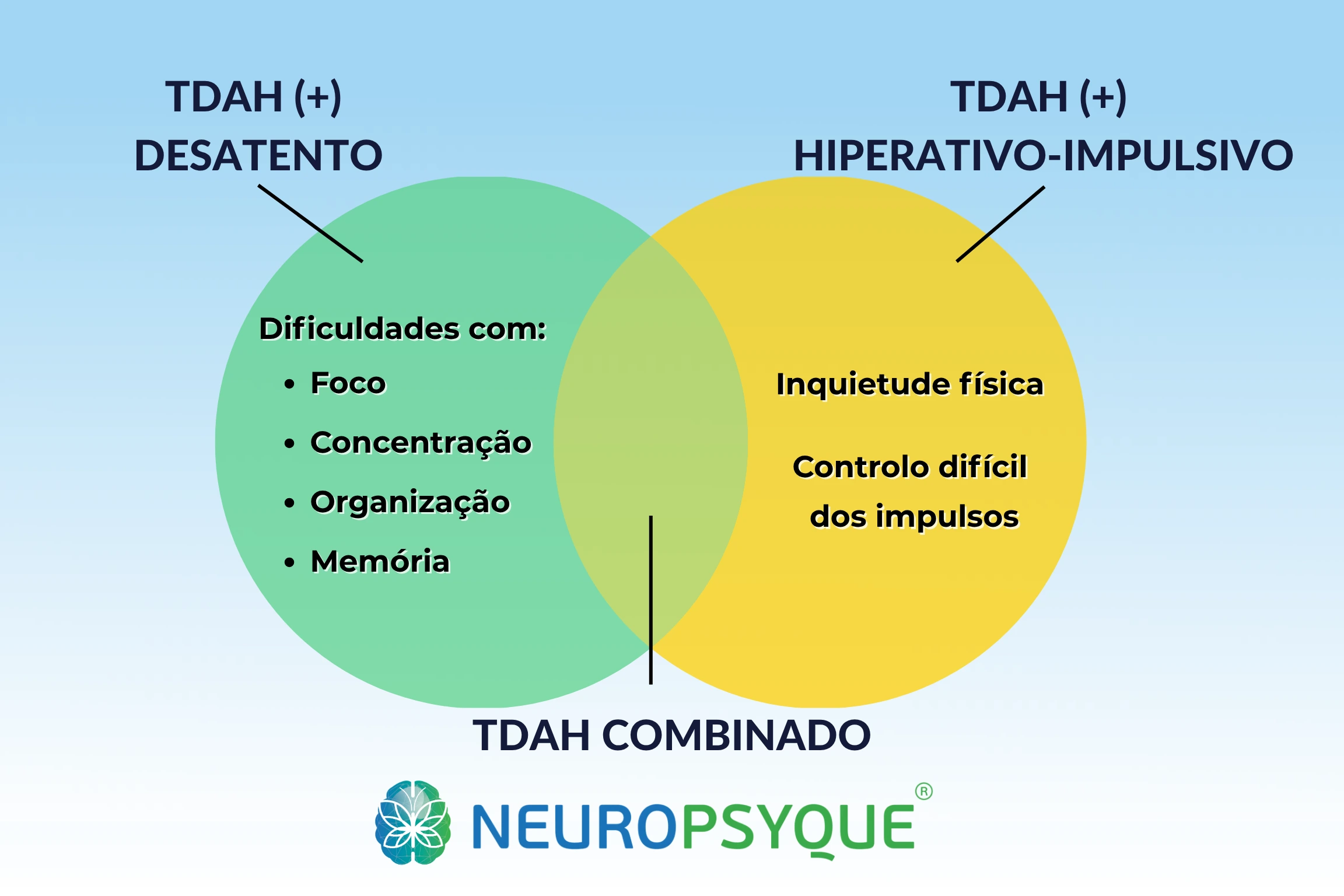
ADHD is classified by the DSM-5-TR into 3 types:
Predominantly Inattentive ADHD
- Difficulties with focus, concentration, organisation and memory.
Predominantly Hyperactive-Impulsive ADHD
- Physical restlessness and difficulty controlling impulses.
Combined ADHD
- This is the most common manifestation, where symptoms of both inattention and hyperactivity-impulsivity are significantly present.
Causes and risk factors
ADHD results from a complex interaction between genetic factors, neurobiological e environmental. There is no single cause, but rather multiple factors that contribute to its development.
Genetic factors
Research shows that ADHD has a strong hereditary componentstudies indicate a heritability of approximately 74%. This means that if one of the parents has ADHD, there is a significantly greater chance that their children will also develop the condition.
Family studies show:
- Risk 2-8 times higher in first-degree relatives
- 70-80% concordance in identical twins
- Multiple genes involved (there is no "ADHD gene")
Neurobiological factors
ADHD is associated with differences in the functioning of neurotransmitter systems in particular:
- Dopamine: Neurotransmitter crucial for motivation, reward and executive control
- Noradrenaline: Important in focusing, monitoring and regulating behaviour
These changes mainly affect brain areas such as the prefrontal cortex, which is responsible for decision-making and executive functions.
Environmental factors
Although less decisive than genetic factors, some environmental factors can increase the risk:
During pregnancy:
- Exposure to tobacco or alcohol
- Maternal stress
- Complications during labour
In childhood:
- Negative reinforcement stimuli (family environment...)
- Exposure to toxins (lead, pesticides)
- Head trauma
- Serious infections
Prevalence of factors
- Gender: More common in boys (3:1 in childhood) - this difference decreases in adulthood
- Family history: Relatives with ADHD, depression or anxiety
- Social adversity: Poverty, family dysfunction, trauma
Important Note:ADHD is not caused in isolation by "bad parenting", too much sugar, or the use of electronic devices. These are mistaken beliefs that only increase the stigma.
Diagnosing ADHD
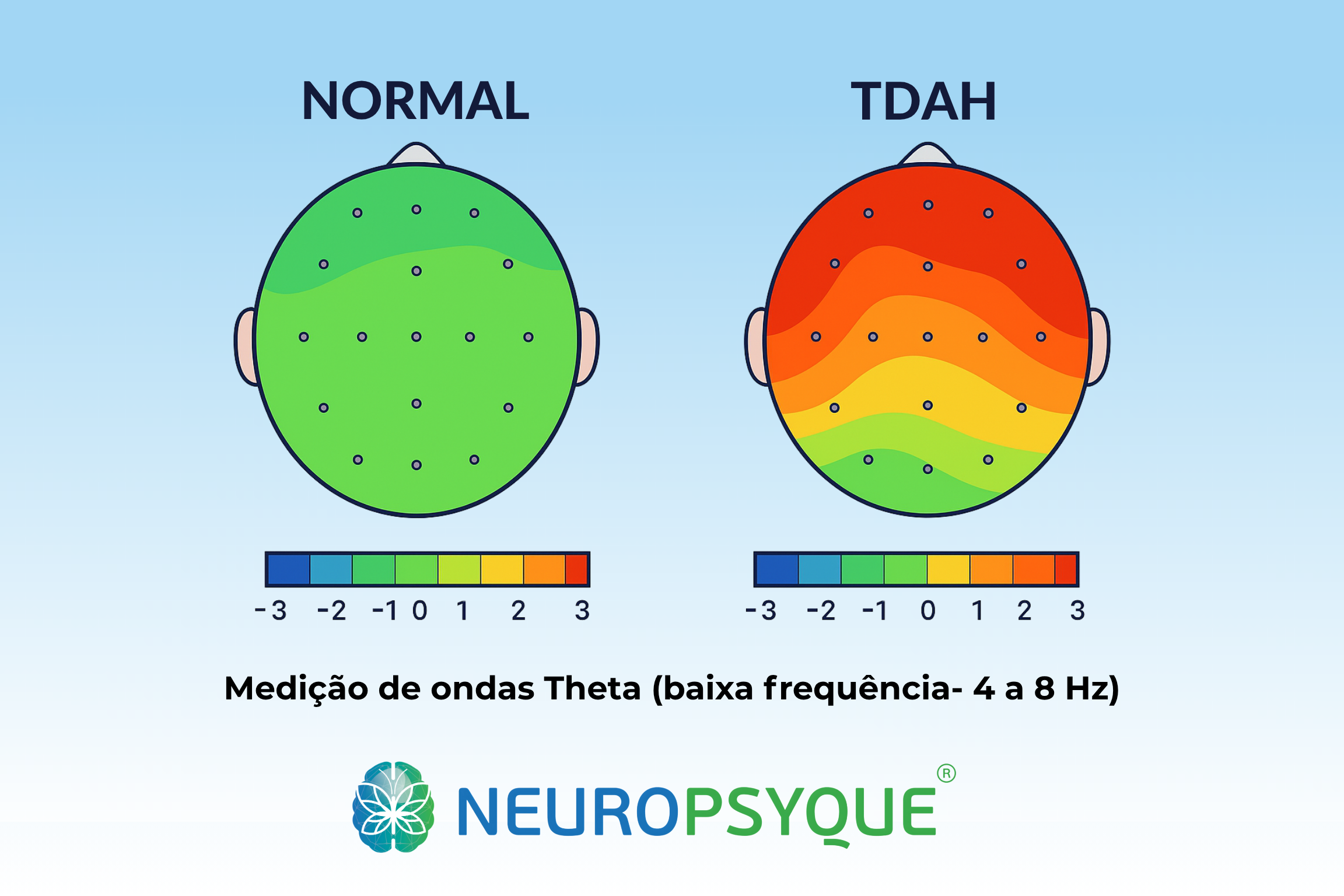
The diagnosis of ADHD is exclusively clinical, based on a detailed assessment of symptoms and their functional impact. There are no laboratory or imaging tests that confirm diagnosis - even so, they can be a important resource for establishing patterns in brain activity.
DSM-5-TR Diagnostic Criteria
The diagnosis follows five main criteria:
- Criterion A: Persistent pattern of inattention and/or hyperactivity-impulsivity that interferes with functioning or development.
- Criterion B: Various symptoms present before the age of 12.
- Criterion C: Symptoms present in two or more contexts (home, school, work).
- Criterion D: Clear evidence that the symptoms interfere in social, academic or professional functioning.
- Criterion E: Symptoms not explained by another behavioural disorder.
Differences by Age
Children and teenagers up to 16 years old:
- Needed 6 or more symptoms inattention OR hyperactivity-impulsivity
- Symptoms present for at least 6 months
Teenagers (17+) and adults:
- Needed 5 or more symptoms inattention OR hyperactivity-impulsivity
- Greater flexibility in retrospective evaluation (of the past)
Diagnostic Process
Detailed clinical assessment:
- Structured patient interview
- Gathering information from multiple sources (parents, teachers, spouse)
- Complete developmental history
- Functional impact assessment
Scales and questionnaires:
- Behavioural rating scales
- Self-report questionnaires
- Teacher/carer evaluation
Differential diagnosis:
- Exclusion of other medical conditions
- Consideration of temporary environmental factors
Impact of ADHD on daily life
ADHD isn't just a "difficulty concentrating" - it's a condition that profoundly affects multiple dimensions of life, from childhood to adulthood.
Academic and Professional
At school:
- Academic and school performance below potential
- Difficulties completing assignments
- Behaviour problems in the classroom
- Higher risk of dropping out of school
At work:
- Organisational difficulties
- Time management problems
- More absences
- Unrealised potential
Social and Family Relations
Social relationships:
- Potential difficulty in maintaining friendships
- Misunderstandings due to impulsive behaviour
- Social isolation
- Self-esteem problems
Family life:
- Marital tensions
- Parental difficulties
- Family conflicts
- Increased stress
Mental Health and Well-being
Frequent comorbidities:
- Anxiety (25-50% of cases)
- Depression (15-30% of cases)
- Mood disorders
- Sleep problems
Psychological impact:
- Low self-esteem
- Feelings of inadequacy
- Chronic frustration
- Accumulated emotional trauma
Important Note:The impact of ADHD is real and significant, but with proper treatment a full and productive life is possible.
How is ADHD treated?
The treatment of ADHD requires a multidisciplinary and personalised approach, combining different therapeutic strategies to maximise results and minimise the impact on daily life.
Integrated Approach
Treatment can be combined:
- Pharmacological interventions
- Specialised psychotherapy
- Neurotherapy
- Psychoeducational interventions
- Family, school and professional support
Neurotherapy
Neurotherapy represents one of the most promising approaches to treating ADHD, offering an effective and safe alternative to conventional treatments.
Transcranial Magnetic Stimulation (TMS)
EMT modulates the activity of specific brain areas related to attention and executive control. Studies have shown significant efficacy in reducing symptoms of inattention and improving cognitive functions.
Advantages of EMT:
- No significant side effects
- Non-invasive and painless
- Effective in medication-resistant cases
- Improves specific cognitive functions
Neurofeedback
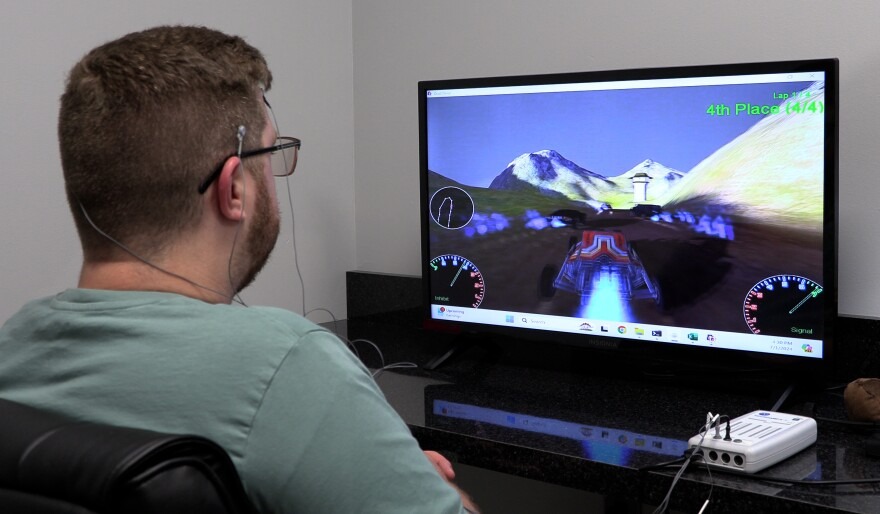
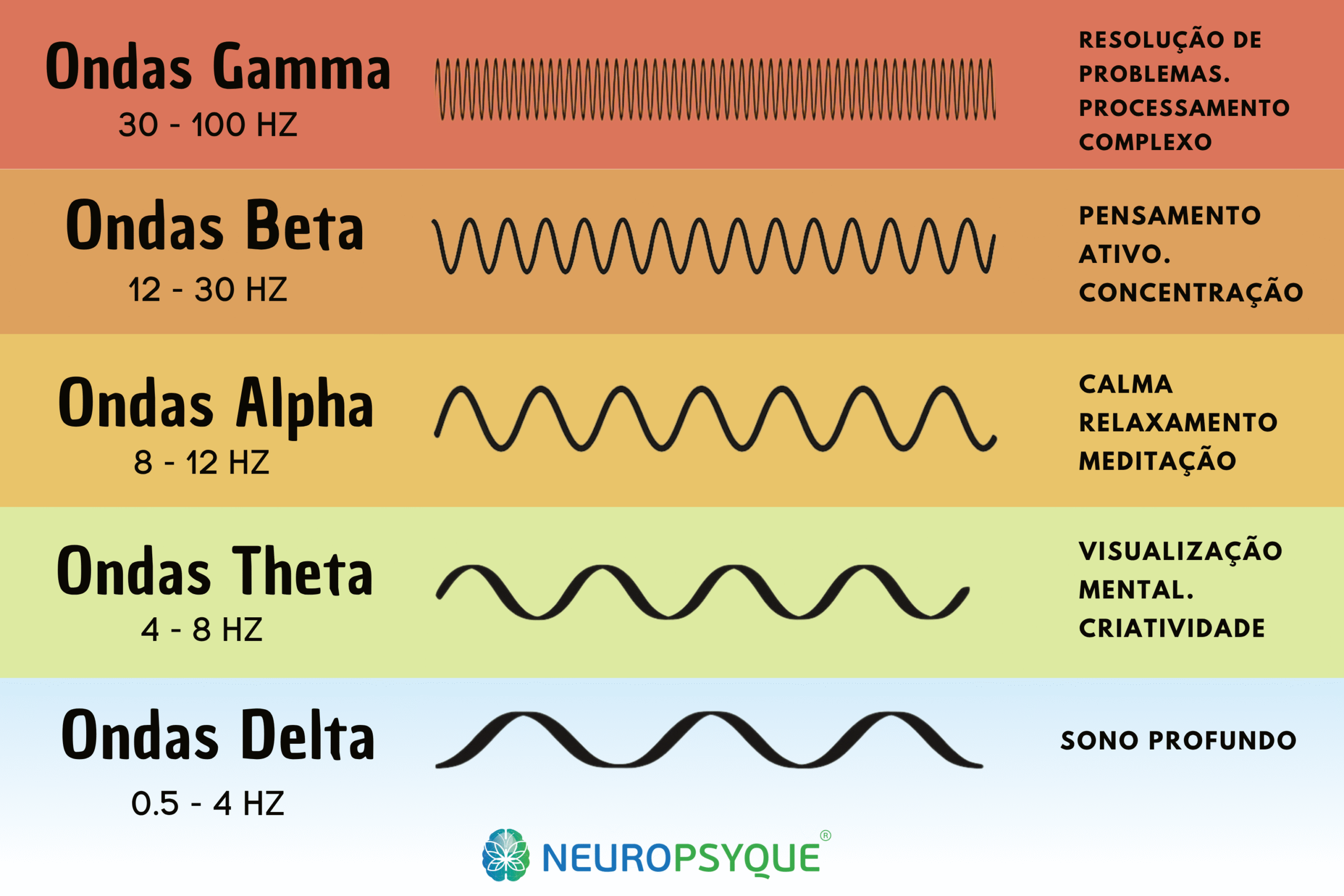
A technique that trains the brain to self-regulate, improving the ability to concentrate and control impulses through real-time feedback on brain activity.
- Placing sensors in the areas of the brain you want to train
- Brainwave recording
- Start of stimulating, dopaminergic activity
- When the brain produces the desired patterns, the patient receives positive reinforcement
- After a few sessions, the brain begins to adapt its behaviour
- The new operating standards apply to other environments, such as work or relaxation
Transcranial Direct Current Stimulation (tDCS)
A very useful complementary technique in some cases. tDCS modulates neuronal excitability, making the brain more prone to plasticity and enhancing the effects of other therapies.
Pharmacological treatment
Stimulants:
- Methylphenidate (Ritalin, Concerta)
- Amphetamines
Non-stimulating:
- Atomoxetine
- Antidepressants
Monitoring:
- Regular medical follow-up
- Evaluation of efficacy and side effects
- Adjust dosage as required
Specialised Psychotherapy
Cognitive Behavioural Therapy (CBT):
- Developing organisational strategies
- Time management techniques
- Impulse control
- Improved self-esteem
Family therapy:
- ADHD education
- Improved family communication
- Support strategies
- Reducing conflicts
Psychoeducational interventions:
- School adaptations
- Teacher training
- Individualised education plans
- Specialised academic support
At NeuroPsyqueWe offer a truly integrated approach, combining state-of-the-art neurotherapy with specialised neurological and neuropsychological support. Our aim is to provide the best possible expectation of improvement, using the most advanced therapeutic techniques available.

When to seek professional help
It's essential to seek specialised assessment when symptoms start to significantly interfere with daily functioning. Don't just wait for the problems to resolve themselves.
Warning signs
If some of the signs shown in this article sound familiar to you, and you've identified various symptoms, diagnostic criteria and direct impacts on daily life, you should go to a specialised professional.
When it's Urgent
Seek help immediately if:
- Symptoms are seriously affecting school or professional functioning
- There is suicidal ideation or self-injurious behaviour
- There are significant risk behaviours
- Substance abuse
- Quality of life is severely compromised
Important Note:Early diagnosis and treatment are key to preventing complications and maximising each person's potential.
How to deal with ADHD in everyday life?
In addition to clinical treatment, there are practical strategies which can significantly improve the quality of life of people with ADHD. Here are some steps you can take:
- Segment/divide objectives and tasks 1 by 1
- Eliminate potential distractions (put mobile phone in another room...)
- Mentally anticipating deadlines
- Use techniques such as the Pomodoro technique
- Establish different places in the house for different tasks (don't do everything in the same place)
- Use management tools to store/dispose of information (very important for "letting go" of thoughts)
- Establish rituals - actions in sequence (before sitting down to focus: do X -> Y -> sit down)
- Take frequent breaks
- Instead of doing long tasks in a row, alternate between different tasks (the greater the difference in stimuli, the better).
- Experiment with breathing, meditation and mindfulness techniques
- Try to be assertive - don't be afraid to ask people to repeat a message
Health Care
Physical exercise:
- Regular physical activity helps regulate neurotransmitters
- Sports that combine concentration and physical effort
- Aerobic exercise
Adequate sleep:
- Try to keep regular sleeping hours
- Create relaxing routines before bed
- Avoid screens, noise, stimulating activities and high lighting before going to bed
Balanced nutrition:
- Regular, nutritious meals
- Avoid excess sugar and caffeine
- Include proteins and healthy fats
- Staying hydrated
Social support:
- Communicate needs clearly
- Looking for support groups
- Maintaining healthy relationships
- Explain and talk about the condition to family and friends
Advances in scientific research
ADHD research is constantly evolving, bringing new hopes for patients. Here are some of the most promising advances:
Advanced Genetic Identification
One study An international study published in the journal Nature Genetics identified 76 genes potentially related to the disorder, with increased activity during brain maturation. This discovery represents a milestone in understanding the genetic basis of ADHD.
Future implications:
- Development of targeted medicines
- Possibility of early diagnosis based on genetic profiles
- Personalised treatments according to individual genetic profile
New Generation Medicines
- Atomoxetine - Non-Stimulant Alternative
Innovative Approaches
- Virtual reality: training attention and impulses
- Brain-computer interfaces: real-time brain feedback
Future prospects
- Precision medicine: with large genetic samples
- Personalised protocols: based on genetics, neuroimaging, history
- Targeted prevention: early intervention based on genetic risk
Important Note:Many advances are still being validated. Evidence-based treatment can combine medication, psychotherapy and neurotherapy, particularly neurofeedback, which has proved to be very effective.
ADHD research has never been so dynamic and promising.

Myths and truths about ADHD
There are many myths surrounding ADHD that contribute to stigma and make it difficult to access appropriate treatment.
| Myth | Truth |
| "ADHD is an excuse for laziness" | It's a real neurobiological condition with visible effects on the brain. |
| "It only affects children" | 50% continue to have symptoms into adulthood. |
| "It's caused by bad manners" | It has a genetic and neurobiological basis. |
| "It's a modern condition" | It has always existed, but today it is better understood. |
| "Only affects boys/men" | It affects more boys and men, but many girls/women. |
| "Disappears in adolescence" | Symptoms change, but often persist. |
| "It's the result of too many screens" | There is no evidence that they are a cause, only that they can aggravate symptoms. |
Resources and support available in Portugal
Portugal has several resources and organisations dedicated to supporting people with ADHD and their families.
| Resource | Description |
| Portuguese Attention Deficit Society (SPDA) | National organisation dedicated to ADHD, offering information and support |
| National Health Service (SNS) | Child psychiatry, psychiatry and neurology consultations through the family doctor |
| SNS 24 line | 24-hour telephone support: 808 24 24 24 |
| University Hospitals | Specialised consultations on ADHD and neurodevelopmental disorders |
| Local Associations | Regional and local support groups |
In NeuroPsyqueWe are part of a network of specialised care, offering a response that combines Neurology, Neuropsychology e Neurotherapy.
Our commitment is, as always, to provide you with the greatest possible expectation of improvement.
We have the most specialised equipment and specialists in therapies such as NeuroFeedback, a Transcranial Magnetic Stimulation and Transcranial Electrical Stimulation, which have proved important in the treatment of ADHD. Book your appointment with us!
Rights and Social Context
Educational context (Decree-Law no. 54/2018):
- Measures to support learning
- Curriculum adaptations
- Personalised educational support
- Individualised intervention plans
Professional context:
- Possibility of adaptations in the workplace
- Specialised vocational support
- Vocational training programmes
Conclusion
ADHD is a condition real, complex e multifaceted. Although it presents significant challenges, it is important to emphasise that with the right treatment, a full, productive and satisfying life is possible.
Early diagnosis and specialised treatment are key to maximising the potential of those with this condition. It is essential to combat the myths and stigmas that still surround it, promoting greater understanding and acceptance in society.
Each person with ADHD is unique, and finding the ideal therapeutic combination can take time and adjustments. The important thing is not to give up - there is hope and there are effective treatments available, with significant improvements in well-being and quality of life.
At NeuroPsyque, we work every day to give our patients the best possible expectation of improvement. We use an integrated and personalised approach, combining the best of neurology, neuropsychology and advanced neurotherapy.
Book an appointment with us and find out how we can help you live better with ADHD!
Questions and answers about ADHD
1. Can ADHD be cured?
ADHD has no "cure" in the traditional sense, but the symptoms can be very well controlled with appropriate treatment. Many people with ADHD develop effective coping strategies and live full and productive lives.
2. What is the difference between ADHD and inattention?
Whereas inattention occurs through sporadic lack of interest and is temporary, ADHD arises from neurobiological alterations, becoming part of the personality and revealing itself in multiple environments.
3. How is the diagnosis made?
The diagnosis of ADHD is clinical and is based on the assessment of symptoms over time, starting before the age of 12. It involves clinical interviews, standardised questionnaires, analysis of school and behavioural history, as well as excluding other causes. In some cases, neuropsychological tests can be used to assess executive functions, attention and memory.
4. Can ADHD develop into adulthood?
No. ADHD is a neurodevelopmental condition that must begin before the age of 12. However, it can be diagnosed for the first time in adulthood if the symptoms have gone unnoticed previously.
5. How long does the treatment take?
The time varies according to the individual case. Drug treatments can take 6-12 weeks to show full effect. Neurotherapy can show benefits more quickly, but requires regular sessions for lasting results.
6. Does ADHD affect intelligence?
No. ADHD does not affect intelligence. Many people with ADHD are very intelligent and creative. The condition affects their ability to express and utilise this intelligence consistently.
7. Is neurotherapy effective for ADHD?
Yes, techniques such as Neurofeedback and Transcranial Magnetic Stimulation have shown significant efficacy in treating ADHD, especially in improving attention and executive functions.
8. Are there support groups in Portugal?
Yes, there are various associations and support groups for sharing experiences about ADHD. Some resources are listed above!
9. How do I explain the condition to my family?
Show them this article! It's important to educate family members about the reality of ADHD, emphasising that the condition is more than just inattention. Educational materials and participation in consultations can help with understanding.
10. Does physical exercise help or harm?
It helps a lot! Regular physical exercise can improve attention, mood, sleep and emotional regulation in people with ADHD. Aerobic activities such as running, swimming or cycling are especially beneficial. They also help to reduce impulsivity and anxiety. The ideal is to incorporate exercise into your routine in a consistent and enjoyable way.
11. What are the side effects of the medicines?
Stimulants can cause effects such as insomnia, loss of appetite, irritability or increased anxiety. Non-stimulants, such as atomoxetine, can cause nausea or fatigue.