Skip to content



MIOFASCIAL SYNDROME - Treatment in Lisbon
Specialised assessment and treatment of Myofascial Pain in Lisbon
WHAT IS MYOFASCIAL SYNDROME?

A chronic muscular and fascial pain condition
Myofascial Syndrome is a chronic pain disorder in which pressure on sensitive, rigid points in the muscles (the so called trigger points or trigger points) causes intense, deep pain, both at the affected site and in apparently unrelated areas of the body ("referred" pain). Unlike ordinary muscle tension, myofascial pain persists or worsens over time.
Most common manifestations
- Trigger pointsTense, painful nodules or bands palpable under the skin, embedded in the muscle fibres.
- Referred PainPain that radiates and is felt in a different place to where the pressure is being applied.
- Stiffness and Limited MovementPersistent tension that reduces the flexibility and joint range of the affected area.
- Fatigue and Sleep DisturbanceConstant pain makes it difficult to sleep well, generating chronic fatigue and exacerbating the perception of pain.
CAUSES AND TRIGGERS
Muscle overload
Constant repetitive movements at work, in sports activities or simply in the daily routine, which exhaust the muscle fibres.
MechanicInadequate posture
Prolonged standing in incorrect positions subjects certain muscle groups to continuous tension, favouring the formation of trigger points.
ErgonomicMuscle trauma
Direct injuries, strains, sprains or surgical scars that cause structural changes and create areas of chronic painful tension.
PhysicalStress and Emotional Tension
Anxiety and psychological stress can result in persistent involuntary muscle contraction, especially in the neck, shoulders and jaw areas.
Psychological
Other factors include nutritional deficiencies (e.g. Vitamin D, B12), metabolic changes and severe sleep deprivation.
EFFECTIVENESS IN THE TREATMENT OF MYOFASCIAL SYNDROME
Clinical results of neuromodulation in relieving chronic pain and restoring daily energy
* Data based on recent clinical trials and meta-analyses of neuromodulation (tDCS, Neurofeedback and EMT) in chronic musculoskeletal and myofascial pain syndromes. The clinical response is always individual.
Sources: Clinical Study of tDCS in Myofascial Pain (Sakrajai et al.), Trial of Neurofeedback in Chronic Pain (IEEE, 2024), Meta-analysis EMT and Musculoskeletal Pain (Wang et al., 2025)



THE IMPORTANCE OF CORRECT DIAGNOSIS
Myofascial syndrome is often confused with fibromyalgia or certain types of joint pain, which leads to ineffective treatments based solely on generic painkillers. An accurate differential diagnosis, carried out through rigorous palpation and an assessment of the patient's biomechanics, is the first step towards drawing up a rehabilitation plan that goes straight to the root of the tension and pain.
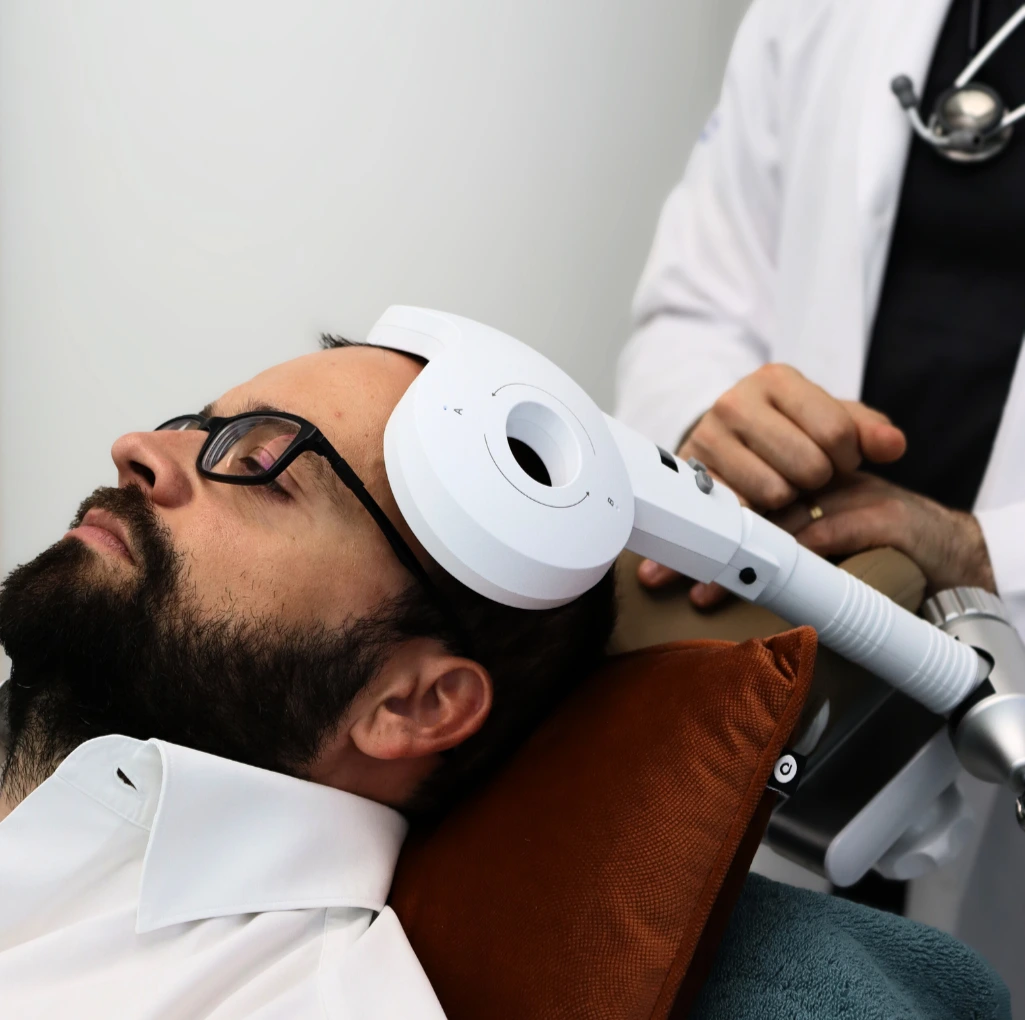
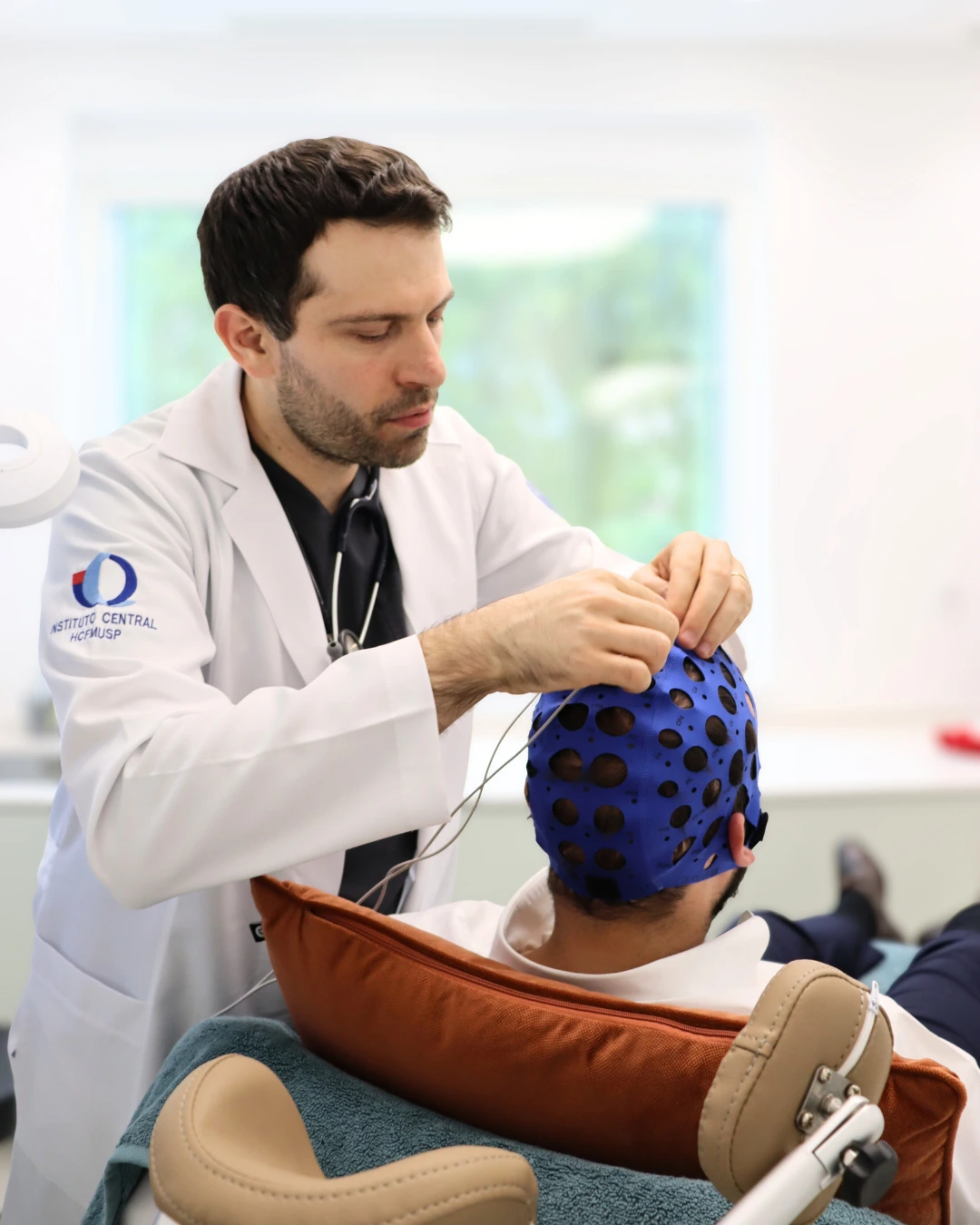
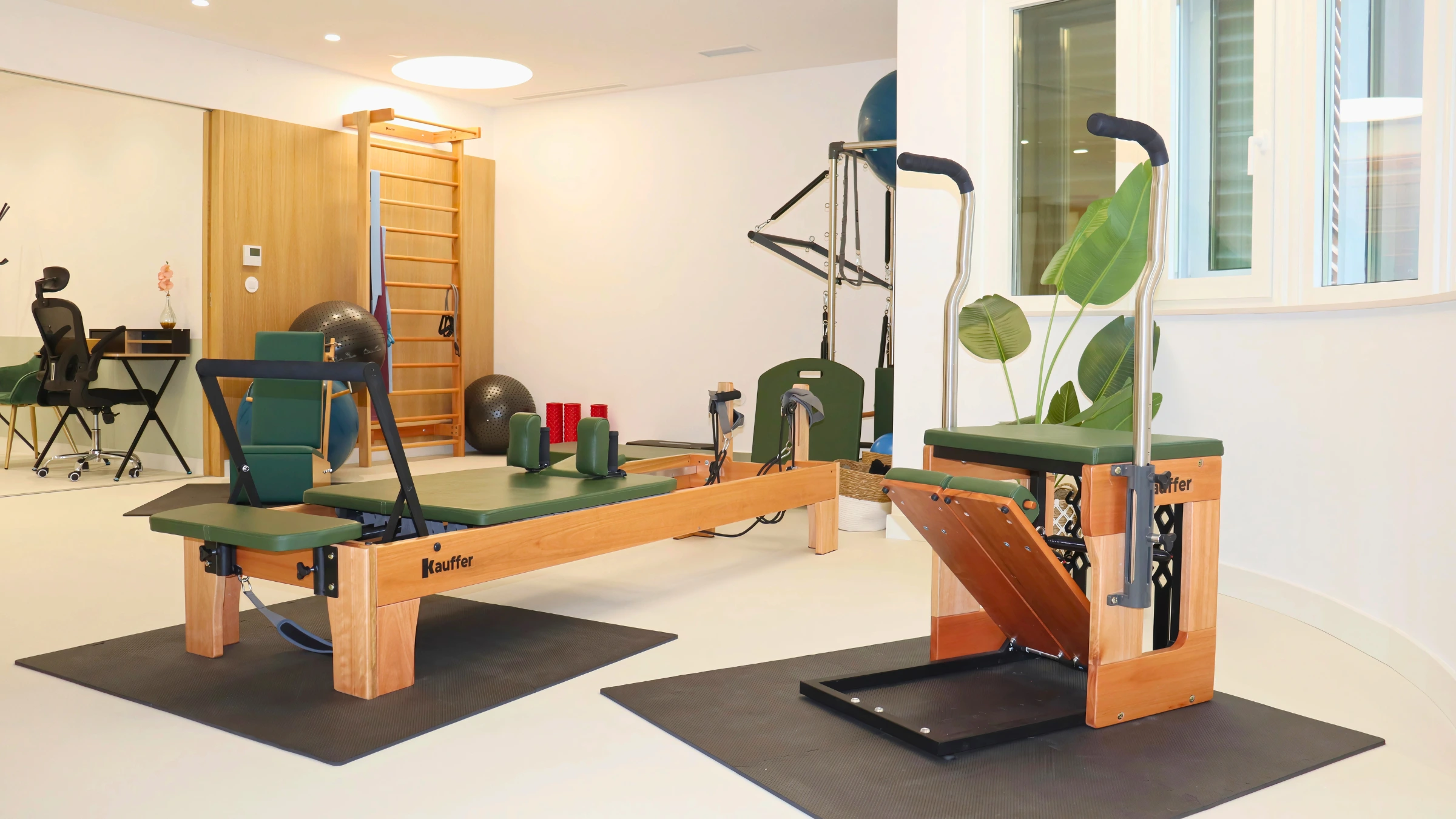
At NeuroPsyque, the approach to myofascial pain is truly multidisciplinary. We offer focused treatments (such as advanced physiotherapy) combined with neuromodulation therapies (Transcranial Magnetic Stimulation or tDCS), excellent allies for combating central sensitisation and the associated chronic pain, guaranteeing faster relief and consolidated long-term results.
FAQ's about Myofascial Syndrome
What is the difference between Myofascial Syndrome and Fibromyalgia?
What exactly are trigger points?
Does the treatment of trigger points cause pain?
Does neuromodulation (EMT and tDCS/ETCC) help with myofascial pain?
Does chronic myofascial pain require a multidisciplinary approach?
How long does treatment or recovery take?
Can myofascial pain recur after treatment?