Our approach

Integrated Neurological Care

A complete analysis that combines clinical assessment with cutting-edge technology to find the root of your neurological challenges and create an effective, personalised treatment plan.

  • Full Clinical Assessment - Detailed analysis of your history, symptoms and an in-depth neurological examination to understand your unique profile.
  • Precision Diagnostics - The use of complementary tests and advanced technology to accurately identify the origin of the neurological condition.
  • Integrated Therapeutic Plan - Combining conventional treatments with innovative therapies (EMT, Neurofeedback) to optimise results.
  • Continuous monitoring - Constant monitoring of your progress and adjustment of the therapeutic plan to ensure maximum effectiveness and long-term well-being.
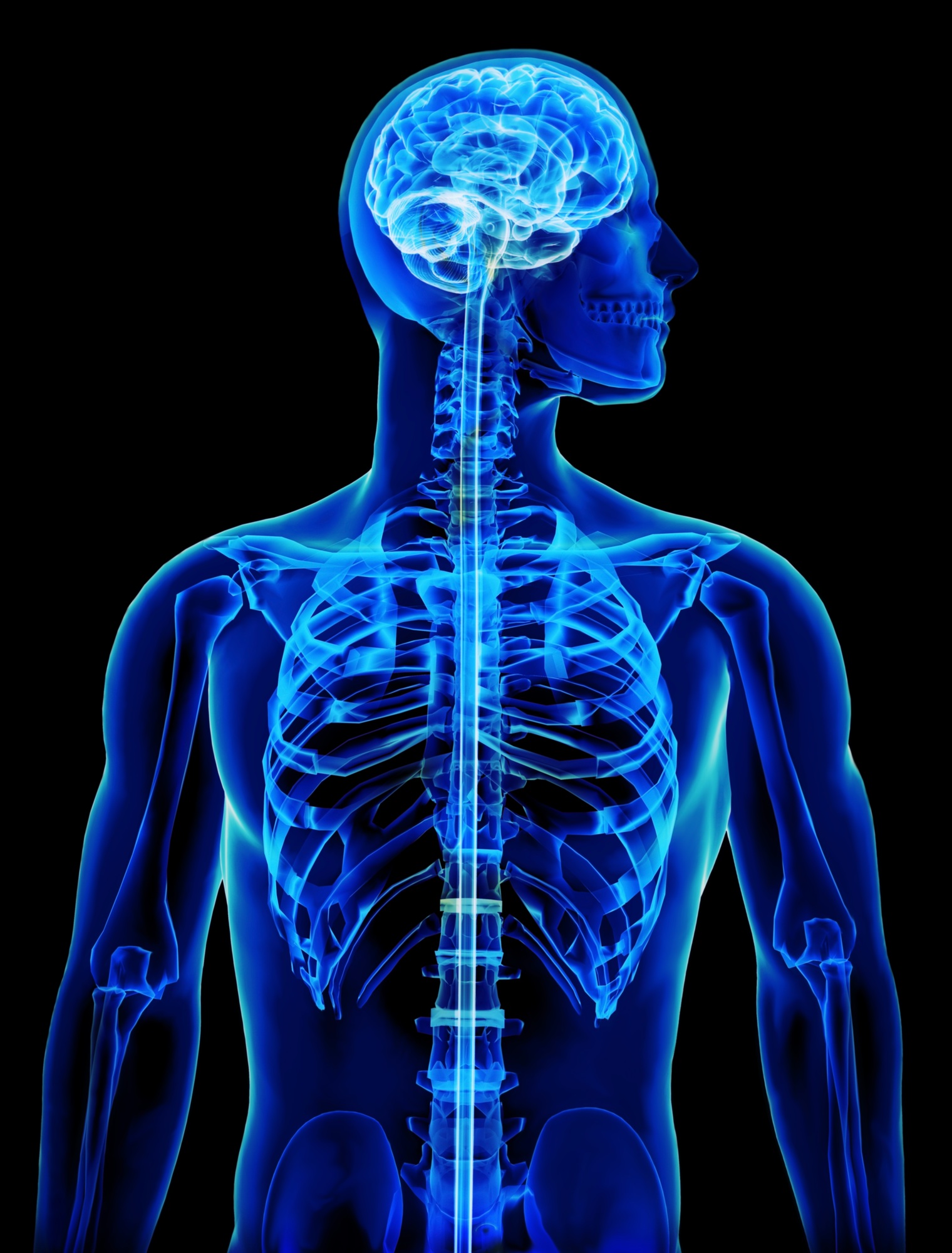
Ilustração do sistema nervoso.
Most frequent indications

What Does Neurology Treat?

Our team specialises in the diagnosis and treatment of a wide range of central and peripheral nervous system conditions.

  • Migraines and Headaches
  • Lumbar Pain and Cervicalgia
  • Chronic pain (fibromyalgia)
  • Neuropathic and Spastic Pain
  • Myofascial Syndrome
  • Post-stroke and trauma
  • Parkinson's, Alzheimer's and other dementias
  • Multiple Sclerosis
  • Epilepsy
  • Neurological genetic diseases
  • Sleep disturbances
  • Cognitive Rehabilitation
  • Tinnitus
TECHNOLOGY

Innovative Therapies

We use therapies such as Transcranial Magnetic Stimulation, Transcranial Electrical Stimulation and Neurofeedback as an alternative to intensive medication and other therapies that aren't bringing the expected results.

  • Transcranial Magnetic Stimulation (TMS)
  • Transcranial Electrical Stimulation (tDCS)
  • Neurofeedback
Frequently Asked Questions

FAQ's about Neurology Consultation

What should I expect at my first neurology appointment?
The first consultation involves a detailed assessment of your medical history, current symptoms and a full neurological examination. The doctor may order complementary tests (such as analyses or imaging tests) in order to reach an accurate diagnosis.
Do I need a referral to make an appointment?
Generally, you can book your appointment directly. However, if you have health insurance, it is advisable to check the conditions of your policy, as some may require a referral from a family doctor.
Are treatments like EMT or Neurofeedback safe?
Yes. They are non-invasive, safe and well-tolerated procedures with decades of scientific research and clinical application. They are always carried out in our clinic under strict medical supervision to guarantee their safety and effectiveness.
How are these treatments different from medication?
While medication acts chemically on the body, these neuromodulation therapies act directly on the brain's electrical activity to regulate it. They can be used to reduce the need for medication, avoid its side effects or as an alternative when drugs are not effective.
I can't find my condition. How do I know if NeuroPsyque can help me?
I'm not sure which speciality I should book. What should I do?
At the first consultation, our professionals will direct you to the most appropriate speciality, if necessary. Many of our treatments are also multidisciplinary. If in doubt, don't hesitate to contact us.
Does NeuroPsyque treat complex/special cases?
Yes, we have the best professionals and equipment at our disposal to give those who come to us the best hope of improvement.
Does NeuroPsyque cater for emergencies?
No, NeuroPsyque doesn't have an emergency ward. We are next to the Santa Maria Hospital, however, which has a specialised neurological ward.
Can EMT, tDCS and Neurofeedback help treat my condition?
This possibility can only be confirmed in consultation. Even so, unless these are more unusual and little-studied pathologies, it's very possible that they are. Significantly so. A Neurotherapy not only aims to eliminate or reduce the direct symptoms, but also to eliminate them altogether. side effects, combined with traditional drug treatments.