Skip to content



MIASTENIA GRAVIS - Treatment in Lisbon
Specialised neurological assessment and treatment of Myasthenia Gravis in Lisbon
WHAT IS MYASTHENIA GRAVIS?

A failure in nerve-muscle communication
Myasthenia Gravis is a chronic autoimmune disease of the neuromuscular system. It occurs when the immune system mistakenly produces antibodies that block or destroy muscle receptors. This prevents the chemical signals sent by the nerves from being received correctly, resulting in characteristic muscle weakness: it worsens significantly with physical exertion and improves after periods of rest.
Most common manifestations
- Eye SymptomsDrooping of one or both eyelids (ptosis) and double or blurred vision (diplopia), which usually gets worse towards the end of the day.
- Bulbar difficultiesChanges in speech (nasalised or weak voice), difficulty chewing, swallowing and loss of facial expression.
- Limb and Neck WeaknessDifficulty raising their arms, climbing stairs, walking or holding their head up.
- Fluctuating Muscle FatigueThe weakness is not constant - it fluctuates throughout the day, worsening after repetitive activity or stress.
FORMS AND ASSOCIATED FACTORS
Ocular Myasthenia Gravis
Muscle weakness is strictly limited to the muscles that control eye movements and the eyelids, and does not affect the rest of the body.
LocalisedGeneralised Myasthenia Gravis
The weakness spreads to the face, neck, arms, legs and, in some cases, respiratory muscles, requiring strict medical attention.
SystemicThymus involvement
Many patients have abnormalities in the thymus gland (hyperplasia) or benign tumours (thymomas) that disrupt the immune system.
ImmunologyTriggers
Infections, extreme stress, hormonal changes, surgery or certain medications can suddenly worsen symptoms (myasthenic crisis).
Exacerbation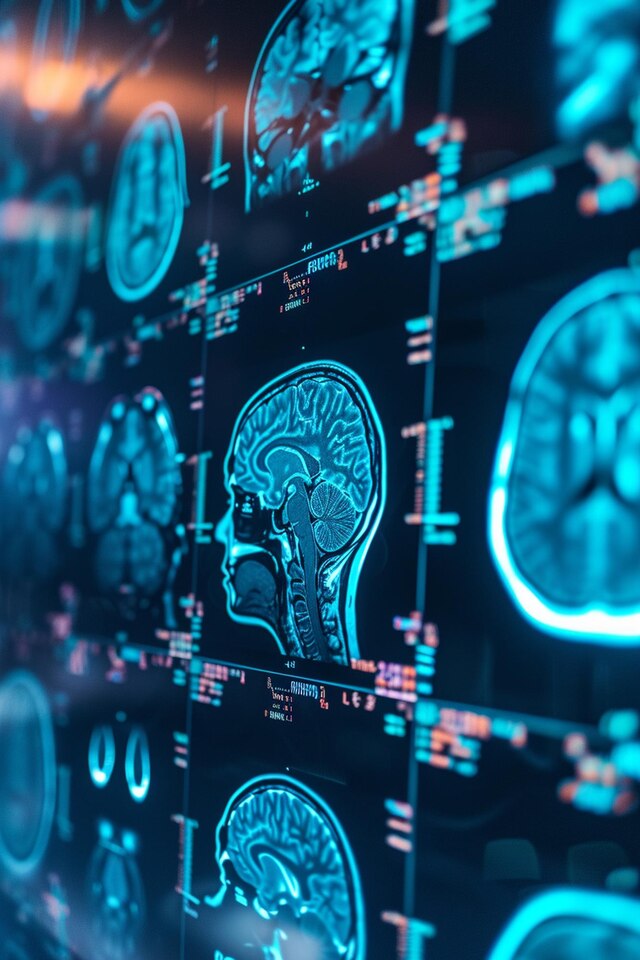
Diagnostic investigation using electroneuromyography and antibody analyses (AChR, anti-MuSK) is essential for confirmation.



THE IMPORTANCE OF EARLY ASSESSMENT
The symptoms of Myasthenia Gravis, such as extreme fatigue or double vision, are often confused with excessive tiredness caused by stress, or with other serious neurological pathologies (such as stroke or Multiple Sclerosis). Accurate neurological diagnosis, supported by tests such as electroneuromyography and serological tests (antibodies), is essential.
At NeuroPsyque, our specialists accompany patients by designing meticulous intervention plans. By adjusting anticholinesterase drugs (to improve nerve-muscle communication) and immunosuppressive therapy, we aim to stabilise the immune system and give it back the energy it needs to live normally again.
FAQ's about Myasthenia Gravis
What is the difference between fatigue in Myasthenia Gravis and ordinary fatigue?
Is Myasthenia Gravis curable?
How is the diagnosis made?
What is a Myasthenic Crisis?
What special care should I take on a daily basis?
What does medical treatment consist of?
Do I need a medical referral to book an appointment at NeuroPsyque?