Fibromialgia: o que é, sintomas e tratamento em Lisboa

FIBROMYALGIA - Treatment in Lisbon

Specialised assessment and multidisciplinary treatment for Fibromyalgia in Lisbon

WHAT IS FIBROMYALGIA?
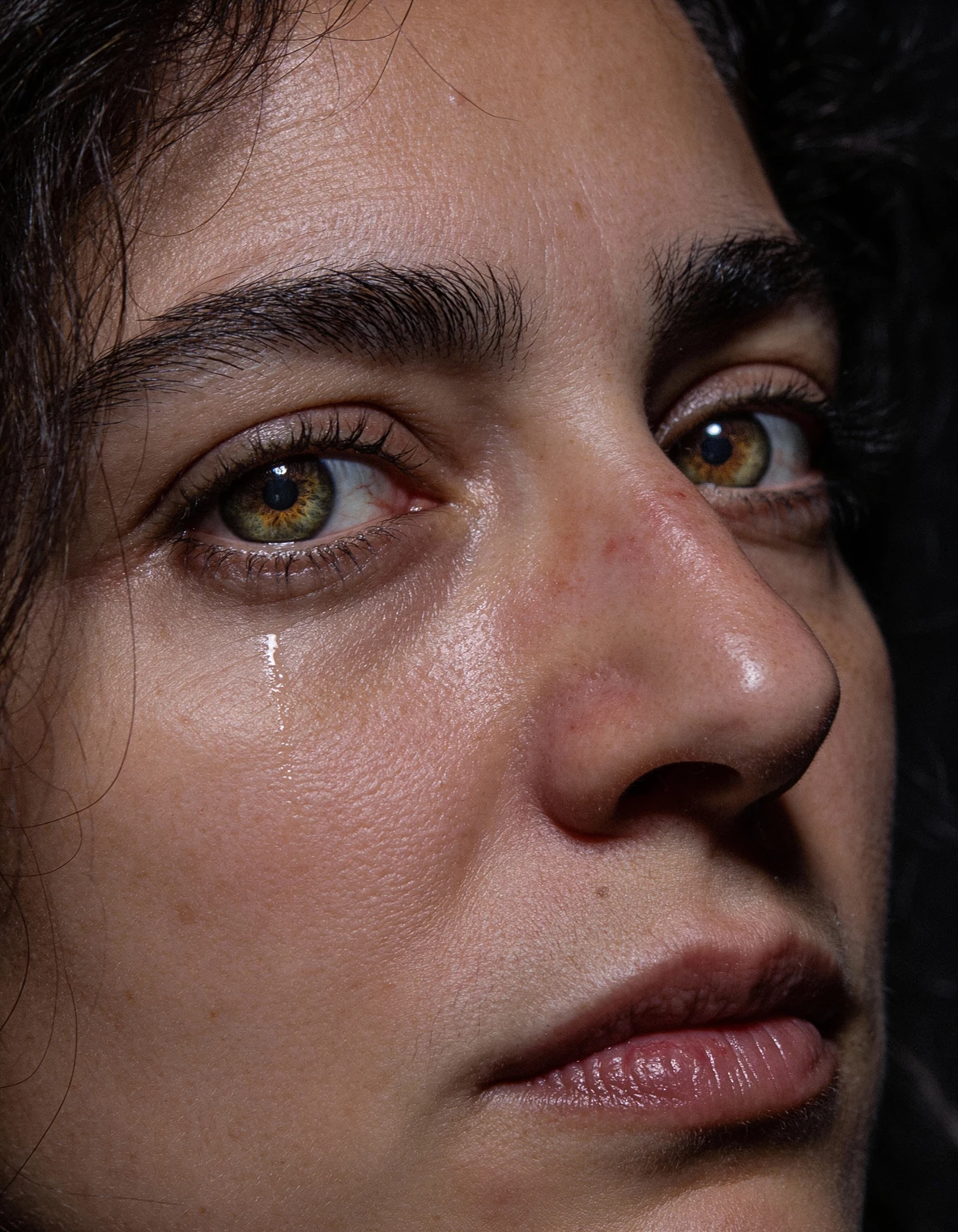
Avaliação neuropsiquiátrica da fibromialgia — NeuroPsyque Lisboa

A "shadow" disorder of central pain processing

Fibromyalgia is a chronic neurological syndrome characterised by generalised musculoskeletal pain, persistent fatigue and multiple associated functional symptoms. It is often misunderstood because it is not easy to assess in medical tests. It's not an imaginary disease or a manifestation of weakness - it has a well-established neurobiological basis: the central nervous system becomes hypersensitive, amplifying pain signals disproportionately. This phenomenon, called "central sensitisation", explains why fibromyalgia pain is so intense and so difficult to control with conventional painkillers.

Most common symptoms

  • Generalised Pain and Sensitive Points
    Diffuse pain throughout the body, often described as burning, stinging or deep pressure, with points of hypersensitivity to palpation distributed symmetrically throughout the body.
  • Chronic Fatigue and Sleep Disorders
    Extreme tiredness that doesn't improve with rest, unrefreshing sleep and the feeling of waking up as tired as you were at bedtime, even after a full night's sleep.
  • Cognitive fog (Fibro-fog)
    Difficulties with concentration, memory and reasoning that jeopardise any and all day-to-day functions.
  • Associated Symptoms
    Recurrent headaches, irritable bowel syndrome, increased sensitivity to noise, light and temperature, and anxiety and depression very often coexist.

CAUSES AND TRIGGERS

Central Sensitisation of the Nervous System

The main mechanism of fibromyalgia is the central amplification of pain: the central nervous system processes and amplifies painful signals excessively, making the person hypersensitive to stimuli that would not normally cause pain.

Neurological

Genetic and Neuroinflammatory Factors

There is a relevant hereditary component, with documented familial aggregation. Imbalances in the neurotransmitter systems (serotonin, noradrenaline, substance P) and neuroinflammatory processes contribute to the maintenance of central sensitisation.

Biological

Trauma, Chronic Stress and Infections

Fibromyalgia can be triggered or aggravated by physical or emotional trauma, prolonged chronic stress, persistent sleep disturbances, or serious infections - all of which act as triggers in an already vulnerable nervous system.

Triggers

Prevalence and Risk Groups

Fibromyalgia predominantly affects women (around 80% of cases), with a higher incidence between the ages of 30 and 60. It is often associated with other conditions such as Chronic Fatigue Syndrome, Irritable Bowel Syndrome and mood disorders.

Epidemiology
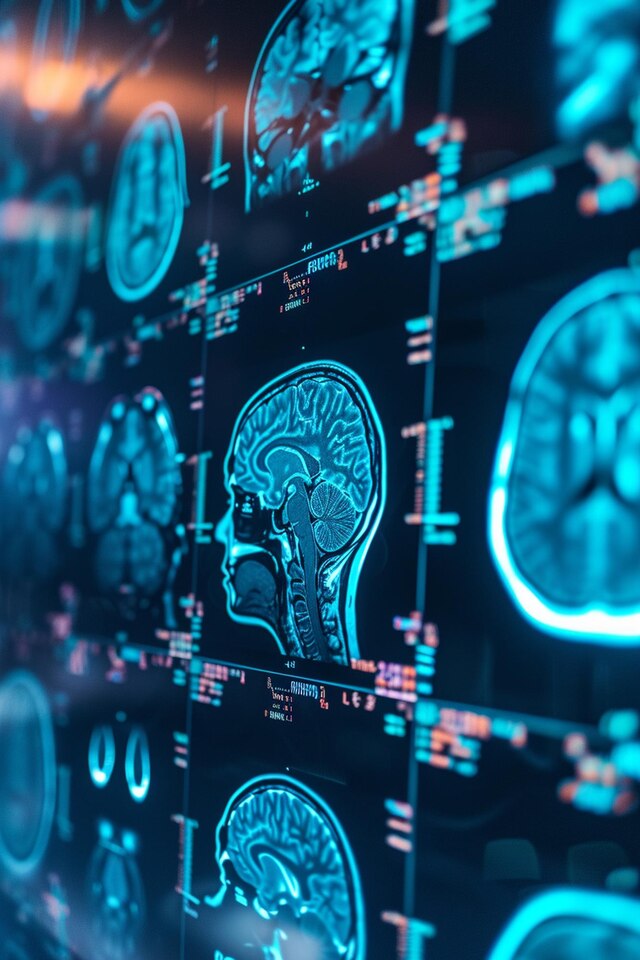
Sensibilização central e neurobiologia da fibromialgia — NeuroPsyque

Unfortunately, fibromyalgia often coexists with depression, anxiety, chronic fatigue syndrome and neuropathic pain, requiring a truly careful diagnostic and therapeutic approach.

EFFECTIVENESS IN TREATMENT
FIBROMYALGIA

Clinical results based on meta-analyses of neuromodulation, exercise and multicomponent treatment

-0.70
improvement in the Fibromyalgia Impact Questionnaire with rTMS, with the effect maintained for at least 2 weeks
-0.35
improvement in pain with rTMS compared to sham, accompanied by a benefit in quality of life
-0.47
effect on fatigue with therapeutic exercise, with more modest additional benefit on sleep
-0.51
effect on pain with multicomponent treatment versus other interventions at 10-16 weeks, with improvement in function and quality of life

Sources: clinical data, Su et al. (2021), Journal of Clinical Medicine - https://pubmed.ncbi.nlm.nih.gov/34682790/, Kim et al. (2022), Psychosomatic Medicine - https://pubmed.ncbi.nlm.nih.gov/35100184/, Estévez-López et al. (2021), Arthritis Research & Therapy - https://pubmed.ncbi.nlm.nih.gov/32721388/, Araya-Quintanilla et al. (2025), Journal of Back and Musculoskeletal Rehabilitation - https://pubmed.ncbi.nlm.nih.gov/40396446/
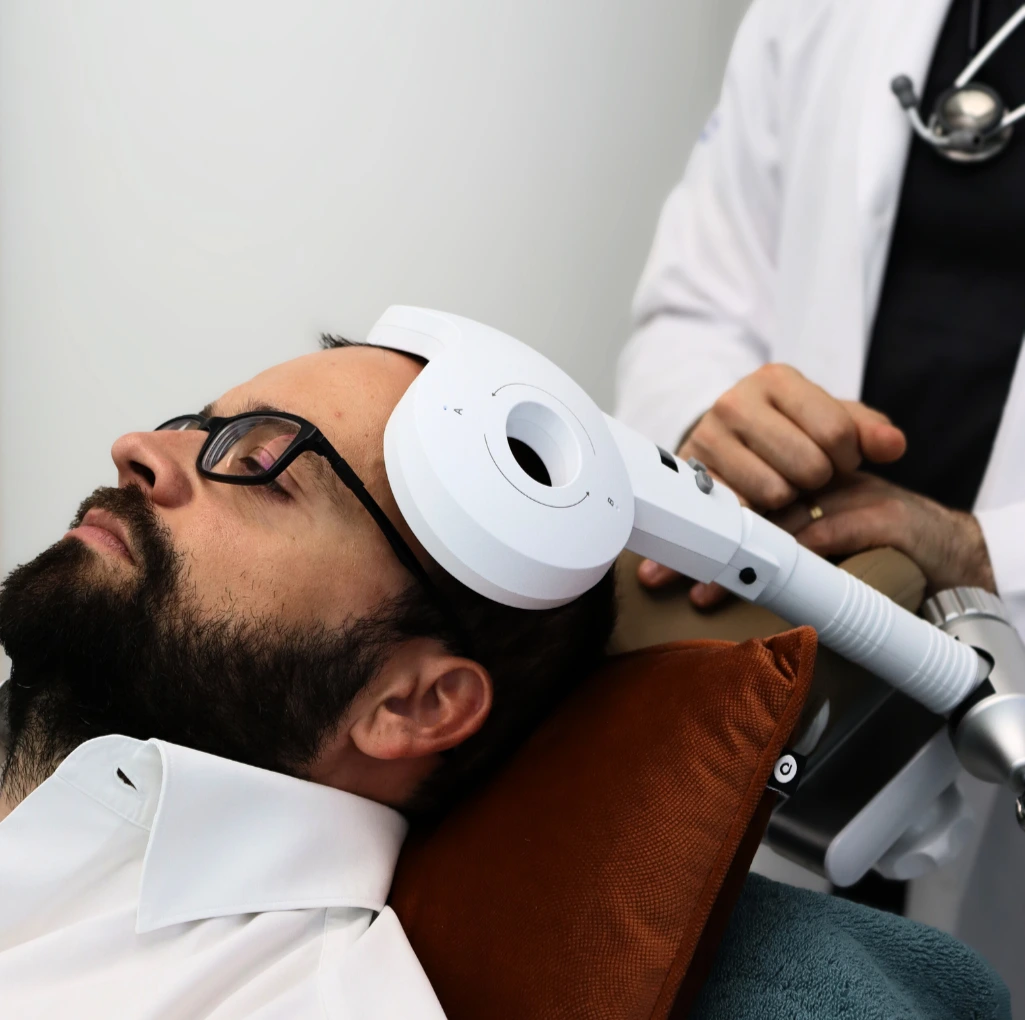
TECHNOLOGY AND THE THERAPEUTIC ENVIRONMENT

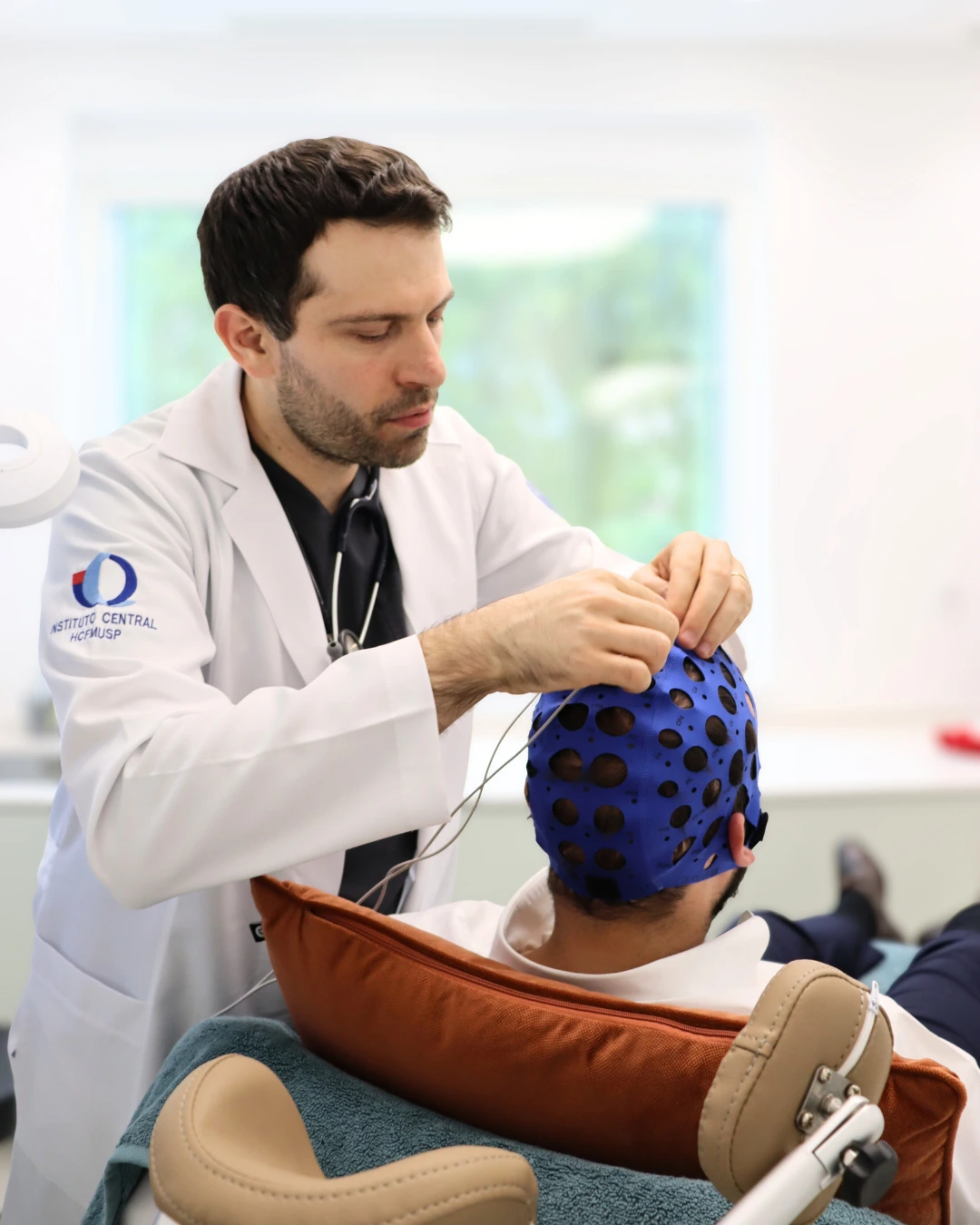
Avaliação neurológica da fibromialgia
Estimulação Magnética Transcraniana no tratamento da fibromialgia
tDCS na modulação central da dor
Abordagem multimodal da dor crónica
tDCS - Estimulação Eléctrica Transcraniana
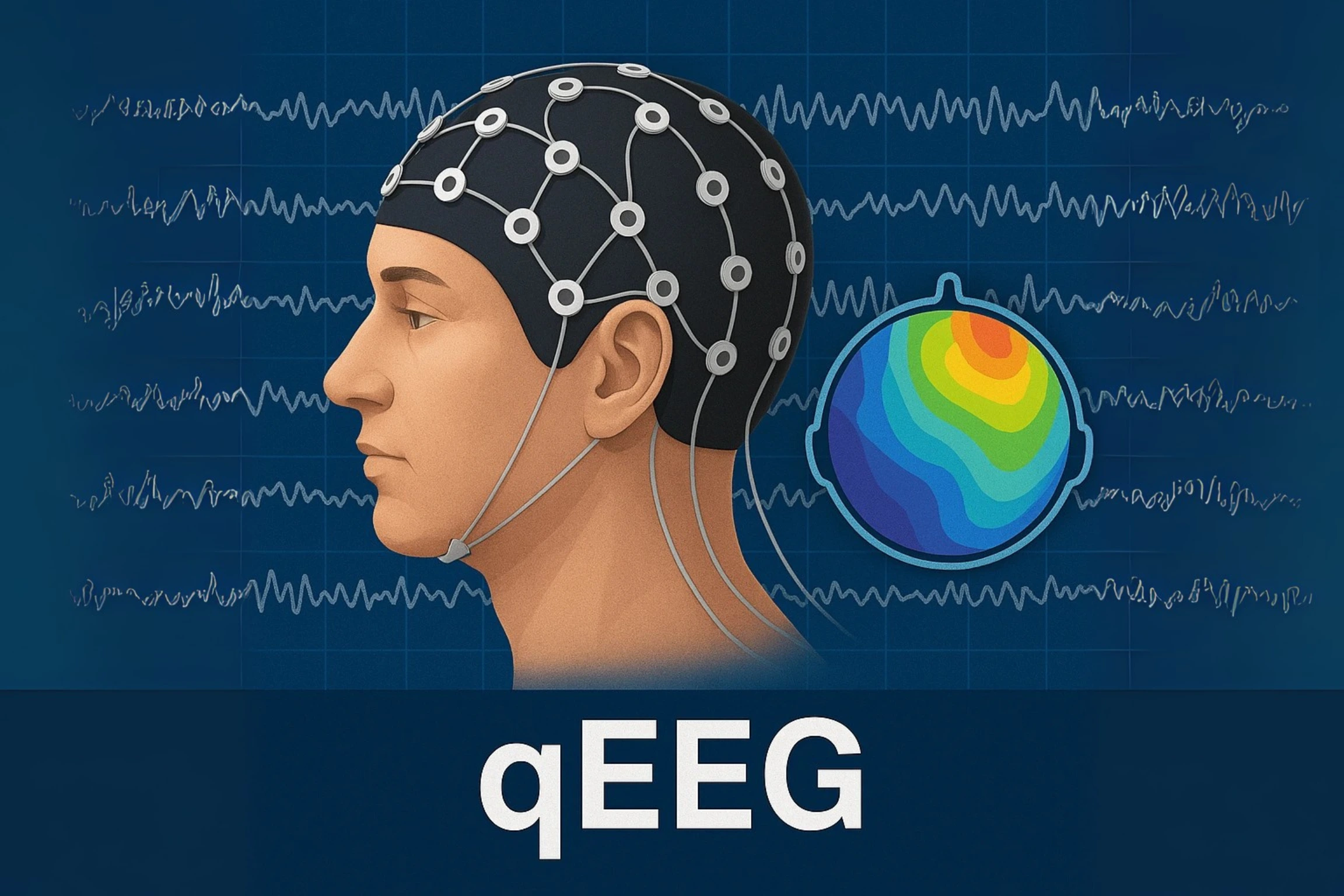
qEEG Mapeamento Cerebral
Clínica Lisboa
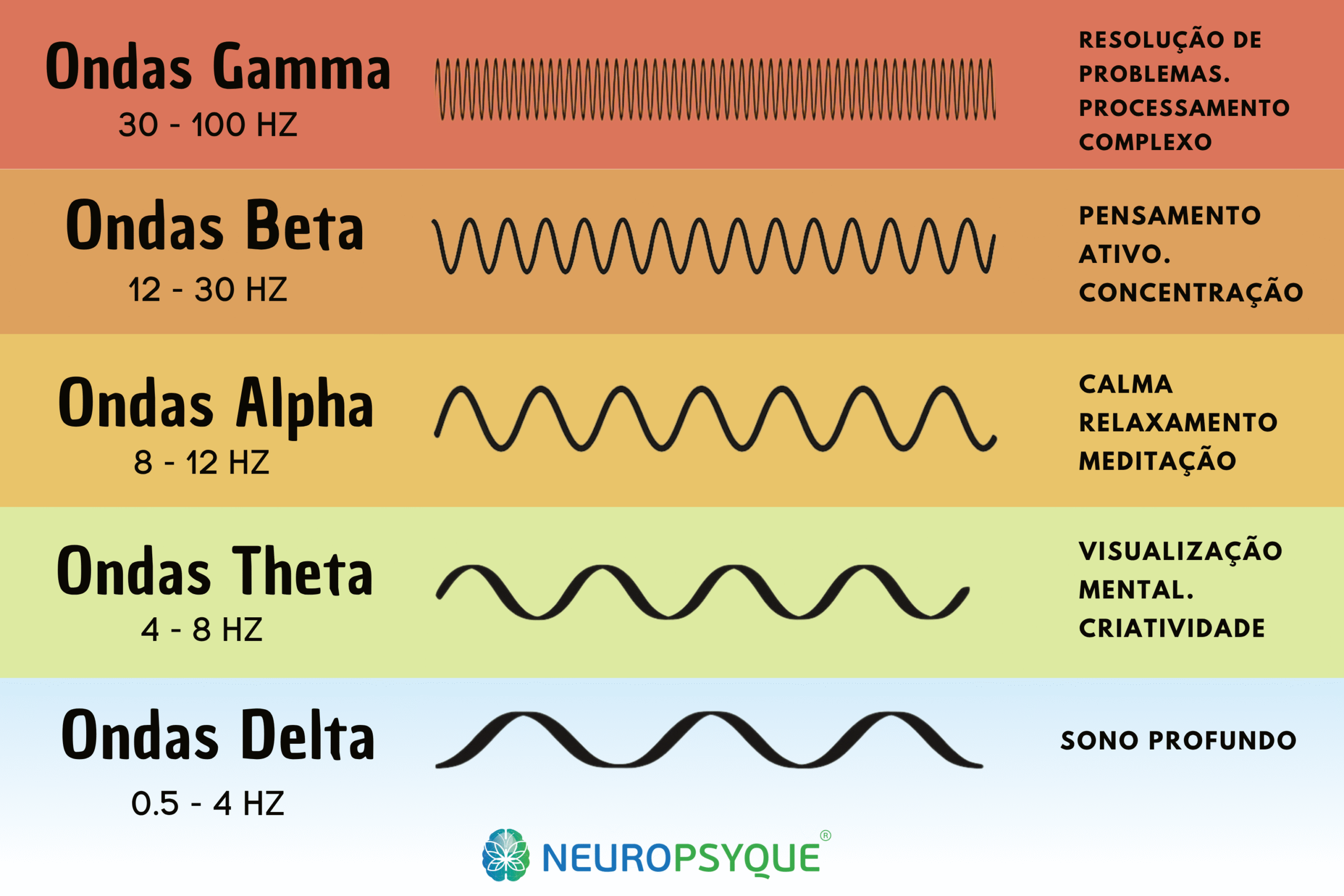
Ondas Cerebrais
Fisiologia
Sala de Tratamento
Espaço Bem-Estar

IMPORTANCE OF SPECIALISED CONSULTATION

Fibromyalgia is still one of the most under-diagnosed and misunderstood conditions in medicine. Many patients go through years of consultations without a precise diagnosis, hearing that "the tests are all normal" or that the pain is "psychosomatic" - which, as well as being wrong, exacerbates suffering and isolation. A specialised neuropsychiatric assessment makes it possible to establish the correct diagnosis, exclude other causes and design a realistic and effective therapeutic plan.

💡 Fibromyalgia has no known definitive cure, but it does have effective treatment. With a multimodal and personalised approach, it is possible to significantly reduce pain, regain a good deal of energy and resume a fluid life without constant suffering.

At NeuroPsyque, we approach fibromyalgia with the rigour it deserves: complete neuropsychiatric and neuropsychological assessment, neuromodulation with Transcranial Magnetic Stimulation (TMS) and tDCS for central pain modulation, cognitive-behavioural psychotherapy for chronic pain, and careful pharmacological optimisation. Our aim is to give patients back control over their lives - with science, humanity and truly person-centred care, not just symptom-centred care.

Frequently Asked Questions

FAQ's about Fibromyalgia

How is fibromyalgia diagnosed?
The diagnosis of fibromyalgia is essentially clinical - there is no specific laboratory or imaging test to confirm it. It is based on the criteria of the American College of Rheumatology (ACR): confirming generalised pain for more than three months, assessing tender points and excluding the possibility of other conditions that could explain the symptoms. A full neuropsychiatric assessment is essential to rule out alternative causes and identify comorbidities (parallel conditions) that influence treatment.
Is fibromyalgia an "imaginary" or psychosomatic illness?
No. Fibromyalgia has a well-established neurobiological basis: neuroimaging studies demonstrate functional alterations in central pain processing, with documented hypersensitisation of the central nervous system. Pain is absolutely real. The fact that it doesn't show up on conventional tests doesn't mean it doesn't exist - it means that conventional tests can't measure what is altered in fibromyalgia.
What is fibro-fog and how does it affect everyday life?
Fibro-fog, or cognitive fog, is a very common symptom in fibromyalgia, characterised by difficulties with concentration, short-term memory, processing speed and mental clarity. It can be as disabling as the pain itself, affecting work performance, reading, driving and social interactions. It has a neurobiological basis in central sensitisation, which overloads the nervous system, and also in sleep disorders, which prevent the body as a whole from regenerating properly. These symptoms respond favourably to treatment, when appropriate.
Is Transcranial Magnetic Stimulation (TMS) effective in fibromyalgia?
Yes. Transcranial Magnetic Stimulation has growing scientific evidence in the treatment of fibromyalgia, acting directly on the modulation of pain processing brain circuits - particularly in the primary motor cortex and the dorsolateral prefrontal cortex. Studies show significant reductions in pain intensity, improvements in sleep, reduced fatigue and mood, and better quality of life. It is a non-invasive, well-tolerated intervention without the side effects of conventional medication.
What drugs are used to treat fibromyalgia?
The pharmacological treatment of fibromyalgia aims to modulate the central processing of pain, not suppress it with conventional analgesics (which have little efficacy). The drugs with the most evidence include dual antidepressants (duloxetine, milnacipran), anticonvulsants (pregabalin, gabapentin) and cyclobenzaprine for sleep. The choice is always individualised, taking into account each patient's symptom profile, comorbidities and tolerance.
Does psychotherapy help treat fibromyalgia?
Yes, very significantly. A Cognitive Behavioural Therapy (CBT) for chronic pain is one of the interventions with the most evidence in fibromyalgia: it acts on catastrophising cognitions about pain, avoidance patterns, stress management and sleep regulation. It doesn't replace pharmacological treatment or neuromodulation, but it enhances and consolidates long-term results.
Physical exercise in fibromyalgia - does it help or make it worse?
Gradual and adequate physical exercise is one of the pillars of fibromyalgia treatment with the most scientific evidence. Although it may seem counterintuitive - and is often avoided for fear of aggravating the pain - moderate aerobic exercise and (light) strength training reduce central sensitisation, improve sleep, fatigue and mood. A specialised physiotherapy can be fundamental. The key lies in thoughtful, very gradual, supervised progression, and above all adapted to each patient's individual capabilities.
Do I need a doctor's referral to book an appointment?
No, it's not necessary. You can book your assessment appointment directly (Neurology) at NeuroPsyque. If you have health insurance, we only recommend that you check the conditions of your policy for reimbursement. Contact us to explain your situation.