Skip to content



SCHIZOPHRENIA - Treatment in Lisbon
Specialised psychiatric assessment and neurocognitive rehabilitation in Lisbon
WHAT IS SCHIZOPHRENIA?

A complex psychiatric disorder
Schizophrenia is a chronic and complex psychiatric disorder that affects the way a person thinks, feels and perceives reality. It results from neurochemical and structural changes in the brain, often leading to periods of psychosis (disconnection from reality). With timely clinical intervention, appropriate medication and psychosocial support, it is possible to stabilise the symptoms and return the patient to a functional and full life.
Most common manifestations
- Psychotic SymptomsThe presence of hallucinations (such as hearing voices) and delusions (false and unyielding beliefs, such as feeling watched or persecuted).
- Apathy and isolationDeep apathy, chronic social isolation, affective inhibition (reduced emotional expression) and lack of motivation.
- Cognitive symptomsSevere concentration difficulties, work problems and visible disorganisation in speech and thought.
- Behavioural changesAbnormal or bizarre body movements, unexplained agitation, or episodes of catatonia (extreme immobility and lack of response).
RISK FACTORS AND NEUROBIOLOGY
Genetics and Heredity
Genetic predisposition plays a key role. The risk increases significantly if there are first-degree relatives with the disease.
GeneticNeurochemical imbalance
Structural alterations in the regulation of specific neurotransmitters, particularly dopamine and glutamate, which affect the ways in which we perceive the world and think.
NeurobiologicalNeurodevelopmental Factors
Complications during pregnancy or childbirth (such as severe malnutrition or exposure to viruses) that subtly affect the early brain development of the foetus.
EarlyEnvironmental and chemical triggers
The use of psychoactive substances, especially cannabis in adolescence and hallucinogenic drugs, and high-stress events are factors that can trigger the first schizophrenic outbreak.
Environmental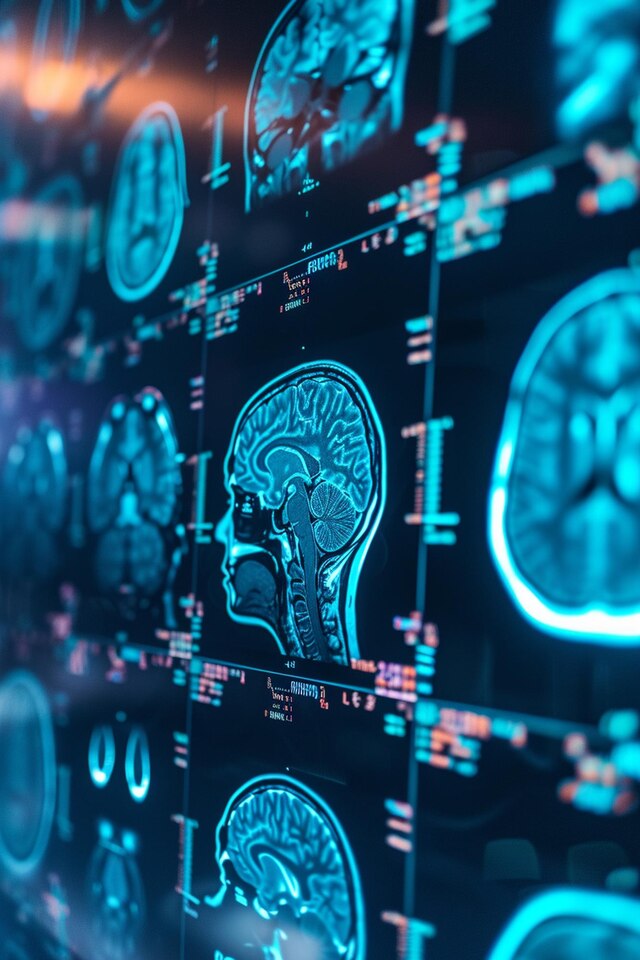
The initial manifestation of schizophrenia (the first psychotic episode) typically occurs in late adolescence or early adulthood.
EFFECTIVENESS IN THE TREATMENT OF SCHIZOPHRENIA
Clinical results geared towards psychiatric stabilisation and psychosocial reintegration
* The treatment of schizophrenia is continuous. Early intervention (at the very first outbreak) is the most decisive factor for a good prognosis.
Sources: clinical data, Leucht et al. (2012), Lancet - meta-analysis of 65 RCTs with 6,493 patients (relapse rate at 1 year: 64% placebo vs. 27% antipsychotic); Agid et al. (2003), response rate in first psychotic episode; NIH review - effectiveness of family psychoeducation in schizophrenia and reduction of carer burden; psychosocial rehabilitation literature and cognition in schizophrenia.




THE IMPORTANCE OF EARLY AND INTEGRATED INTERVENTION
Schizophrenia is an illness that still carries a strong social stigma, which often delays the search for help, even by family members. The first signs of decline (such as isolation, disorganised thinking or abandonment of routines) often appear months or years before the first psychotic break. A specialised psychiatric assessment at this prodromal (antecedent) stage, or as soon as possible after the first hallucinations, is absolutely critical to halt the progression of neurocognitive damage.
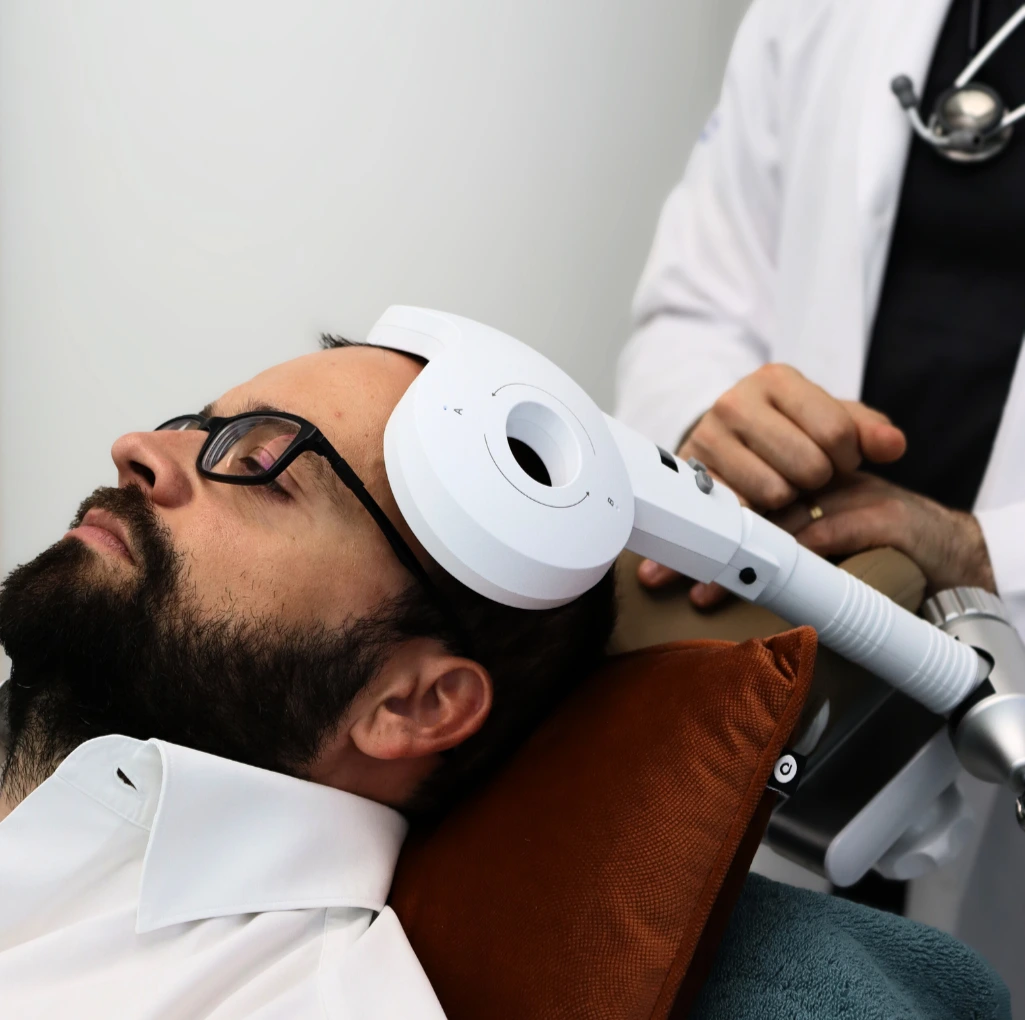
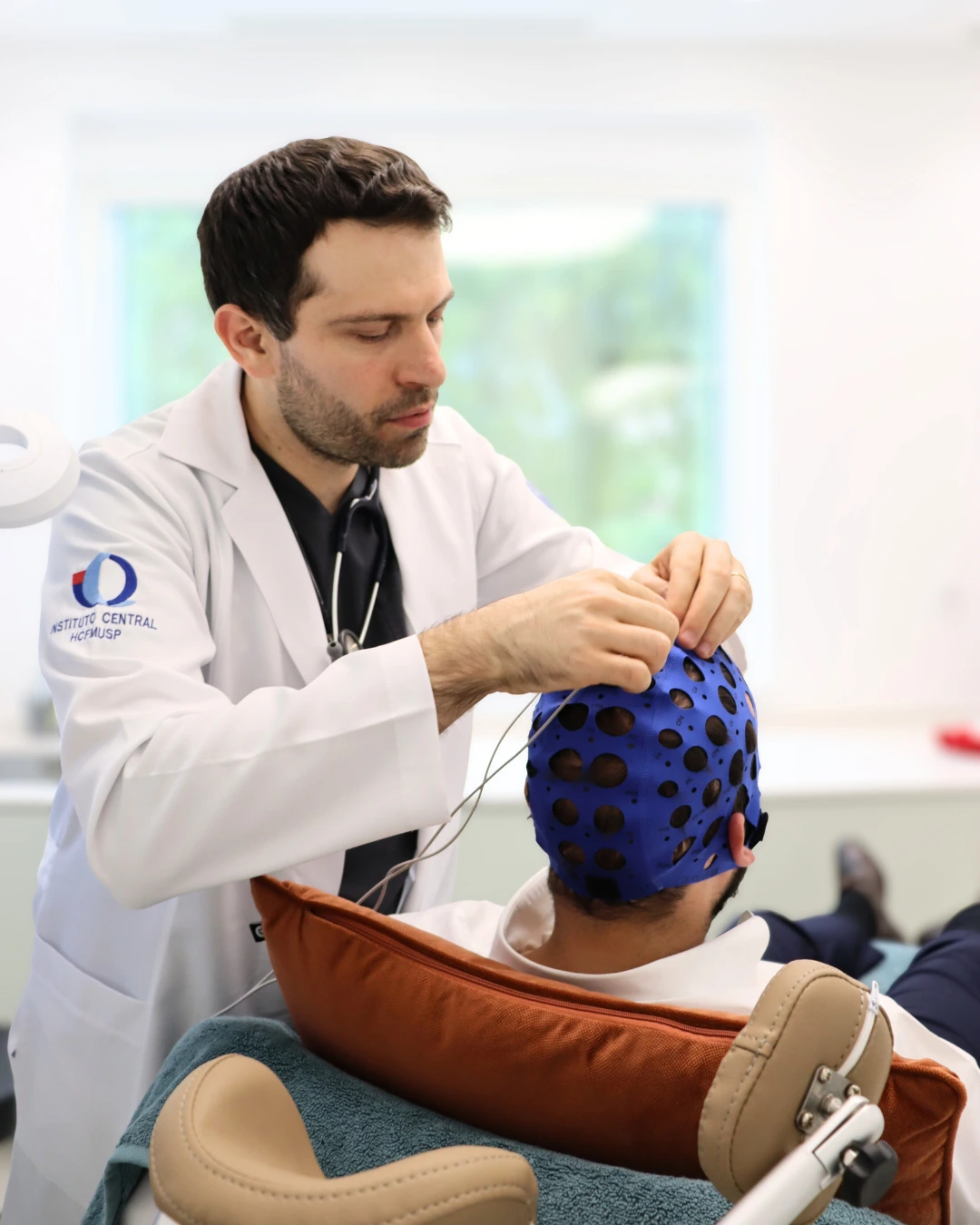
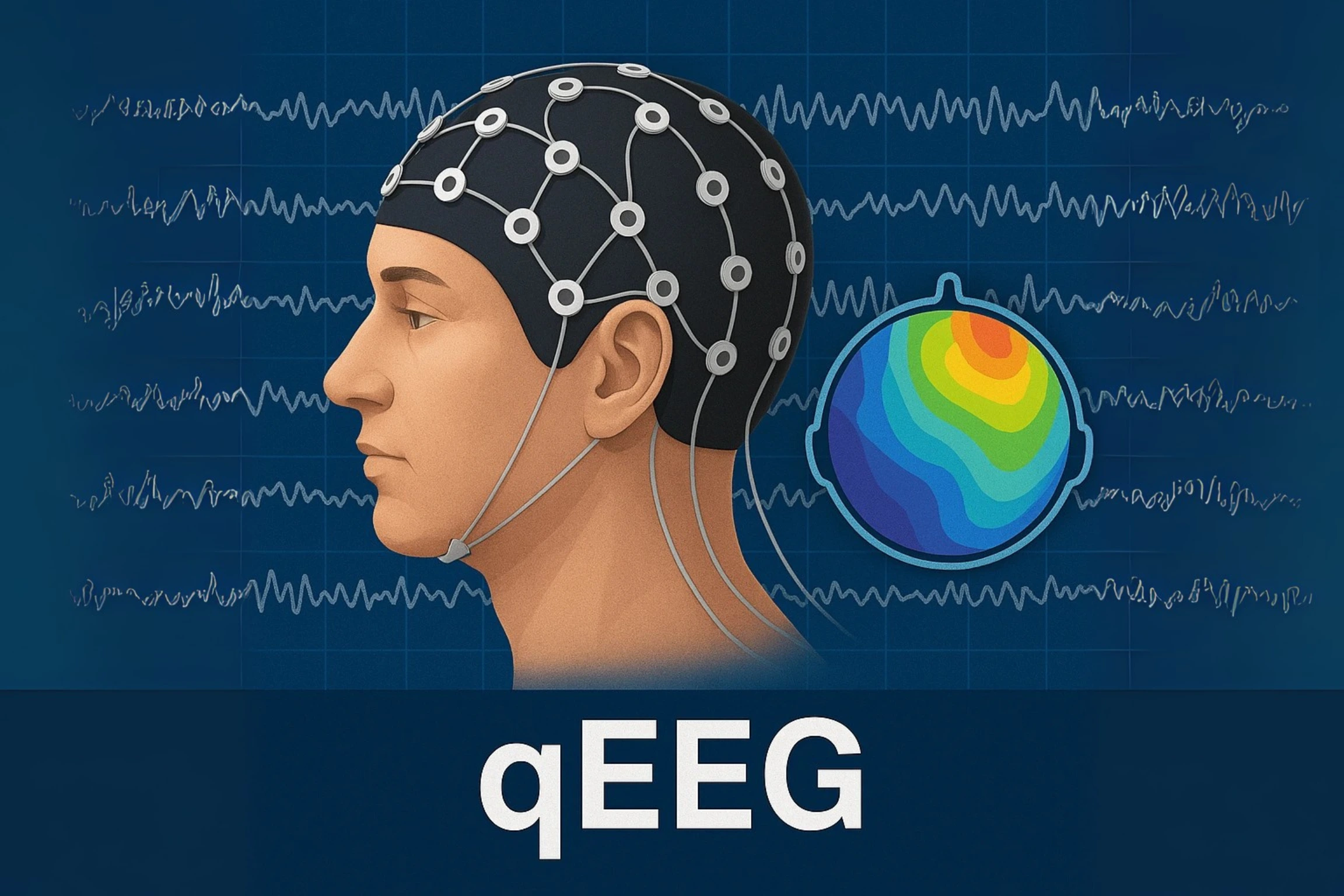
At Clínica NeuroPsyque, we adopt an approach that goes far beyond simply controlling symptoms with antipsychotic medication. Our therapeutic plan includes neuropsychological assessment, cognitive stimulation to treat memory and attention loss, family psychoeducation, and when indicated, non-invasive neuromodulation techniques to treat resistant depressive or negative symptoms, guaranteeing dignity and human support throughout the journey.
FAQ's about Schizophrenia
Is schizophrenia the same as split personality?
Are people with schizophrenia violent or dangerous?
Does antipsychotic medication have to be taken for life?
How can Neuromodulation (EMT) help with schizophrenia?
Does the disease affect the patient's intelligence?
How can I help a family member who is having a psychotic break?