

In Portugal, approximately 1.5 million people suffer from migraine - 1 in 5 women and 1 in 10 men. 79% of Portuguese sufferers feel limited in their daily tasks because of the condition. But is migraine just a "bad headache"?
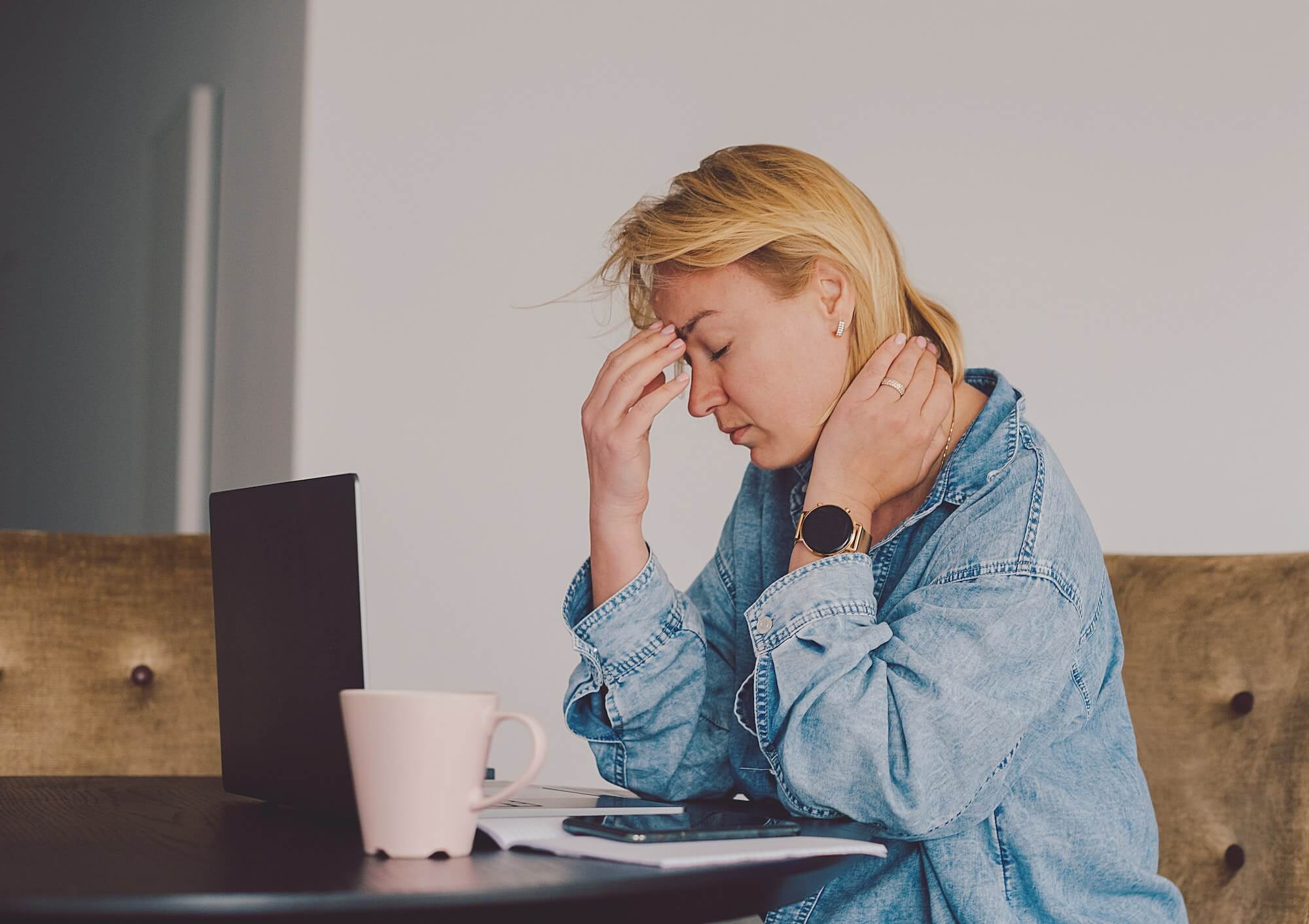
You know, 20 minutes before you arrive, that it's coming. Little flickering lights that start in the corner of your eyes, as if someone had switched on a flashbulb right in front of your face. Then comes the nausea, that stomach-churning feeling that makes even the smell of breakfast unbearable. And finally the pain - not a simple "headache", but a throbbing, pulsating sensation, as if the heart had moved and was beating inside the head.
Daylight burns your eyes, the sound of the television is like a hammer, and moving makes everything worse. It's cancelling plans for the third time this month, it's hearing "but you look so good" when you can barely keep your eyes open, it's the frustration of explaining that no, it's not "just a headache that goes away with an aspirin".
For those who live with migraine, it's not a lack of stamina, or "psychological". It's a real neurological disease that completely transforms the way you live and plan each day, always with the fear of when the next attack will come.
What is Migraine?
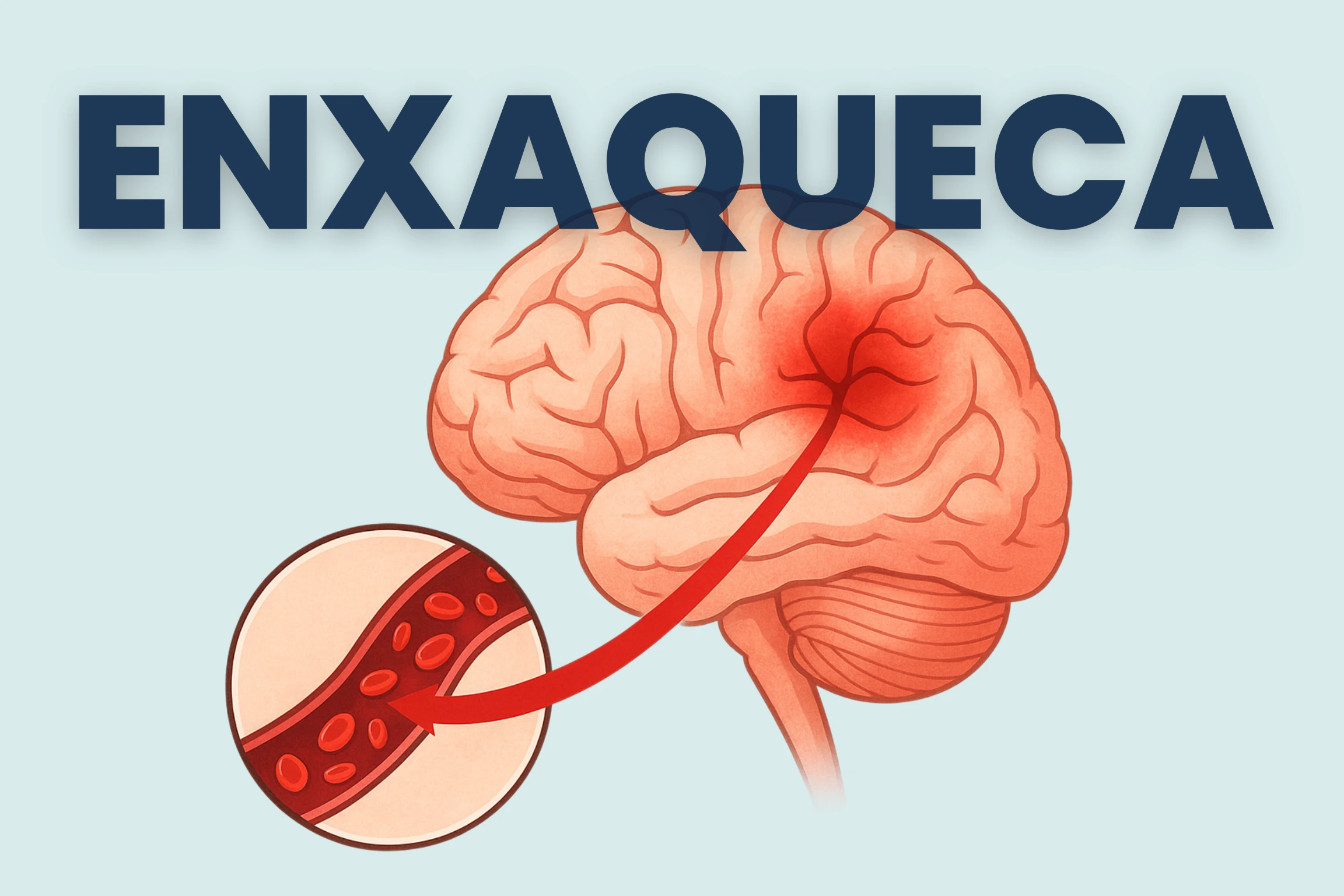
Migraine is a type of primary headacheThis is characterised by recurrent episodes of intense headache, often accompanied by nausea, vomiting and hypersensitivity to light and sound. It's much more than just a headache - is a complex condition with a genetic and neurobiological basis that profoundly affects quality of life.
Migraines result from a combination of brain processes: excitation and depression of nerve cells, vascular changes and release of chemicals that sensitise the pain pathways. People with migraines have a nervous system that is exceptionally sensitive to certain stimuli, whether environmental or from the body itself.
Difference Between Headache and Migraine
Headache is a general term that describes any headache. There are more than 200 different types of headachesThey are divided into two main groups: primary (which are a condition in themselves) and secondary (symptoms that result from other health problems).
Migraine is a primary headache - one of the most frequent and well-characterised. Unlike a common headache, migraines have the following characteristics very specific and an impact significant in day-to-day operation.
| Features | Common Headache | Migraine |
| Intensity | Slight to moderate | Moderate to severe, disabling |
| Location | Diffuse or bilateral | Often one-sided |
| Type of pain | Pressure, weight | Pulsating, throbbing |
| Duration | A few hours | 4 to 72 hours |
| Aggravation | Does not affect activity | Worsens with physical activity |
| Associated symptoms | Rare | Nausea, photophobia, phonophobia |
| Functional impact | Minimum | Interferes with daily tasks |
Recognition in Portugal
In Portugal, migraine is recognised as a chronic neurological condition that affects approximately 1.5 million people. Unfortunately, the condition remains underdiagnosed and undertreated.
Worrying figures show that:
- 40% of patients have no regular medical follow-up
- 60% of patients undergoing treatment express dissatisfaction
- 55-70% are unaware of innovative treatment options
- 70% of those who are monitored have used the private sector
Migraine represents one of the main causes of absenteeism from workwith an average of 3-4 days of absence per year per patient. According to World Health Organisation, is the leading cause of disability in people under 50.
Types of Migraine
Migraine manifests itself in different ways, and understanding these variations is fundamental for proper diagnosis and treatment.
Migraine without Aura
This type represents 70-80% of all migraine cases. It is characterised by:
- Severe headache without previous neurological symptoms
- Gradual or sudden onset of headache
- All the typical symptoms (nausea, photophobia, phonophobia...)
- Lasts from 4 to 72 hours
This is the most common type, and many people live with these symptoms for years without knowing they have migraine.
Migraine with Aura
It affects 20-30% of migraine sufferers. The aura consists of temporary and reversible neurological symptoms which usually precede the headache in 10 to 60 minutes.
Visual Aura (most common - 90% from auras):
- Shiny or sparkling spots
- Bright zigzag lines
- Dark spots in the field of vision
- Temporary blurring of vision
- Fortification spectrum (bright geometric patterns)
Sensitive Aura:
- Tingling or numbness
- It usually starts on one hand
- Can extend to the arm and face on the same side
- Sensation of "pins and needles"
Aura of Speech/Language:
- Difficulty finding words
- Temporary slurred speech
- Temporary inability to understand language
Motor Aura:
- Temporary weakness on one side of the body
- Difficulty coordinating movements
- Rare, but when present requires careful evaluation
It's important to note that the same person can have crises with aura and without aura at different times.
Chronic migraine
Diagnosed when there is a headache in 15 or more days per month, for at least three months, where in at least 8 of these days the headache has migraine characteristics.
It affects around 2% of the world's population and is often associated a:
- Excessive use of analgesic medication
- Chronic stress
- Sleep disturbances
- Depression or anxiety
- Other health problems
Rare Types of Migraine
Haemiplegic migraine:
- Causes temporary weakness on one side of the body
- Can be sporadic or familial (genetic)
Migraine with Brainstem Aura:
- Intense vertigo
- Difficulty speaking
- Ringing in the ears
- Loss of balance
- Temporary changes in the level of consciousness
Retinal Migraine:
- Temporary visual loss in one eye
- Rare and requires exclusion of other serious causes
Most common migraine symptoms
Migraine is a complex experience that can extend into four distinct phases.
The Four Stages of Migraine
Phase 1: Premonitory Symptoms (Prodrome)
It occurs hours or even 1-2 days before the headache. Many people learn to recognise these signs:
- Mood swings (irritability, euphoria)
- Difficulty concentrating
- Fatigue and drowsiness
- Neck stiffness
- Specific food cravings
- Head Office
- Increased sensitivity to light
Phase 2: Aura (when present)
It typically lasts 5 to 60 minutes. It includes temporary neurological symptoms, with visual ones being the most common. Some of the most common symptoms are
- Changes in vision
- Anthills and dormancy
- Language difficulties
Phase 3: Headache (Pain Phase)
This is the most debilitating phase:
Pain characteristics:
- Moderate to severe intensity
- Pulsating or throbbing nature
- Usually unilateral (can be bilateral)
- Worsens with physical activity
- Lasts from 4 to 72 hours
Associated symptoms:
- Nausea (80% of cases)
- Vomiting (frequent)
- Photophobia (sensitivity to light) - forced to dark environments
- Phonophobia (sensitivity to sound) - normal noises become unbearable
- Osmophobia (sensitivity to odours)
- Dizziness
- Blurred vision
During this phase, most people need stop completely their activities and isolate themselves in a dark, quiet room.
Phase 4: Recovery phase (Post-drome)
After the pain resolves, many patients experience:
- Deep fatigue
- Difficulty concentrating
- Mild mental confusion
- Mood swings
- Weakness
- Residual sensitivity
This phase can last 24-48 hoursduring which the person is not yet fully functional.
Causes and risk factors
Migraine is the result of a complex interaction between genetic predisposition and environmental factors. There is no single cause, but multiple mechanisms that contribute to its development.
Genetic factors
Migraine has a strong hereditary component:
- 70% of people with migraine have a close relative with the condition
- If both parents have migraines, the risk for their children is approximately 70%
- If only one parent has migraine, the risk reduces to 45%
Researchers have already identified multiple genetic variants associated with migraine, confirming that it is a condition with a real biological basis.
Neurobiological mechanisms
Cortical hyperexcitability: The brains of migraine sufferers are abnormally hypersensitive. Nerve cells are easily stimulated, producing excessive electrical activity.
Cortical spreading depression: During a migraine attack, there is a wave of abnormal electrical activity that spreads through the cerebral cortex, followed by a suppression of activity (switching off). It is this phenomenon that gives rise to the aura.
Trigeminovascular system: The trigeminal nerve (5th cranial nerve) plays a central role. The trigeminal nerve is the main nerve responsible for sensitivity in the face and part of the head - it allows you to feel pain, heat, cold and touch. When stimulated, it releases substances that cause painful inflammation the cerebral blood vessels and the meninges (protective layers between the brain and the skull).
Neurotransmitters associated with pain:
- SerotoninMood-regulating hormone. Abnormal levels are associated with the onset of seizures
- CGRPmolecule that, when released during seizures, causes vascular dilation and pain
Triggers
It's essential to realise that no triggering factor is common to all patients, and rarely does a particular factor always cause a crisis in the same individual. Often, it is the combination of various factors that trigger a crisis.
Hormonal factors (especially in women):
- Menstruation (menstrual migraine)
- Ovulation
- Contraceptive pill
- Hormone replacement therapy
- Pregnancy (may get better or worse)
- Menopause
Food Factors:
There are certain foods and eating patterns that are correlated with migraines and are often reported as triggering attacks in the clinic:- Chocolate
- Aged cheeses
- Red wine and other alcoholic drinks
- Processed foods with preservatives
- Caffeine (excess or sudden deprivation)
- Artificial sweeteners
- Monosodium glutamate
- Prolonged fasting or skipping meals
Environmental factors:
- Intense or shimmering lights
- Loud noises
- Intense odours (perfumes, smoke)
- Climate change (especially atmospheric pressure)
- Changes in altitude
- Excessive heat or humidity
Lifestyle Factors:
- Prolonged stress
- Sleep deprivation or oversleeping
- Changes in sleep routine
- Sudden intense physical exercise
- Travelling and jet lag
Other factors:
- Excessive sensory stimulation
- Certain medicines
- Dehydration
Prevalence by Gender and Age
Gender Differences:
- Before puberty, the prevalence is the same among boys and girls
- After puberty, women have a risk 2-3 times higher than men
- Peak prevalence in women: 30-39 years
- Hormonal influence: oestrogens play an important role (decreased levels often trigger migraine attacks - drop before menstruation)
Lifelong Evolution:
- Typical onset: between 15 and 40 years
- May appear in childhood or after first menstruation
- Rarely appears for the first time after the age of 50 (requires exclusion of other causes)
- Tends to improve or disappear during pregnancy in many women (increased oestrogen levels)
- Often fades or disappears after the menopause
Migraine Diagnosis
The diagnosis of migraine is fundamentally clinicalThe diagnosis is based on a detailed history of symptoms and neurological examination. There is no specific test that "confirms" migraine, but careful evaluation allows for an accurate diagnosis in the vast majority of cases.
Updated Diagnostic Criteria
A International Headache Society established precise diagnostic criteria in the International Classification of Headache Disorders (ICHD-3). To migraine no auramust be present:
Criterion A: At least 5 crises that fulfil the following criteria B and D
Criterion B: Duration of headache between 4 and 72 hours (untreated or inadequately treated)
Criterion C: The headache has at least two of the following characteristics:
- One-sided localisation
- Pulsating quality
- Moderate to severe intensity
- Aggravation by routine physical activity
Criterion D: During the headache, at least one of the following:
- Nausea or vomiting
- Photophobia and phonophobia
Criterion E: Not better explained by another diagnosis
To migraine with auraThere are additional criteria that include specific characteristics of temporary neurological symptoms.
Classification ICD-11: G43 (Migraine)
- G43.0: Migraine without aura
- G43.1: Migraine with aura
- G43.2: Migraine illness
- G43.3: Chronic migraine
Diagnostic Process
Detailed anamnesis:
The doctor will explore:
- Pain characteristics (localisation, type, intensity, duration)
- Associated symptoms
- Seizure frequency
- Triggering factors identified
- Family history
- Impact on quality of life
- Treatments already tried and response to them
Crisis diary:
Keeping a diary for at least 1 to 2 months is extremely useful, as the diagnosis is often not immediate. You should record:
- Start date and time
- Duration of the crisis
- Intensity (0-10 scale)
- Specific symptoms
- Possible triggers
- Medication taken and response
Neurological examination:
A complete neurological examination can be very useful in screening for other conditions.
When Complementary Tests Are Necessary:
In most cases, patients with typical symptoms and normal neurological examination do not require additional tests. However, tests such as magnetic resonance imaging or computerised tomography may be indicated when there are warning signs (atypical symptoms):
- First migraine after 50
- Sudden change in headache pattern
- Thunderstorm" headache (peak intensity in seconds)
- Neurological symptoms in addition to those typical of aura
- Fever, stiff neck or altered mental state
- Seizures
- History of cancer or immunosuppression (immune system conditions)
Differential Diagnosis
It's important rule out other causes of headacheincluding:
- Secondary headaches - resulting from other conditions (tumours, haemorrhages, infections)
- Tension headache
- Cluster headache
- Trigeminal neuralgia
- Temporal arteritis (in older people)
Migraine in Children and Adolescents
Migraines can manifest differently in children:
- Often bilateral seizures (on both sides)
- Shorter duration (can be less than 4 hours)
- More exuberant vomiting
- Frontal (forehead) or periorbital (around the eyes) localisation more common
- It can manifest as cyclical vomiting or recurrent vertigo
Early identification is fundamental for proper treatment and prevention of the impact on development and school performance.
Impact of Migraine on Daily Life
Migraine is much more than a medical condition - it's a force that profoundly transforms every dimension of life.
Personal Impact
The figures reveal the seriousness of the problem:
- 79% of Portuguese patients feel limited in carrying out daily tasks
- 81% report that migraine affects their social lives
- 39% say that it even makes it impossible to pursue hobbies and leisure activities
During a crisis, simple activities such as bathing, preparing meals or looking after children become practically impossible. The need for isolation in a dark, quiet room can last hours or days.
Professional Impact
Migraine is one of the main causes of absenteeism from work in Portugal:
- Average 3-4 days of absence from work per year per patient
- 50% of patients are absent from work during crises
- Significant loss of productivity even when present
- Impact on career progression opportunities
- Significant economic cost for the country
Many sick people report difficulties in:
- Meeting deadlines during or after crises
- Participate in important meetings
- Accepting projects with demanding responsibilities
- Travelling for work
Emotional and Psychological Impact
Anticipatory Anxiety: The constant fear of when the next crisis will come creates a state of alert permanent. Planning important events, holidays or social engagements becomes a source of anxiety.
Associated Depression: The unpredictable and disabling nature of migraine contributes to depressive symptoms. The relationship is two-way - depression can also worsen migraines.
Social isolation:
- Frequent cancellation of plans leads to gradual alienation of friends
- Afraid to accept invitations
- Feelings of guilt for "disappointing" others
- Difficulty explaining an "invisible" condition
Stigma: One of the most painful aspects is listening:
- "It's just a headache"
- "Take an aspirin and it'll go away"
- "You always have a headache" (suspicious tone)
- "But you look so good"
This stigma leads many patients to minimise symptoms or the avoid seeking help.
Family Impact
Migraines tend to affect the whole family:
- Spouses take on additional responsibilities
- Children may not understand why mum/dad "can't play"
- Family plans frequently cancelled
- Additional stress in relationships
- Carers tend to suffer from emotional burnout
Economic Impact
Direct costs:
- Medical appointments
- Acute and preventive medication
- Complementary tests
- Specialised treatments
Indirect costs:
- Loss of income due to absenteeism
- Reduced productivity
- Early retirement in serious cases
- Impact on professional progression
The economic impact of migraine is estimated to be extremely significant for the national economy, although the exact figures are difficult to quantify for various reasons, including the large number of cases that go undiagnosed and untreated.
Recognised by the WHO: The World Health Organisation recognises migraine as the "second leading cause of years lived with disability", and the "leading cause of disability due to neurological disease" globally.
How is Migraine treated?
Although migraine no definitive curethere is a wide range of effective treatments that can significantly transform the quality of life. Treatment is always personalised, based on the frequency and severity of the crises, the functional impact and the individual characteristics of each patient.
Multidisciplinary Approach
The ideal treatment combines several strategies:
- Acute treatment (to relieve seizures, pain)
- Preventive treatment (to reduce frequency and intensity)
- Identification and elimination of triggers
- Lifestyle changes
- Psychological support when needed
Pharmacological treatment
Acute Treatment (During Crises):
The aim is to relieve quickly the symptoms. The drug is most effective when taken right at the start of the crisis.
Simple analgesics (Ibuprofen):
- Effective in mild crises
- Well tolerated
Non-Steroidal Anti-Inflammatory Drugs (NSAIDs):
- Ibuprofen, naproxen, diclofenac
- Effective in mild to moderate crises
- Can cause gastric problems with frequent use
Triptans - drugs developed specifically for migraines:
- Sumatriptan (available as tablets, nasal spray, injection)
- Rizatriptan
- Eletriptan
- Zolmitriptan
They act on serotonin receptors, interrupting the migraine process. They are very effective when taken early, but have important contraindications (cardiovascular disease, uncontrolled hypertension...).
Gepantes (New Generation Drugs):
- Rimegepant, ubrogepant
- Block the CGRP receptor
- Alternative to triptans
- Can be used in patients with cardiovascular contraindications
Antiemetics:
- Metoclopramide, domperidone
- Controls nausea and vomiting
- Can potentiate the effect of painkillers
Preventive treatment:
Suitable when:
- Frequent crises (4 or more per month)
- Very prolonged or severe crises
- Inadequate response to acute treatment
- Contraindications to acute treatment
- Significant impact on quality of life
Beta-blockers:
- Propranolol, metoprolol
- Reduce seizure frequency by 40-50%
- Well-researched and effective
Antidepressants:
- Amitriptyline (most effective)
- Venlafaxine
- Useful especially when there is associated depression or anxiety
Anticonvulsants:
- Topiramate
- Sodium valproate
- Reduction of 50% in seizures in many patients
Anti-CGRP Monoclonal Antibodies (Recent Innovation):
- Erenumab, galcanezumab, fremanezumab
- Monthly or quarterly subcutaneous injection
- Developed specifically for migraine
- Highly effective with few side effects
- Revolutionised preventive treatment
Botulinum toxin (Botox):
- Approved for chronic migraine (≥15 days/month)
- Localised injections at specific points on the head and neck
- Treatment every 12 weeks
- Significant reduction in headache days
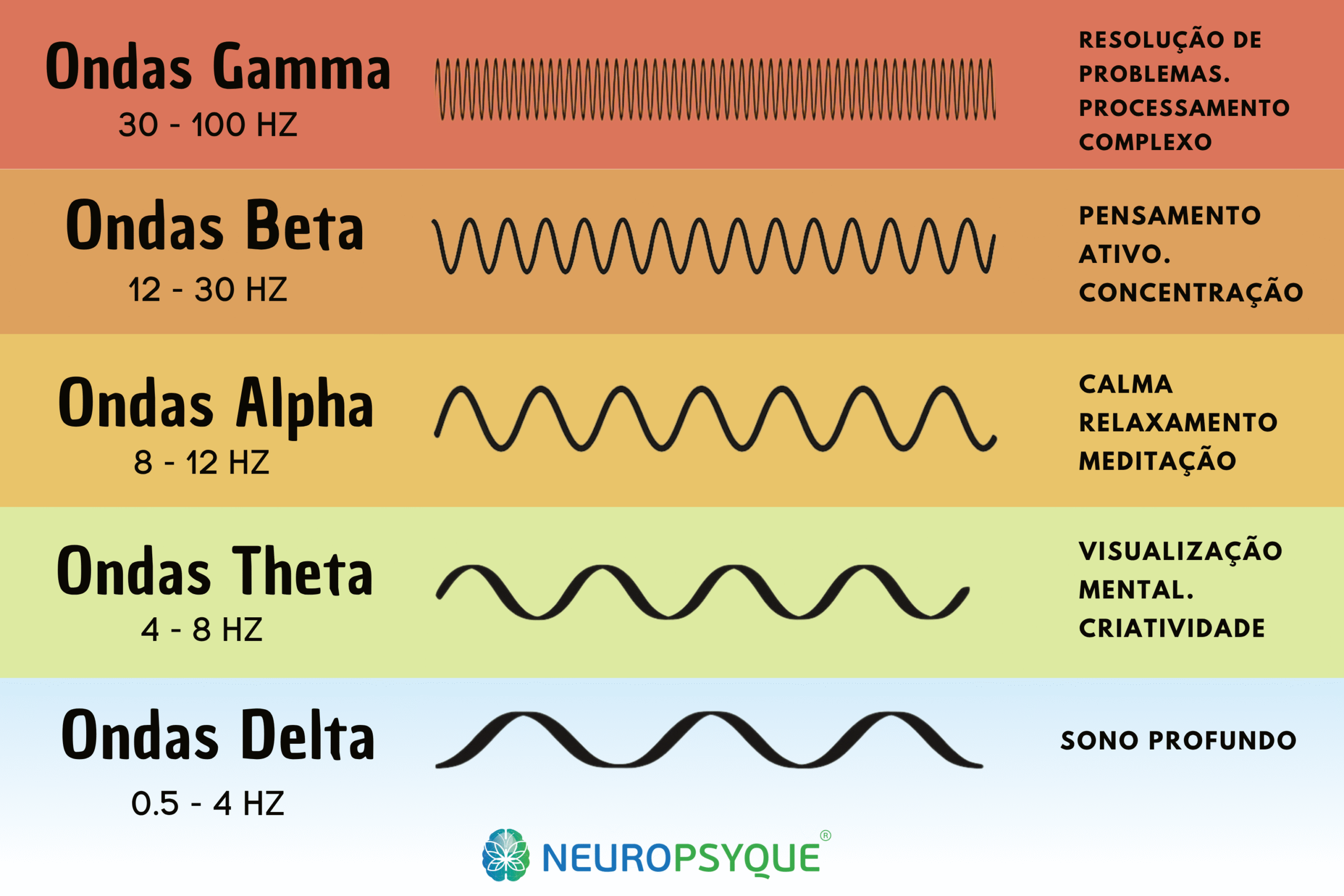
Neurotherapy - The Revolution in Treatment
Neurotherapy represents one of the most promising and innovative approaches in the treatment of multiple neurological conditions, including migraine. Neuromodulation offers an effective alternative to superior safety profile to conventional pharmacological treatments.
Transcranial Magnetic Stimulation (TMS)
EMT is a non-invasive technique that uses magnetic fields to modulate brain activity in specific areas related to migraine.
How it works: Magnetic pulses are directed to the occipital or prefrontal cortex, depending on the protocol. These pulses modulate cortical hyperexcitability e interrupt cortical spreading depressionexplained above - acts on the fundamental mechanisms of migraine.
Treatment protocols:
- Single pulse EMT (sTMS): FDA-approved for acute treatment and prevention
- Application at the onset of aura or headache
- Repetitive EMT (rTMS): 20-30 minute sessions, 10-20 session protocol
Analyses of efficacy in the treatment of migraine:
- Reduction of 27-98% in the number of migraine days per month
- Significant reduction in the need for acute medication
- Improvement in headache impact intensity classification (HIT-6)
- Response rate of 50% in the vast majority of studies
- Benefits maintained for months after treatment
Advantages of EMT:
- Non-invasive and painless treatment
- No significant side effects
- Very few moderate side effects (< 3% of patients)
- No dependency
- Can be used during pregnancy in selected cases
Specific Indications:
- Patients who did not respond to 2 or more categories of preventive medication
- Intolerance to medication side effects
- Contraindications to pharmacological treatments
- Preference for non-pharmacological treatment
- Migraine during pregnancy
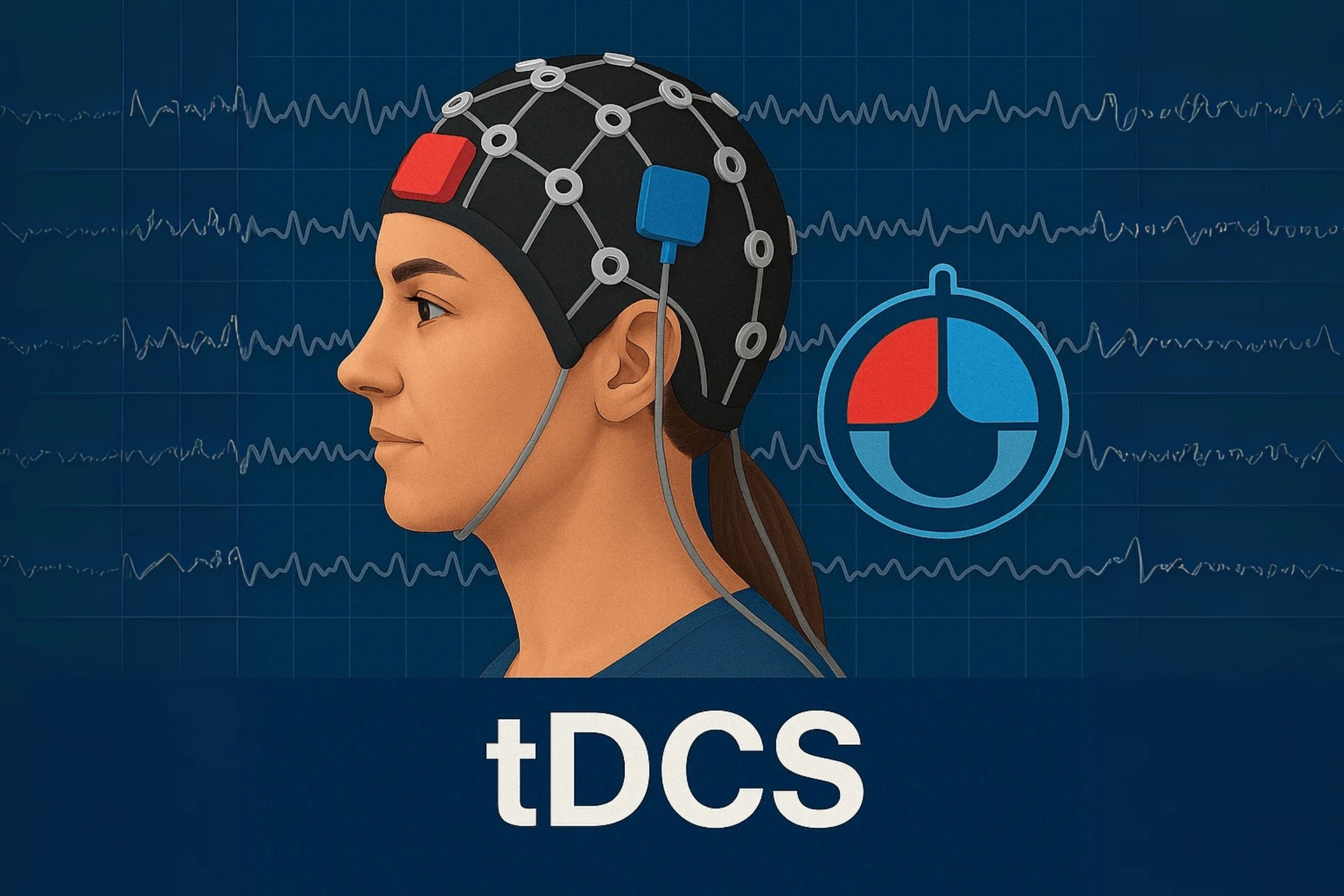
Transcranial Direct Current Stimulation (tDCS)
Technique complementary which uses low-intensity electric current to modulate cortical excitability. Although it has less evidence than EMT for migraine, shows promising results especially when combined with other therapies.
Other Non-Pharmacological Therapies
Cognitive Behavioural Therapy
It helps to develop strategies for minimising damage, reducing stress and modifying dysfunctional thoughts related to pain. Particularly useful when there is associated anticipatory anxiety or depression.
Acupuncture
Growing evidence suggests efficacy in reducing the frequency of crises. It can be especially useful as a complement to other treatments.
At NeuroPsyque, we offer a truly integrated approach that combines Neurology, Neuropsychology e Advanced neurotherapy. Our aim is to provide the best possible expectation of improvementusing the most innovative techniques available - including Transcranial Magnetic Stimulation with a safety profile superior to conventional treatments.
When to seek professional help
Many people live years with migraine without seeking specialised help, either because they undervalue their condition, fear it or are unaware of the therapeutic options available. It's essential to know when to seek medical attention.
Signs that warrant a consultation
Seek a neurological assessment if necessary:
- Recurrent headaches that interfere with daily activities
- Need for analgesic medication more than 2-3 times a week
- Headaches that do not respond to conventional treatment
- Change in the usual pattern of your headaches
- Significant impact on quality of life, work or relationships
When it's really urgent - warning signs
Seek immediate medical help if you experience it:
- "Thunderstorm headache": Pain that reaches maximum intensity in seconds (may indicate cerebral haemorrhage)
- First migraine after the age of 50: Requires exclusion of other causes
- Headache with fever, stiff neck or rash: May indicate meningitis
- Headache after head trauma
- Neurological symptoms that persist after the headache: Weakness, visual changes, speech difficulties that don't resolve
- Mental confusion, altered state of consciousness or convulsions
- Progressively worse headache over days or weeks
- Headache that wakes you up at night
Reality in Portugal
Worrying data shows that:
- 40% of patients have no medical follow-up
- 60% of patients undergoing treatment are dissatisfied
- 55-70% are unaware of innovative treatment options such as monoclonal antibodies or neurotherapy
This scenario reveals the urgent need for greater awareness and access to specialised care.

How to deal with Migraine in everyday life?
In addition to specialised medical care, there are practical strategies that can significantly improve quality of life and reduce the frequency and intensity of seizures.
Trigger management
Migraine diary
Keeping a detailed diary for at least 2-3 months is essential. Keep a record:
- Start date and time
- Premonitory symptoms
- Pain intensity (0-10 scale)
- Total duration
- Activities in the previous 24 hours
- Food consumed
- Sleep pattern
- Stress or emotional events
- Menstrual cycle phase (women)
- Weather conditions
- Medication taken and response
Over time, patterns emerge that make it possible to identify personal triggers and anticipate crises.
Stress management:
- Diaphragmatic breathing techniques
- Regular breaks during the day
- Delegation of tasks when possible
- Setting healthy boundaries
- Regular practice of relaxing activities
Relaxation techniques:
- Progressive muscle relaxation
- Diaphragmatic breathing
- Meditation and mindfulness
- Adapted yoga
Regular Physical Exercise
Moderate aerobic exercise (walking, swimming, cycling) has an effect preventive proven. The important thing is:
- Regularity (3-5 times a week)
- Moderate intensity
- Avoid sudden intense exercise that can trigger seizures
- Good hydration
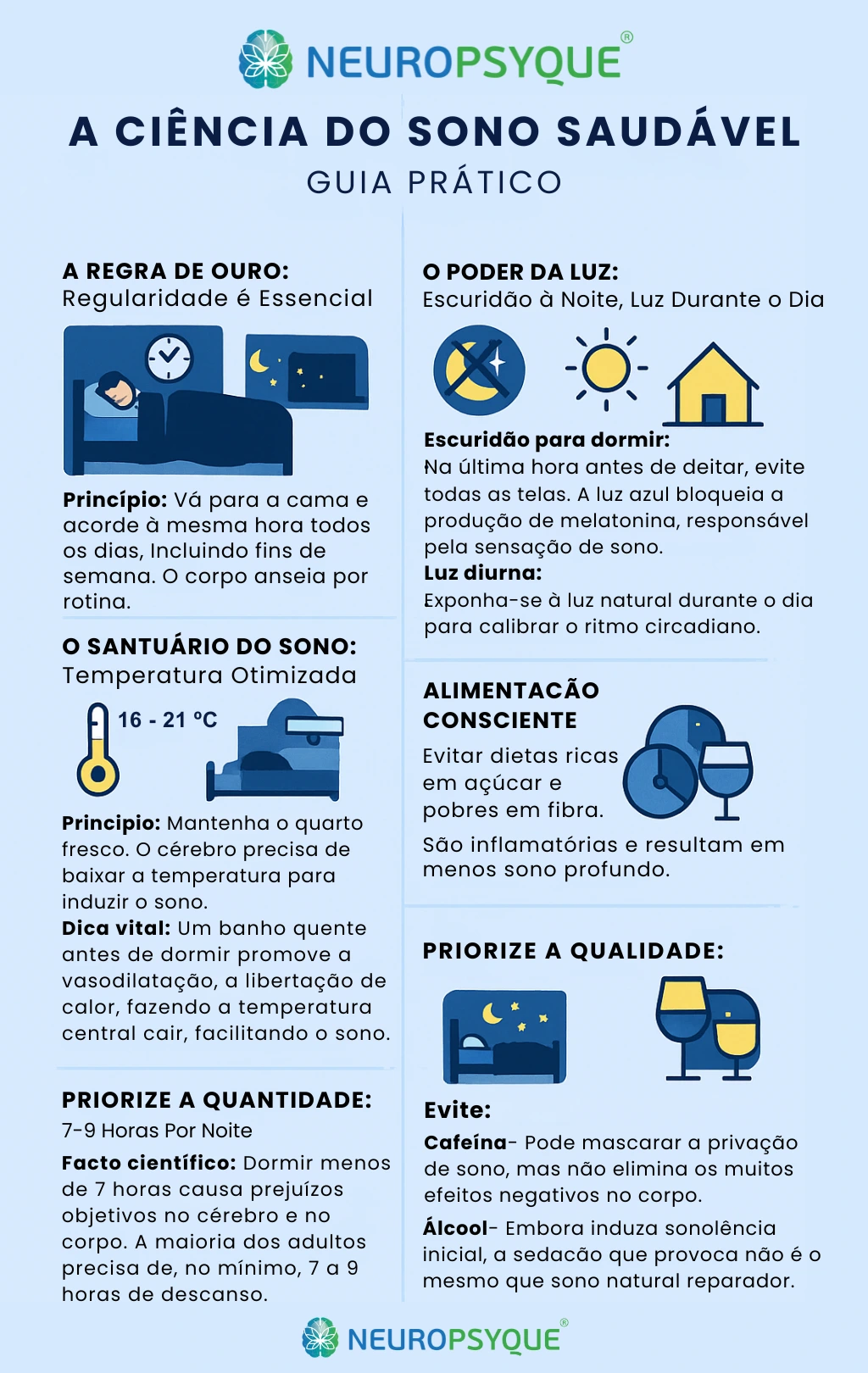
Sleep Hygiene
Irregular sleep is one of the most common triggers:
- Going to bed and getting up at the same time every day (including weekends)
- 7-9 hours of sleep per night
- Dark, cool and quiet room
- Avoid screens 1 hour before bedtime
- Relaxing routine before bed
- Avoid prolonged naps during the day
Food and Migraine
Eating patterns
- Don't skip meals (fasting is a common trigger)
- Maintain regular meal times
- Identifying individual problem foods
- Moderate (not necessarily eliminate) commonly associated foods
- Adequate hydration (1.5-2L water/day)
Foods to Avoid or Moderate
- Alcohol (especially red wine)
- Aged cheeses
- Chocolate (for some)
- Too much caffeine
- Processed foods with preservatives
- Artificial sweeteners
- Very cold food
Prioritise:
- Regular, balanced meals
- Fresh fruit and vegetables
- Lean proteins
- Wholemeal cereals
- Healthy fats (olive oil, nuts)
- Magnesium-rich foods
Moisturising
Dehydration is a very common trigger. Drinking water regularly throughout the day is very important.
Strategies During Crises
When a crisis begins:
- Early medication: Taking medication at the first signs makes a difference
- Suitable environment: Dark, quiet room, comfortable temperature
- Rest: Lie down if possible
- Cold compresses: On the forehead or back of the neck can relieve pain
- Breathing techniques: Slow, deep breathing
- Gentle massage: On the neck and temples (if tolerated)
- Moisturising: Small sips of water
Social and Family Support
Communication: Explain to family, friends and colleagues what migraine is and how it affects their condition. Educate about the difference between headache and migraine.
Establish a plan: Inform those closest to you about the signs of a crisis and how they can help (reduce noise, darken rooms, don't require conversation).
Support Groups: Participate in groups such as MiGRA Portugal allows you to share experiences, strategies and feel understood. Knowing about the condition can save a lot of time in the form of suffering.
Managing Expectations: Being realistic about limitations during crises, without guilt. Having contingency plans for important commitments.
At Work
- Communicate with supervisor/human resources about condition
- Explore flexible working hours when possible
- Organise work space if possible (lighting, noise)
- Take regular breaks
- Have emergency medication available
- Visit quiet places to rest if necessary
Advances in scientific research
a
Migraine research is at an advanced stage. extraordinarily dynamicwith discoveries that are revolutionise the way we understand and treat this condition.
The Discovery of CGRP
The identification of this peptide, related to the calcitonin gene (CGRP), as a key mediator of migraineThis represents one of the greatest advances in recent decades.
During migraine attacks, CGRP levels are markedly high. This substance:
- Causes dilation of cerebral blood vessels
- Sensitises the pain pathways
- Perpetuates neurogenic inflammation (inflammation of the nervous system)
This discovery has led to the development of targeted therapies against the CGRP.
Revolutionary New Medicines
Anti-CGRP Monoclonal Antibodies
They represent the first class of drugs developed specifically to prevent migraines:
- Erenumab: Blocks the CGRP receptor
- Galcanezumab: Blocks the CGRP molecule
- Fremanezumab: Blocks the CGRP molecule
- Eptinezumab: Blocks the CGRP molecule
Features:
- Monthly or quarterly subcutaneous injection (except eptinezumab, administered intravenously)
- Reduction of 50% or more in migraine days in 40-60% of patients
- Good security profile
- Fewer side effects than other drugs (some injection site reactions)
- Does not interact with other medicines
Gepants (Small Oral Molecules)
New class of drugs that block the CGRP receptor:
- Rimegepant, Ubrogepant
- Oral route (tablets)
- Can be used for both acute and preventative treatment
- Alternative to triptans (mentioned above)
- Can be used in patients with cardiovascular disease
Biomarkers
Researchers are currently developing biomarkers that will make it possible:
- More objective diagnosis
- Prediction/approximate estimate of response to specific treatments
- Identifying migraine subtypes
- Approach based on individual profile (more personalised treatment)
Emerging Therapies
Stimulation of the vagus nerve: Non-invasive devices that stimulate vagus nerve through the skin of the neck. Studies show efficacy in both acute and preventative treatment.
Portable Neuromodulator Devices - Various devices approved for home use:
- Portable transcranial magnetic stimulation (sTMS)
- External electrical stimulation of the trigeminal nerve
- Transcutaneous vagus nerve stimulation
Understanding the Mechanisms of Migraine
Intestinal microbiome: Emerging studies suggest a link between the gut microbiome and migraine, paving the way for probiotic interventions.
Advanced Neuroimaging: Sophisticated functional magnetic resonance imaging techniques reveal specific brain changes in migraine sufferers, even between attacks.
Future prospects
In the next 5-10 years, we can hope:
- More drugs targeting CGRP and other specific pathways
- More effective and affordable neuromodulator devices
- Highly personalised treatment protocols
- Therapies that can modify the course of the disease, not just treat symptoms
- Better understanding of the mechanisms that will allow prevention in high-risk people, before the first symptoms appear
Research offers real hope that, in the not too distant future, migraine could be a condition much better controlledor even prevented.
Myths and Truths about Migraine
The stigma and myths surrounding migraine contribute to underdiagnosis and the silent suffering of millions. It's essential to demystify misconceptions.
| Myth | Truth |
| "It's just a bad headache" | Migraine is a complex neurological disease involving specific brain alterations with a strong genetic component. It is recognised by the WHO as the 2nd leading cause of disability globally. |
| "It only affects women" | Although it is 2-3 times more common in women, 1 in 10 men also suffer from migraines. The gender difference is related to hormones. |
| "No treatment" | There are multiple effective therapeutic options: acute and preventative medication, neurotherapy, monoclonal antibodies, neuromodulatory devices and other non-pharmacological therapies. |
| "It's all psychological or stress" | Although stress can be a trigger, migraine is a neurological condition with measurable physical changes in the brain. It's not "imagination". |
| "Migraine sufferers always have a headache" | All migraines are episodic - there are attacks followed by periods without symptoms. Even in chronic migraine, which is present most days of the month, there are days when symptoms are not present. |
| "You can't do anything during a crisis" | With appropriate treatment and management strategies, many people manage to maintain functionality, albeit reduced. |
Resources and support available in Portugal
Portugal has several resources for people with migraines, although access still presents significant challenges.
| Resource | Description | Contact |
| MiGRA Portugal - Portuguese Migraine and Headache Association | Patients' organisation offering information, support, awareness-raising and defence of rights. Support groups and sharing of experiences. | www.migraportugal.pt |
| National Health Service (SNS) | Neurology consultations through the family doctor. Access to reimbursed treatments. | Local health centre |
| SNS 24 line | 24-hour telephone support for health issues and counselling | 808 24 24 24 |
| University Hospitals | Specialised headache and pain consultations. Headache units in central hospitals | Various (Lisbon, Porto, Coimbra...) |
Access to treatments
Challenges facing the NHS:
- 70% of monitored patients had to resort to the private sector
- Waiting lists too long for neurology appointments
- Monoclonal antibodies still with limited access
- Innovative treatments are absent or scarce
Conclusion
Migraine is a disabling disease that has a major impact on all aspects of life. Far from being "just a headache", it is a complex condition with a genetic and neurobiological basis that profoundly transforms the lives of those who suffer from it.
Essential key points:
The brain changes in migraine are measurable and the genetic basis is proven. The stigma that "it's just a headache" contributes to silent suffering and underdiagnosis.
Correct and timely diagnosis is essential. Many sufferers live for years without knowing they have migraine, taking inadequate measures and suffering excessively. Specialised care makes all the difference.
There are highly effective treatments available for the condition. From specific medication such as triptans and anti-CGRP monoclonal antibodies, to innovative therapies such as Neurotherapy, the therapeutic options have expanded dramatically in recent years.
Neurotherapy, especially Transcranial Magnetic Stimulation, represents a revolution in treatment. With solid scientific evidence, it demonstrates an average reduction rate (of at least half the number of episodes) of 45%, and offers a safe and effective alternative with a safety profile far superior to conventional pharmacological treatments.
Migraine management goes beyond medication. Identification of triggers, lifestyle modifications, sleep hygiene, stress management and psychological support are essential components of an integrated approach.
In Portugal, we face some particular challenges: 40% of patients do not have regular medical follow-up, 60% are dissatisfied with their treatment, and the majority are unaware of innovative options. It is essential to raise awareness, improve access to specialised care and combat stigma.
A message of hope:
Migraine is not a final judgement. With a correct diagnosis, appropriate treatment and specialised follow-up, it is possible to regain quality of life, significantly reduce attacks and get back to planning for the future without constant fear.
Each person is unique, and finding the ideal therapeutic combination may require time and adjustments, but it's worth persevering. Recent scientific advances have brought more options than ever before, and the future is promising.
In NeuroPsyquewe have the most specialised equipment and specialists in therapies such as Transcranial Magnetic Stimulation and Transcranial Direct Current Stimulation, which have proved fundamental in the treatment of migraine.
Book your appointment with us!
FAQ's about Migraine
1. Is migraine curable?
Migraine does not have a definitive cure, in the sense of the complete and permanent elimination of symptoms. Nevertheless, it can be very well controlled with appropriate treatment. With the therapies available today - including preventative medication, neurotherapy and trigger management - many sufferers experience a drastic reduction in the frequency and intensity of attacks, allowing them to lead normal, productive lives.
2. What is the difference between a migraine and a headache?
Migraine is a specific type of headache. Unlike other headaches, which are symptoms of other diseases, migraine is a neurological disease in itself. It is characterised by moderate to severe pulsating pain, often one-sided, lasting 4-72 hours, accompanied by nausea, photophobia and phonophobia. A common headache (tension headache) is usually bilateral, pressure-like or squeezing, mild to moderate, without the associated symptoms characteristic of migraine.
3. How is migraine diagnosed?
Diagnosis is clinical, based on a detailed history of symptoms and neurological examination. There is no specific test that "confirms" migraine. The doctor assesses pain characteristics, associated symptoms, frequency, family history and functional impact. Complementary tests (MRI, CT) are only necessary when there are warning signs that suggest other causes.
4. What is a migraine aura?
The aura consists of temporary and completely reversible neurological symptoms that precede the headache by 10-60 minutes. Visual aura is the most common (90% of all aura symptoms), with bright spots, zigzag lines or spots in the visual field. It can also include tingling, numbness, speech difficulties or, rarely, temporary weakness. Only 20-30% of people with migraine have an aura.
5. What are the main triggers of migraine?
Triggers are very individual, but the most common include: hormonal changes (menstruation), stress or relaxation after stress, changes in sleep pattern (excess or deprivation), prolonged fasting, certain foods (chocolate, cheese, alcohol), weather changes, intense light, noise, strong odours and sudden intense physical exercise. Rarely does a single factor alone cause a crisis - it's usually a combination of several.
6. Is neurotherapy effective for migraines?
Yes, very effective. Transcranial Magnetic Stimulation has robust scientific evidence showing a very significant reduction in the number of migraine days per month. Multicentre studies show that 40-60% of patients have a reduction of 50% or more in attacks. The big advantage is the superior safety profile - non-invasive, painless treatment with no significant side effects and no risk of addiction. Approved by the FDA (USA) and CE marked (European Conformity).
7. How long does migraine treatment take?
It depends on the approach. Acute medication should be taken as soon as the crisis begins. Preventive pharmacological treatments take 6-12 weeks to show full effect. Neurotherapy usually involves protocols of 10-20 sessions, with benefits that can begin to appear after 5-10 sessions and continue for months. Treatment is continuous and adjusted according to response.
8. Is migraine hereditary?
Yes, it has a strong hereditary component. 70% of people with migraine have a close relative with the condition. If both parents have migraine, the risk for their children is around 70%. If only one parent has it, the risk is 45%. Multiple genetic variants are associated with migraine, confirming its biological basis.
9. Why do migraines affect women more?
Women have a 2-3 times higher risk due to female sex hormones, especially oestrogen. Before puberty, the prevalence is equal between boys and girls. After the first menstruation, the difference increases dramatically. Many women experience menstrual migraines related to the drop in oestrogen. Pregnancy can temporarily improve them, and the menopause often lessens the attacks.
10. What to do during a migraine attack?
Take specific medication at the first signs (it's more effective early on). Lie down in a dark, quiet and cool room. Apply cold compresses to your forehead or the back of your neck. Practise slow, deep breathing. Avoid sensory stimulation (light, noise, odours). Stay hydrated with small sips of water. Rest without guilt - your body needs it.
11. When is migraine considered chronic?
Chronic migraine is diagnosed when there is a headache on 15 or more days a month for at least 3 months, and on at least 8 of these days the headache has migraine characteristics. It requires a specialised preventive approach and may benefit from botulinum toxin or monoclonal antibodies.
12. Are there any support groups in Portugal?
Yes, the MiGRA Portugal (Associação Portuguesa de Doentes com Enxaquecas e Cefaleias) is the main support organisation for migraine sufferers, offering face-to-face and online support groups, educational webinars, up-to-date information on treatments and advocacy. Contacting and sharing with others who are living the same reality is fundamental to not feeling alone and to learning practical management strategies.
13. Does coffee help or worsen migraines?
It depends. Caffeine has a paradoxical effect: in moderate doses during a crisis it can help (that's why it's present in some migraine medicines), but habitual overconsumption or sudden deprivation are powerful triggers. If you drink coffee regularly, keep the amount consistent. Avoid more than 2-3 coffees a day and don't stop abruptly at weekends.
14. Can children get migraines?
Yes. Migraine can appear in childhood, although the manifestations are different: often bilateral, shorter attacks (they can last less than 4 hours), more prominent vomiting, and it can manifest as cyclical vomiting or recurrent vertigo. Early identification is fundamental for adequate treatment and prevention of the impact on development and school performance.
15. How do I explain migraine to others?
Be direct and educational: "Migraine is not just a headache. It's a neurological disease recognised by the WHO as the 2nd leading cause of disability globally. During a crisis, I have severe throbbing pain, nausea, and extreme hypersensitivity to light and sound that completely prevents me from functioning. It's not something that goes away with an aspirin. It's always an uncertainty as to whether I'll be available at a later date. I need understanding when I have to cancel plans or need to stay in a dark room." Share educational resources like this article - it will certainly help!