Skip to content



ALCOHOLISM - Treatment in Lisbon
Specialised psychiatric assessment and treatment of alcohol dependence in Lisbon
WHAT IS ALCOHOLISM?

A whole-body illness, not a character flaw
Alcoholism, or Alcohol Use Disorder, is a chronic and progressive disease. It profoundly affects the brain's reward, motivation and memory systems. It's not just a lack of willpower. Over time, excessive alcohol consumption causes physical and chemical changes to the structure of the brain, making people unable to control their drinking, even though they know the serious consequences for their personal, social and professional lives.
Most common manifestations
- CravingAn uncontrollable and obsessive desire to consume alcohol, which dominates your thoughts throughout the day.
- Loss of ControlSystematic inability to stop or limit consumption after starting to drink.
- Increased ToleranceThe need to consume increasingly large quantities of alcohol to achieve the same effect (intoxication or relief).
- Abstinence SyndromeTremors, cold sweats, nausea, extreme anxiety or even convulsions when consumption is interrupted.
SIGNS, PATTERNS AND IMPACT
Abusive Consumption
A pattern characterised by drinking large quantities over a short period, several times a week, with the aim of getting drunk quickly, often masked as social drinking.
Intensive StandardPhysical and Psychological Dependence
Alcohol is used as a "medication" to deal with negative emotions, stress or to get to sleep, and it becomes a daily necessity.
DependencySystemic and Neurological Impact
Long-term consumption in large quantities causes irreversible liver damage (cirrhosis), heart problems and serious cognitive deficits (memory loss and alcoholic dementia).
ConsequencesBiological and psychosocial factors
Genetics play a major role in the propensity to become addicted, along with facilitating environments, childhood traumas or untreated mental conditions.
Risk Factors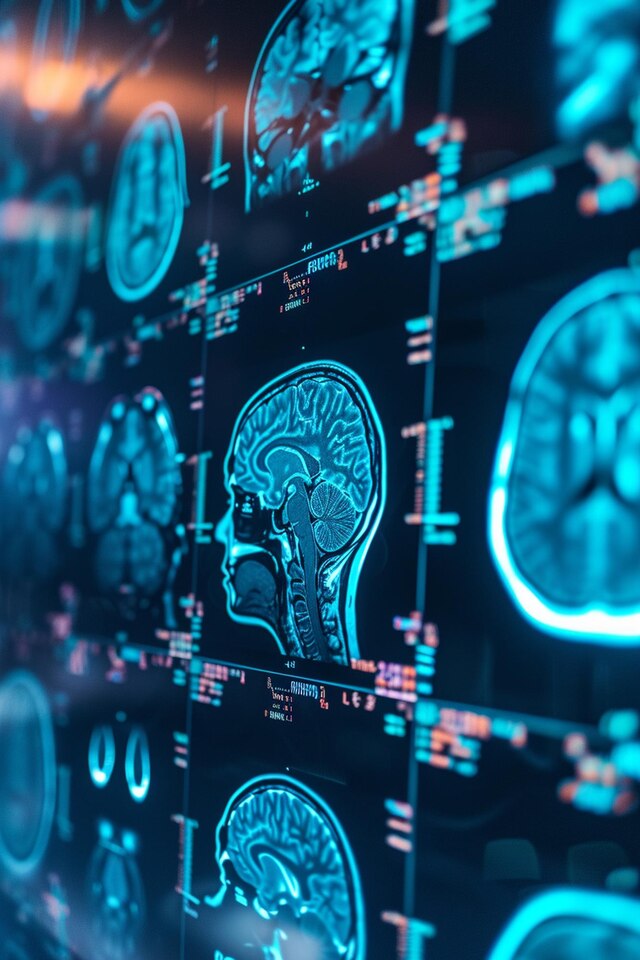
Alcohol consumption is often associated with other pathologies (Dual Diagnosis), such as Deep Depression and Chronic Anxiety.
EFFECTIVENESS IN TREATMENT
ALCOHOL DEPENDENCE
Clinical results based on pharmacological support, continuous psychotherapy and neuromodulation (Transcranial Magnetic Stimulation).
* Recovery from addiction is an ongoing process. The data is based on rehabilitation interventions and long-term psychiatric follow-up.
Sources: clinical data, longitudinal studies of cortical recovery (Stanford University/PubMed), and evidence on combined intervention from the National Institutes of Health (NIH).



THE IMPORTANCE OF SEEKING SPECIALISED HELP
Denial of the disease is the main obstacle in the treatment of alcoholism. Many sufferers believe that they can stop whenever they want, but their dependent and altered brains won't allow it. Stopping alcohol consumption abruptly, after a period of severe physical dependence, without medical supervision, is dangerous and can trigger life-threatening consequences such as Delirium Tremens (confusion, hallucinations and severe tremors).
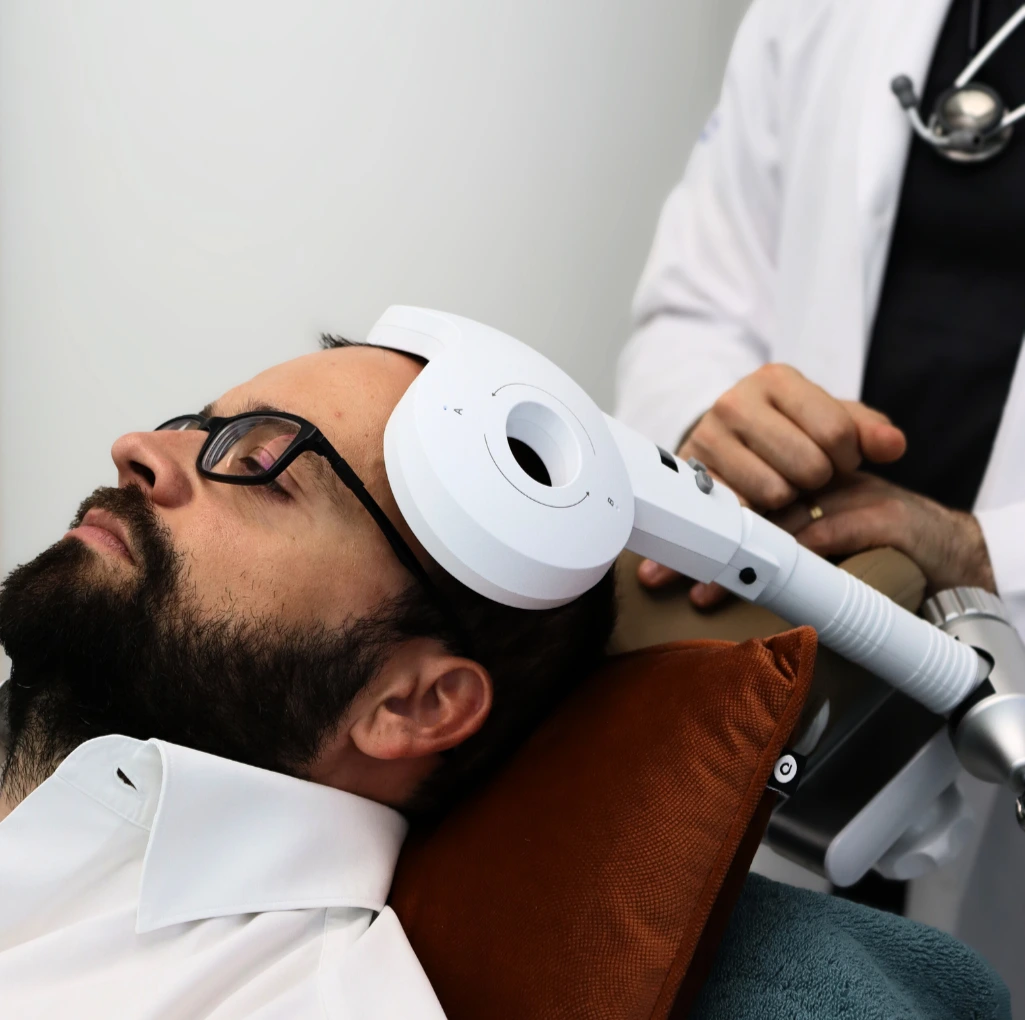
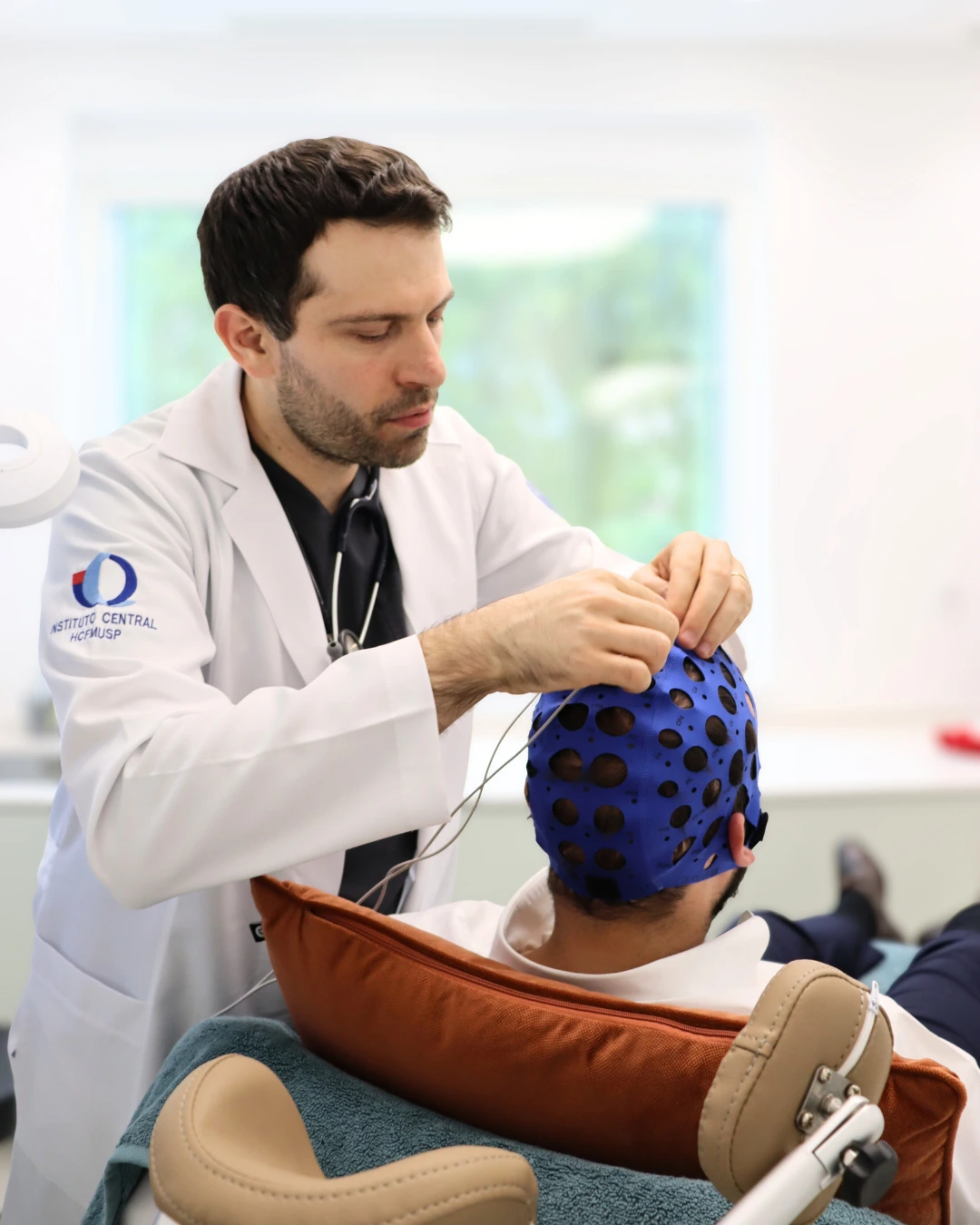
At Clínica NeuroPsyque, the medical approach recognises addiction as a psychiatric and neurological disease. We offer pharmacological counselling to manage the withdrawal phase, combined with psychotherapy to treat trauma and associated mental health problems. Innovative interventions such as Transcranial Magnetic Stimulation (TMS) can also be very effective, integrated into the treatment to attenuate the urge to consume and treat parallel depressions. This approach allows for a forward-looking treatment, rather than just a short-term treatment of symptoms.
FAQ's on Alcoholism
Can I suddenly stop drinking on my own?
Can alcoholism be cured?
What role does medication play in treatment?
Does Neuromodulation (EMT) help with Alcoholism?
How can the family help?
Do I have to drink every day to be considered an alcoholic?
Do I need a medical referral to book an appointment at NeuroPsyque?