 Skip to content



PERIPHERAL NEUROPATHIES - Treatment in Lisbon
Specialised diagnosis, pain treatment and neurological rehabilitation of the peripheral nervous system in Lisbon
WHAT ARE PERIPHERAL NEUROPATHIES?

When the body's "communication cables" fail
Peripheral neuropathies are a group of conditions in which the nerves outside the brain and spinal cord - the peripheral nervous system - are damaged or stop working properly. These nerves are the "cables" that connect the central nervous system to the rest of the body: they carry orders from the brain to the muscles and return sensory information (touch, temperature, pain, position) back to the brain. When they fail, the result can be intense pain, muscle weakness, loss of sensation or changes in the body's automatic functions.
How it manifests itself in everyday life
- Neuropathic PainSensations of burning, electric shock, "needles" or persistent tingling - often more intense at night, and disproportionate to the stimulus that triggers them.
- Loss or Alteration of SensitivityNumbness, insensitivity to heat and cold, or a feeling of "walking in thick socks" even with bare feet, compromising balance and the perception of one's own body.
- Muscle weakness and atrophyDifficulty in performing tasks that require strength or fine coordination - such as climbing stairs, holding objects or maintaining balance when walking - which can evolve into visible loss of muscle mass.
- Autonomic dysfunctionWhen the nerves that control automatic functions are affected: changes in heart rate, hypotension when standing up, digestive dysfunction or changes in sweating.
CAUSES AND RISK FACTORS
Diabetes Mellitus
The most common cause of acquired (non-genetic) peripheral neuropathy. Chronically high levels of glycaemia slowly damage the vessels that feed the nerves, causing so-called diabetic neuropathy - typically beginning in the lower extremities.
MetabolicDrug or Substance Toxicity
Certain drugs, antibiotics and excessive and prolonged alcohol consumption can be neurotoxic, directly damaging peripheral nerve fibres with a pattern that is often reversible (treatable) once exposure is stopped.
ToxicAutoimmune and Inflammatory Diseases
The immune system can mistakenly attack the peripheral nerves, as happens in Guillain-Barré Syndrome (acute) or Chronic Inflammatory Demyelinating Polyneuropathy (CIDP). These are treatable conditions when identified early.
AutoimmuneGenetic, Nutritional and Other Causes
Deficiencies of B vitamins (especially B12), hereditary neuropathies (such as Charcot-Marie-Tooth Disease), viral infections or mechanical nerve compression are other common causes that require different therapeutic approaches.
Multifactorial
Identifying the underlying cause is the most important step: treatment is radically different depending on the origin of the neuropathy.
EFFECTIVENESS IN THE TREATMENT OF NEUROPATHIES
Results based on precise diagnosis, control of the cause and integrated neurological rehabilitation
* Values based on reference clinical literature on the treatment of peripheral neuropathies and neurological rehabilitation.



WHY EARLY DIAGNOSIS CHANGES EVERYTHING
One of the biggest pitfalls of peripheral neuropathies is the normalisation of symptoms. Many patients spend months or years attributing the tingling, numbness or weakness to "tiredness", "ageing" or a "bad sleeping position". Meanwhile, the nerves continue to be damaged - and the window for a more complete recovery is closing.
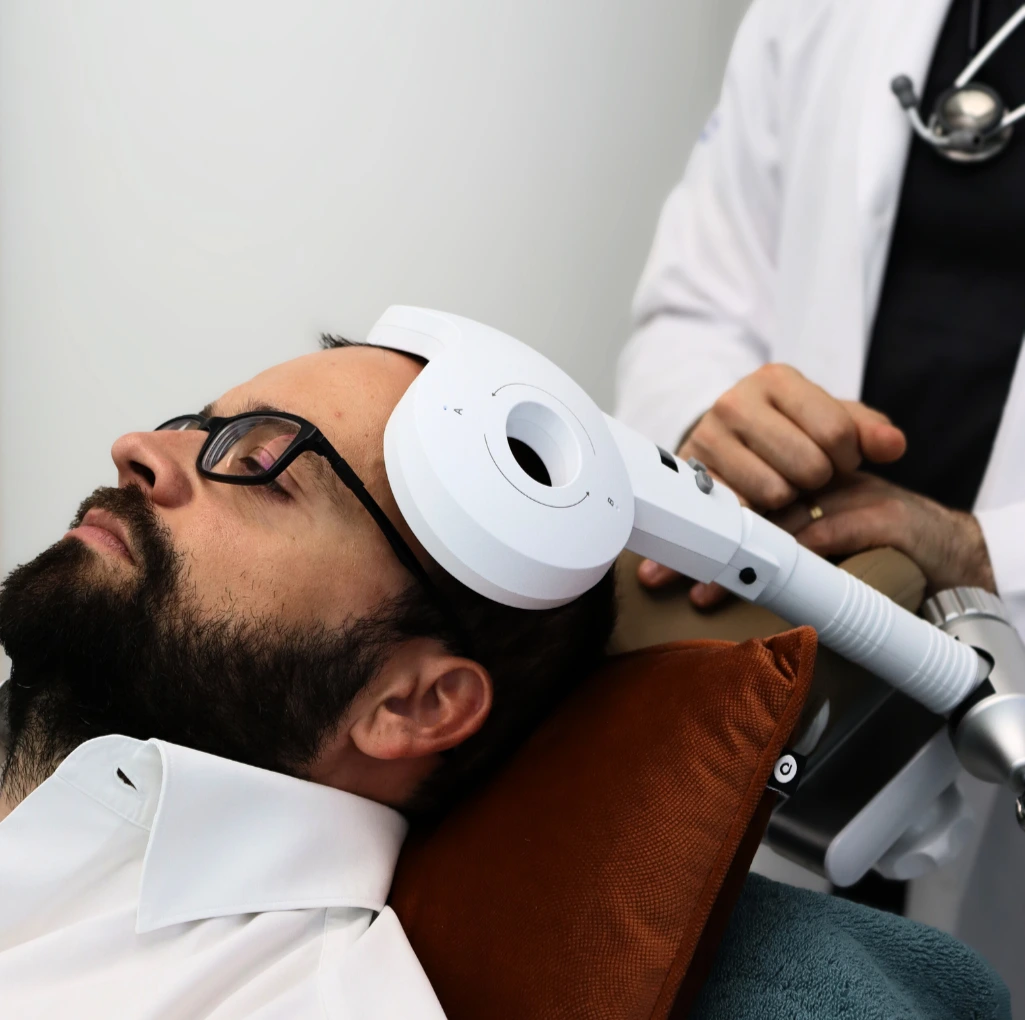
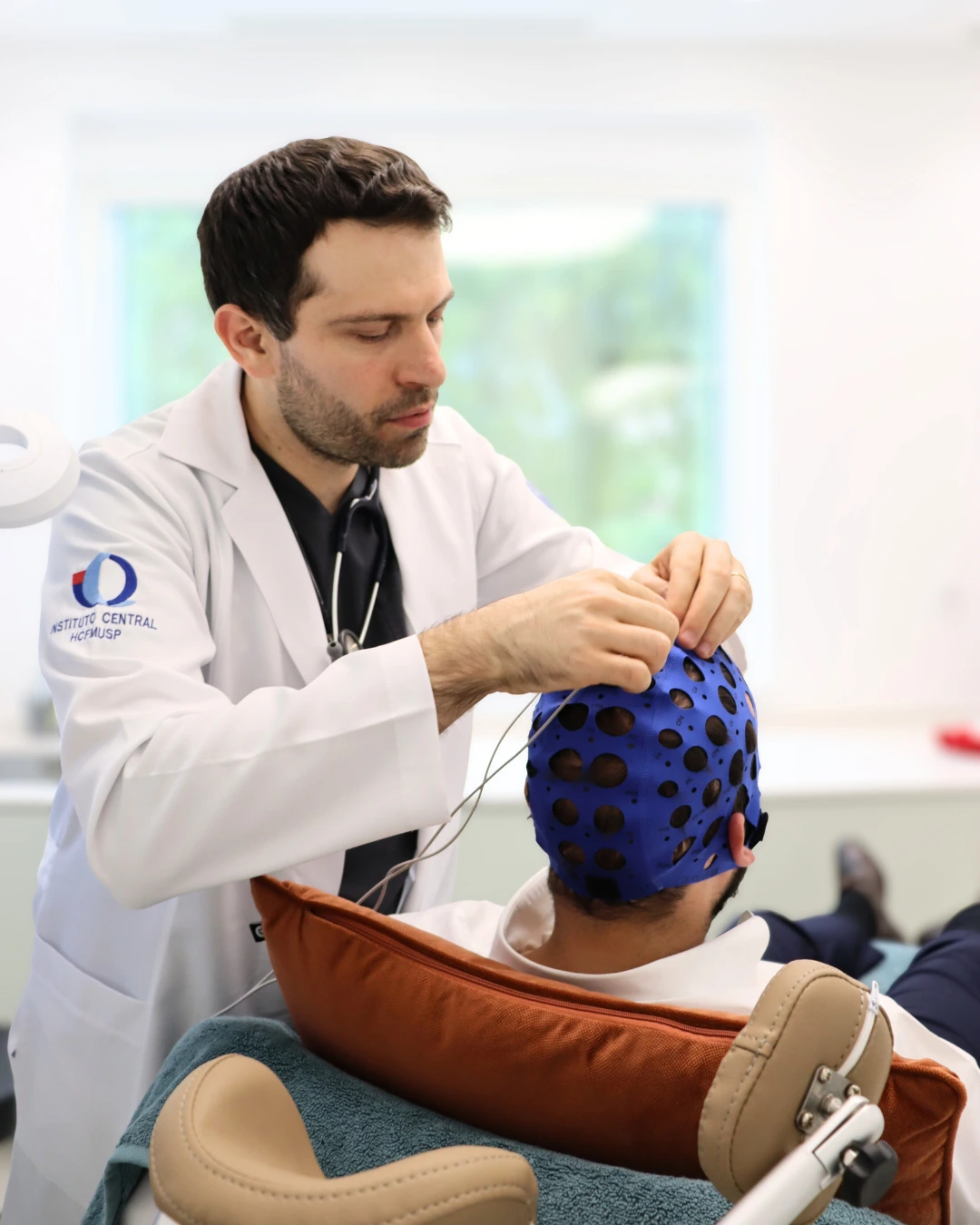
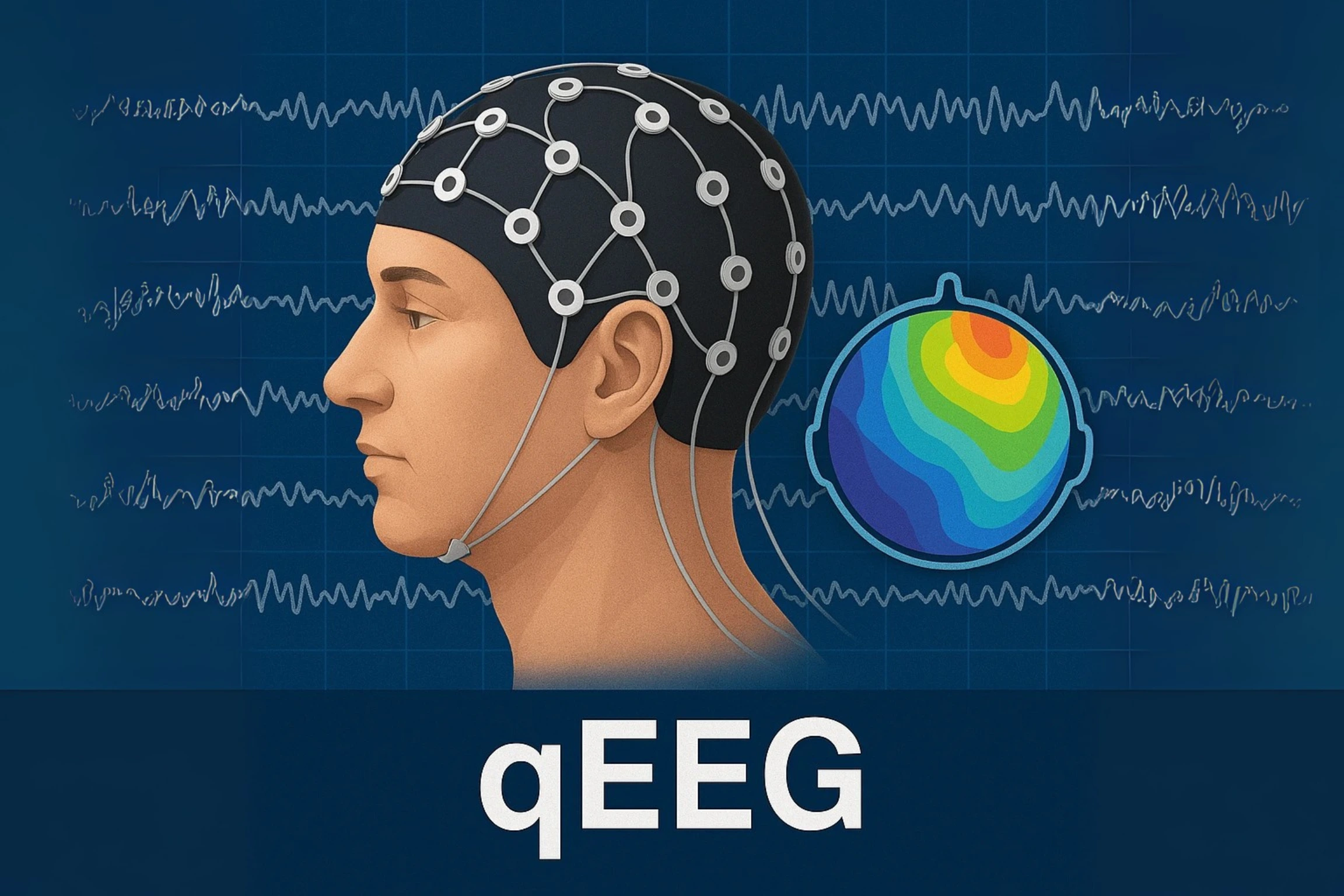
At NeuroPsyque, the assessment of peripheral neuropathies begins with a rigorous diagnosis to identify the cause and extent of nerve damage - using electroneuromyography, neuropsychological assessment and complementary analyses when necessary. The therapeutic plan is then designed specifically for each patient: control of the underlying cause, pharmacological pain management, non-invasive neuromodulation protocols (EMT or tDCS) to modulate pain circuits, and physical and neurological rehabilitation to preserve and recover motor and sensory function.