Skip to content



GENETIC DISEASES - NEUROLOGY | Treatment in Lisbon
Specialised neurological assessment, counselling and multidisciplinary support in Lisbon
WHAT ARE NEUROLOGICAL GENETIC DISEASES?
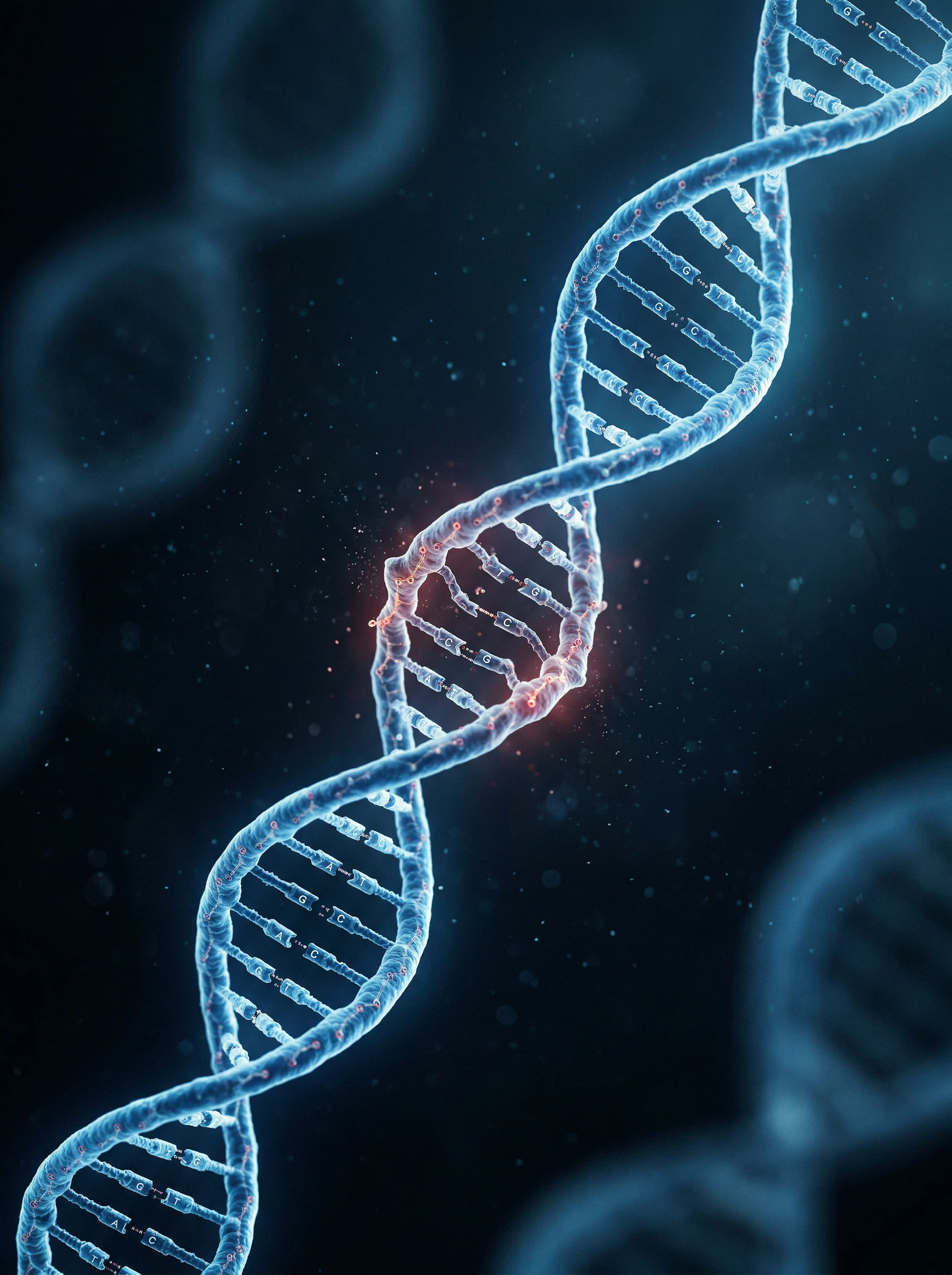
When the genetic code moulds the nervous system
Neurological diseases of genetic origin result from alterations in DNA - mutations inherited from one or both parents, or generated spontaneously by mutation during development. These mutations compromise the structure or functioning of the central and peripheral nervous system. They are chronic and often progressive, This requires a close clinical approach throughout life. Heredity also implies that other family members may be carriers or at risk, making genetic counselling an essential part of care.
How they can manifest themselves
- Movement DisordersInvoluntary tremor, muscle rigidity, uncoordinated movements or spasms that progressively affect autonomy - as occurs in some hereditary forms of ataxia (motor incoordination) or dystonia (involuntary muscle contractions).
- Early Onset Cognitive DeclineProgressive loss of memory, attention or executive functions in young or middle-aged adults, earlier than expected for normal ageing. There is often an identifiable family pattern.
- Hereditary NeuropathiesLesion of the peripheral nerves that causes weakness, numbness or pain, especially in the extremities of the limbs. One of the most representative groups are hereditary motor and sensory neuropathies (e.g. Charcot-Marie-Tooth disease).
- Genetic EpilepsyCertain forms of epilepsy have a documented genetic basis. Identifying the specific mutation makes it possible to select the most effective antiepileptic and avoid drugs that could worsen the condition.
PATTERNS OF HEREDITY AND TRANSMISSION
Autosomal Dominant Transmission
It only takes one altered copy of the gene for the disease to manifest itself. Each child of a carrier has a 50% chance of inheriting the mutation. Some forms of spinocerebellar ataxia follow this pattern.
DominantAutosomal Recessive Transmission
Two mutated copies (one from each parent) are needed for the disease to manifest. Carriers of a single copy have no symptoms but can pass the mutation on to their children.
RecessiveX-linked
The mutation is found on the X chromosome, which means that men are typically more affected and women can be silent carriers. Certain forms of muscular dystrophy follow this pattern.
X-linkedNew Mutations in Cell Reproduction
Genetic alterations that appear for the first time in an individual, with no identifiable family history. Although not inherited, these mutations can be passed on to subsequent generations.
Spontaneous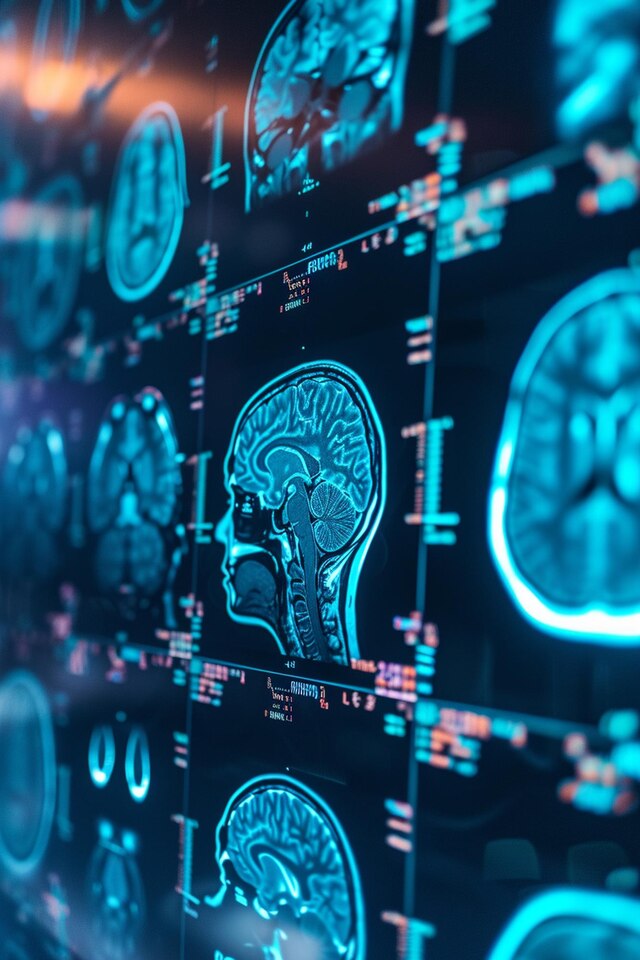
Knowing the pattern of transmission is essential for family planning and for identifying other family members at risk.
THE IMPACT OF MONITORING SPECIALISED
Results centred on early diagnosis, genetic counselling and long-term quality of life
* Genetic counselling and molecular diagnosis allow for precise therapeutic strategies, reducing the functional and emotional impact of the disease in the long term.
Sources: clinical data, NIH/NINDS - Charcot-Marie-Tooth Disease Fact Sheet (life expectancy and functional autonomy); Cleveland Clinic - CMT Disease Overview (multidisciplinary care outcomes); AAN (American Academy of Neurology) - Expanding role of genetic counsellors in neurology; NIH/PubMed - Genetic counselling impact on family planning decisions in neurological genetic disease.

A CHRONIC ILLNESS REQUIRES CONSTANT MONITORING
The diagnosis of a genetic neurological disease isn't the end - it's the beginning of a long-term process. Unlike other curable conditions, genetic diseases accompany the patient for life. This means that the goal of medicine is not to "cure" in the traditional sense, but to preserving quality of life, delaying progression, adapting therapeutic strategies to the evolution of the disease and supporting the family at every stage of this journey. The focus should be on minimising the impact of symptoms on day-to-day life and maximising longevity.
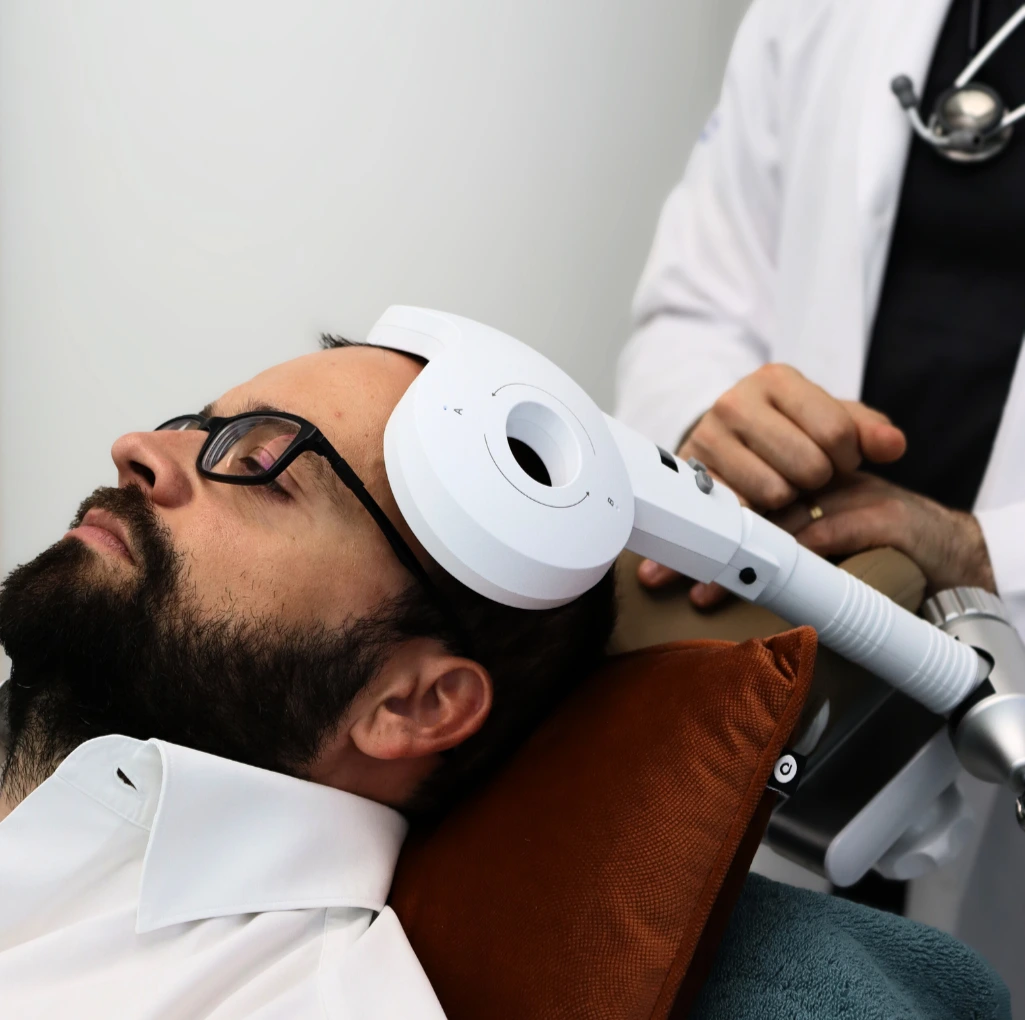
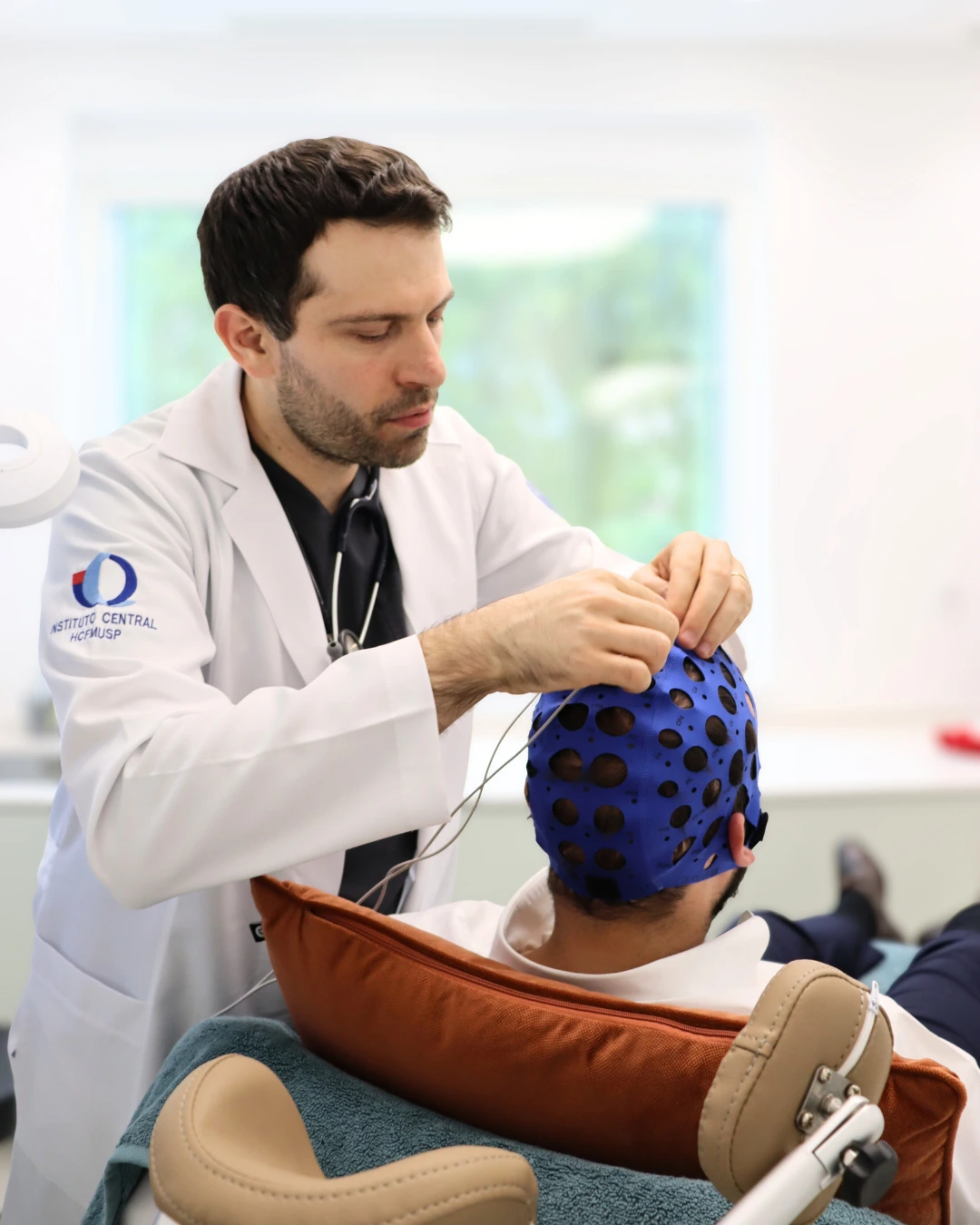
At NeuroPsyque, our approach to genetic neurological diseases is integrated and continuous. We combine specialised neurological consultation, periodic neuropsychological assessment, cognitive and motor rehabilitation, and non-invasive neuromodulation protocols - when indicated - to help preserve neurological functions over time. We also believe in the central role of the family: the psychoeducation of carers is just as important as the treatment of the patient themselves.
FAQ's on Neurological Genetic Diseases
If I have a genetic neurological disease, will my children have the same disease?
What is the difference between a genetic disease and a hereditary disease?
Is there treatment for neurological diseases with genetic causes?
What is disease progression and how can it be slowed down?
How often should I go for follow-up appointments?
How can the family help on a daily basis without overprotecting the patient?